Consumer Packaging Solutions for 2026 Cost and Waste Control
Time
Click Count
As 2026 cost pressures and sustainability mandates reshape procurement decisions, consumer packaging solutions have become a critical lever for protecting margins and reducing operational waste. For finance-led organizations, the goal is not simply lower unit cost. It is securing packaging systems that reduce freight, improve fill rates, limit damage, meet compliance targets, and support a stronger customer experience across retail, e-commerce, and cross-border distribution.
Why a checklist matters for consumer packaging solutions in 2026

Packaging decisions now affect more than material spend. They influence cube efficiency, automation compatibility, labeling accuracy, returns, recycling outcomes, and shelf presentation.
A checklist approach helps compare consumer packaging solutions against measurable business outcomes. It also prevents isolated decisions that save cents in sourcing but create losses in logistics, compliance, or product protection.
For global operations, structured review is essential because standards, disposal infrastructure, and customer expectations vary by market. A pack format that performs well in one region may underperform in another.
Core checklist for selecting consumer packaging solutions
Use the following checklist to evaluate consumer packaging solutions with cost, waste control, and operational resilience in mind.
- Map total landed cost, not only material price, including freight, storage, labor, line speed, damage rates, and end-of-life handling across all shipping channels.
- Measure dimensional efficiency by reviewing pack cube, pallet density, case fill, and void space to reduce transportation cost and unnecessary material usage.
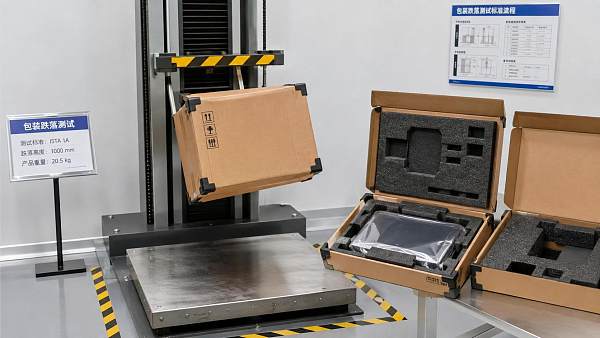
- Verify product protection using drop tests, compression tests, moisture resistance, and transit simulation before approving any packaging format change.
- Align material choice with local recycling systems, confirming whether paper, mono-material plastic, molded fiber, or hybrid formats are actually recoverable in target markets.
- Check automation fit across filling, sealing, labeling, and palletizing equipment to avoid hidden downtime and expensive line modifications.
- Standardize specifications, tolerances, and testing protocols so suppliers deliver consistent performance across regions and contract manufacturing sites.
- Review regulatory exposure covering packaging waste rules, EPR schemes, food-contact requirements, labeling laws, and restricted substance declarations.
- Reduce SKU complexity by consolidating formats, closures, liners, and corrugated structures where brand architecture allows simplification without harming functionality.
- Quantify sustainability claims with data such as recycled content, downgauging percentage, carbon footprint, and recovery rate instead of relying on broad marketing language.
- Build dual-source resilience for critical components to limit disruption from resin volatility, paper shortages, geopolitical delays, or seasonal demand spikes.
How to score the checklist
A practical method is to assign weighted scores across five areas: cost, protection, compliance, sustainability, and supply continuity. This turns consumer packaging solutions into comparable business cases rather than subjective design choices.
For example, a lighter structure may reduce freight and material usage, yet lose value if damage rates increase. A recyclable format may improve ESG reporting, yet fail if local collection systems do not accept it.
Application scenarios across the broader commercial ecosystem
Retail shelf-ready packaging
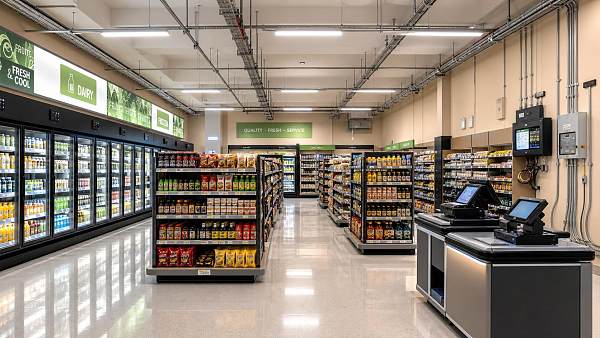
In physical retail, consumer packaging solutions must balance appearance with replenishment speed. Shelf-ready formats can reduce labor and improve display consistency, but they must also survive upstream handling.
Clear perforation design, stable case strength, and barcode visibility matter as much as graphics. Poor shelf-ready execution often creates tearing, product scuffing, and avoidable in-store waste.
E-commerce and direct-to-consumer fulfillment
Parcel distribution creates different stress points. Consumer packaging solutions for e-commerce should prioritize right-sizing, tamper evidence, impact protection, and easy returns handling.
Oversized packs increase dimensional weight charges and filler consumption. Under-engineered packs drive breakage, complaint costs, and reverse logistics expense that quickly exceed initial packaging savings.
Cross-border and multi-market programs
Global distribution adds complexity in language panels, claims, recycling marks, and customs documentation. Consumer packaging solutions should support modular artwork and region-specific compliance without multiplying structural SKUs.
A disciplined base-platform approach can lower inventory risk. One primary structure can often support several markets if labels, inserts, or outer cartons carry the variable information.
Premium products and brand-sensitive categories
High-end categories require consumer packaging solutions that protect perceived value as carefully as physical product integrity. Texture, opening experience, print finish, and precision tolerances influence conversion and loyalty.
Still, premium does not need to mean excessive material. Structural refinement, molded inserts, and better board engineering often outperform decorative overpack in both waste control and customer perception.
Commonly overlooked risks in consumer packaging solutions
Ignoring packing-line reality
A structurally sound design can still fail if it jams on the line, seals inconsistently, or demands manual intervention. Packaging should be validated in actual production conditions, not only in laboratory samples.
Treating recyclability as universal
Many consumer packaging solutions are technically recyclable but practically unrecovered. Local sorting capability, contamination risk, adhesive choice, and component separation determine true recovery outcomes.
Underestimating secondary packaging impact
Primary pack improvements can be offset by inefficient shipper cartons or poor pallet patterns. Freight savings often come from optimizing the full packaging system, not one visible component.
Missing data discipline
Without version control for drawings, tolerances, test reports, and material declarations, teams lose traceability. That increases rework, claim disputes, and inconsistent quality across suppliers.
Practical execution steps for cost and waste control
- Audit the current packaging portfolio by SKU, region, material type, damage rate, freight profile, and disposal pathway.
- Identify the top ten packaging cost drivers, then isolate which ones come from structure, process, transport, or compliance.
- Pilot revised consumer packaging solutions on selected SKUs with clear baseline metrics and post-launch review points.
- Use transit testing, warehouse trials, and line trials before approving broad conversion to new formats.
- Consolidate suppliers where standardization helps, but maintain backup sources for high-risk materials and critical components.
- Track performance quarterly using cost per shipped unit, damage incidents, cube utilization, recycled content, and complaint rates.
A simple review table
Conclusion and next action
In 2026, the strongest consumer packaging solutions will be those that connect engineering, logistics, sustainability, and commercial performance. The lowest quoted pack is rarely the lowest total-cost option.
Start with a structured checklist, score alternatives against measurable outcomes, and run controlled pilots before scaling. That approach improves cost visibility, reduces waste, and builds a more resilient packaging strategy across the wider consumer ecosystem.
When consumer packaging solutions are reviewed as a system rather than a component, organizations gain faster decisions, cleaner compliance, and more durable margin protection.
News Recommendations
 How to use a CRI value chart when choosing LED lighting
![51a6ab95581761cc26f4318be6520c15]()
Aris Katos
Future of Carbide Coatings
 How to compare hotel aroma diffuser wholesale options by coverage area
![51a6ab95581761cc26f4318be6520c15]()
Aris Katos
Future of Carbide Coatings
 How to prevent O-rings and seals from failing in food equipment
![51a6ab95581761cc26f4318be6520c15]()
Aris Katos
Future of Carbide Coatings
 How to compare commercial linear light wholesale quotes accurately
![51a6ab95581761cc26f4318be6520c15]()
Aris Katos
Future of Carbide Coatings
 How to verify international standards compliance for Middle East exports
![51a6ab95581761cc26f4318be6520c15]()
Aris Katos
Future of Carbide Coatings
 How to select laboratory instruments for reproducible test results
![51a6ab95581761cc26f4318be6520c15]()
Aris Katos
Future of Carbide Coatings
 When does a sheet metal prototype reveal design flaws early?
![51a6ab95581761cc26f4318be6520c15]()
Aris Katos
Future of Carbide Coatings
 When PE air column bags reduce damage in e-commerce fulfillment
![51a6ab95581761cc26f4318be6520c15]()
Aris Katos
Future of Carbide Coatings
 How energy-efficient design reduces operating costs in retail lighting
![51a6ab95581761cc26f4318be6520c15]()
Aris Katos
Future of Carbide Coatings
 When commercial aluminum storefronts make sense for a retail renovation
![51a6ab95581761cc26f4318be6520c15]()
Aris Katos
Future of Carbide Coatings
 What makes LED lights durable in high-use commercial spaces?
![51a6ab95581761cc26f4318be6520c15]()
Aris Katos
Future of Carbide Coatings
 Which industry categories offer the strongest export potential in Latin America?
![51a6ab95581761cc26f4318be6520c15]()
Aris Katos
Future of Carbide Coatings
 How to choose an ultra bright waterproof window display for storefronts
![51a6ab95581761cc26f4318be6520c15]()
Aris Katos
Future of Carbide Coatings
 How to verify suppliers on a trade portal for global sourcing
![51a6ab95581761cc26f4318be6520c15]()
Aris Katos
Future of Carbide Coatings
 How RoHS requirements should be stated in product specifications
![51a6ab95581761cc26f4318be6520c15]()
Aris Katos
Future of Carbide Coatings
 What affects the lead time for custom retail counter displays?
![51a6ab95581761cc26f4318be6520c15]()
Aris Katos
Future of Carbide Coatings
 What consumer packaging USA importers need to verify before ordering
![51a6ab95581761cc26f4318be6520c15]()
Aris Katos
Future of Carbide Coatings
 How commercial spaces interiors shape customer dwell time
![51a6ab95581761cc26f4318be6520c15]()
Aris Katos
Future of Carbide Coatings
 How LED commercial lighting design reduces glare in retail spaces
![51a6ab95581761cc26f4318be6520c15]()
Aris Katos
Future of Carbide Coatings
 How industrial technology information improves RFID inventory accuracy
![51a6ab95581761cc26f4318be6520c15]()
Aris Katos
Future of Carbide Coatings
 When drip garden watering systems make more sense than sprinklers
![51a6ab95581761cc26f4318be6520c15]()
Aris Katos
Future of Carbide Coatings
 When category comparison improves sourcing for industrial applications
![51a6ab95581761cc26f4318be6520c15]()
Aris Katos
Future of Carbide Coatings
 Industrial application guidance for selecting the right LED lighting
![51a6ab95581761cc26f4318be6520c15]()
Aris Katos
Future of Carbide Coatings
 Which commercial architecture standards apply to European retail fit-outs?
![51a6ab95581761cc26f4318be6520c15]()
Aris Katos
Future of Carbide Coatings
 How to verify FDA requirements for maternity care products
![51a6ab95581761cc26f4318be6520c15]()
Aris Katos
Future of Carbide Coatings
 How to verify BPA-free claims for food-contact products
![51a6ab95581761cc26f4318be6520c15]()
Aris Katos
Future of Carbide Coatings
 When does a European wholesale supplier suit modular office projects?
![51a6ab95581761cc26f4318be6520c15]()
Aris Katos
Future of Carbide Coatings
 When consumer ecosystem solutions improve the in-store shopping journey
![51a6ab95581761cc26f4318be6520c15]()
Aris Katos
Future of Carbide Coatings
 How a commercial developers network can reduce site selection risk
![51a6ab95581761cc26f4318be6520c15]()
Aris Katos
Future of Carbide Coatings
 How clear purchasing specifications prevent costly supplier deviations
![51a6ab95581761cc26f4318be6520c15]()
Aris Katos
Future of Carbide Coatings
 What an ISTA drop test lab checks before your packaging ships
![51a6ab95581761cc26f4318be6520c15]()
Aris Katos
Future of Carbide Coatings
 Which commercial furniture standards apply to workplace seating?
![51a6ab95581761cc26f4318be6520c15]()
Aris Katos
Future of Carbide Coatings
 How to evaluate smart lighting module OEM compatibility before sampling
![51a6ab95581761cc26f4318be6520c15]()
Aris Katos
Future of Carbide Coatings
 How to assess whether sustainable technology delivers real impact
![51a6ab95581761cc26f4318be6520c15]()
Aris Katos
Future of Carbide Coatings
 How to assess an OEM supplier’s quality control before ordering
![51a6ab95581761cc26f4318be6520c15]()
Aris Katos
Future of Carbide Coatings
 How consumer ecosystem solutions data can improve retail personalization
![51a6ab95581761cc26f4318be6520c15]()
Aris Katos
Future of Carbide Coatings
 When does consumer packaging design justify a higher product price?
![51a6ab95581761cc26f4318be6520c15]()
Aris Katos
Future of Carbide Coatings
 Supermarket Fixture Installation: Planning Layouts, Wiring, and Handover
![51a6ab95581761cc26f4318be6520c15]()
Aris Katos
Future of Carbide Coatings
 Automated Lighting and Smart Lighting Control in Bergerac: Key Project Considerations
![51a6ab95581761cc26f4318be6520c15]()
Aris Katos
Future of Carbide Coatings