Retail Technology Standards for Signage: Common Compliance Gaps
Time
Click Count
Retail technology standards signage has moved from a back-office specification topic to a visible operational risk. In stores, malls, transport-linked retail, and mixed-use developments, signage now carries power, software, sensors, and brand promises at the same time.
That shift matters because compliance gaps rarely stay technical for long. A poorly rated power supply, unreadable display brightness, missing installation records, or incompatible control system can trigger safety issues, failed inspections, expensive rework, and avoidable reputational damage.
Across global supply chains, the pressure is even higher. Projects often combine Asian manufacturing, regional codes, fast rollout schedules, and premium design expectations. In that environment, retail technology standards signage becomes a practical discipline for aligning aesthetics, safety, durability, and data-driven operation.
Why signage standards now carry broader business weight
Commercial signage used to be evaluated mainly by appearance and basic illumination. That is no longer enough.
Digital displays, LED lightboxes, smart wayfinding systems, interactive kiosks, and connected brand fixtures now sit inside a wider ecosystem. They interact with building services, POS infrastructure, maintenance routines, and sustainability targets.
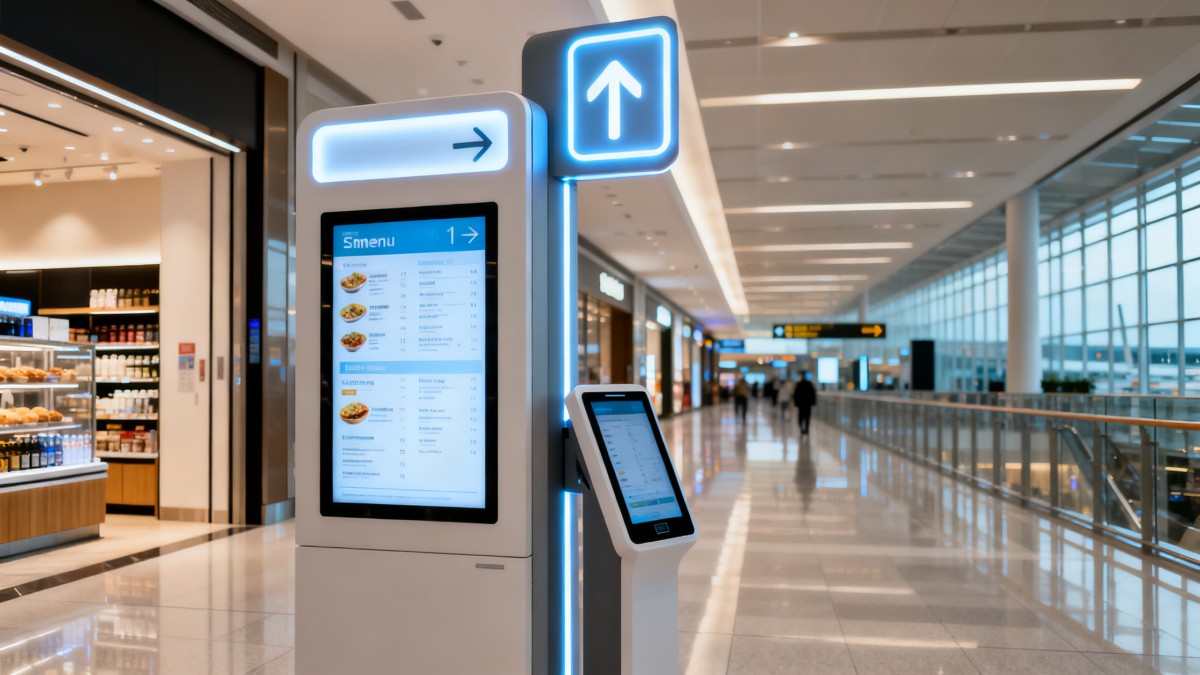
The compliance question is therefore not only whether a sign turns on. It is whether the full system performs safely, consistently, and lawfully throughout procurement, shipping, installation, and daily use.
This is where platforms such as G-BCE add value. By comparing commercial hardware against reference frameworks like UL, CE, and related technical benchmarks, decision-makers can read signage as part of a modern retail infrastructure rather than as a decorative afterthought.
What retail technology standards signage actually covers
The term includes more than certification marks on a product label. It covers the technical and procedural controls that determine whether signage is fit for commercial deployment.
In practical terms, retail technology standards signage usually touches these areas:
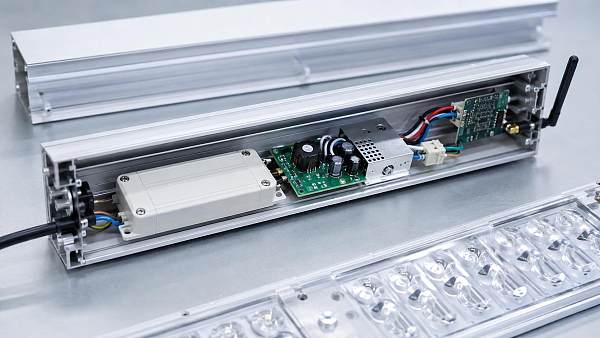
- Electrical safety of power supplies, wiring, connectors, and enclosures
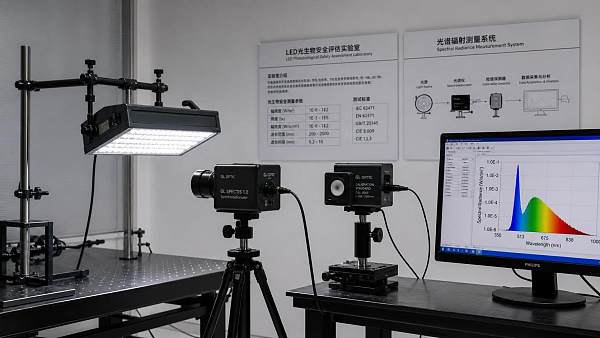
- Photometric performance such as brightness, contrast, color stability, and glare control
- Mechanical integrity, including mounting, edge protection, load resistance, and vibration tolerance
- Ingress protection for dust, moisture, or cleaning exposure in semi-open environments
- Software and control compatibility for digital signage networks and remote management
- Fire, material, and environmental compliance linked to regional building requirements
- Traceability through labeling, technical files, inspection records, and maintenance guidance
Simple compliance language can be misleading here. A sign may carry one approval yet still fail the project if installation methods, local code interpretation, or integrated components fall outside the approved conditions.
The most common compliance gaps seen in projects
Most failures do not come from one dramatic mistake. They emerge when several small assumptions pass unchecked from design to execution.
Certification scope is misunderstood
A frequent issue is treating component certification as system certification. A certified LED driver does not automatically make the finished sign compliant.
Housing materials, cable routing, ventilation, mounting conditions, and field modifications can all change the compliance position.
Regional requirements are applied too late
Global rollouts often standardize a single design before checking local rules. That creates delays when one market requires different fire behavior, voltage handling, labeling language, or emergency egress visibility.
Retail technology standards signage must be reviewed at country and site level, not only at headquarters level.
Brightness and readability are specified poorly
Signs are often approved using rendered visuals rather than measured performance. In operation, daylight exposure, reflective surfaces, and viewing angles reduce legibility far more than expected.
The result is a sign that looks compliant on paper but fails its wayfinding or brand communication function.
Installation risk is separated from product review
Many technical files stop at factory release. Yet real risk appears during site wiring, bracket substitution, sealing, drilling, cable extension, and coordination with ceiling or facade structures.
When installation is not treated as part of compliance, the final condition may no longer match the approved design.
Documentation is incomplete
Missing labels, absent test reports, unclear declarations, and weak maintenance instructions are common. These gaps may remain invisible until an audit, an incident, or a warranty dispute occurs.
Where the risks show up in daily operations
Compliance gaps are easier to understand when tied to real operating conditions. Different signage categories fail in different ways.
From a risk-control view, these are not isolated product defects. They are failures in interface management between design, sourcing, testing, and field execution.
A more useful way to evaluate signage compliance
A stronger review process starts by asking whether the sign will survive its actual environment, not just whether it passed a sample test once.
Several checks make retail technology standards signage easier to evaluate:
- Confirm the certified boundary of the whole assembly
- Match voltage, ingress, and material requirements to each market
- Review illumination performance under real viewing conditions
- Check bracket, anchor, and substrate assumptions before shipment
- Require installation manuals that reflect actual site methods
- Maintain traceable records for test reports, revisions, and maintenance cycles
This approach is especially relevant for cross-border programs. One sign family may look standardized, yet local compliance can still depend on different enclosure ratings, connector systems, or control interfaces.
Why benchmarking matters across a modern retail ecosystem
Signage does not operate alone. It sits beside lighting, fixtures, payment hardware, packaging cues, and digital service layers. That is why isolated product review often misses the bigger compliance picture.
G-BCE’s cross-sector benchmarking model is useful because it places signage inside the broader modernization of commercial spaces. The same project may involve smart retail technology, furniture interfaces, lighting consistency, and sustainability requirements.
Seen this way, retail technology standards signage becomes a strategic reference point. It helps teams compare supplier claims, identify weak documentation, and judge whether a design is truly deployment-ready across multiple regions.
It also supports a more disciplined conversation between manufacturing precision and high-end commercial expectations. That balance is increasingly important in flagship stores, airport retail, premium grocery, showrooms, and mixed-brand environments.
What to review next before approving a rollout
The next step is rarely a full redesign. More often, it is a tighter review framework.
Start with a short compliance matrix for each signage type. Map product certification, local code relevance, installation method, maintenance access, and digital control dependencies in one place.
Then test the weak points early. If a sign will face direct sunlight, heavy cleaning, public touch, or facade moisture, those conditions should be validated before rollout quantities are locked.
For organizations managing multiple regions, it is also worth comparing internal specifications against external benchmarks. That simple exercise often reveals where retail technology standards signage has been reduced to paperwork rather than operational proof.
The practical goal is not more documentation for its own sake. It is clearer evidence that the sign, the installation, and the operating environment still align when the store opens and long after the handover is complete.
News Recommendations
 How to prevent O-rings and seals from failing in food equipment
![51a6ab95581761cc26f4318be6520c15]()
Aris Katos
Future of Carbide Coatings
 How to compare commercial linear light wholesale quotes accurately
![51a6ab95581761cc26f4318be6520c15]()
Aris Katos
Future of Carbide Coatings
 How to verify international standards compliance for Middle East exports
![51a6ab95581761cc26f4318be6520c15]()
Aris Katos
Future of Carbide Coatings
 How to select laboratory instruments for reproducible test results
![51a6ab95581761cc26f4318be6520c15]()
Aris Katos
Future of Carbide Coatings
 When does a sheet metal prototype reveal design flaws early?
![51a6ab95581761cc26f4318be6520c15]()
Aris Katos
Future of Carbide Coatings
 When PE air column bags reduce damage in e-commerce fulfillment
![51a6ab95581761cc26f4318be6520c15]()
Aris Katos
Future of Carbide Coatings
 How energy-efficient design reduces operating costs in retail lighting
![51a6ab95581761cc26f4318be6520c15]()
Aris Katos
Future of Carbide Coatings
 When commercial aluminum storefronts make sense for a retail renovation
![51a6ab95581761cc26f4318be6520c15]()
Aris Katos
Future of Carbide Coatings
 What makes LED lights durable in high-use commercial spaces?
![51a6ab95581761cc26f4318be6520c15]()
Aris Katos
Future of Carbide Coatings
 Which industry categories offer the strongest export potential in Latin America?
![51a6ab95581761cc26f4318be6520c15]()
Aris Katos
Future of Carbide Coatings
 How to choose an ultra bright waterproof window display for storefronts
![51a6ab95581761cc26f4318be6520c15]()
Aris Katos
Future of Carbide Coatings
 How to verify suppliers on a trade portal for global sourcing
![51a6ab95581761cc26f4318be6520c15]()
Aris Katos
Future of Carbide Coatings
 How RoHS requirements should be stated in product specifications
![51a6ab95581761cc26f4318be6520c15]()
Aris Katos
Future of Carbide Coatings
 What affects the lead time for custom retail counter displays?
![51a6ab95581761cc26f4318be6520c15]()
Aris Katos
Future of Carbide Coatings
 What consumer packaging USA importers need to verify before ordering
![51a6ab95581761cc26f4318be6520c15]()
Aris Katos
Future of Carbide Coatings
 How commercial spaces interiors shape customer dwell time
![51a6ab95581761cc26f4318be6520c15]()
Aris Katos
Future of Carbide Coatings
 How LED commercial lighting design reduces glare in retail spaces
![51a6ab95581761cc26f4318be6520c15]()
Aris Katos
Future of Carbide Coatings
 How industrial technology information improves RFID inventory accuracy
![51a6ab95581761cc26f4318be6520c15]()
Aris Katos
Future of Carbide Coatings
 When drip garden watering systems make more sense than sprinklers
![51a6ab95581761cc26f4318be6520c15]()
Aris Katos
Future of Carbide Coatings
 When category comparison improves sourcing for industrial applications
![51a6ab95581761cc26f4318be6520c15]()
Aris Katos
Future of Carbide Coatings
 Industrial application guidance for selecting the right LED lighting
![51a6ab95581761cc26f4318be6520c15]()
Aris Katos
Future of Carbide Coatings
 Which commercial architecture standards apply to European retail fit-outs?
![51a6ab95581761cc26f4318be6520c15]()
Aris Katos
Future of Carbide Coatings
 How to verify FDA requirements for maternity care products
![51a6ab95581761cc26f4318be6520c15]()
Aris Katos
Future of Carbide Coatings
 How to verify BPA-free claims for food-contact products
![51a6ab95581761cc26f4318be6520c15]()
Aris Katos
Future of Carbide Coatings
 When does a European wholesale supplier suit modular office projects?
![51a6ab95581761cc26f4318be6520c15]()
Aris Katos
Future of Carbide Coatings
 When consumer ecosystem solutions improve the in-store shopping journey
![51a6ab95581761cc26f4318be6520c15]()
Aris Katos
Future of Carbide Coatings
 How a commercial developers network can reduce site selection risk
![51a6ab95581761cc26f4318be6520c15]()
Aris Katos
Future of Carbide Coatings
 How clear purchasing specifications prevent costly supplier deviations
![51a6ab95581761cc26f4318be6520c15]()
Aris Katos
Future of Carbide Coatings
 What an ISTA drop test lab checks before your packaging ships
![51a6ab95581761cc26f4318be6520c15]()
Aris Katos
Future of Carbide Coatings
 Which commercial furniture standards apply to workplace seating?
![51a6ab95581761cc26f4318be6520c15]()
Aris Katos
Future of Carbide Coatings
 How to evaluate smart lighting module OEM compatibility before sampling
![51a6ab95581761cc26f4318be6520c15]()
Aris Katos
Future of Carbide Coatings
 How to assess whether sustainable technology delivers real impact
![51a6ab95581761cc26f4318be6520c15]()
Aris Katos
Future of Carbide Coatings
 How to assess an OEM supplier’s quality control before ordering
![51a6ab95581761cc26f4318be6520c15]()
Aris Katos
Future of Carbide Coatings
 How consumer ecosystem solutions data can improve retail personalization
![51a6ab95581761cc26f4318be6520c15]()
Aris Katos
Future of Carbide Coatings
 When does consumer packaging design justify a higher product price?
![51a6ab95581761cc26f4318be6520c15]()
Aris Katos
Future of Carbide Coatings
 Supermarket Fixture Installation: Planning Layouts, Wiring, and Handover
![51a6ab95581761cc26f4318be6520c15]()
Aris Katos
Future of Carbide Coatings
 Automated Lighting and Smart Lighting Control in Bergerac: Key Project Considerations
![51a6ab95581761cc26f4318be6520c15]()
Aris Katos
Future of Carbide Coatings
 Segment Streetlight Controllers: Choosing Control Modes for Urban Roads
![51a6ab95581761cc26f4318be6520c15]()
Aris Katos
Future of Carbide Coatings
 IEC 62471-2 Explained: How to Assess Photobiological Risks in LED Lighting
![51a6ab95581761cc26f4318be6520c15]()
Aris Katos
Future of Carbide Coatings