IC Packaging Application Explanations: Key Process Uses
Time
Click Count
Why do application explanations IC packaging matter in real product decisions?
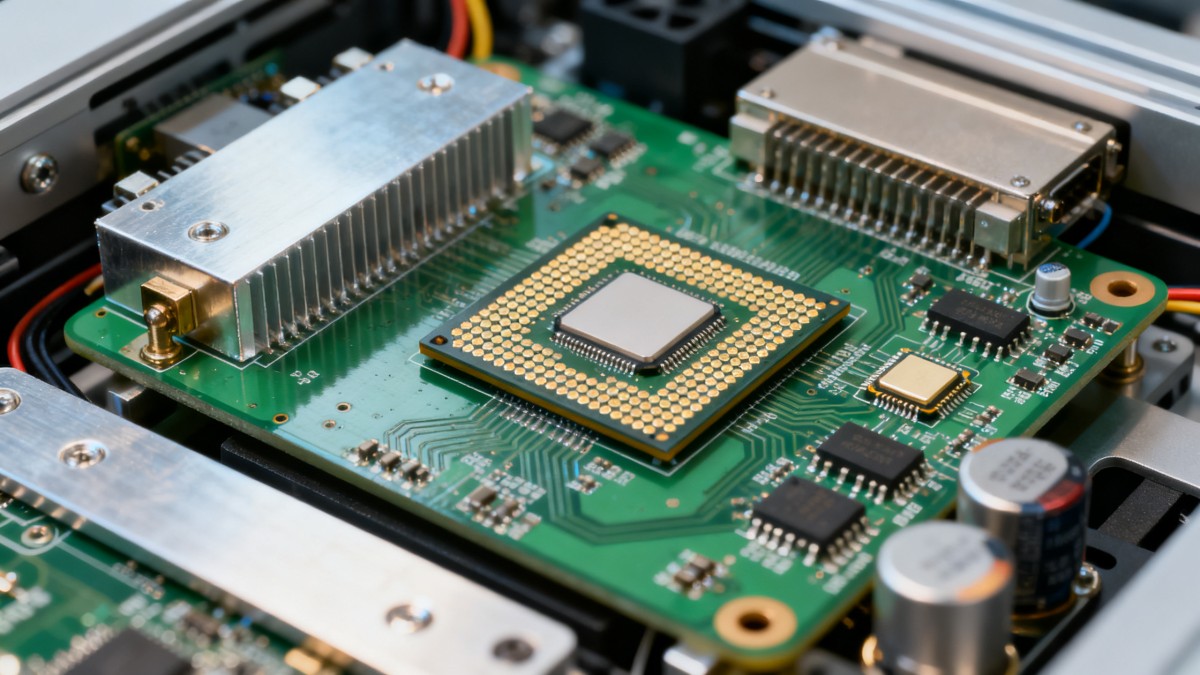
IC packaging is often treated as a back-end detail, yet it directly affects how a device survives heat, vibration, signal loss, and space limits.
That is why application explanations IC packaging have become useful beyond semiconductor engineering circles. They help connect package structure with end-use performance.
In practical benchmarking, the package is not only a shell. It is part of the electrical path, the thermal route, and the mechanical protection system.
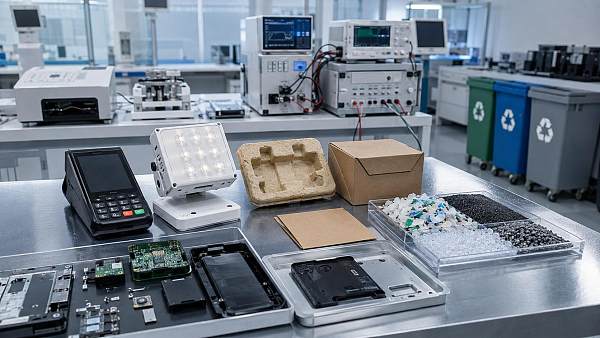
For commercial technology ecosystems, this matters more than it first appears. Smart retail terminals, sensors, lighting controls, handheld electronics, and connected packaging all rely on stable chip packaging choices.
Within a platform such as G-BCE, cross-sector comparison depends on this kind of clarity. Packaging decisions influence reliability standards, sourcing consistency, and lifecycle expectations across multiple product categories.
So when people search for application explanations IC packaging, they are usually asking a larger question: what does the package actually do, and how should it shape evaluation?
What exactly does IC packaging do besides covering the chip?
The short answer is that IC packaging performs several jobs at once, and each one affects usability in the field.
First, it protects the silicon die from moisture, dust, oxidation, impact, and handling stress during assembly and operation.
Second, it creates a physical interface between the chip and the circuit board through leads, pads, balls, or other interconnect forms.
Third, it helps move heat away from the die. In compact devices, thermal performance can be the difference between stable output and early failure.
Fourth, it influences signal integrity. High-speed applications need short, clean pathways that reduce parasitic resistance and inductance.
Finally, packaging supports miniaturization. The market often demands thinner products, denser boards, and more functionality in less space.
This is where application explanations IC packaging become especially useful. They turn abstract package names into practical design consequences.
- DIP and QFP packages are easier to inspect and service, but they consume more board area.
- BGA packages support higher pin counts and better density, but assembly control must be tighter.
- WLCSP and similar compact formats suit miniaturized products, though mechanical stress sensitivity may increase.
- Power packages prioritize heat transfer and electrical robustness for demanding operating environments.
Where are the key process uses of IC packaging most visible?
The effects show up most clearly when a product must balance performance, footprint, durability, and assembly efficiency at the same time.
In POS hardware and smart retail systems, packages must support reliable signal flow, frequent operating cycles, and compact board layouts.
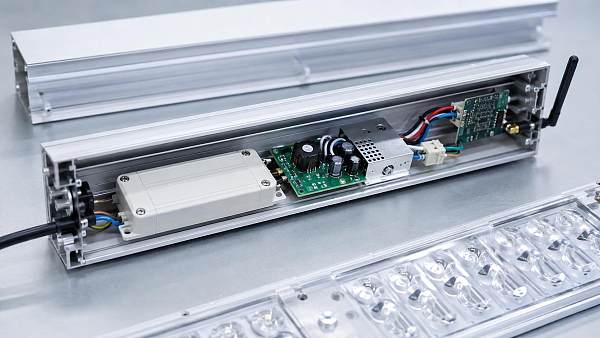
In LED drivers and commercial lighting controls, thermal management becomes a central issue. Poor package choice can shorten operating life or reduce output stability.
For connected consumer devices, miniaturization usually drives the discussion. Yet a smaller package is only valuable if assembly yield and drop performance remain acceptable.
In industrial sensing modules, environmental protection matters more. Moisture resistance, solder joint reliability, and long-term stability often carry more weight than extreme compactness.
These examples explain why application explanations IC packaging are relevant to broader supply chain analysis. A package choice shapes not only the chip, but the manufacturability of the final product.
A table like this helps translate application explanations IC packaging into a screening tool, rather than a purely technical glossary.
How do you judge which package is suitable for a specific use case?
A common mistake is choosing by size alone. Smaller is attractive, but suitability depends on several linked conditions.
Start with electrical requirements. High pin count, switching speed, and power distribution needs usually narrow the package range quickly.
Then review the thermal profile. If the device runs warm or sits in a sealed enclosure, package thermal resistance deserves close attention.
Board space is next, but it should be reviewed together with routing complexity. Dense packages can reduce area while increasing layout and inspection difficulty.
Manufacturing capability also matters. Some package formats demand tighter solder control, X-ray inspection, or higher process maturity than others.
In actual sourcing reviews, the better method is to compare package performance against the complete product environment, not against one isolated target.
A practical judgment checklist
- What operating temperature range will the device face?
- Is the design constrained by thickness, area, or weight?
- Will the assembly line support the package with stable yield?
- How difficult will failure analysis, rework, or inspection be?
- Does the chosen format align with expected lifecycle and compliance needs?
This is where G-BCE style benchmarking becomes useful. It places package choice inside a broader quality, standards, and supply chain context.
What differences usually matter most when comparing package options?
When comparing packages, the important differences are rarely cosmetic. They usually affect process stability, device endurance, and long-term replacement flexibility.
One major difference is interconnect style. Leaded packages simplify visual inspection, while ball-based formats support density and electrical efficiency.
Another difference is thermal path design. Exposed pads, metal bases, and enhanced heat spreading features can materially improve operating margins.
Moisture sensitivity is also worth checking. Some packages require stricter storage and baking control before assembly.
Package height and warpage behavior matter more than many expect. Thin formats can help slim products, but board stress and coplanarity issues may appear.
Application explanations IC packaging are valuable here because they frame comparison around consequences, not only naming conventions.
A quick comparison view
Where do misunderstandings about IC packaging create risk?
The first misunderstanding is assuming the chip specification alone guarantees field performance. In many failures, the package and assembly interaction is the actual weak point.
Another common issue is underestimating thermal load in enclosed commercial hardware. A package that works in lab conditions may struggle in tighter real-world installations.
There is also a sourcing risk. Two components may appear functionally close, yet package differences can change board redesign needs, assembly yield, and inspection cost.
In sustainability-focused product development, replacement cycles matter too. A packaging choice that reduces reliability can undermine material efficiency goals over the product lifespan.
For that reason, application explanations IC packaging should be tied to validation plans, not only part selection discussions.
- Check thermal resistance against enclosure reality, not open-bench assumptions.
- Confirm moisture sensitivity handling before production scheduling.
- Review inspection capability for hidden-joint packages.
- Assess package availability across regions and lifecycle stages.
What is the sensible next step after understanding application explanations IC packaging?
The next step is to turn understanding into a selection framework. That usually means defining a small set of decision criteria before comparing components.
Focus on operating temperature, board density, expected service life, assembly capability, and compliance alignment. Those factors capture most real package tradeoffs.
It also helps to document which risks are acceptable and which are not. This keeps package choice tied to product goals instead of isolated engineering preference.
Across commercial hardware, consumer electronics, and connected infrastructure, the better decisions usually come from comparing package behavior in context.
That is the practical value behind application explanations IC packaging. They clarify how protection, interconnection, heat handling, and form factor translate into measurable outcomes.
A useful follow-through is to build a review sheet for each candidate package, compare process requirements side by side, and verify the choice against actual application conditions.
News Recommendations
 How to select laboratory instruments for reproducible test results
![51a6ab95581761cc26f4318be6520c15]()
Aris Katos
Future of Carbide Coatings
 When does a sheet metal prototype reveal design flaws early?
![51a6ab95581761cc26f4318be6520c15]()
Aris Katos
Future of Carbide Coatings
 When PE air column bags reduce damage in e-commerce fulfillment
![51a6ab95581761cc26f4318be6520c15]()
Aris Katos
Future of Carbide Coatings
 How energy-efficient design reduces operating costs in retail lighting
![51a6ab95581761cc26f4318be6520c15]()
Aris Katos
Future of Carbide Coatings
 When commercial aluminum storefronts make sense for a retail renovation
![51a6ab95581761cc26f4318be6520c15]()
Aris Katos
Future of Carbide Coatings
 What makes LED lights durable in high-use commercial spaces?
![51a6ab95581761cc26f4318be6520c15]()
Aris Katos
Future of Carbide Coatings
 Which industry categories offer the strongest export potential in Latin America?
![51a6ab95581761cc26f4318be6520c15]()
Aris Katos
Future of Carbide Coatings
 How to choose an ultra bright waterproof window display for storefronts
![51a6ab95581761cc26f4318be6520c15]()
Aris Katos
Future of Carbide Coatings
 How to verify suppliers on a trade portal for global sourcing
![51a6ab95581761cc26f4318be6520c15]()
Aris Katos
Future of Carbide Coatings
 How RoHS requirements should be stated in product specifications
![51a6ab95581761cc26f4318be6520c15]()
Aris Katos
Future of Carbide Coatings
 What affects the lead time for custom retail counter displays?
![51a6ab95581761cc26f4318be6520c15]()
Aris Katos
Future of Carbide Coatings
 What consumer packaging USA importers need to verify before ordering
![51a6ab95581761cc26f4318be6520c15]()
Aris Katos
Future of Carbide Coatings
 How commercial spaces interiors shape customer dwell time
![51a6ab95581761cc26f4318be6520c15]()
Aris Katos
Future of Carbide Coatings
 How LED commercial lighting design reduces glare in retail spaces
![51a6ab95581761cc26f4318be6520c15]()
Aris Katos
Future of Carbide Coatings
 How industrial technology information improves RFID inventory accuracy
![51a6ab95581761cc26f4318be6520c15]()
Aris Katos
Future of Carbide Coatings
 When drip garden watering systems make more sense than sprinklers
![51a6ab95581761cc26f4318be6520c15]()
Aris Katos
Future of Carbide Coatings
 When category comparison improves sourcing for industrial applications
![51a6ab95581761cc26f4318be6520c15]()
Aris Katos
Future of Carbide Coatings
 Industrial application guidance for selecting the right LED lighting
![51a6ab95581761cc26f4318be6520c15]()
Aris Katos
Future of Carbide Coatings
 Which commercial architecture standards apply to European retail fit-outs?
![51a6ab95581761cc26f4318be6520c15]()
Aris Katos
Future of Carbide Coatings
 How to verify FDA requirements for maternity care products
![51a6ab95581761cc26f4318be6520c15]()
Aris Katos
Future of Carbide Coatings
 How to verify BPA-free claims for food-contact products
![51a6ab95581761cc26f4318be6520c15]()
Aris Katos
Future of Carbide Coatings
 When does a European wholesale supplier suit modular office projects?
![51a6ab95581761cc26f4318be6520c15]()
Aris Katos
Future of Carbide Coatings
 When consumer ecosystem solutions improve the in-store shopping journey
![51a6ab95581761cc26f4318be6520c15]()
Aris Katos
Future of Carbide Coatings
 How a commercial developers network can reduce site selection risk
![51a6ab95581761cc26f4318be6520c15]()
Aris Katos
Future of Carbide Coatings
 How clear purchasing specifications prevent costly supplier deviations
![51a6ab95581761cc26f4318be6520c15]()
Aris Katos
Future of Carbide Coatings
 What an ISTA drop test lab checks before your packaging ships
![51a6ab95581761cc26f4318be6520c15]()
Aris Katos
Future of Carbide Coatings
 Which commercial furniture standards apply to workplace seating?
![51a6ab95581761cc26f4318be6520c15]()
Aris Katos
Future of Carbide Coatings
 How to evaluate smart lighting module OEM compatibility before sampling
![51a6ab95581761cc26f4318be6520c15]()
Aris Katos
Future of Carbide Coatings
 How to assess whether sustainable technology delivers real impact
![51a6ab95581761cc26f4318be6520c15]()
Aris Katos
Future of Carbide Coatings
 How to assess an OEM supplier’s quality control before ordering
![51a6ab95581761cc26f4318be6520c15]()
Aris Katos
Future of Carbide Coatings
 How consumer ecosystem solutions data can improve retail personalization
![51a6ab95581761cc26f4318be6520c15]()
Aris Katos
Future of Carbide Coatings
 When does consumer packaging design justify a higher product price?
![51a6ab95581761cc26f4318be6520c15]()
Aris Katos
Future of Carbide Coatings
 Supermarket Fixture Installation: Planning Layouts, Wiring, and Handover
![51a6ab95581761cc26f4318be6520c15]()
Aris Katos
Future of Carbide Coatings
 Automated Lighting and Smart Lighting Control in Bergerac: Key Project Considerations
![51a6ab95581761cc26f4318be6520c15]()
Aris Katos
Future of Carbide Coatings
 Segment Streetlight Controllers: Choosing Control Modes for Urban Roads
![51a6ab95581761cc26f4318be6520c15]()
Aris Katos
Future of Carbide Coatings
 IEC 62471-2 Explained: How to Assess Photobiological Risks in LED Lighting
![51a6ab95581761cc26f4318be6520c15]()
Aris Katos
Future of Carbide Coatings
 Food Grade Packaging Requirements by Product Type, Temperature, and Contact Risk
![51a6ab95581761cc26f4318be6520c15]()
Aris Katos
Future of Carbide Coatings
 Food Packaging Compliance Checklist: Tests, Records, and Labeling Before Shipment
![51a6ab95581761cc26f4318be6520c15]()
Aris Katos
Future of Carbide Coatings
 NSF Food Packaging Standards: When Certification Matters for Commercial Food Use
![51a6ab95581761cc26f4318be6520c15]()
Aris Katos
Future of Carbide Coatings