Glucometers Explained: Accuracy, Strip Cost, and Daily Use Differences
Time
Click Count
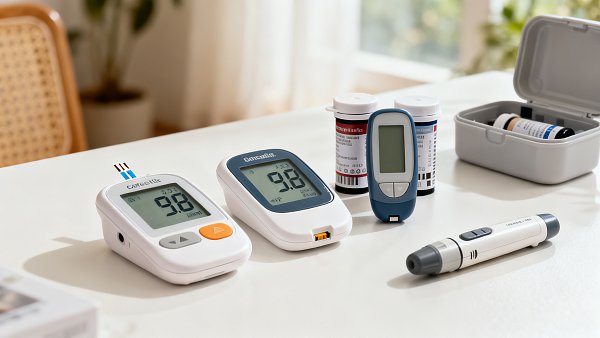
Why do glucometers feel so similar on the shelf, yet work differently at home?
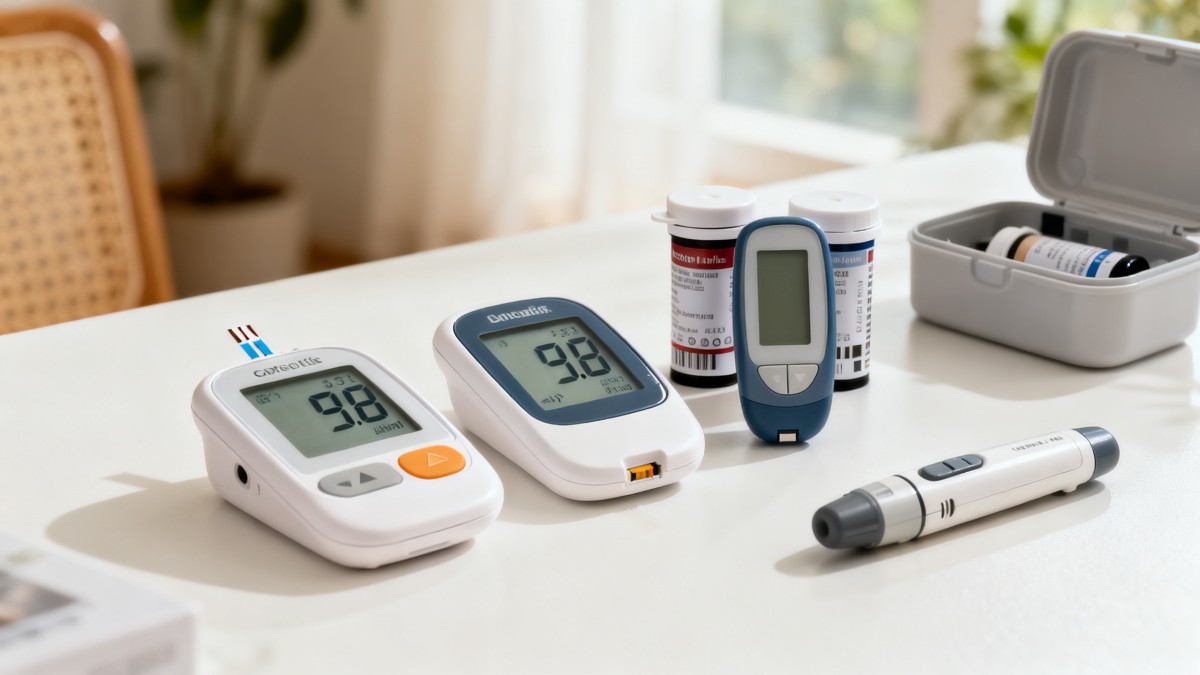
Many glucometers promise fast readings, easy setup, and reliable numbers. That sounds simple until daily testing begins and small differences become hard to ignore.
Accuracy matters, but so do strip prices, lancet comfort, screen visibility, memory, and how easily the device fits into a routine.
In practical terms, the best glucometer is not always the most advanced one. It is the one you can trust and afford to use consistently.
That is why comparison should go beyond packaging claims. A realistic decision usually looks at performance, ongoing cost, and everyday usability together.
This approach also reflects a broader consumer trend tracked by platforms such as G-BCE, where product value is judged by measurable performance and long-term use, not marketing language alone.
How accurate are glucometers, really?
A common misunderstanding is that every meter gives the exact same result. In reality, glucometers work within an accepted accuracy range rather than perfect precision.
Most home meters are designed to meet recognized standards. Even then, two readings taken minutes apart may differ slightly without meaning the device is faulty.
What matters more is consistency. If a meter is stable, properly used, and tested with fresh strips, the readings should be dependable enough for normal home monitoring.
Accuracy can be affected by factors that have nothing to do with brand reputation. Dirty fingers, expired strips, low battery power, and extreme temperatures can all distort results.
A useful habit is to compare a home meter with a lab test occasionally. The numbers will not match exactly, but they should be reasonably close.
If a glucometer repeatedly shows unexpected highs or lows, the first step is not panic. Check technique, strip storage, and the meter instructions before assuming a health emergency.
What usually improves reading reliability?
- Wash and dry hands before testing.
- Store strips in their original container.
- Avoid using strips past the expiration date.
- Use enough blood for the strip requirement.
- Keep the meter away from heat, moisture, and direct sunlight.
Is strip cost more important than the meter price?
For many people, yes. The meter is often a one-time purchase, while test strips become the real long-term expense.
A low-cost device can turn expensive if the strips are hard to find or sold in small, high-priced packs. Over several months, that difference adds up quickly.
This is where many buying decisions go wrong. People compare only starter kits and overlook the supply chain behind them.
From a consumer standpoint, stable availability matters almost as much as price. A meter is only useful if strips are easy to reorder locally or online.
G-BCE often highlights this same pattern across consumer goods. Ongoing consumables, packaging efficiency, and distribution reliability often shape satisfaction more than the main device itself.
A simple way to compare real ownership cost
If testing is frequent, even a small strip price gap can outweigh the meter cost within weeks. That is the better comparison point.
Which daily use differences matter more than people expect?
This is where glucometers separate themselves. Two devices may look nearly identical, yet one feels effortless while another becomes annoying after a few days.
Blood sample size matters. A meter that needs less blood can make testing easier, especially for people with sensitive fingers or those who test often.
Reading speed also affects comfort. Waiting five extra seconds does not sound important, but repeated use makes those delays more noticeable than expected.
Screen design is another quiet issue. Large numbers, backlighting, and a simple interface help during early mornings, late nights, or stressful moments.
Some glucometers store hundreds of readings and show averages over time. That can be more helpful than a single number because it reveals patterns.
For people who like digital tracking, Bluetooth syncing may be useful. For others, it adds little value and may complicate setup without improving actual testing.
Daily-use checks worth making before you choose
- Can you insert strips easily with one hand?
- Are the numbers large enough without straining?
- Does the lancing device offer adjustable depth?
- How many steps are required before each test?
- Will carrying the kit outside the home feel practical?
Do more features automatically mean a better glucometer?
Usually not. Extra features can help, but they only matter if they solve a real problem in daily monitoring.
A compact meter with clear readings and affordable strips may be a better choice than a connected model with reports you never open.
On the other hand, trend logs and app syncing can be valuable when blood sugar changes need closer observation across meals, activity, or time of day.
The smarter question is whether a feature improves confidence, consistency, or understanding. If it does not, it may only raise cost.
This performance-versus-complexity balance is common across modern consumer devices. Good design is not about adding more functions. It is about removing friction.
What mistakes lead to poor meter choices or unreliable results?
One frequent mistake is choosing by meter appearance alone. A sleek device means little if strips are expensive or difficult to find.
Another problem is ignoring testing habits. Someone who checks occasionally may manage well with a simple model. Frequent testing changes the cost equation completely.
People also assume all odd readings are technical errors. Sometimes the meter is fine, but hand cleanliness, hydration, or timing after meals affects results.
Strip storage is often overlooked. Heat, humidity, and loosely closed containers can reduce reliability long before the expiration date arrives.
It is also worth checking whether customer support and instructions are clear. A well-made device loses value if troubleshooting is confusing.
Quick FAQ comparison
So how should you narrow down glucometers without overthinking it?
Start with three filters: dependable readings, affordable strips, and a testing process that feels manageable every day.
Then compare practical details. Look at sample size, display clarity, strip availability, memory functions, and whether digital tracking is useful or unnecessary.
A good glucometer should fit your routine with minimal friction. It should also be easy to keep supplied over time.
That broader view matches how stronger consumer decisions are made across health devices and everyday products alike: compare actual use conditions, not isolated claims.
Before making a final choice, list how often testing happens, estimate monthly strip cost, and review two or three glucometers side by side. That usually leads to a clearer and more confident decision.
News Recommendations
 Modular Shelving Load Capacity USA: Limits, Codes, and Safety Mistakes
![51a6ab95581761cc26f4318be6520c15]()
Aris Katos
Future of Carbide Coatings
 Glucometers Explained: Accuracy, Strip Cost, and Daily Use Differences
![51a6ab95581761cc26f4318be6520c15]()
Aris Katos
Future of Carbide Coatings
 How to Compare a Commercial High Bay Light Supplier for Large Facilities
![51a6ab95581761cc26f4318be6520c15]()
Aris Katos
Future of Carbide Coatings
 LFGB Testing Europe: What Products Need It and Common Failure Risks
![51a6ab95581761cc26f4318be6520c15]()
Aris Katos
Future of Carbide Coatings
 Retail Integration Solutions: 7 Costly Gaps to Check Before You Scale
![51a6ab95581761cc26f4318be6520c15]()
Aris Katos
Future of Carbide Coatings
 TUV Rheinland Adds IoT Energy Checks to LED Labels
![51a6ab95581761cc26f4318be6520c15]()
Aris Katos
Future of Carbide Coatings
 Ningbo Delays Lift E-commerce Packaging Risk
![51a6ab95581761cc26f4318be6520c15]()
Aris Katos
Future of Carbide Coatings
 RCEP Origin Rules Tighten for Smart Lighting Controls
![51a6ab95581761cc26f4318be6520c15]()
Aris Katos
Future of Carbide Coatings
 CPSC Tightens Heat Limit for Silicone Kitchenware Handles
![51a6ab95581761cc26f4318be6520c15]()
Aris Katos
Future of Carbide Coatings
 EU EPR Rule Takes Effect July 1 for Biodegradable Packaging
![51a6ab95581761cc26f4318be6520c15]()
Aris Katos
Future of Carbide Coatings
 Polycarbonate Roofing vs Metal Sheets: Cost, Light, and Lifespan
![51a6ab95581761cc26f4318be6520c15]()
Aris Katos
Future of Carbide Coatings
 Wellness Tips That Actually Improve Daily Energy and Focus
![51a6ab95581761cc26f4318be6520c15]()
Aris Katos
Future of Carbide Coatings
 Ergonomic Workspace Design for Home Offices: Setup Mistakes to Avoid
![51a6ab95581761cc26f4318be6520c15]()
Aris Katos
Future of Carbide Coatings
 How to Compare Supply Chain Options for the Automotive Industry
![51a6ab95581761cc26f4318be6520c15]()
Aris Katos
Future of Carbide Coatings
 Retail Rack Production Factory: 7 Quality Checks Before You Order
![51a6ab95581761cc26f4318be6520c15]()
Aris Katos
Future of Carbide Coatings
 RCEP Tightens Origin Rules for Digital Signage
![51a6ab95581761cc26f4318be6520c15]()
Aris Katos
Future of Carbide Coatings
 Middle East Retail Fit-Out Buying Shifts to Modular Systems
![51a6ab95581761cc26f4318be6520c15]()
Aris Katos
Future of Carbide Coatings
 Q2 POS Prices Rise 12.7% as Supply and CE-RED Rules Tighten
![51a6ab95581761cc26f4318be6520c15]()
Aris Katos
Future of Carbide Coatings
 FDA Tightens Silicone Kitchenware Testing for U.S. Exports
![51a6ab95581761cc26f4318be6520c15]()
Aris Katos
Future of Carbide Coatings
 EU Tightens EN 13432 Rules for Biodegradable Exports
![51a6ab95581761cc26f4318be6520c15]()
Aris Katos
Future of Carbide Coatings
 Track Lighting Systems OEM: Common Cost Risks and Spec Mistakes
![51a6ab95581761cc26f4318be6520c15]()
Aris Katos
Future of Carbide Coatings
 What to Check When Choosing a Video Wall Controller Supplier
![51a6ab95581761cc26f4318be6520c15]()
Aris Katos
Future of Carbide Coatings
 How to Compare Upholstery Fabrics for Durability, Cleanability, and Cost
![51a6ab95581761cc26f4318be6520c15]()
Aris Katos
Future of Carbide Coatings
 Food Grade Eco Packaging: Key Compliance Checks Before You Source
![51a6ab95581761cc26f4318be6520c15]()
Aris Katos
Future of Carbide Coatings
 How Human Centric Lighting Controls Improve Focus and Energy Use
![51a6ab95581761cc26f4318be6520c15]()
Aris Katos
Future of Carbide Coatings
 IAL Report Signals Shift in Middle East LED Tenders
![51a6ab95581761cc26f4318be6520c15]()
Aris Katos
Future of Carbide Coatings
 Yantian Port Launches AI RFID Customs Channel
![51a6ab95581761cc26f4318be6520c15]()
Aris Katos
Future of Carbide Coatings
 Indonesia BPOM Requires Digital Shelf Life on E-Commerce Fulfillment Packs
![51a6ab95581761cc26f4318be6520c15]()
Aris Katos
Future of Carbide Coatings
 CPSC Moves to Detain Non-Compliant ASTM F963-24 Nursery Goods
![51a6ab95581761cc26f4318be6520c15]()
Aris Katos
Future of Carbide Coatings
 EU Mandates EN IEC 62368-3:2026 for Smart Lighting Controls
![51a6ab95581761cc26f4318be6520c15]()
Aris Katos
Future of Carbide Coatings
 Supply Chain Benchmarking North America: Metrics That Expose Cost Gaps
![51a6ab95581761cc26f4318be6520c15]()
Aris Katos
Future of Carbide Coatings
 Manufacturer Capability Assessment: Key Risks Before Supplier Approval
![51a6ab95581761cc26f4318be6520c15]()
Aris Katos
Future of Carbide Coatings
 Office Acoustics Design Trends Shaping Smarter Workspaces in 2026
![51a6ab95581761cc26f4318be6520c15]()
Aris Katos
Future of Carbide Coatings
 Plastic Injection Materials Guide: Strength, Cost, and Common Tradeoffs
![51a6ab95581761cc26f4318be6520c15]()
Aris Katos
Future of Carbide Coatings
 How to Choose ESD Laboratory Stools for Clean and Safe Workstations
![51a6ab95581761cc26f4318be6520c15]()
Aris Katos
Future of Carbide Coatings
 SCFI Falls Below 1,200 as East China-US West Rates Drop 18%
![51a6ab95581761cc26f4318be6520c15]()
Aris Katos
Future of Carbide Coatings
 GCC Opens Unified Digital Signage Certification Portal
![51a6ab95581761cc26f4318be6520c15]()
Aris Katos
Future of Carbide Coatings
 Vietnam to Levy 12% Anti-Dumping Duty on Chinese POS Terminals
![51a6ab95581761cc26f4318be6520c15]()
Aris Katos
Future of Carbide Coatings
 FDA Tightens Packaging Traceability for Food-Contact Kitchenware
![51a6ab95581761cc26f4318be6520c15]()
Aris Katos
Future of Carbide Coatings