Track Lighting Systems OEM: Common Cost Risks and Spec Mistakes
Time
Click Count
Track Lighting Systems OEM: Common Cost Risks and Spec Mistakes
For procurement teams evaluating track lighting systems OEM partners, hidden cost risks and specification mistakes can quickly erode margins, delay projects, and compromise lighting performance.
This article outlines the most common sourcing pitfalls, from material substitutions to incompatible standards, helping buyers make sharper comparisons across commercial lighting supply chains.
Why Track Lighting Systems OEM Projects Go Off Budget
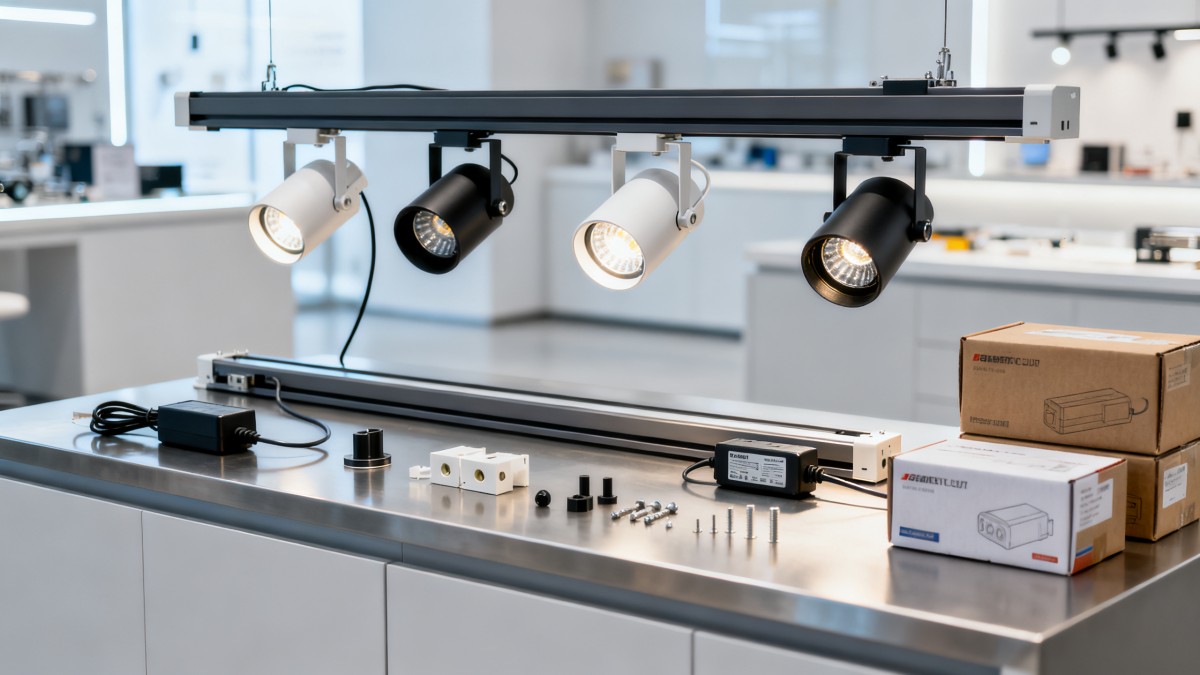
At first glance, many track lighting systems OEM quotations look similar. Unit prices may differ only slightly. The real gap usually appears after specification review.
In practice, cost overruns often come from omitted details. A lower quote may exclude drivers, adapters, dimming components, testing, or packaging upgrades.
Another common issue is comparing assemblies that are not technically equivalent. Two fixtures may share wattage and beam angle, yet differ in housing thickness, thermal design, and lifespan.
This matters more in retail, hospitality, and showroom environments. Lighting consistency, maintenance cycles, and visual comfort directly affect operating cost and brand presentation.
A disciplined track lighting systems OEM process starts with total installed cost, not just factory gate price. That includes freight, compliance, rejects, onsite labor, and replacement exposure.
The Most Common Cost Risks in Track Lighting Systems OEM Sourcing
Several cost risks show up repeatedly in track lighting systems OEM procurement. Most are avoidable when the RFQ package is specific enough.
1. Material substitutions hidden behind similar appearance
Aluminum grade, housing thickness, heat sink mass, and lens material affect both reliability and finish quality. These changes may not appear obvious in sample photos.
A cheaper alloy can reduce thermal performance. Lower-grade polycarbonate may yellow faster. Thin housings may deform during transport or installation.
2. Driver downgrades that shorten service life
Driver brand, surge protection, flicker control, and dimming compatibility are frequent weak points. Yet they are often buried in technical attachments.
In track lighting systems OEM projects, driver changes can create early failures, unstable dimming, and inconsistent color behavior across batches.
3. Incomplete accessory costing
Track adapters, connectors, end caps, suspension kits, emergency modules, and smart controls are sometimes priced separately. Initial quotations may not show the full system cost.
That creates a false comparison. One supplier appears cheaper, but the final bill rises once every project-required component is added.
4. Packaging and freight assumptions
Long track rails, delicate heads, and premium finishes are vulnerable in transit. Weak packaging increases breakage, cosmetic claims, and re-shipments.
For international orders, carton design and pallet efficiency also affect freight economics. A slightly larger box can raise shipping cost across every unit shipped.
5. Compliance gaps discovered late
UL, CE, EMC, RoHS, and market-specific electrical requirements cannot be treated as paperwork only. Missing or partial compliance can stop a project close to delivery.
Late-stage retesting is expensive. It also affects lead time, customs clearance, and project launch schedules.
The Specification Mistakes That Distort Supplier Comparison
Most track lighting systems OEM mistakes begin before the first quote arrives. The specification package is often too broad, too generic, or too optimistic.
Using wattage as the main benchmark
Wattage alone says little about delivered performance. Luminous efficacy, CBCP, beam control, CRI, TM-30 behavior, and glare control matter much more.
Two 20W fixtures can produce very different retail outcomes. One may create crisp accent lighting. The other may flatten merchandise and increase visual fatigue.
Ignoring track compatibility details
Not all tracks, adapters, and connectors work together. One-circuit, three-circuit, DALI, and magnetic systems have different mechanical and electrical requirements.
If compatibility is unclear, the installation team absorbs the problem later. That usually means delays, rework, and emergency component sourcing.
Leaving color consistency undefined
Color temperature alone is not enough. Track lighting systems OEM programs should define SDCM tolerance, color consistency by batch, and acceptable shift over time.
This is especially important in chain stores. Visual inconsistency across sites weakens merchandising standards and makes replacements harder to manage.
Failing to define finish quality
Matte black is not a complete finish specification. Surface texture, gloss range, scratch resistance, and batch color matching all affect installed appearance.
Without a finish standard, approval samples can look fine while mass production drifts. That creates disputes that are difficult to settle objectively.
How to Build a Better Track Lighting Systems OEM RFQ
A strong RFQ reduces ambiguity early. It also makes supplier comparison faster, cleaner, and more defensible during commercial review.
- Define system type clearly: surface, recessed, suspended, magnetic, or conventional track.
- State electrical standards: voltage, frequency, dimming protocol, and target certification market.
- List optical requirements: lumen output, beam angles, CRI, CCT, SDCM, UGR, and target application height.
- Specify mechanical details: housing material, finish, adapter type, aiming range, and mounting accessories.
- Request driver data: brand, lifespan, flicker performance, surge level, and dimming compatibility.
- Include test expectations: photometric report, safety files, aging test, salt spray if relevant, and sample validation rules.
- Separate mandatory items from optional upgrades, so pricing remains transparent.
When this structure is missing, suppliers fill gaps with assumptions. Those assumptions rarely align across vendors, which makes cost analysis unreliable.
A Practical Cost Comparison Framework
A useful track lighting systems OEM comparison should extend beyond unit cost. The smarter view is total cost of ownership over the project lifecycle.
This framework helps explain why the lowest track lighting systems OEM quote may become the highest-cost option after deployment.
Questions Worth Asking Every OEM Supplier
The strongest questions are specific, measurable, and hard to answer with marketing language. That is where better decisions start.
- Which components are made in-house, and which are outsourced?
- What driver brands are approved, and what triggers substitution?
- Can the supplier provide test reports linked to the quoted configuration?
- How is color consistency controlled across multiple production batches?
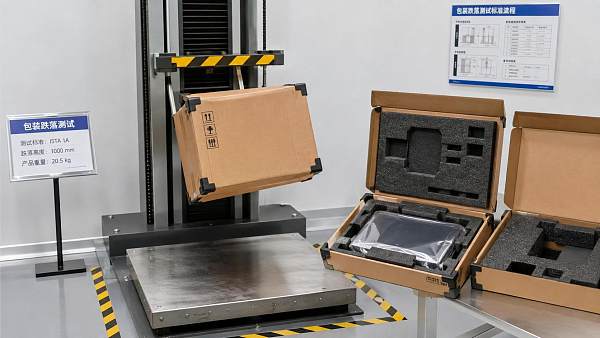
- What is the packaging drop-test method for exported track lighting systems OEM orders?
- What spare parts strategy supports chain rollout and future maintenance?
- Which claims have appeared most often in the past year, and how were they corrected?
Answers to these questions reveal operational maturity. They also expose where cost risk is being shifted downstream.
Final Takeaway for Better Sourcing Decisions
Track lighting systems OEM sourcing works best when specifications are precise, comparisons are normalized, and hidden downstream costs are made visible early.
The biggest mistakes are rarely dramatic. More often, they are small omissions that multiply across installation, freight, maintenance, and warranty exposure.
A sharper track lighting systems OEM process should document technical baselines, lock accessory scope, verify compatibility, and tie compliance evidence to the quoted bill of materials.
That approach leads to more accurate cost planning, fewer project surprises, and stronger long-term lighting performance across commercial environments.
For teams managing commercial lighting supply chains, better outcomes come from asking better questions before the first purchase order is released.
News Recommendations
 How to choose an ultra bright waterproof window display for storefronts
![51a6ab95581761cc26f4318be6520c15]()
Aris Katos
Future of Carbide Coatings
 How to verify suppliers on a trade portal for global sourcing
![51a6ab95581761cc26f4318be6520c15]()
Aris Katos
Future of Carbide Coatings
 How RoHS requirements should be stated in product specifications
![51a6ab95581761cc26f4318be6520c15]()
Aris Katos
Future of Carbide Coatings
 What affects the lead time for custom retail counter displays?
![51a6ab95581761cc26f4318be6520c15]()
Aris Katos
Future of Carbide Coatings
 What consumer packaging USA importers need to verify before ordering
![51a6ab95581761cc26f4318be6520c15]()
Aris Katos
Future of Carbide Coatings
 How commercial spaces interiors shape customer dwell time
![51a6ab95581761cc26f4318be6520c15]()
Aris Katos
Future of Carbide Coatings
 How LED commercial lighting design reduces glare in retail spaces
![51a6ab95581761cc26f4318be6520c15]()
Aris Katos
Future of Carbide Coatings
 How industrial technology information improves RFID inventory accuracy
![51a6ab95581761cc26f4318be6520c15]()
Aris Katos
Future of Carbide Coatings
 When drip garden watering systems make more sense than sprinklers
![51a6ab95581761cc26f4318be6520c15]()
Aris Katos
Future of Carbide Coatings
 When category comparison improves sourcing for industrial applications
![51a6ab95581761cc26f4318be6520c15]()
Aris Katos
Future of Carbide Coatings
 Industrial application guidance for selecting the right LED lighting
![51a6ab95581761cc26f4318be6520c15]()
Aris Katos
Future of Carbide Coatings
 Which commercial architecture standards apply to European retail fit-outs?
![51a6ab95581761cc26f4318be6520c15]()
Aris Katos
Future of Carbide Coatings
 How to verify FDA requirements for maternity care products
![51a6ab95581761cc26f4318be6520c15]()
Aris Katos
Future of Carbide Coatings
 How to verify BPA-free claims for food-contact products
![51a6ab95581761cc26f4318be6520c15]()
Aris Katos
Future of Carbide Coatings
 When does a European wholesale supplier suit modular office projects?
![51a6ab95581761cc26f4318be6520c15]()
Aris Katos
Future of Carbide Coatings
 When consumer ecosystem solutions improve the in-store shopping journey
![51a6ab95581761cc26f4318be6520c15]()
Aris Katos
Future of Carbide Coatings
 How a commercial developers network can reduce site selection risk
![51a6ab95581761cc26f4318be6520c15]()
Aris Katos
Future of Carbide Coatings
 How clear purchasing specifications prevent costly supplier deviations
![51a6ab95581761cc26f4318be6520c15]()
Aris Katos
Future of Carbide Coatings
 What an ISTA drop test lab checks before your packaging ships
![51a6ab95581761cc26f4318be6520c15]()
Aris Katos
Future of Carbide Coatings
 Which commercial furniture standards apply to workplace seating?
![51a6ab95581761cc26f4318be6520c15]()
Aris Katos
Future of Carbide Coatings
 How to evaluate smart lighting module OEM compatibility before sampling
![51a6ab95581761cc26f4318be6520c15]()
Aris Katos
Future of Carbide Coatings
 How to assess whether sustainable technology delivers real impact
![51a6ab95581761cc26f4318be6520c15]()
Aris Katos
Future of Carbide Coatings
 How to assess an OEM supplier’s quality control before ordering
![51a6ab95581761cc26f4318be6520c15]()
Aris Katos
Future of Carbide Coatings
 How consumer ecosystem solutions data can improve retail personalization
![51a6ab95581761cc26f4318be6520c15]()
Aris Katos
Future of Carbide Coatings
 When does consumer packaging design justify a higher product price?
![51a6ab95581761cc26f4318be6520c15]()
Aris Katos
Future of Carbide Coatings
 Supermarket Fixture Installation: Planning Layouts, Wiring, and Handover
![51a6ab95581761cc26f4318be6520c15]()
Aris Katos
Future of Carbide Coatings
 Automated Lighting and Smart Lighting Control in Bergerac: Key Project Considerations
![51a6ab95581761cc26f4318be6520c15]()
Aris Katos
Future of Carbide Coatings
 Segment Streetlight Controllers: Choosing Control Modes for Urban Roads
![51a6ab95581761cc26f4318be6520c15]()
Aris Katos
Future of Carbide Coatings
 IEC 62471-2 Explained: How to Assess Photobiological Risks in LED Lighting
![51a6ab95581761cc26f4318be6520c15]()
Aris Katos
Future of Carbide Coatings
 Food Grade Packaging Requirements by Product Type, Temperature, and Contact Risk
![51a6ab95581761cc26f4318be6520c15]()
Aris Katos
Future of Carbide Coatings
 Food Packaging Compliance Checklist: Tests, Records, and Labeling Before Shipment
![51a6ab95581761cc26f4318be6520c15]()
Aris Katos
Future of Carbide Coatings
 NSF Food Packaging Standards: When Certification Matters for Commercial Food Use
![51a6ab95581761cc26f4318be6520c15]()
Aris Katos
Future of Carbide Coatings
 FDA Food Grade Compliance: Which Materials and Documents Do Buyers Need?
![51a6ab95581761cc26f4318be6520c15]()
Aris Katos
Future of Carbide Coatings
 What Should a Food Grade Declaration Include for Packaging Compliance?
![51a6ab95581761cc26f4318be6520c15]()
Aris Katos
Future of Carbide Coatings
 Housewares Importing: How to Evaluate Suppliers, Costs, and Compliance Risks
![51a6ab95581761cc26f4318be6520c15]()
Aris Katos
Future of Carbide Coatings
 Why Freeze-Dried Fruit Ingredients Lose Crispness—and How to Prevent It
![51a6ab95581761cc26f4318be6520c15]()
Aris Katos
Future of Carbide Coatings
 What industry veterans look for before choosing a new supplier
![51a6ab95581761cc26f4318be6520c15]()
Aris Katos
Future of Carbide Coatings
 How material fatigue can shorten the service life of retail shelving
![51a6ab95581761cc26f4318be6520c15]()
Aris Katos
Future of Carbide Coatings
 What makes a global sourcing platform reliable for supplier verification?
![51a6ab95581761cc26f4318be6520c15]()
Aris Katos
Future of Carbide Coatings