
EU Mandates EN IEC 62368-3:2026 for Smart Lighting Controls
Time
Click Count
On June 27, 2026, the EU formally introduced EN IEC 62368-3:2026, with mandatory enforcement set for January 1, 2027. For companies selling Smart Lighting Controls into the EU market, this is not just a standards update but a new market-access condition tied to human interaction safety. Manufacturers, exporters, testing coordinators, and procurement teams should pay close attention because the change directly affects product assessment scope, export readiness, and submission routes involving laboratories such as TUV and SGS.
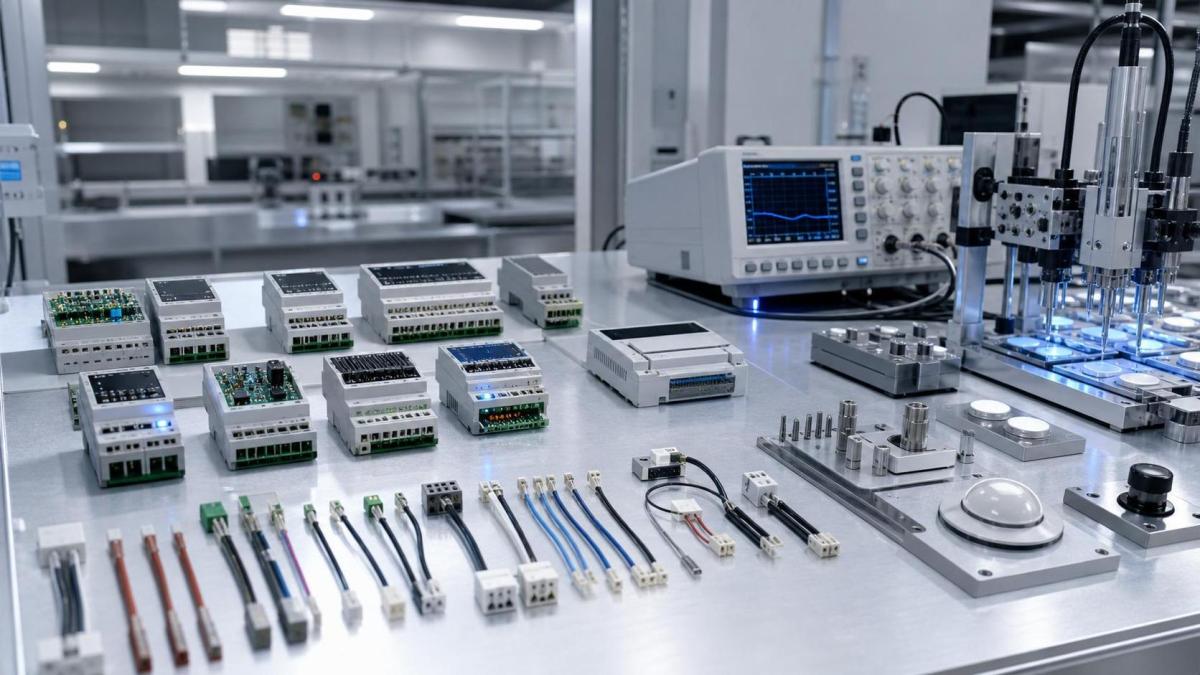
What the new requirement clearly covers
The published standard is EN IEC 62368-3:2026. According to the provided information, it was formally released by the EU on June 27, 2026 and will become mandatory from January 1, 2027.
The requirement applies to Smart Lighting Controls sold into the EU market, including controllers using DALI-2, Bluetooth Mesh, and Zigbee 3.0 protocols.
The new certification requirement adds a human-factor interaction safety assessment. The confirmed assessment items include mis-touch protection, audio-visual feedback delay of no more than 200 ms, and accessibility operation verification.
The provided information also states that this certification requirement will directly affect export market access for Chinese suppliers and their testing submission paths through TUV and SGS.
Where the impact is likely to be felt first
Export-facing manufacturers may see compliance work move earlier
From an industry perspective, manufacturers that design and ship Smart Lighting Controls for the EU are likely to feel the impact first because the new requirement is tied to whether products can enter that market. The immediate pressure point is likely to be product evaluation and certification preparation rather than routine sales activity alone.
Testing and certification coordination becomes a more practical bottleneck
Observably, companies managing submissions to third-party laboratories may need to pay closer attention to test scope and documentation flow. Because the provided information specifically mentions TUV and SGS submission paths, the operational effect is likely to appear in how products are prepared, scheduled, and presented for assessment.
Procurement and channel-side teams may need earlier confirmation from suppliers
For buyers, importers, and channel partners handling EU-bound products, the likely impact is not only technical but transactional. What deserves closer attention is whether suppliers can demonstrate readiness for the added human-factor interaction assessment, since that may affect qualification checks, shipment planning, and order confidence.
What companies should watch now
Separate confirmed rules from pending implementation detail
Analysis shows that the mandatory date and the listed assessment items are already the key confirmed points in the provided information. At the same time, companies should continue watching how official wording, interpretations, or testing procedures are presented in later documents, because implementation detail often determines actual workload.
Review affected product lines by protocol and destination market
Businesses with DALI-2, Bluetooth Mesh, or Zigbee 3.0 controllers intended for the EU should identify which models fall within the likely compliance scope. This is a practical screening step for certification planning, customer communication, and shipment timing.
Check whether current test preparation covers human interaction items
What deserves closer attention is whether existing internal validation and external submission materials already address mis-touch protection, audio-visual feedback response time, and accessibility-related operation checks. If not, teams may need to adjust validation sequences and handoff materials before sending products for assessment.
Prepare for customer and lab communication around timing
Because the provided information points directly to export access and TUV/SGS submission routes, companies should be ready to explain compliance status, expected test arrangements, and any effect on delivery planning. This is especially relevant for teams handling quotations, order confirmation, and cross-border project schedules.
Why this looks like more than a routine standards update
Analysis shows that this development is better understood as a concrete compliance signal rather than a speculative policy direction. The mandatory implementation date is already defined, and the new assessment focus moves beyond protocol or electrical compatibility questions into human interaction safety.
At the same time, it is still more appropriate to understand this as an evolving implementation topic rather than a fully settled operational picture. The confirmed facts establish the direction clearly, but the exact business impact for each company will depend on product scope, certification timing, and how testing bodies apply the requirements in practice.
How to read the change at this stage
For the industry, the main significance of EN IEC 62368-3:2026 is that EU access for Smart Lighting Controls will now be tied more explicitly to user interaction safety checks. That creates a practical checkpoint for exporters, manufacturers, buyers, and testing coordinators.
In neutral terms, this is best understood as an immediate compliance development with longer-term implications for product design review and certification workflow. It does not by itself define every downstream outcome, but it is specific enough that affected businesses should not treat it as a distant signal.
About the basis of this article
This article is based on the user-provided news title, event date, and event summary. The analysis above is limited to the confirmed information provided: the release of EN IEC 62368-3:2026 on June 27, 2026, its mandatory enforcement from January 1, 2027, the covered Smart Lighting Controls, the added human-factor interaction safety assessment items, and the stated impact on Chinese suppliers and TUV/SGS submission paths.
For this type of industry update, commonly relevant source categories may include official announcements, standard-setting documents, company notices, industry association releases, and reporting by authoritative media. A specific official source link was not provided in the input, so further verification is still needed. Continued monitoring should focus on any later official clarifications, testing interpretations, and implementation guidance related to the new requirement.
News Recommendations
 Report: Global Kraft Paper Market Forecast to Reach $20.5 Billion by 2033
![51a6ab95581761cc26f4318be6520c15]()
Aris Katos
Future of Carbide Coatings
 How to verify Zigbee compatibility when sourcing lighting sensors
![51a6ab95581761cc26f4318be6520c15]()
Aris Katos
Future of Carbide Coatings
 How do packaging customization options affect minimum order quantities in Europe?
![51a6ab95581761cc26f4318be6520c15]()
Aris Katos
Future of Carbide Coatings
 Transom to Acquire Cree LED in Commercial Lighting Ownership Change
![51a6ab95581761cc26f4318be6520c15]()
Aris Katos
Future of Carbide Coatings
 How to plan customer flow in commercial design planning
![51a6ab95581761cc26f4318be6520c15]()
Aris Katos
Future of Carbide Coatings
 USTR Urged to Permanently Suspend Fees on China-Linked Ships
![51a6ab95581761cc26f4318be6520c15]()
Aris Katos
Future of Carbide Coatings
 How to choose comparable stores for retail benchmarking
![51a6ab95581761cc26f4318be6520c15]()
Aris Katos
Future of Carbide Coatings
 How does anchoring affect modular building wind load resistance?
![51a6ab95581761cc26f4318be6520c15]()
Aris Katos
Future of Carbide Coatings
 Amazon Raises European FBA Surcharge to 2% in Ten Markets From November 2
![51a6ab95581761cc26f4318be6520c15]()
Aris Katos
Future of Carbide Coatings
 How to verify a BPA-free test report for baby products
![51a6ab95581761cc26f4318be6520c15]()
Aris Katos
Future of Carbide Coatings
 China's Mandatory Classroom Lighting Standard GB 7793-2025 Takes Effect November 1
![51a6ab95581761cc26f4318be6520c15]()
Aris Katos
Future of Carbide Coatings
 How order volume affects the price of wholesale poly mailers
![51a6ab95581761cc26f4318be6520c15]()
Aris Katos
Future of Carbide Coatings
 US Imposes 50% Tariff on Certain Canadian PET Resin Imports
![51a6ab95581761cc26f4318be6520c15]()
Aris Katos
Future of Carbide Coatings
 How to read the maximum ratings in a semiconductor datasheet
![51a6ab95581761cc26f4318be6520c15]()
Aris Katos
Future of Carbide Coatings
 University of Maryland Develops Bio-Based Packaging to Extend Avocado and Cucumber Shelf Life
![51a6ab95581761cc26f4318be6520c15]()
Aris Katos
Future of Carbide Coatings
 How to verify a cookware manufacturer's induction compatibility claims
![51a6ab95581761cc26f4318be6520c15]()
Aris Katos
Future of Carbide Coatings
 Omdia Forecasts 11.6% Annual Growth in LED Display Revenue Through 2030
![51a6ab95581761cc26f4318be6520c15]()
Aris Katos
Future of Carbide Coatings
 How to verify a pulp molding packaging factory's production capacity
![51a6ab95581761cc26f4318be6520c15]()
Aris Katos
Future of Carbide Coatings
 Curion Survey: Half of Consumers Frustrated by Sustainable Packaging
![51a6ab95581761cc26f4318be6520c15]()
Aris Katos
Future of Carbide Coatings
 How to assess the credibility of market insight content
![51a6ab95581761cc26f4318be6520c15]()
Aris Katos
Future of Carbide Coatings
 US Removes 50% Additional Tariff on Selected Canadian Packaging Products
![51a6ab95581761cc26f4318be6520c15]()
Aris Katos
Future of Carbide Coatings
 Will a waterproof dimmable LED driver work with your existing dimmer?
![51a6ab95581761cc26f4318be6520c15]()
Aris Katos
Future of Carbide Coatings
 Charter Next Generation Raises Film PCR Use 30%, Advances Food-Grade Applications
![51a6ab95581761cc26f4318be6520c15]()
Aris Katos
Future of Carbide Coatings
 How to choose a dog harness and leash for a dog that pulls hard
![51a6ab95581761cc26f4318be6520c15]()
Aris Katos
Future of Carbide Coatings
 How to respect local customs when negotiating with overseas suppliers
![51a6ab95581761cc26f4318be6520c15]()
Aris Katos
Future of Carbide Coatings
 RFID Recycling Challenges Bring Paper-Based and Chipless Tags Into Focus
![51a6ab95581761cc26f4318be6520c15]()
Aris Katos
Future of Carbide Coatings
 How to choose commercial lighting for offices that reduces glare
![51a6ab95581761cc26f4318be6520c15]()
Aris Katos
Future of Carbide Coatings
 Queue Launches Fully Automated Robotic Pharmacy Kiosk for 30-Second Dispensing
![51a6ab95581761cc26f4318be6520c15]()
Aris Katos
Future of Carbide Coatings
 Can your supermarket store fixtures supplier meet your opening date?
![51a6ab95581761cc26f4318be6520c15]()
Aris Katos
Future of Carbide Coatings
 Shopify POS UI Extensions 2026-10 Adds Virtual Lists and Custom Row Templates
![51a6ab95581761cc26f4318be6520c15]()
Aris Katos
Future of Carbide Coatings
 How to assess smart office furniture suppliers’ North American support
![51a6ab95581761cc26f4318be6520c15]()
Aris Katos
Future of Carbide Coatings
 Aqara Launches Smart Lighting Range to Advance AI Spatial Intelligence
![51a6ab95581761cc26f4318be6520c15]()
Aris Katos
Future of Carbide Coatings
 How to assess demand forecasts in a lighting intelligence report
![51a6ab95581761cc26f4318be6520c15]()
Aris Katos
Future of Carbide Coatings
 Billerud推出PharmaKraft纤维基医药包装材料
![51a6ab95581761cc26f4318be6520c15]()
Aris Katos
Future of Carbide Coatings
 How to assess supplier reliability in global supply chain sourcing
![51a6ab95581761cc26f4318be6520c15]()
Aris Katos
Future of Carbide Coatings
 Omdia Forecasts 11.6% CAGR for Global LED Video Display Market in 2026–2030
![51a6ab95581761cc26f4318be6520c15]()
Aris Katos
Future of Carbide Coatings
 How to verify an LFGB testing laboratory's accreditation scope
![51a6ab95581761cc26f4318be6520c15]()
Aris Katos
Future of Carbide Coatings
 How to assess a workplace interior supplier's installation scope
![51a6ab95581761cc26f4318be6520c15]()
Aris Katos
Future of Carbide Coatings
 What records are needed for an ISO 9001 furniture factory audit?
![51a6ab95581761cc26f4318be6520c15]()
Aris Katos
Future of Carbide Coatings







































