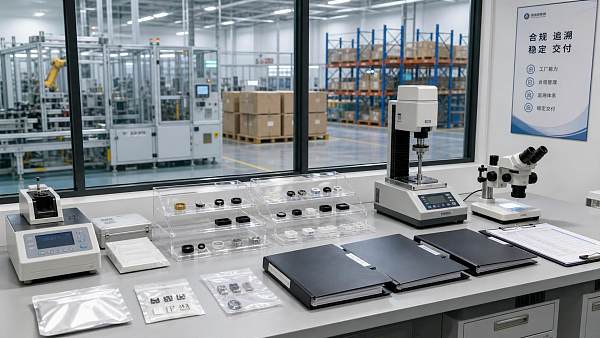
Manufacturer Capability Assessment: Key Risks Before Supplier Approval
Time
Click Count
Manufacturer Capability Assessment: Key Risks Before Supplier Approval

Before approving a supplier, a strong manufacturer capability assessment reveals risks that quotes and samples often hide.
It checks whether a factory can deliver consistent quality, compliant products, stable capacity, and dependable lead times.
That matters even more in global sourcing, where distance amplifies small process failures into expensive supply disruptions.
In practice, a manufacturer capability assessment is not a box-ticking audit. It is a decision tool for supplier approval.
For commercial interiors, consumer goods, retail technology, lighting, and packaging, the same principle applies.
You need evidence that production systems match the product risk, market standards, and growth expectations behind the program.
A weak assessment can approve the wrong supplier for the right project. That is usually where margin disappears.
Why Manufacturer Capability Assessment Matters Early
Many supplier problems start long before production. They begin during selection, when capability is assumed instead of verified.
A polished presentation may show modern machines, export history, and major customers. That still does not prove process control.
A proper manufacturer capability assessment connects visible assets with real operating discipline.
This is especially important when products require UL, CE, BIFMA, or retailer-specific compliance.
It also matters when suppliers promise customization, private label support, or rapid scale-up during peak seasons.
Early verification protects sourcing timelines, launch dates, warranty exposure, and the credibility of procurement decisions.
From a business standpoint, the assessment reduces uncertainty before commercial commitment, tooling investment, or contract award.
The Main Risks Hidden Behind a Factory Profile
The first risk is quality drift. A supplier may produce acceptable pilot samples but fail to hold repeatable mass production tolerances.
The second risk is compliance weakness. Certificates may exist, but document scope, renewal status, and test relevance may be incomplete.
The third risk is capacity mismatch. Installed capacity often looks impressive, yet practical output depends on labor stability and scheduling discipline.
The fourth risk is supply chain fragility. A factory can look strong while depending on unstable sub-suppliers for critical parts.
Another common issue is weak engineering change control. That creates confusion between approved samples and current production versions.
A manufacturer capability assessment should surface these gaps before they become purchase order problems.
Red Flags Worth Escalating
- Inconsistent answers about monthly output, overtime dependence, or scrap rates.
- Quality records that exist only for audits, not for daily management.
- Testing performed by experience alone, without documented methods or calibrated equipment.
- Heavy reliance on one engineer, one planner, or one external material source.
- Lead times that seem competitive but ignore packaging, inspection, or export preparation.
What a Reliable Manufacturer Capability Assessment Should Cover
A useful manufacturer capability assessment combines operational review, document validation, site observation, and risk scoring.
The goal is not to collect data for its own sake. The goal is to support supplier approval with decision-grade evidence.
That usually means checking five core areas.
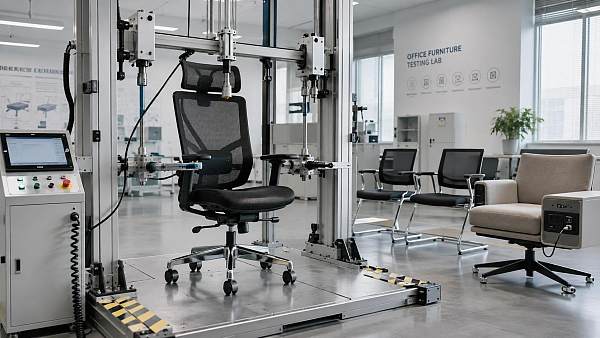
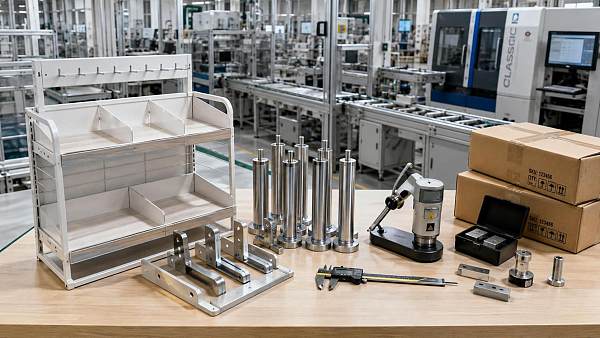
1. Production Capability
Review equipment fit, process flow, maintenance discipline, bottlenecks, and line balancing.
A factory should show how it handles both standard production and demand spikes without losing control.
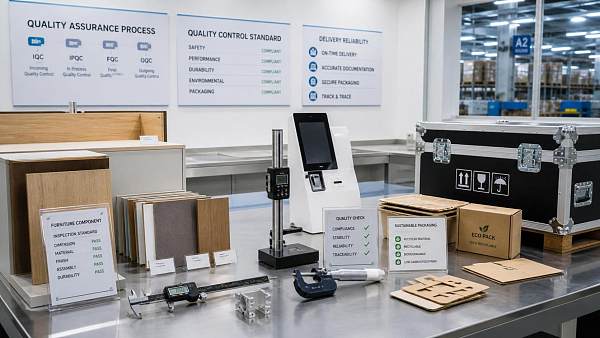
2. Quality Management
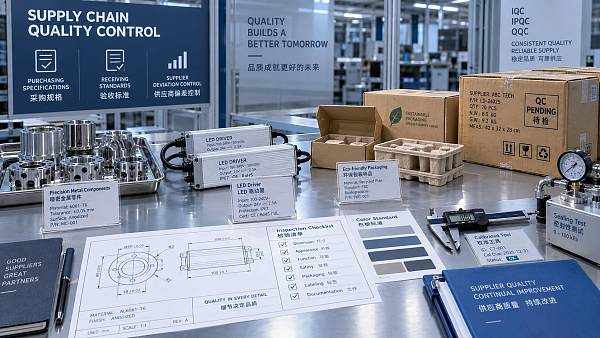
Check incoming inspection, in-process checks, final inspection, corrective action routines, and traceability.
Look for evidence that problems are measured, analyzed, and prevented from repeating.
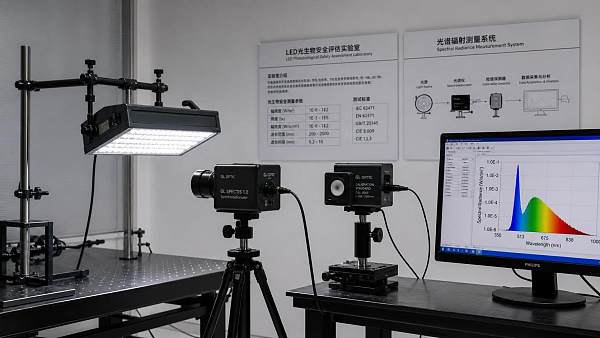
3. Compliance and Testing
Confirm product standards, material declarations, certification ownership, and laboratory capability.
A manufacturer capability assessment should verify whether compliance is built into the process, not added later.
4. Supply Continuity
Map critical materials, approved vendors, safety stock logic, and contingency plans.
This becomes more important when components are imported, customized, or exposed to commodity volatility.
5. Management Responsiveness
Assess how quickly the team responds to engineering changes, complaints, schedule shifts, and documentation requests.
Responsiveness is often the difference between a manageable issue and a delayed launch.
How to Turn Findings Into a Supplier Approval Decision
A manufacturer capability assessment only creates value when findings are tied to approval criteria.
In real sourcing programs, that means ranking issues by business impact, not by audit appearance.
For example, a missing visual board matters less than poor process validation for a safety-critical component.
A practical decision model usually has three outcomes.
- Approve: capability matches product risk, quality expectations, and delivery requirements.
- Approve with conditions: gaps exist, but closure plans are defined, dated, and monitored.
- Do not approve: unresolved risks threaten compliance, continuity, or commercial performance.
This approach keeps supplier approval grounded in evidence and aligned with commercial reality.
Sample Risk Review Table
Best Practices for Cross-Border Sourcing Teams
Cross-border sourcing adds language gaps, time zone delays, and documentation inconsistency.
That is why manufacturer capability assessment should combine local verification with global decision standards.
Recent market shifts make this even more relevant.
Factories are managing more customization, shorter runs, sustainability requirements, and tighter shipping windows.
That means older approval methods, based mainly on cost and samples, are no longer enough.
- Use a standardized manufacturer capability assessment framework across product categories.
- Separate critical risks from cosmetic findings to avoid slow, unclear approval decisions.
- Reassess suppliers when product complexity, compliance scope, or forecast volume changes.
- Benchmark factories against peers, not only against their own stated performance.
- Link assessment results to onboarding, trial orders, and performance review cycles.
A Smarter Way to Reduce Approval Risk
The best supplier decisions come from clear evidence, not optimism.
A disciplined manufacturer capability assessment helps uncover weak controls before they damage quality, delivery, or brand trust.
It also improves alignment between sourcing, engineering, compliance, and commercial leadership.
For organizations building resilient supply chains, this is not just a procurement step. It is risk management at the source.
Use manufacturer capability assessment early, score findings consistently, and tie approval to corrective evidence.
That approach leads to better supplier approval decisions, fewer surprises after award, and stronger long-term sourcing performance.
News Recommendations
 How to choose an ultra bright waterproof window display for storefronts
![51a6ab95581761cc26f4318be6520c15]()
Aris Katos
Future of Carbide Coatings
 How to verify suppliers on a trade portal for global sourcing
![51a6ab95581761cc26f4318be6520c15]()
Aris Katos
Future of Carbide Coatings
 How RoHS requirements should be stated in product specifications
![51a6ab95581761cc26f4318be6520c15]()
Aris Katos
Future of Carbide Coatings
 What affects the lead time for custom retail counter displays?
![51a6ab95581761cc26f4318be6520c15]()
Aris Katos
Future of Carbide Coatings
 What consumer packaging USA importers need to verify before ordering
![51a6ab95581761cc26f4318be6520c15]()
Aris Katos
Future of Carbide Coatings
 How commercial spaces interiors shape customer dwell time
![51a6ab95581761cc26f4318be6520c15]()
Aris Katos
Future of Carbide Coatings
 How LED commercial lighting design reduces glare in retail spaces
![51a6ab95581761cc26f4318be6520c15]()
Aris Katos
Future of Carbide Coatings
 How industrial technology information improves RFID inventory accuracy
![51a6ab95581761cc26f4318be6520c15]()
Aris Katos
Future of Carbide Coatings
 When drip garden watering systems make more sense than sprinklers
![51a6ab95581761cc26f4318be6520c15]()
Aris Katos
Future of Carbide Coatings
 When category comparison improves sourcing for industrial applications
![51a6ab95581761cc26f4318be6520c15]()
Aris Katos
Future of Carbide Coatings
 Industrial application guidance for selecting the right LED lighting
![51a6ab95581761cc26f4318be6520c15]()
Aris Katos
Future of Carbide Coatings
 Which commercial architecture standards apply to European retail fit-outs?
![51a6ab95581761cc26f4318be6520c15]()
Aris Katos
Future of Carbide Coatings
 How to verify FDA requirements for maternity care products
![51a6ab95581761cc26f4318be6520c15]()
Aris Katos
Future of Carbide Coatings
 How to verify BPA-free claims for food-contact products
![51a6ab95581761cc26f4318be6520c15]()
Aris Katos
Future of Carbide Coatings
 When does a European wholesale supplier suit modular office projects?
![51a6ab95581761cc26f4318be6520c15]()
Aris Katos
Future of Carbide Coatings
 When consumer ecosystem solutions improve the in-store shopping journey
![51a6ab95581761cc26f4318be6520c15]()
Aris Katos
Future of Carbide Coatings
 How a commercial developers network can reduce site selection risk
![51a6ab95581761cc26f4318be6520c15]()
Aris Katos
Future of Carbide Coatings
 How clear purchasing specifications prevent costly supplier deviations
![51a6ab95581761cc26f4318be6520c15]()
Aris Katos
Future of Carbide Coatings
 What an ISTA drop test lab checks before your packaging ships
![51a6ab95581761cc26f4318be6520c15]()
Aris Katos
Future of Carbide Coatings
 Which commercial furniture standards apply to workplace seating?
![51a6ab95581761cc26f4318be6520c15]()
Aris Katos
Future of Carbide Coatings
 How to evaluate smart lighting module OEM compatibility before sampling
![51a6ab95581761cc26f4318be6520c15]()
Aris Katos
Future of Carbide Coatings
 How to assess whether sustainable technology delivers real impact
![51a6ab95581761cc26f4318be6520c15]()
Aris Katos
Future of Carbide Coatings
 How to assess an OEM supplier’s quality control before ordering
![51a6ab95581761cc26f4318be6520c15]()
Aris Katos
Future of Carbide Coatings
 How consumer ecosystem solutions data can improve retail personalization
![51a6ab95581761cc26f4318be6520c15]()
Aris Katos
Future of Carbide Coatings
 When does consumer packaging design justify a higher product price?
![51a6ab95581761cc26f4318be6520c15]()
Aris Katos
Future of Carbide Coatings
 Supermarket Fixture Installation: Planning Layouts, Wiring, and Handover
![51a6ab95581761cc26f4318be6520c15]()
Aris Katos
Future of Carbide Coatings
 Automated Lighting and Smart Lighting Control in Bergerac: Key Project Considerations
![51a6ab95581761cc26f4318be6520c15]()
Aris Katos
Future of Carbide Coatings
 Segment Streetlight Controllers: Choosing Control Modes for Urban Roads
![51a6ab95581761cc26f4318be6520c15]()
Aris Katos
Future of Carbide Coatings
 IEC 62471-2 Explained: How to Assess Photobiological Risks in LED Lighting
![51a6ab95581761cc26f4318be6520c15]()
Aris Katos
Future of Carbide Coatings
 Food Grade Packaging Requirements by Product Type, Temperature, and Contact Risk
![51a6ab95581761cc26f4318be6520c15]()
Aris Katos
Future of Carbide Coatings
 Food Packaging Compliance Checklist: Tests, Records, and Labeling Before Shipment
![51a6ab95581761cc26f4318be6520c15]()
Aris Katos
Future of Carbide Coatings
 NSF Food Packaging Standards: When Certification Matters for Commercial Food Use
![51a6ab95581761cc26f4318be6520c15]()
Aris Katos
Future of Carbide Coatings
 FDA Food Grade Compliance: Which Materials and Documents Do Buyers Need?
![51a6ab95581761cc26f4318be6520c15]()
Aris Katos
Future of Carbide Coatings
 What Should a Food Grade Declaration Include for Packaging Compliance?
![51a6ab95581761cc26f4318be6520c15]()
Aris Katos
Future of Carbide Coatings
 Housewares Importing: How to Evaluate Suppliers, Costs, and Compliance Risks
![51a6ab95581761cc26f4318be6520c15]()
Aris Katos
Future of Carbide Coatings
 Why Freeze-Dried Fruit Ingredients Lose Crispness—and How to Prevent It
![51a6ab95581761cc26f4318be6520c15]()
Aris Katos
Future of Carbide Coatings
 What industry veterans look for before choosing a new supplier
![51a6ab95581761cc26f4318be6520c15]()
Aris Katos
Future of Carbide Coatings
 How material fatigue can shorten the service life of retail shelving
![51a6ab95581761cc26f4318be6520c15]()
Aris Katos
Future of Carbide Coatings
 What makes a global sourcing platform reliable for supplier verification?
![51a6ab95581761cc26f4318be6520c15]()
Aris Katos
Future of Carbide Coatings