Data Transparency in Retail: What Matters
Time
Click Count
Data transparency in retail is no longer optional for complex commercial ecosystems. It affects sourcing, store technology, packaging, compliance, and customer trust across every stage of value creation.
When data is clear, verified, and connected, decisions become faster and safer. When it is fragmented, hidden, or inconsistent, costs rise and operational blind spots multiply.
For modern retail environments, the real question is not whether transparency matters. The question is which data points matter most, and how they should be used.
What does data transparency in retail actually mean?

Data transparency in retail means accessible, reliable, and traceable information across products, suppliers, stores, systems, and post-sale performance.
It is not only about publishing numbers. It is about proving where data comes from, how current it is, and whether it supports action.
In practical terms, data transparency in retail covers five connected layers:
- Product specifications and material composition
- Factory, supplier, and logistics traceability
- Store equipment, fixtures, and technology performance
- Compliance records, testing reports, and certifications
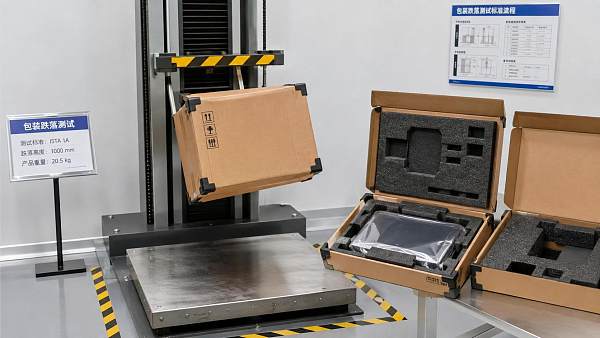
- Environmental impact, packaging, and lifecycle metrics
This broader view matters because retail is no longer only shelf-level merchandising. It is now a network of digital systems, physical environments, and supply chain evidence.
Why is data transparency in retail becoming a business priority?
Three forces are driving this shift. The first is regulatory pressure. Markets increasingly expect documented compliance, material disclosure, and product safety verification.
The second is operational complexity. Cross-border sourcing, smart store systems, and multi-vendor fit-outs create more data handoffs and more room for error.
The third is customer expectation. Buyers, investors, and brand partners now question origin, durability, sustainability, and system integrity.
Strong data transparency in retail helps organizations do the following:
- Reduce sourcing and compliance risk
- Compare vendors using evidence, not claims
- Improve rollout speed for store projects
- Identify underperforming materials or hardware
- Support ESG and sustainability reporting
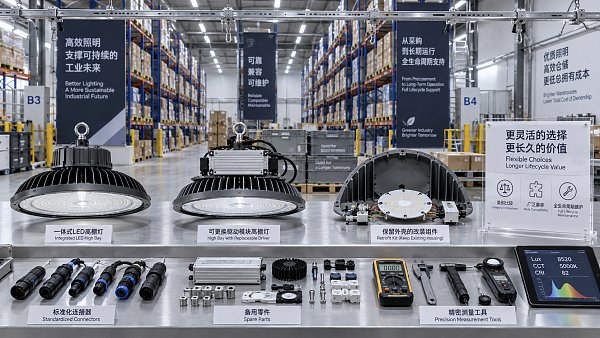
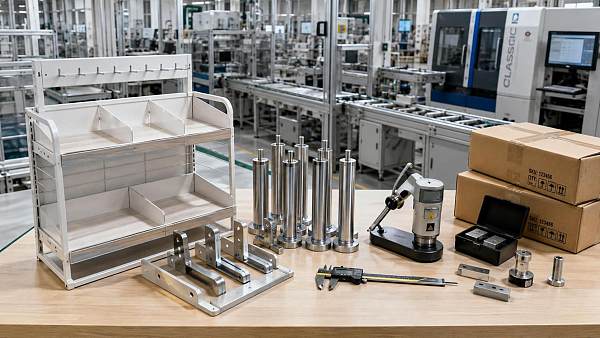
This is especially relevant in integrated sectors such as furniture, POS, lighting, signage, and packaging, where technical details shape both safety and customer experience.
Which data points matter most in retail transparency?
Not all data has equal value. High-impact transparency starts with decision-critical information that changes cost, risk, speed, or brand performance.
1. Product and material data
Material grade, dimensions, fire performance, finish durability, and recyclability are essential. Missing details often create expensive redesigns or failed approvals.
2. Certification and testing data
UL, CE, BIFMA, and similar standards matter because they translate technical claims into recognized benchmarks. Verifiable reports are stronger than marketing sheets.
3. Supply chain origin data
Source location, factory capability, batch records, and logistics milestones support continuity planning. This is vital during disruptions, shortages, or quality investigations.
4. Smart retail performance data
POS uptime, sensor accuracy, software compatibility, maintenance cycles, and cybersecurity status are core to transparent retail technology decisions.
5. Sustainability and packaging data
Recycled content, packaging weight, disposal pathways, and emissions-related indicators influence compliance, transport efficiency, and environmental credibility.
The best data transparency in retail combines these categories into one consistent decision framework rather than isolated spreadsheets.
How can businesses judge whether retail data is truly trustworthy?
Retail data looks useful on paper, but trust depends on quality. Transparent data should be current, complete, comparable, and independently supported where needed.
A simple review model can help:
Data transparency in retail is not about volume. It is about decision fitness. More data does not help if it cannot be validated or compared.
Benchmarking platforms such as G-BCE add value by aligning hardware, materials, and system performance with international standards and commercial context.
What are the biggest risks and common mistakes?
One major mistake is treating transparency as a branding exercise. Public claims without operational backing can increase legal and reputational exposure.
Another mistake is focusing only on finished goods. In reality, risk often sits upstream in raw materials, subcomponents, firmware, and packaging layers.
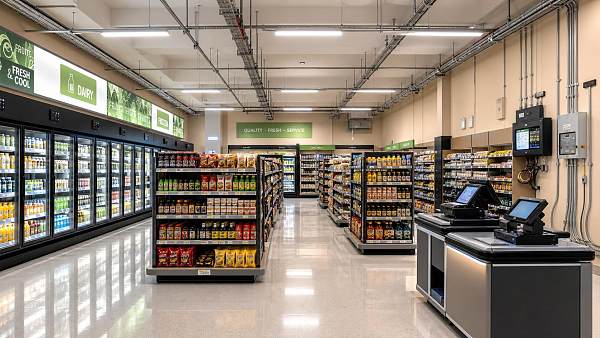
A third mistake is ignoring physical retail infrastructure. Store fixtures, lighting, digital signage, and checkout systems all require transparent technical records.
Common transparency gaps include:
- Outdated compliance documents
- Unclear component substitutions
- No lifecycle or maintenance data
- Poor links between store systems and supply records
- Sustainability claims without measurable indicators
These issues weaken forecasting, delay approvals, and make issue resolution slower. In high-volume retail programs, even small data gaps can scale into major cost exposure.
How should organizations implement data transparency in retail effectively?
The most effective approach starts small and builds structure. Trying to digitize everything at once usually creates noise instead of clarity.
A practical implementation path includes five steps:
- Map critical data across sourcing, stores, and packaging.
- Prioritize high-risk categories and recurring project bottlenecks.
- Define one standard for naming, versioning, and evidence.
- Use benchmarking to compare suppliers and technical options.
- Review data quality regularly, not only during audits.
This is where cross-sector intelligence matters. Retail outcomes depend on the connection between commercial furniture, smart systems, lighting, signage, and packaging.
Data transparency in retail becomes more useful when teams can compare durability, compliance, installation timelines, and sustainability metrics across these categories.
FAQ summary: what matters most when evaluating retail transparency?
The future of commercial ecosystems depends on trustworthy information. Data transparency in retail strengthens resilience, improves technical selection, and supports better long-term investment decisions.
The next step is to identify which data already exists, which gaps carry the highest risk, and which benchmarks can turn raw information into strategic insight.
In a market shaped by smart infrastructure and sustainable sourcing, clear evidence is no longer a supporting detail. It is part of the retail foundation itself.
News Recommendations
 How to prevent O-rings and seals from failing in food equipment
![51a6ab95581761cc26f4318be6520c15]()
Aris Katos
Future of Carbide Coatings
 How to compare commercial linear light wholesale quotes accurately
![51a6ab95581761cc26f4318be6520c15]()
Aris Katos
Future of Carbide Coatings
 How to verify international standards compliance for Middle East exports
![51a6ab95581761cc26f4318be6520c15]()
Aris Katos
Future of Carbide Coatings
 How to select laboratory instruments for reproducible test results
![51a6ab95581761cc26f4318be6520c15]()
Aris Katos
Future of Carbide Coatings
 When does a sheet metal prototype reveal design flaws early?
![51a6ab95581761cc26f4318be6520c15]()
Aris Katos
Future of Carbide Coatings
 When PE air column bags reduce damage in e-commerce fulfillment
![51a6ab95581761cc26f4318be6520c15]()
Aris Katos
Future of Carbide Coatings
 How energy-efficient design reduces operating costs in retail lighting
![51a6ab95581761cc26f4318be6520c15]()
Aris Katos
Future of Carbide Coatings
 When commercial aluminum storefronts make sense for a retail renovation
![51a6ab95581761cc26f4318be6520c15]()
Aris Katos
Future of Carbide Coatings
 What makes LED lights durable in high-use commercial spaces?
![51a6ab95581761cc26f4318be6520c15]()
Aris Katos
Future of Carbide Coatings
 Which industry categories offer the strongest export potential in Latin America?
![51a6ab95581761cc26f4318be6520c15]()
Aris Katos
Future of Carbide Coatings
 How to choose an ultra bright waterproof window display for storefronts
![51a6ab95581761cc26f4318be6520c15]()
Aris Katos
Future of Carbide Coatings
 How to verify suppliers on a trade portal for global sourcing
![51a6ab95581761cc26f4318be6520c15]()
Aris Katos
Future of Carbide Coatings
 How RoHS requirements should be stated in product specifications
![51a6ab95581761cc26f4318be6520c15]()
Aris Katos
Future of Carbide Coatings
 What affects the lead time for custom retail counter displays?
![51a6ab95581761cc26f4318be6520c15]()
Aris Katos
Future of Carbide Coatings
 What consumer packaging USA importers need to verify before ordering
![51a6ab95581761cc26f4318be6520c15]()
Aris Katos
Future of Carbide Coatings
 How commercial spaces interiors shape customer dwell time
![51a6ab95581761cc26f4318be6520c15]()
Aris Katos
Future of Carbide Coatings
 How LED commercial lighting design reduces glare in retail spaces
![51a6ab95581761cc26f4318be6520c15]()
Aris Katos
Future of Carbide Coatings
 How industrial technology information improves RFID inventory accuracy
![51a6ab95581761cc26f4318be6520c15]()
Aris Katos
Future of Carbide Coatings
 When drip garden watering systems make more sense than sprinklers
![51a6ab95581761cc26f4318be6520c15]()
Aris Katos
Future of Carbide Coatings
 When category comparison improves sourcing for industrial applications
![51a6ab95581761cc26f4318be6520c15]()
Aris Katos
Future of Carbide Coatings
 Industrial application guidance for selecting the right LED lighting
![51a6ab95581761cc26f4318be6520c15]()
Aris Katos
Future of Carbide Coatings
 Which commercial architecture standards apply to European retail fit-outs?
![51a6ab95581761cc26f4318be6520c15]()
Aris Katos
Future of Carbide Coatings
 How to verify FDA requirements for maternity care products
![51a6ab95581761cc26f4318be6520c15]()
Aris Katos
Future of Carbide Coatings
 How to verify BPA-free claims for food-contact products
![51a6ab95581761cc26f4318be6520c15]()
Aris Katos
Future of Carbide Coatings
 When does a European wholesale supplier suit modular office projects?
![51a6ab95581761cc26f4318be6520c15]()
Aris Katos
Future of Carbide Coatings
 When consumer ecosystem solutions improve the in-store shopping journey
![51a6ab95581761cc26f4318be6520c15]()
Aris Katos
Future of Carbide Coatings
 How a commercial developers network can reduce site selection risk
![51a6ab95581761cc26f4318be6520c15]()
Aris Katos
Future of Carbide Coatings
 How clear purchasing specifications prevent costly supplier deviations
![51a6ab95581761cc26f4318be6520c15]()
Aris Katos
Future of Carbide Coatings
 What an ISTA drop test lab checks before your packaging ships
![51a6ab95581761cc26f4318be6520c15]()
Aris Katos
Future of Carbide Coatings
 Which commercial furniture standards apply to workplace seating?
![51a6ab95581761cc26f4318be6520c15]()
Aris Katos
Future of Carbide Coatings
 How to evaluate smart lighting module OEM compatibility before sampling
![51a6ab95581761cc26f4318be6520c15]()
Aris Katos
Future of Carbide Coatings
 How to assess whether sustainable technology delivers real impact
![51a6ab95581761cc26f4318be6520c15]()
Aris Katos
Future of Carbide Coatings
 How to assess an OEM supplier’s quality control before ordering
![51a6ab95581761cc26f4318be6520c15]()
Aris Katos
Future of Carbide Coatings
 How consumer ecosystem solutions data can improve retail personalization
![51a6ab95581761cc26f4318be6520c15]()
Aris Katos
Future of Carbide Coatings
 When does consumer packaging design justify a higher product price?
![51a6ab95581761cc26f4318be6520c15]()
Aris Katos
Future of Carbide Coatings
 Supermarket Fixture Installation: Planning Layouts, Wiring, and Handover
![51a6ab95581761cc26f4318be6520c15]()
Aris Katos
Future of Carbide Coatings
 Automated Lighting and Smart Lighting Control in Bergerac: Key Project Considerations
![51a6ab95581761cc26f4318be6520c15]()
Aris Katos
Future of Carbide Coatings
 Segment Streetlight Controllers: Choosing Control Modes for Urban Roads
![51a6ab95581761cc26f4318be6520c15]()
Aris Katos
Future of Carbide Coatings
 IEC 62471-2 Explained: How to Assess Photobiological Risks in LED Lighting
![51a6ab95581761cc26f4318be6520c15]()
Aris Katos
Future of Carbide Coatings