Lighting Benefits That Improve Comfort, Mood, and Visibility
Time
Click Count
Why lighting benefits matter long before a space feels “finished”
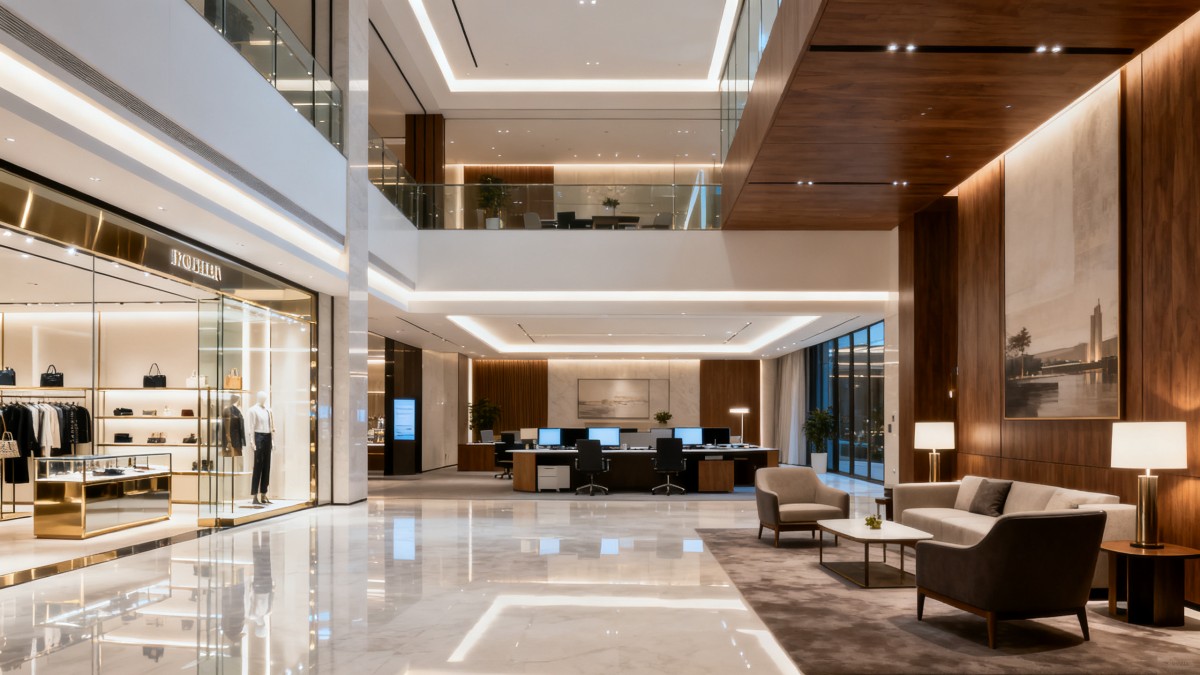
Lighting benefits are often noticed late, yet they shape comfort, mood, and visibility from the first moment a space is used.
That is true in homes, retail floors, offices, hospitality settings, and mixed commercial environments.
A brighter fixture alone does not guarantee better results. Real performance depends on task type, dwell time, surface materials, glare control, and visual contrast.
In practical planning, lighting benefits become a business issue as much as a design decision.
They affect how long people stay, how easily products are seen, how relaxed staff feel, and how safely movement happens.
That broader view matters in modern commercial ecosystems, where lighting must support brand experience, operating efficiency, and technical compliance at the same time.
Platforms such as G-BCE frame this well by connecting lighting choices with international benchmarks, commercial hardware performance, and long-term spatial usability.
The key is not asking whether good lighting matters. The better question is where its benefits show up differently, and what should guide each decision.
Actual use conditions change what lighting benefits look like
Different spaces ask for different outcomes. A checkout zone needs fast recognition. A lounge area needs calm. A workstation needs steady clarity over time.
This is why lighting benefits should be judged by use patterns, not by fixture catalogs alone.
In actual applications, three variables usually reshape the decision:
- How long people stay in the space and whether visual fatigue builds during that period.
- Whether the main goal is atmosphere, accuracy, safety, merchandise appeal, or all of them together.
- How finishes, shelving, digital screens, and natural light change reflection and contrast.
A polished retail floor, matte office desk, and reflective packaging wall do not respond to light in the same way.
That is why lighting benefits in one setting can disappear in another, even with similar brightness levels.
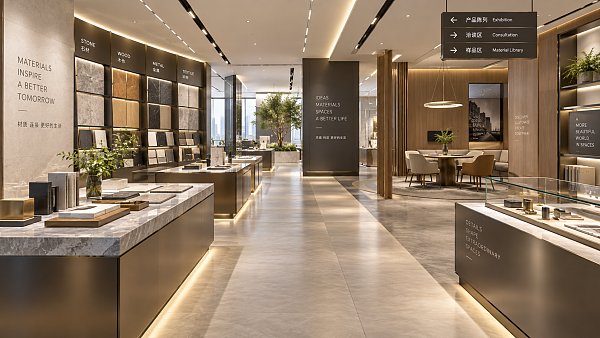
Retail and display areas need visibility without visual pressure
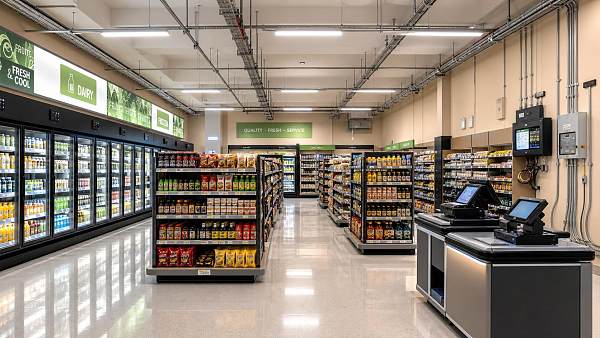
In stores, lighting benefits are tied to quick recognition and emotional response.
People should notice product shape, color, and price cues quickly, but they should not feel pushed away by harsh contrast.
This balance becomes harder in spaces that mix shelves, digital signage, glass, and metallic packaging.
More light is not always better. When glare hits screens or glossy product surfaces, visibility drops even if measured output rises.
A common mistake is using one uniform lighting layer across the full floor.
That approach may flatten product hierarchy and weaken shopper orientation.
A better method is to separate ambient lighting from focal lighting.
Ambient light maintains comfort. Accent light supports display contrast. Transition zones protect the eye from abrupt brightness jumps.
Where retail design connects with smart technology, the lighting plan should also account for POS visibility, camera performance, and digital shelf readability.
Work settings depend on comfort that lasts through the day
In offices, studios, service counters, and back-of-house work areas, lighting benefits are less about drama and more about endurance.
The goal is clear vision without constant adjustment from the eyes.
This matters even more when workstations combine paper tasks, monitors, handheld devices, and face-to-face interaction.
Poor lighting here often shows up gradually. Eye strain, low concentration, and posture changes may appear before anyone blames the lighting system.
Good lighting benefits in these settings usually come from consistency.
That includes balanced brightness, controlled shadow, limited flicker, and color rendering that supports accurate reading of materials and screens.
When furniture, partitions, and reflective desktops are involved, fixture placement matters as much as lamp specification.
This is where benchmarking across commercial furniture, smart devices, and lighting hardware becomes useful rather than theoretical.
Spaces perform better when these elements are evaluated together, not in isolation.
Homes, hospitality, and waiting areas lean more on mood and transition
Some of the most valuable lighting benefits appear in spaces where people are expected to relax, linger, or reset.
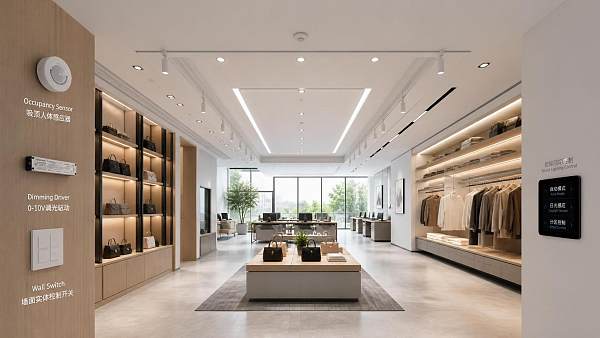
In living rooms, hotel lounges, fitting rooms, and reception areas, the visual task is rarely fixed.
People may read, talk, browse products, or simply wait. That makes flexibility more important than peak brightness.
Warmth, softness, and gradual visual transitions support mood, but they should not reduce recognition of faces, finishes, or directional cues.
This is where layered lighting tends to deliver stronger results than a single central source.
Wall washing can soften boundaries. Table lighting adds intimacy. Targeted vertical light helps orientation and prevents a flat, dim impression.
An overlooked issue is contrast between calm zones and circulation areas.
If lounge lighting is too low compared with adjacent corridors, the atmosphere may feel elegant at first but uncomfortable after repeated visual adaptation.
Different settings change the judging criteria
The same lighting benefits can carry different weight depending on how the space is used.
A simple comparison helps clarify what should be prioritized.
This kind of comparison keeps lighting benefits tied to use conditions instead of generic performance claims.
Where projects often misread the real need
Several misjudgments appear across sectors, especially when lighting is selected late in the planning process.
- Treating similar rooms as identical, even when dwell time and tasks differ.
- Choosing by wattage or brightness only, without checking glare, beam spread, and surface reflectance.
- Ignoring maintenance access, replacement cycles, and control compatibility.
- Focusing on opening-day appearance while neglecting long-term comfort and operating consistency.
- Separating lighting decisions from furniture, signage, packaging color, and digital displays.
In commercial environments, these oversights can weaken both experience quality and operational efficiency.
That is why standards, compatibility, and cross-category benchmarking deserve attention early.
When lighting, fixtures, and retail technology are aligned, the benefits become more measurable and more durable.
A practical way to match lighting benefits to the space
Before finalizing any lighting direction, it helps to define the scene in operational terms rather than decorative terms.
A useful decision path usually includes the following checks:
- Map the primary visual task in each zone, including movement, reading, display viewing, and screen interaction.
- Review how materials reflect light, especially glass, polished metals, glossy packaging, and laminated furniture.
- Compare day and night conditions if daylight enters the space unevenly.
- Check whether controls allow adjustment for time, traffic, or activity changes.
- Confirm relevant standards and hardware compatibility before scaling across multiple sites.
This approach keeps lighting benefits connected to comfort, mood, and visibility without reducing the decision to aesthetics alone.
It also supports the larger goal of building spaces that perform well across sourcing, implementation, and daily use.
When the next review starts, begin with actual use scenarios, then compare technical options, maintenance limits, and spatial expectations side by side.
That is usually where the most meaningful lighting benefits become clear.
News Recommendations
 What consumer packaging USA importers need to verify before ordering
![51a6ab95581761cc26f4318be6520c15]()
Aris Katos
Future of Carbide Coatings
 How commercial spaces interiors shape customer dwell time
![51a6ab95581761cc26f4318be6520c15]()
Aris Katos
Future of Carbide Coatings
 How LED commercial lighting design reduces glare in retail spaces
![51a6ab95581761cc26f4318be6520c15]()
Aris Katos
Future of Carbide Coatings
 How industrial technology information improves RFID inventory accuracy
![51a6ab95581761cc26f4318be6520c15]()
Aris Katos
Future of Carbide Coatings
 When drip garden watering systems make more sense than sprinklers
![51a6ab95581761cc26f4318be6520c15]()
Aris Katos
Future of Carbide Coatings
 When category comparison improves sourcing for industrial applications
![51a6ab95581761cc26f4318be6520c15]()
Aris Katos
Future of Carbide Coatings
 Industrial application guidance for selecting the right LED lighting
![51a6ab95581761cc26f4318be6520c15]()
Aris Katos
Future of Carbide Coatings
 Which commercial architecture standards apply to European retail fit-outs?
![51a6ab95581761cc26f4318be6520c15]()
Aris Katos
Future of Carbide Coatings
 How to verify FDA requirements for maternity care products
![51a6ab95581761cc26f4318be6520c15]()
Aris Katos
Future of Carbide Coatings
 How to verify BPA-free claims for food-contact products
![51a6ab95581761cc26f4318be6520c15]()
Aris Katos
Future of Carbide Coatings
 When does a European wholesale supplier suit modular office projects?
![51a6ab95581761cc26f4318be6520c15]()
Aris Katos
Future of Carbide Coatings
 When consumer ecosystem solutions improve the in-store shopping journey
![51a6ab95581761cc26f4318be6520c15]()
Aris Katos
Future of Carbide Coatings
 How a commercial developers network can reduce site selection risk
![51a6ab95581761cc26f4318be6520c15]()
Aris Katos
Future of Carbide Coatings
 How clear purchasing specifications prevent costly supplier deviations
![51a6ab95581761cc26f4318be6520c15]()
Aris Katos
Future of Carbide Coatings
 What an ISTA drop test lab checks before your packaging ships
![51a6ab95581761cc26f4318be6520c15]()
Aris Katos
Future of Carbide Coatings
 Which commercial furniture standards apply to workplace seating?
![51a6ab95581761cc26f4318be6520c15]()
Aris Katos
Future of Carbide Coatings
 How to evaluate smart lighting module OEM compatibility before sampling
![51a6ab95581761cc26f4318be6520c15]()
Aris Katos
Future of Carbide Coatings
 How to assess whether sustainable technology delivers real impact
![51a6ab95581761cc26f4318be6520c15]()
Aris Katos
Future of Carbide Coatings
 How to assess an OEM supplier’s quality control before ordering
![51a6ab95581761cc26f4318be6520c15]()
Aris Katos
Future of Carbide Coatings
 How consumer ecosystem solutions data can improve retail personalization
![51a6ab95581761cc26f4318be6520c15]()
Aris Katos
Future of Carbide Coatings
 When does consumer packaging design justify a higher product price?
![51a6ab95581761cc26f4318be6520c15]()
Aris Katos
Future of Carbide Coatings
 Supermarket Fixture Installation: Planning Layouts, Wiring, and Handover
![51a6ab95581761cc26f4318be6520c15]()
Aris Katos
Future of Carbide Coatings
 Automated Lighting and Smart Lighting Control in Bergerac: Key Project Considerations
![51a6ab95581761cc26f4318be6520c15]()
Aris Katos
Future of Carbide Coatings
 Segment Streetlight Controllers: Choosing Control Modes for Urban Roads
![51a6ab95581761cc26f4318be6520c15]()
Aris Katos
Future of Carbide Coatings
 IEC 62471-2 Explained: How to Assess Photobiological Risks in LED Lighting
![51a6ab95581761cc26f4318be6520c15]()
Aris Katos
Future of Carbide Coatings
 Food Grade Packaging Requirements by Product Type, Temperature, and Contact Risk
![51a6ab95581761cc26f4318be6520c15]()
Aris Katos
Future of Carbide Coatings
 Food Packaging Compliance Checklist: Tests, Records, and Labeling Before Shipment
![51a6ab95581761cc26f4318be6520c15]()
Aris Katos
Future of Carbide Coatings
 NSF Food Packaging Standards: When Certification Matters for Commercial Food Use
![51a6ab95581761cc26f4318be6520c15]()
Aris Katos
Future of Carbide Coatings
 FDA Food Grade Compliance: Which Materials and Documents Do Buyers Need?
![51a6ab95581761cc26f4318be6520c15]()
Aris Katos
Future of Carbide Coatings
 What Should a Food Grade Declaration Include for Packaging Compliance?
![51a6ab95581761cc26f4318be6520c15]()
Aris Katos
Future of Carbide Coatings
 Housewares Importing: How to Evaluate Suppliers, Costs, and Compliance Risks
![51a6ab95581761cc26f4318be6520c15]()
Aris Katos
Future of Carbide Coatings
 Why Freeze-Dried Fruit Ingredients Lose Crispness—and How to Prevent It
![51a6ab95581761cc26f4318be6520c15]()
Aris Katos
Future of Carbide Coatings
 What industry veterans look for before choosing a new supplier
![51a6ab95581761cc26f4318be6520c15]()
Aris Katos
Future of Carbide Coatings
 How material fatigue can shorten the service life of retail shelving
![51a6ab95581761cc26f4318be6520c15]()
Aris Katos
Future of Carbide Coatings
 What makes a global sourcing platform reliable for supplier verification?
![51a6ab95581761cc26f4318be6520c15]()
Aris Katos
Future of Carbide Coatings
 When are double platinum spark plugs a better choice than iridium?
![51a6ab95581761cc26f4318be6520c15]()
Aris Katos
Future of Carbide Coatings
 How to assess a POS terminal manufacturer in Europe for long-term support
![51a6ab95581761cc26f4318be6520c15]()
Aris Katos
Future of Carbide Coatings
 How data transparency in retail helps prevent inventory discrepancies
![51a6ab95581761cc26f4318be6520c15]()
Aris Katos
Future of Carbide Coatings
 What makes a product comparison guide actually useful for buying decisions
![51a6ab95581761cc26f4318be6520c15]()
Aris Katos
Future of Carbide Coatings