How a Manufacturing Directory Helps Find High-Quality Suppliers
Time
Click Count
Why does a manufacturing directory matter when supplier quality is hard to judge?

Finding dependable sourcing options rarely starts with a catalog alone. It usually starts with structured information that helps separate real capability from polished presentation.
That is where a manufacturing directory with high-quality suppliers becomes useful. It shortens early research and makes supplier comparison more evidence-based.
In practical terms, a good directory does more than list factory names. It organizes certifications, production strengths, export experience, material standards, and category focus in one place.
For cross-sector sourcing, this matters even more. Commercial interiors, retail hardware, consumer packaging, and smart devices all carry different compliance and durability expectations.
A useful manufacturing directory with high-quality suppliers helps researchers compare these differences before contacting anyone. That reduces wasted outreach and highlights stronger candidates earlier.
This is also why intelligence-driven platforms such as G-BCE stand out. They connect supplier discovery with technical benchmarking across furniture, retail technology, lighting, packaging, and consumer supply chains.
Instead of treating sourcing as a price hunt, the better approach is to view it as a performance and risk decision. A directory gives that process a clearer starting point.
What should a manufacturing directory with high-quality suppliers actually show?
Not every directory deserves trust. Some are little more than listings. Others help users test whether a supplier can meet real production and compliance expectations.
A stronger directory usually includes details that support verification, not just discovery. The difference seems small at first, but it changes sourcing outcomes.
A manufacturing directory with high-quality suppliers should make these signals easy to compare. If the platform hides them, supplier quality becomes guesswork again.
In sectors tied to commercial spaces, this transparency matters because appearance, structural performance, and regulatory compliance are closely linked.
Who benefits most from using one across different industries?
The value is not limited to one product segment. A manufacturing directory with high-quality suppliers is especially helpful when several sourcing categories influence one final environment.
Consider a retail rollout. Furniture, digital checkout hardware, lighting components, signs, and sustainable packaging may all need coordinated quality standards.
When information is scattered, evaluation becomes slow and inconsistent. One source may offer technical data, another only sales language, and another nothing verifiable at all.
A cross-sector directory solves that by keeping comparison logic consistent. It lets users review technical depth, compliance readiness, and manufacturing maturity across multiple categories.
This is particularly relevant in ecosystems shaped by physical retail upgrades and consumer product circulation. G-BCE reflects that broader view through its five-pillar structure.
- Commercial furniture and fixtures require ergonomic, structural, and finish consistency.
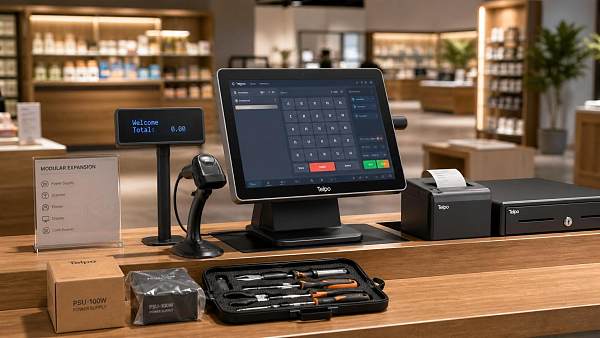
- Smart retail technology depends on electronics quality, software compatibility, and certification fit.
- Consumer goods supply chains need repeatability, traceability, and packaging coordination.
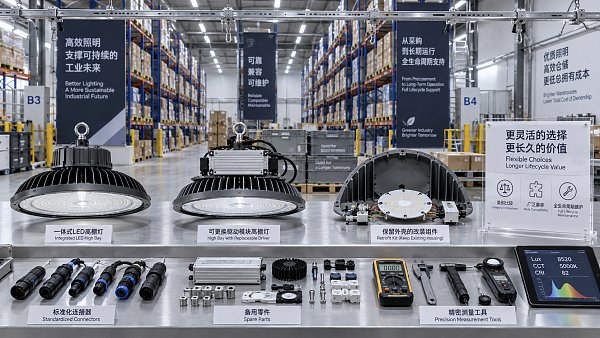
- Lighting and signage must balance visual impact with safety and installation realities.
- Sustainable packaging adds material claims, lifecycle concerns, and market-specific compliance questions.
In that setting, a manufacturing directory with high-quality suppliers is less about convenience and more about decision quality across connected categories.
How do you tell the difference between a useful directory and a superficial one?
A common mistake is assuming that a long supplier list equals better coverage. In reality, large volume without verification often creates more screening work.
The better question is whether the directory supports judgment. Can it help users understand fit, not just existence?
A superficial directory usually relies on broad claims such as premium quality, fast delivery, or competitive pricing. Those phrases do not help much during early evaluation.
A stronger manufacturing directory with high-quality suppliers tends to show evidence. It may include benchmark references, production scope, compliance context, and clearer category segmentation.
Another clue is how well the platform handles standards. If UL, CE, or BIFMA appear only as keywords, that is weak. If they appear within relevant product context, that is more credible.
It also helps to see whether the directory understands commercial use cases. A supplier suitable for decorative consumer items may not be suitable for contract-grade installations.
In actual sourcing research, the most useful directories make it easier to ask sharper follow-up questions. That is often the clearest sign of value.
What risks can still remain even with a manufacturing directory with high-quality suppliers?
A directory improves visibility, but it does not remove every sourcing risk. It should guide evaluation, not replace it.
The first risk is outdated information. Certifications expire, production lines change, and ownership structures can shift without obvious notice.
The second risk is overgeneralization. A supplier may be excellent in one category and average in another, even within the same factory group.
There is also the issue of scale mismatch. A supplier with strong technical credentials may still be unsuitable for the order size, timeline, or customization level required.
Need a quick screening checklist? The following points usually catch the most common gaps before formal engagement begins.
- Confirm whether listed certifications apply to the exact product family.
- Check if production capacity matches rollout timing, not just annual output claims.
- Review material and finish consistency for the intended commercial environment.
- Ask for recent export references in similar destination markets.
- Verify testing, packaging, and labeling requirements before sampling.
So yes, a manufacturing directory with high-quality suppliers lowers research friction. Still, smart users treat it as the first filter in a larger qualification process.
What is the smartest next step after identifying promising suppliers?
Once a shortlist forms, the goal changes. The task is no longer discovery. It becomes structured validation against project needs, compliance demands, and supply resilience.
Start by defining the application clearly. A product for premium retail display, public-facing technology, or eco-sensitive packaging may require very different performance priorities.
Then compare shortlisted entries using the same scorecard. Keep the criteria practical and tied to real implementation conditions.
This is where platforms shaped like G-BCE offer added value. They connect supplier research with benchmarking logic, helping users interpret standards, materials, and category fit more accurately.
A reliable manufacturing directory with high-quality suppliers is most effective when paired with disciplined next steps, such as sample review, compliance confirmation, and lead-time validation.
If the objective is long-term sourcing confidence, focus less on the fastest option and more on repeatable performance. That is usually where the strongest supply relationships begin.
A sensible next move is to map required standards, compare shortlisted suppliers by category strength, and note any gaps in documentation, materials, or production readiness before outreach continues.
News Recommendations
 What consumer packaging USA importers need to verify before ordering
![51a6ab95581761cc26f4318be6520c15]()
Aris Katos
Future of Carbide Coatings
 How commercial spaces interiors shape customer dwell time
![51a6ab95581761cc26f4318be6520c15]()
Aris Katos
Future of Carbide Coatings
 How LED commercial lighting design reduces glare in retail spaces
![51a6ab95581761cc26f4318be6520c15]()
Aris Katos
Future of Carbide Coatings
 How industrial technology information improves RFID inventory accuracy
![51a6ab95581761cc26f4318be6520c15]()
Aris Katos
Future of Carbide Coatings
 When drip garden watering systems make more sense than sprinklers
![51a6ab95581761cc26f4318be6520c15]()
Aris Katos
Future of Carbide Coatings
 When category comparison improves sourcing for industrial applications
![51a6ab95581761cc26f4318be6520c15]()
Aris Katos
Future of Carbide Coatings
 Industrial application guidance for selecting the right LED lighting
![51a6ab95581761cc26f4318be6520c15]()
Aris Katos
Future of Carbide Coatings
 Which commercial architecture standards apply to European retail fit-outs?
![51a6ab95581761cc26f4318be6520c15]()
Aris Katos
Future of Carbide Coatings
 How to verify FDA requirements for maternity care products
![51a6ab95581761cc26f4318be6520c15]()
Aris Katos
Future of Carbide Coatings
 How to verify BPA-free claims for food-contact products
![51a6ab95581761cc26f4318be6520c15]()
Aris Katos
Future of Carbide Coatings
 When does a European wholesale supplier suit modular office projects?
![51a6ab95581761cc26f4318be6520c15]()
Aris Katos
Future of Carbide Coatings
 When consumer ecosystem solutions improve the in-store shopping journey
![51a6ab95581761cc26f4318be6520c15]()
Aris Katos
Future of Carbide Coatings
 How a commercial developers network can reduce site selection risk
![51a6ab95581761cc26f4318be6520c15]()
Aris Katos
Future of Carbide Coatings
 How clear purchasing specifications prevent costly supplier deviations
![51a6ab95581761cc26f4318be6520c15]()
Aris Katos
Future of Carbide Coatings
 What an ISTA drop test lab checks before your packaging ships
![51a6ab95581761cc26f4318be6520c15]()
Aris Katos
Future of Carbide Coatings
 Which commercial furniture standards apply to workplace seating?
![51a6ab95581761cc26f4318be6520c15]()
Aris Katos
Future of Carbide Coatings
 How to evaluate smart lighting module OEM compatibility before sampling
![51a6ab95581761cc26f4318be6520c15]()
Aris Katos
Future of Carbide Coatings
 How to assess whether sustainable technology delivers real impact
![51a6ab95581761cc26f4318be6520c15]()
Aris Katos
Future of Carbide Coatings
 How to assess an OEM supplier’s quality control before ordering
![51a6ab95581761cc26f4318be6520c15]()
Aris Katos
Future of Carbide Coatings
 How consumer ecosystem solutions data can improve retail personalization
![51a6ab95581761cc26f4318be6520c15]()
Aris Katos
Future of Carbide Coatings
 When does consumer packaging design justify a higher product price?
![51a6ab95581761cc26f4318be6520c15]()
Aris Katos
Future of Carbide Coatings
 Supermarket Fixture Installation: Planning Layouts, Wiring, and Handover
![51a6ab95581761cc26f4318be6520c15]()
Aris Katos
Future of Carbide Coatings
 Automated Lighting and Smart Lighting Control in Bergerac: Key Project Considerations
![51a6ab95581761cc26f4318be6520c15]()
Aris Katos
Future of Carbide Coatings
 Segment Streetlight Controllers: Choosing Control Modes for Urban Roads
![51a6ab95581761cc26f4318be6520c15]()
Aris Katos
Future of Carbide Coatings
 IEC 62471-2 Explained: How to Assess Photobiological Risks in LED Lighting
![51a6ab95581761cc26f4318be6520c15]()
Aris Katos
Future of Carbide Coatings
 Food Grade Packaging Requirements by Product Type, Temperature, and Contact Risk
![51a6ab95581761cc26f4318be6520c15]()
Aris Katos
Future of Carbide Coatings
 Food Packaging Compliance Checklist: Tests, Records, and Labeling Before Shipment
![51a6ab95581761cc26f4318be6520c15]()
Aris Katos
Future of Carbide Coatings
 NSF Food Packaging Standards: When Certification Matters for Commercial Food Use
![51a6ab95581761cc26f4318be6520c15]()
Aris Katos
Future of Carbide Coatings
 FDA Food Grade Compliance: Which Materials and Documents Do Buyers Need?
![51a6ab95581761cc26f4318be6520c15]()
Aris Katos
Future of Carbide Coatings
 What Should a Food Grade Declaration Include for Packaging Compliance?
![51a6ab95581761cc26f4318be6520c15]()
Aris Katos
Future of Carbide Coatings
 Housewares Importing: How to Evaluate Suppliers, Costs, and Compliance Risks
![51a6ab95581761cc26f4318be6520c15]()
Aris Katos
Future of Carbide Coatings
 Why Freeze-Dried Fruit Ingredients Lose Crispness—and How to Prevent It
![51a6ab95581761cc26f4318be6520c15]()
Aris Katos
Future of Carbide Coatings
 What industry veterans look for before choosing a new supplier
![51a6ab95581761cc26f4318be6520c15]()
Aris Katos
Future of Carbide Coatings
 How material fatigue can shorten the service life of retail shelving
![51a6ab95581761cc26f4318be6520c15]()
Aris Katos
Future of Carbide Coatings
 What makes a global sourcing platform reliable for supplier verification?
![51a6ab95581761cc26f4318be6520c15]()
Aris Katos
Future of Carbide Coatings
 When are double platinum spark plugs a better choice than iridium?
![51a6ab95581761cc26f4318be6520c15]()
Aris Katos
Future of Carbide Coatings
 How to assess a POS terminal manufacturer in Europe for long-term support
![51a6ab95581761cc26f4318be6520c15]()
Aris Katos
Future of Carbide Coatings
 How data transparency in retail helps prevent inventory discrepancies
![51a6ab95581761cc26f4318be6520c15]()
Aris Katos
Future of Carbide Coatings
 What makes a product comparison guide actually useful for buying decisions
![51a6ab95581761cc26f4318be6520c15]()
Aris Katos
Future of Carbide Coatings