Handling Technology Basics: Key Systems and Common Use Cases
Time
Click Count
Why does handling technology matter in everyday commercial systems?
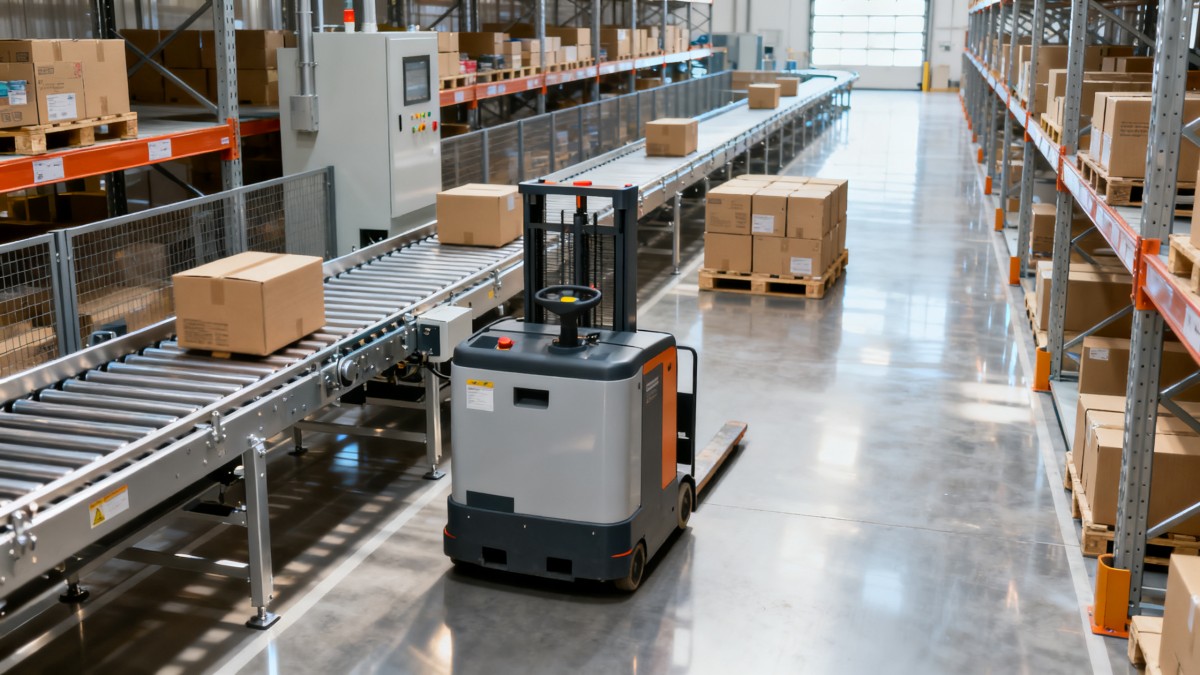
Handling technology sounds technical, but the idea is practical. It covers the systems that move, support, position, store, or protect goods and equipment during daily operations.
In retail, logistics, and supply chain environments, handling technology helps reduce friction. That may mean faster shelf replenishment, safer backroom movement, or fewer damaged products in transit.
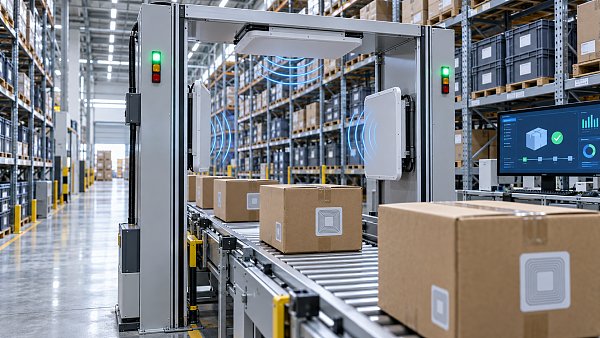
It also connects physical operations with digital intelligence. A cart, lift, conveyor, rack, scanner mount, or smart handling unit can all become part of a more responsive commercial space.
This is why handling technology often appears in broader discussions about modern retail infrastructure. It influences space planning, labor efficiency, maintenance cycles, and customer-facing consistency.
From the perspective of G-BCE, the topic sits between hardware performance and operational design. It links commercial fixtures, smart retail technology, and supply chain execution in one working system.
That makes handling technology more than an equipment category. It is part of how commercial environments become safer, smarter, and easier to scale across different sites.
What counts as handling technology, and what does it usually include?
A common question is whether handling technology only refers to warehouse machinery. In practice, the scope is wider and includes both manual and automated support systems.
The basic group includes transport, lifting, positioning, storage assistance, and protection. Some systems are simple. Others are integrated with sensors, software, and compliance requirements.
- Manual tools such as trolleys, carts, pallet jacks, and mobile bins.
- Mechanical systems such as lifts, rollers, dock equipment, and modular conveyors.
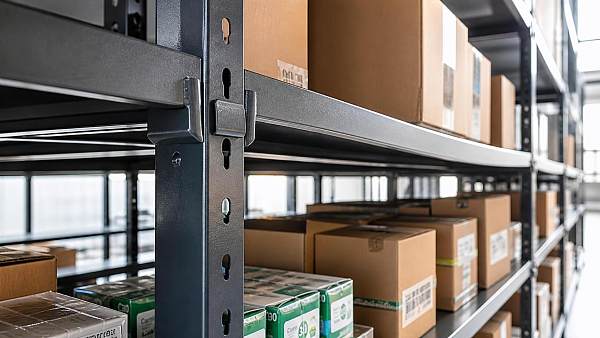
- Fixed support structures such as shelving, fixtures, racks, and ergonomic workstations.
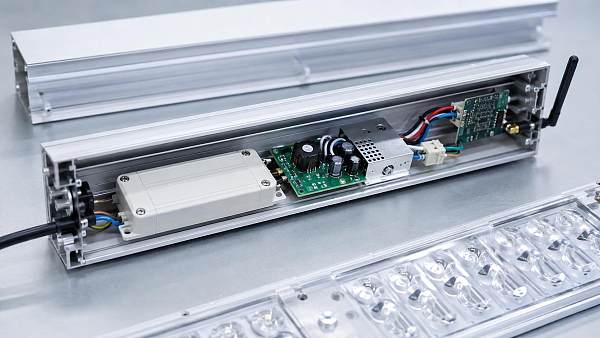
- Smart handling technology with sensors, tracking, and system-to-system data feedback.
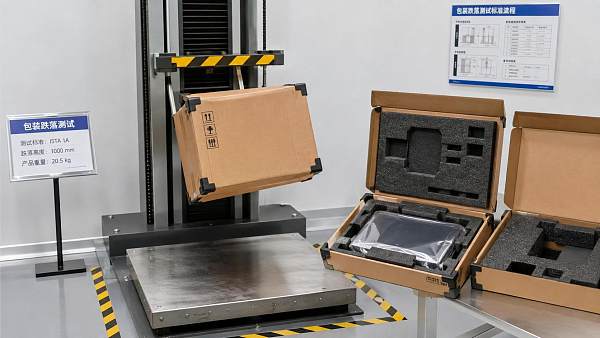
- Protective packaging and movement aids that reduce damage during internal or external transport.
What matters most is the function. If a system helps control movement, reduce strain, improve access, or stabilize product flow, it usually belongs in the handling technology conversation.
In commercial interiors, the category often overlaps with furniture and fixtures. In supply chains, it overlaps with packaging, loading, picking, and equipment utilization.
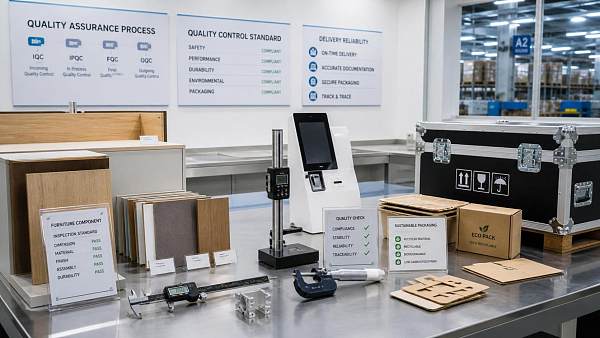
That overlap is exactly why benchmarking matters. G-BCE often frames these systems by performance, durability, safety standards, and fit with real commercial use conditions.
Where is handling technology used most often, and what problems does it solve?
Handling technology appears in more places than many people expect. It is not limited to industrial warehouses or large distribution hubs.
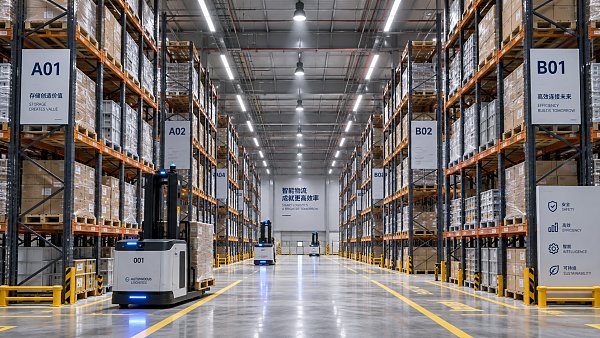
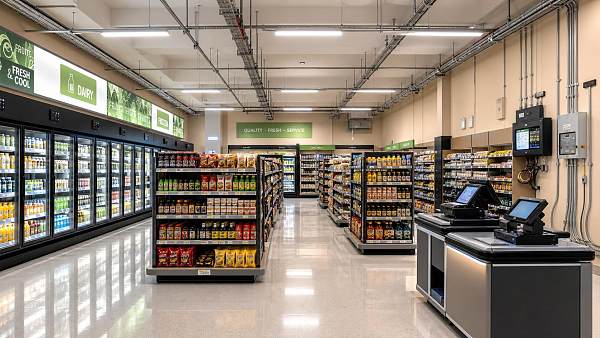
In stores, it supports stock movement from receiving zones to shelves. In showrooms, it may support modular displays, mobile fixtures, and safer product repositioning.
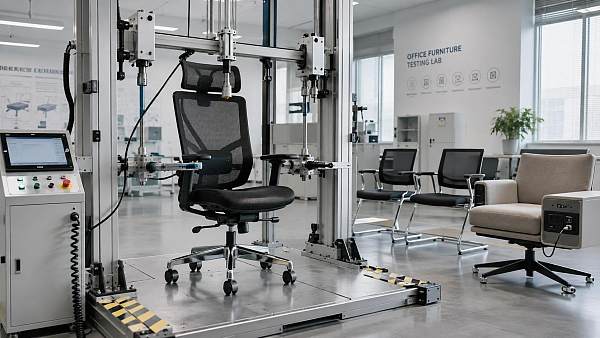
In office and service environments, handling technology can mean ergonomic workstation movement, archive storage assistance, or smart equipment support that reduces manual strain.
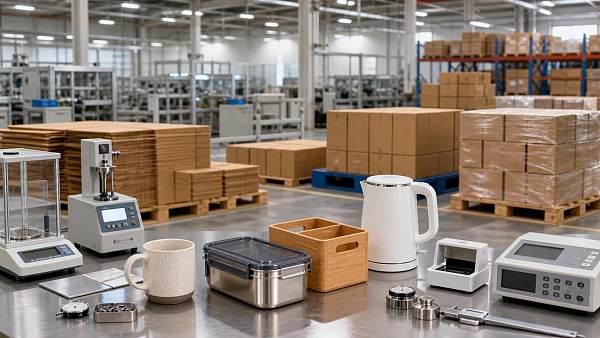
In consumer goods supply chains, the role becomes even more visible. Handling technology helps protect packaging integrity, improve load stability, and support predictable throughput.
The most common problems it solves include:
- Repeated handling that increases labor time.
- Product damage during movement or temporary storage.
- Poor space use in backrooms, loading areas, or retail floors.
- Inconsistent workflows between locations.
- Safety risks caused by overreaching, lifting, or unstable loading.
A useful way to think about handling technology is this: it removes unnecessary motion while improving control. That applies whether the item being moved is a carton, fixture, device, or finished consumer product.
How do you judge whether a handling technology system is suitable?
Suitability is rarely about one feature. A system may look efficient on paper but fail in daily use because of poor fit, difficult maintenance, or weak compliance support.
A better evaluation starts with operating conditions. Consider load type, frequency of movement, floor condition, user interaction, and how the system fits into adjacent equipment.
The table below summarizes a practical way to assess handling technology before comparing brands or technical options.
In actual projects, the better question is not “What is the most advanced option?” It is “What handling technology gives stable results with the least operational friction?”
That is where technical benchmarking becomes useful. Comparing systems against recognized standards helps filter out attractive but unsuitable solutions.
What are the most common mistakes when comparing handling technology options?
Many selection errors happen because handling technology is treated as a simple accessory. In reality, small mismatches can create repeated cost and workflow issues.
One common mistake is focusing only on purchase price. Lower upfront cost may mean shorter service life, more maintenance, or poor compatibility with commercial layouts.
Another issue is ignoring the relationship between handling technology and surrounding systems. A good cart may still fail if aisles are too narrow or storage heights are wrong.
It is also easy to underestimate standards. Equipment that lacks credible testing or material consistency may create safety, warranty, or deployment problems across regions.
The following checks help reduce those risks:
- Review total use cost, not just unit price.
- Confirm maintenance access and spare part availability.
- Test movement paths with actual loads and route widths.
- Check whether the system supports regional compliance needs.
- Compare material finish, wear resistance, and cleaning suitability.
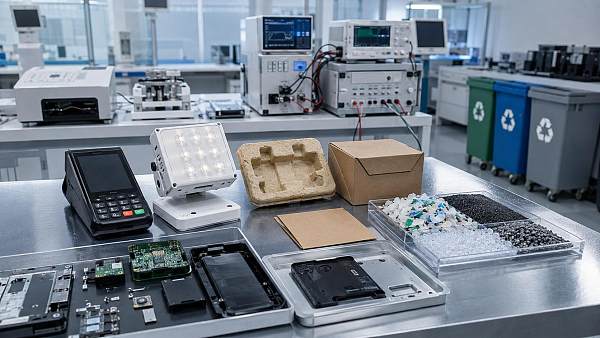
Where G-BCE adds value is in cross-sector comparison. The same handling technology may perform differently when used in premium retail, backroom logistics, or sustainable packaging workflows.
How should handling technology be planned for cost, rollout, and long-term performance?
Cost planning should begin with operating impact. If handling technology reduces touches, lowers breakage, or improves replenishment speed, the value often appears beyond the equipment itself.
Rollout timing depends on complexity. Simple systems may be deployed quickly. Integrated handling technology with software links, ergonomic redesign, or layout changes needs more careful sequencing.
A practical rollout usually includes site review, sample testing, standards check, user feedback, and phased implementation. This approach catches hidden friction before full expansion.
Long-term performance is shaped by maintenance discipline and realistic usage assumptions. Overloading, poor cleaning routines, and unplanned modifications often shorten service life.
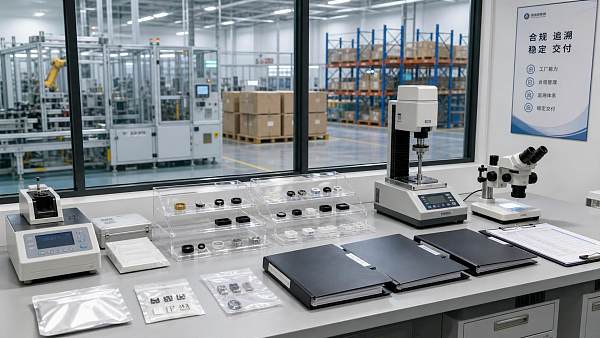
For that reason, handling technology should be documented like any other critical commercial hardware. Performance data, inspection intervals, and replacement criteria should be defined early.
If the goal is resilient commercial infrastructure, the next step is usually clear. Map the handling points across the space, compare current friction areas, and evaluate which systems need better fit, stronger standards, or smarter integration.
Handling technology works best when it is treated as part of the whole ecosystem. That means looking at movement, fixtures, packaging, digital tools, and user experience as connected decisions rather than isolated purchases.
News Recommendations
 What consumer packaging USA importers need to verify before ordering
![51a6ab95581761cc26f4318be6520c15]()
Aris Katos
Future of Carbide Coatings
 How commercial spaces interiors shape customer dwell time
![51a6ab95581761cc26f4318be6520c15]()
Aris Katos
Future of Carbide Coatings
 How LED commercial lighting design reduces glare in retail spaces
![51a6ab95581761cc26f4318be6520c15]()
Aris Katos
Future of Carbide Coatings
 How industrial technology information improves RFID inventory accuracy
![51a6ab95581761cc26f4318be6520c15]()
Aris Katos
Future of Carbide Coatings
 When drip garden watering systems make more sense than sprinklers
![51a6ab95581761cc26f4318be6520c15]()
Aris Katos
Future of Carbide Coatings
 When category comparison improves sourcing for industrial applications
![51a6ab95581761cc26f4318be6520c15]()
Aris Katos
Future of Carbide Coatings
 Industrial application guidance for selecting the right LED lighting
![51a6ab95581761cc26f4318be6520c15]()
Aris Katos
Future of Carbide Coatings
 Which commercial architecture standards apply to European retail fit-outs?
![51a6ab95581761cc26f4318be6520c15]()
Aris Katos
Future of Carbide Coatings
 How to verify FDA requirements for maternity care products
![51a6ab95581761cc26f4318be6520c15]()
Aris Katos
Future of Carbide Coatings
 How to verify BPA-free claims for food-contact products
![51a6ab95581761cc26f4318be6520c15]()
Aris Katos
Future of Carbide Coatings
 When does a European wholesale supplier suit modular office projects?
![51a6ab95581761cc26f4318be6520c15]()
Aris Katos
Future of Carbide Coatings
 When consumer ecosystem solutions improve the in-store shopping journey
![51a6ab95581761cc26f4318be6520c15]()
Aris Katos
Future of Carbide Coatings
 How a commercial developers network can reduce site selection risk
![51a6ab95581761cc26f4318be6520c15]()
Aris Katos
Future of Carbide Coatings
 How clear purchasing specifications prevent costly supplier deviations
![51a6ab95581761cc26f4318be6520c15]()
Aris Katos
Future of Carbide Coatings
 What an ISTA drop test lab checks before your packaging ships
![51a6ab95581761cc26f4318be6520c15]()
Aris Katos
Future of Carbide Coatings
 Which commercial furniture standards apply to workplace seating?
![51a6ab95581761cc26f4318be6520c15]()
Aris Katos
Future of Carbide Coatings
 How to evaluate smart lighting module OEM compatibility before sampling
![51a6ab95581761cc26f4318be6520c15]()
Aris Katos
Future of Carbide Coatings
 How to assess whether sustainable technology delivers real impact
![51a6ab95581761cc26f4318be6520c15]()
Aris Katos
Future of Carbide Coatings
 How to assess an OEM supplier’s quality control before ordering
![51a6ab95581761cc26f4318be6520c15]()
Aris Katos
Future of Carbide Coatings
 How consumer ecosystem solutions data can improve retail personalization
![51a6ab95581761cc26f4318be6520c15]()
Aris Katos
Future of Carbide Coatings
 When does consumer packaging design justify a higher product price?
![51a6ab95581761cc26f4318be6520c15]()
Aris Katos
Future of Carbide Coatings
 Supermarket Fixture Installation: Planning Layouts, Wiring, and Handover
![51a6ab95581761cc26f4318be6520c15]()
Aris Katos
Future of Carbide Coatings
 Automated Lighting and Smart Lighting Control in Bergerac: Key Project Considerations
![51a6ab95581761cc26f4318be6520c15]()
Aris Katos
Future of Carbide Coatings
 Segment Streetlight Controllers: Choosing Control Modes for Urban Roads
![51a6ab95581761cc26f4318be6520c15]()
Aris Katos
Future of Carbide Coatings
 IEC 62471-2 Explained: How to Assess Photobiological Risks in LED Lighting
![51a6ab95581761cc26f4318be6520c15]()
Aris Katos
Future of Carbide Coatings
 Food Grade Packaging Requirements by Product Type, Temperature, and Contact Risk
![51a6ab95581761cc26f4318be6520c15]()
Aris Katos
Future of Carbide Coatings
 Food Packaging Compliance Checklist: Tests, Records, and Labeling Before Shipment
![51a6ab95581761cc26f4318be6520c15]()
Aris Katos
Future of Carbide Coatings
 NSF Food Packaging Standards: When Certification Matters for Commercial Food Use
![51a6ab95581761cc26f4318be6520c15]()
Aris Katos
Future of Carbide Coatings
 FDA Food Grade Compliance: Which Materials and Documents Do Buyers Need?
![51a6ab95581761cc26f4318be6520c15]()
Aris Katos
Future of Carbide Coatings
 What Should a Food Grade Declaration Include for Packaging Compliance?
![51a6ab95581761cc26f4318be6520c15]()
Aris Katos
Future of Carbide Coatings
 Housewares Importing: How to Evaluate Suppliers, Costs, and Compliance Risks
![51a6ab95581761cc26f4318be6520c15]()
Aris Katos
Future of Carbide Coatings
 Why Freeze-Dried Fruit Ingredients Lose Crispness—and How to Prevent It
![51a6ab95581761cc26f4318be6520c15]()
Aris Katos
Future of Carbide Coatings
 What industry veterans look for before choosing a new supplier
![51a6ab95581761cc26f4318be6520c15]()
Aris Katos
Future of Carbide Coatings
 How material fatigue can shorten the service life of retail shelving
![51a6ab95581761cc26f4318be6520c15]()
Aris Katos
Future of Carbide Coatings
 What makes a global sourcing platform reliable for supplier verification?
![51a6ab95581761cc26f4318be6520c15]()
Aris Katos
Future of Carbide Coatings
 When are double platinum spark plugs a better choice than iridium?
![51a6ab95581761cc26f4318be6520c15]()
Aris Katos
Future of Carbide Coatings
 How to assess a POS terminal manufacturer in Europe for long-term support
![51a6ab95581761cc26f4318be6520c15]()
Aris Katos
Future of Carbide Coatings
 How data transparency in retail helps prevent inventory discrepancies
![51a6ab95581761cc26f4318be6520c15]()
Aris Katos
Future of Carbide Coatings
 What makes a product comparison guide actually useful for buying decisions
![51a6ab95581761cc26f4318be6520c15]()
Aris Katos
Future of Carbide Coatings