How to Evaluate Amusement Hardware for Safety and Uptime
Time
Click Count
How to Evaluate Amusement Hardware for Safety and Uptime
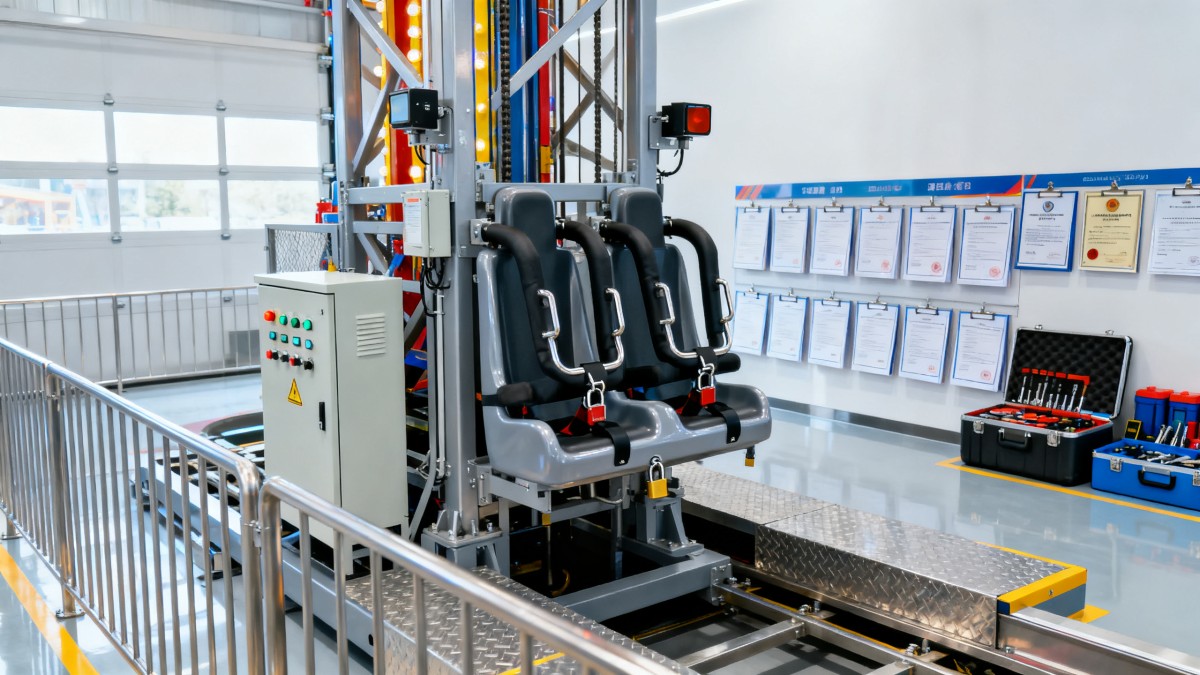
For project teams, choosing amusement hardware is never a simple sourcing task.
A weak decision can raise safety exposure, increase downtime, and push lifecycle costs far beyond the original budget.
That is why a solid amusement hardware evaluation process should balance compliance, structural performance, maintainability, and real operating conditions.
In practice, the best decisions come from comparing data, not just brochures or price sheets.
From recent market changes, a clearer signal is emerging.
Buyers now expect amusement hardware to deliver reliable uptime, easier service access, and compliance with recognized standards from day one.
This also means evaluation must go beyond the visible frame or exterior finish.
You need to understand load paths, control reliability, environmental resistance, and replacement part strategy.
A practical framework helps reduce risk before installation and limits disruption after launch.
Start with the real operating profile
The first step in evaluating amusement hardware is defining where and how it will be used.
Indoor family centers, shopping malls, resorts, and public entertainment zones all create different stress patterns.
Usage frequency matters just as much as location.
A unit designed for moderate traffic may fail early in a high-turn venue, even if it meets baseline specifications.
Before comparing vendors, document these factors clearly:
- Daily rider volume and peak-hour load
- Age group, body size range, and behavior profile
- Indoor or outdoor exposure
- Humidity, dust, salt air, or UV intensity
- Planned maintenance windows and staffing capacity
This operating profile becomes your filter for every amusement hardware option.
Without it, selection often drifts toward lower upfront cost and higher long-term risk.
Verify safety standards and documentation depth
Safety compliance is the minimum threshold, not the final decision point.
Strong amusement hardware suppliers should provide complete and current documentation, not broad verbal claims.
Look for alignment with applicable standards such as UL, CE, ASTM, EN, or local ride and public equipment codes.
The exact mix will depend on market and installation type.
Still, the quality of the document package often reveals the quality of the engineering culture.
Ask for:
- Certification records with issue dates and scope
- Material specifications and fire performance data
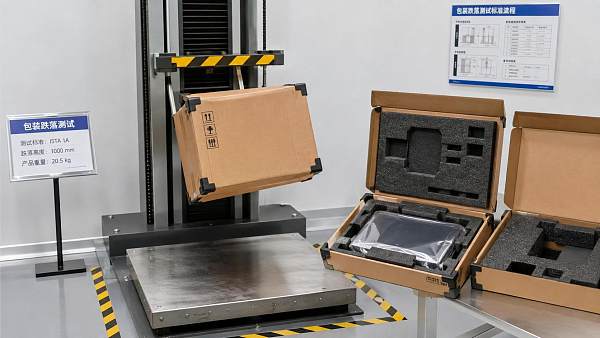
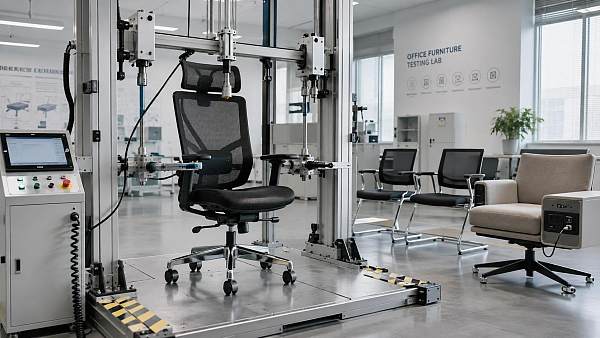
- Load test reports and fatigue test evidence
- Electrical diagrams and control logic summaries
- Inspection, maintenance, and emergency stop procedures
If a vendor cannot present clear records, the amusement hardware may become a hidden compliance problem later.
That is especially risky when opening schedules are tight and approval timelines are fixed.
Assess structural durability, not just rated capacity
Many buyers focus on maximum load rating, but that only tells part of the story.
Reliable amusement hardware should maintain stable performance after repeated loading, vibration, and impact cycles.
This is where fatigue resistance, weld consistency, and fastener retention become critical.
In real business settings, repeated stress usually causes failure sooner than one-time overload.
When reviewing amusement hardware, pay attention to these details:
- Frame material grade and wall thickness
- Weld inspection method and consistency records
- Anchor design and installation tolerance
- Moving joint wear rate and bearing quality
- Protective coating against corrosion and abrasion
If possible, request test data under repeated cycle conditions, not only static load verification.
That provides a more realistic picture of how the amusement hardware will behave after months of public use.
Review controls, sensors, and fail-safe logic
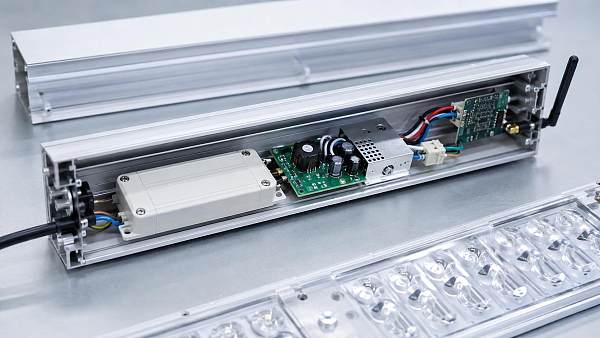
Modern amusement hardware often combines mechanics with electronics, sensors, and operator interfaces.
That integration improves user experience, but it also creates more failure points.
A good evaluation should examine how the system behaves when something goes wrong.
For example, what happens if a position sensor fails, power drops, or an access panel is opened unexpectedly?
Well-designed amusement hardware should move into a safe state quickly and predictably.
Useful checkpoints include:
- Emergency stop accessibility and response logic
- Interlock reliability on doors and service panels
- Alarm visibility for operators
- Backup power or controlled shutdown design
- Diagnostic codes for faster troubleshooting
This area directly affects uptime.
Hardware that fails safely but slowly to diagnose can still create expensive service delays.
Measure maintainability and spare parts readiness
Uptime depends on how fast a problem can be found, accessed, and fixed.
This is where many amusement hardware evaluations fall short.
The unit may look robust, yet service tasks may require long disassembly steps or hard-to-source parts.
In actual operations, that quickly turns minor faults into long closures.
Ask vendors practical questions, not just technical ones.
A strong amusement hardware supplier should also define expected wear parts and replacement cycles clearly.
That level of transparency is often a better uptime indicator than headline warranty language.
Compare total cost of ownership, not purchase price alone
Lower-cost amusement hardware can become more expensive within the first year if service frequency is high.
A better evaluation model includes direct and indirect cost drivers.
These include installation complexity, inspection labor, spare inventory, operator training, and lost revenue during shutdowns.
This is especially important for commercial environments where every hour of closure affects customer flow and brand experience.
A simple scoring model can help.
- Initial price: 20%
- Safety and certifications: 25%
- Durability and test evidence: 20%
- Maintenance efficiency: 20%
- Spare support and service response: 15%
The exact weighting may change by project, but the structure keeps decisions grounded.
It also makes supplier comparison easier to defend during internal review.
Use supplier capability as part of the hardware evaluation
Amusement hardware performance is strongly linked to supplier discipline.
Even a sound design can underperform if manufacturing control is weak or after-sales support is slow.
This is where platforms such as G-BCE add practical value.
By benchmarking commercial hardware against international expectations, teams can compare suppliers with better context.
That includes manufacturing precision, material consistency, and readiness for global compliance demands.
When qualifying a supplier, review:
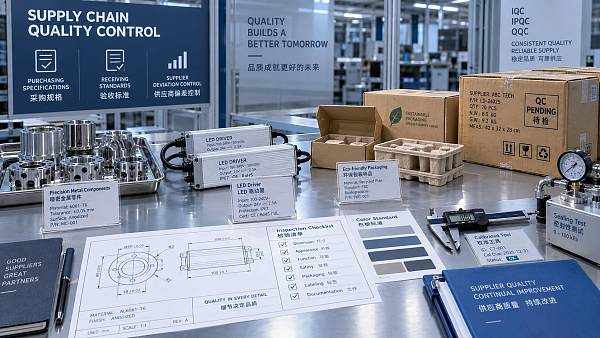
- Quality control checkpoints during fabrication
- Traceability for major components
- Response time for technical issues
- Training support for installation and maintenance
- Ability to support future upgrades or redesigns
In other words, do not evaluate amusement hardware in isolation from the organization behind it.
That broader view usually leads to better safety and steadier uptime over time.
Build a decision framework you can actually use
The most effective amusement hardware assessment process is simple enough to repeat and detailed enough to trust.
A practical workflow usually looks like this:
- Define the operating profile and risk level
- Screen amusement hardware by certifications and fit
- Compare structural and control system evidence
- Review serviceability, spares, and supplier support
- Score total cost of ownership before final approval
That sequence keeps safety, uptime, and budget connected.
It also reduces the chance of late surprises during inspection, installation, or the first months of operation.
The bottom line is clear.
Good amusement hardware is not defined by appearance or price alone.
It is defined by documented safety, durable construction, service-friendly design, and dependable supplier support.
If your next project involves new equipment selection, use this framework early.
A disciplined amusement hardware review today is one of the easiest ways to prevent downtime, protect users, and improve long-term operating performance.
News Recommendations
 What consumer packaging USA importers need to verify before ordering
![51a6ab95581761cc26f4318be6520c15]()
Aris Katos
Future of Carbide Coatings
 How commercial spaces interiors shape customer dwell time
![51a6ab95581761cc26f4318be6520c15]()
Aris Katos
Future of Carbide Coatings
 How LED commercial lighting design reduces glare in retail spaces
![51a6ab95581761cc26f4318be6520c15]()
Aris Katos
Future of Carbide Coatings
 How industrial technology information improves RFID inventory accuracy
![51a6ab95581761cc26f4318be6520c15]()
Aris Katos
Future of Carbide Coatings
 When drip garden watering systems make more sense than sprinklers
![51a6ab95581761cc26f4318be6520c15]()
Aris Katos
Future of Carbide Coatings
 When category comparison improves sourcing for industrial applications
![51a6ab95581761cc26f4318be6520c15]()
Aris Katos
Future of Carbide Coatings
 Industrial application guidance for selecting the right LED lighting
![51a6ab95581761cc26f4318be6520c15]()
Aris Katos
Future of Carbide Coatings
 Which commercial architecture standards apply to European retail fit-outs?
![51a6ab95581761cc26f4318be6520c15]()
Aris Katos
Future of Carbide Coatings
 How to verify FDA requirements for maternity care products
![51a6ab95581761cc26f4318be6520c15]()
Aris Katos
Future of Carbide Coatings
 How to verify BPA-free claims for food-contact products
![51a6ab95581761cc26f4318be6520c15]()
Aris Katos
Future of Carbide Coatings
 When does a European wholesale supplier suit modular office projects?
![51a6ab95581761cc26f4318be6520c15]()
Aris Katos
Future of Carbide Coatings
 When consumer ecosystem solutions improve the in-store shopping journey
![51a6ab95581761cc26f4318be6520c15]()
Aris Katos
Future of Carbide Coatings
 How a commercial developers network can reduce site selection risk
![51a6ab95581761cc26f4318be6520c15]()
Aris Katos
Future of Carbide Coatings
 How clear purchasing specifications prevent costly supplier deviations
![51a6ab95581761cc26f4318be6520c15]()
Aris Katos
Future of Carbide Coatings
 What an ISTA drop test lab checks before your packaging ships
![51a6ab95581761cc26f4318be6520c15]()
Aris Katos
Future of Carbide Coatings
 Which commercial furniture standards apply to workplace seating?
![51a6ab95581761cc26f4318be6520c15]()
Aris Katos
Future of Carbide Coatings
 How to evaluate smart lighting module OEM compatibility before sampling
![51a6ab95581761cc26f4318be6520c15]()
Aris Katos
Future of Carbide Coatings
 How to assess whether sustainable technology delivers real impact
![51a6ab95581761cc26f4318be6520c15]()
Aris Katos
Future of Carbide Coatings
 How to assess an OEM supplier’s quality control before ordering
![51a6ab95581761cc26f4318be6520c15]()
Aris Katos
Future of Carbide Coatings
 How consumer ecosystem solutions data can improve retail personalization
![51a6ab95581761cc26f4318be6520c15]()
Aris Katos
Future of Carbide Coatings
 When does consumer packaging design justify a higher product price?
![51a6ab95581761cc26f4318be6520c15]()
Aris Katos
Future of Carbide Coatings
 Supermarket Fixture Installation: Planning Layouts, Wiring, and Handover
![51a6ab95581761cc26f4318be6520c15]()
Aris Katos
Future of Carbide Coatings
 Automated Lighting and Smart Lighting Control in Bergerac: Key Project Considerations
![51a6ab95581761cc26f4318be6520c15]()
Aris Katos
Future of Carbide Coatings
 Segment Streetlight Controllers: Choosing Control Modes for Urban Roads
![51a6ab95581761cc26f4318be6520c15]()
Aris Katos
Future of Carbide Coatings
 IEC 62471-2 Explained: How to Assess Photobiological Risks in LED Lighting
![51a6ab95581761cc26f4318be6520c15]()
Aris Katos
Future of Carbide Coatings
 Food Grade Packaging Requirements by Product Type, Temperature, and Contact Risk
![51a6ab95581761cc26f4318be6520c15]()
Aris Katos
Future of Carbide Coatings
 Food Packaging Compliance Checklist: Tests, Records, and Labeling Before Shipment
![51a6ab95581761cc26f4318be6520c15]()
Aris Katos
Future of Carbide Coatings
 NSF Food Packaging Standards: When Certification Matters for Commercial Food Use
![51a6ab95581761cc26f4318be6520c15]()
Aris Katos
Future of Carbide Coatings
 FDA Food Grade Compliance: Which Materials and Documents Do Buyers Need?
![51a6ab95581761cc26f4318be6520c15]()
Aris Katos
Future of Carbide Coatings
 What Should a Food Grade Declaration Include for Packaging Compliance?
![51a6ab95581761cc26f4318be6520c15]()
Aris Katos
Future of Carbide Coatings
 Housewares Importing: How to Evaluate Suppliers, Costs, and Compliance Risks
![51a6ab95581761cc26f4318be6520c15]()
Aris Katos
Future of Carbide Coatings
 Why Freeze-Dried Fruit Ingredients Lose Crispness—and How to Prevent It
![51a6ab95581761cc26f4318be6520c15]()
Aris Katos
Future of Carbide Coatings
 What industry veterans look for before choosing a new supplier
![51a6ab95581761cc26f4318be6520c15]()
Aris Katos
Future of Carbide Coatings
 How material fatigue can shorten the service life of retail shelving
![51a6ab95581761cc26f4318be6520c15]()
Aris Katos
Future of Carbide Coatings
 What makes a global sourcing platform reliable for supplier verification?
![51a6ab95581761cc26f4318be6520c15]()
Aris Katos
Future of Carbide Coatings
 When are double platinum spark plugs a better choice than iridium?
![51a6ab95581761cc26f4318be6520c15]()
Aris Katos
Future of Carbide Coatings
 How to assess a POS terminal manufacturer in Europe for long-term support
![51a6ab95581761cc26f4318be6520c15]()
Aris Katos
Future of Carbide Coatings
 How data transparency in retail helps prevent inventory discrepancies
![51a6ab95581761cc26f4318be6520c15]()
Aris Katos
Future of Carbide Coatings
 What makes a product comparison guide actually useful for buying decisions
![51a6ab95581761cc26f4318be6520c15]()
Aris Katos
Future of Carbide Coatings