Stainless Steel Cookware Manufacturer Comparison Guide
Time
Click Count
Choosing a stainless steel cookware manufacturer shapes product quality, warranty risk, delivery stability, and brand reputation. In global sourcing, the right comparison method must connect material science, factory capability, certification readiness, and commercial scalability.
This guide explains how to compare a stainless steel cookware manufacturer across practical buying scenarios. It focuses on performance, compliance, consistency, and supply resilience for modern consumer goods ecosystems.
Why comparison standards change by sourcing scenario
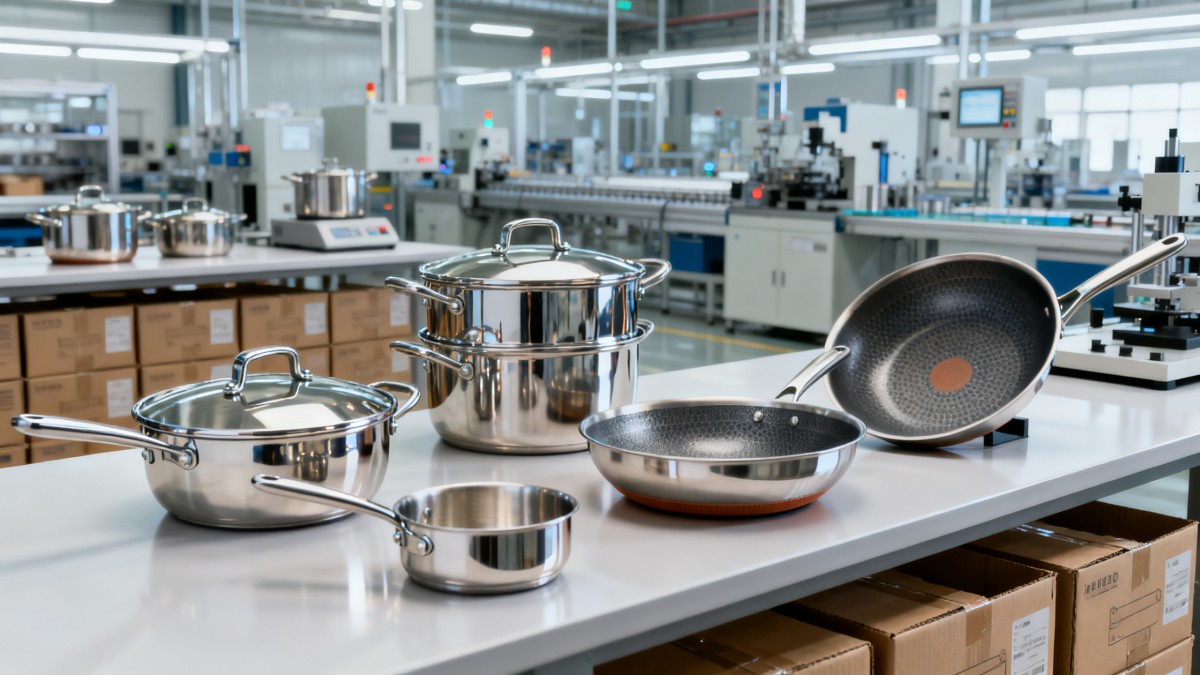
Not every stainless steel cookware manufacturer should be judged by the same checklist. A retail launch, a hospitality rollout, and a private label expansion create different technical and operational priorities.
Some projects value premium finishing and packaging appeal. Others depend on thermal efficiency, dishwasher durability, induction compatibility, or fast replenishment cycles across several regions.
A strong evaluation framework starts with intended use. It then links user expectations to steel grade, base construction, handle design, testing standards, and production control.
Core questions before comparing any supplier
- Which market requires the product: retail, hospitality, e-commerce, or gifting?
- What steel structure is needed: 201, 304, 316, or multilayer clad?
- Which certifications or food-contact requirements apply?
- How important are lead times, MOQs, and repeat-order stability?
- Does the stainless steel cookware manufacturer support customization and technical documentation?
Scenario 1: Private label retail lines need visual consistency and scalable output
For shelf retail and omnichannel brands, aesthetics matter as much as function. A stainless steel cookware manufacturer must deliver uniform polishing, accurate logos, neat rivets, and consistent packaging presentation.
In this scenario, the biggest risk is inconsistency between pilot samples and bulk production. Small deviations in lid fit, handle finish, or carton quality can quickly weaken customer trust.
What to verify in retail-focused projects
- Surface finishing lines for mirror, satin, or brushed effects
- Branding options such as laser marking, embossing, or color sleeves
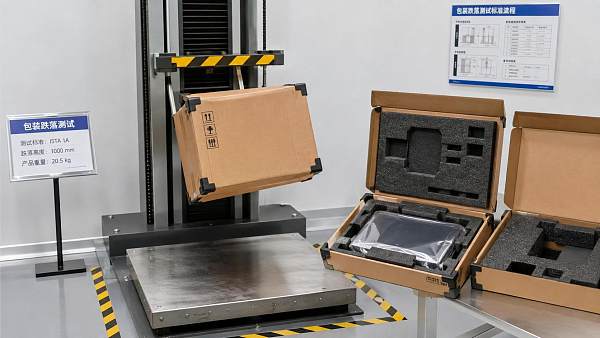
- Carton drop-test readiness and barcode labeling accuracy
- Batch traceability for consumer complaint management
- Capacity to support seasonal volume spikes
The best stainless steel cookware manufacturer for retail often combines automated polishing, strong packaging control, and stable subcontractor management. Sample approval processes should be documented, not handled informally.
Scenario 2: Hospitality and foodservice need durability under intensive daily use
Hotels, serviced apartments, and culinary institutions usually need cookware that survives repetitive heating, cleaning, and storage cycles. Here, decorative appeal matters less than structure, weight balance, and long-term reliability.
A stainless steel cookware manufacturer serving this scenario should show proven experience with reinforced handles, thicker bases, stable lid seating, and resistance to warping under high thermal stress.
Key judgment points for heavy-use environments
- Base thickness and heat distribution performance
- Welded or riveted handle endurance after repeated cleaning
- Dishwasher resistance and stain recovery
- Compatibility with induction, gas, and ceramic cooking surfaces
- Spare part continuity for lids or accessories
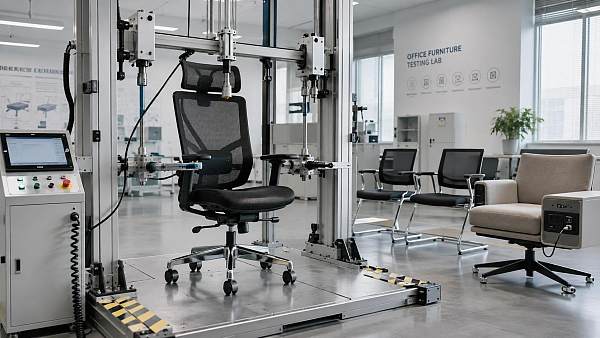
This is where thermal testing data becomes more valuable than showroom appearance. A capable stainless steel cookware manufacturer should provide data on flatness retention, boil efficiency, and handle pull strength.
Scenario 3: Premium consumer brands need material credibility and technical storytelling
Premium positioning requires more than polished steel. The stainless steel cookware manufacturer must support material transparency, multilayer construction claims, and a finish quality that matches premium pricing expectations.
Consumers in this segment ask about 18/10 stainless steel, nickel content, food safety, induction speed, and ergonomic comfort. Product claims must be backed by measurable technical evidence.
Signals of a premium-ready manufacturing partner
- Clear declarations on 304 or 316 contact surfaces
- Cladding expertise for aluminum or copper core structures
- Consistent edge finishing and lid alignment
- Support for lab testing, care instructions, and sustainability claims
- Packaging suitable for unboxing-driven digital commerce
A premium stainless steel cookware manufacturer also needs disciplined quality communication. Technical files, inspection reports, and claim substantiation protect both product positioning and cross-border compliance.
Scenario 4: Cross-border e-commerce needs speed, compliance clarity, and repeatability
Online channels create a different pressure pattern. Reviews spread quickly, fulfillment models vary, and return costs rise when product dimensions, finish expectations, or induction claims are inaccurate.
For e-commerce, a stainless steel cookware manufacturer should be evaluated on packaging survival, product information accuracy, and the ability to keep repeat SKUs highly consistent across multiple purchase cycles.
Critical checks for digital-first supply models
- Master carton strength and inner protective design
- Dimensional consistency for platform listings
- Barcode, FNSKU, and labeling execution accuracy
- Low-defect rates across mixed-batch shipments
- Fast response to claim analysis and replacement handling
How scenario needs differ when comparing a stainless steel cookware manufacturer
Practical fit checks before selecting a stainless steel cookware manufacturer
- Match usage scenario to steel grade and base structure.
- Review sample-to-bulk control procedures in writing.
- Confirm test methods for induction, corrosion, and handle strength.
- Check production capacity by line, not by headline monthly numbers.
- Audit packaging specifications for shipping channel realities.
- Ask for traceability records and corrective action history.
G-BCE benchmarking logic supports this comparison by connecting manufacturing precision with global commercial expectations. That means judging suppliers through standards, performance evidence, and operational transparency rather than price alone.
Common comparison mistakes that weaken sourcing outcomes
One frequent mistake is comparing only material grade labels. Two factories may both claim 304 stainless steel, yet differ greatly in cladding quality, polish consistency, flatness control, and handle assembly endurance.
Another mistake is ignoring documentation depth. A stainless steel cookware manufacturer with clean reports, clear specifications, and reliable traceability usually performs better during scale-up and market complaints.
It is also risky to treat low MOQ flexibility as proof of capability. Real capability appears in repeat quality, production scheduling, and problem resolution speed after shipment.
Next-step actions for a smarter manufacturer comparison
Start with a scenario-based scorecard. Rank each stainless steel cookware manufacturer by material transparency, thermal performance, finish consistency, compliance readiness, packaging resilience, and replenishment reliability.
Then request matched evidence for each score. Samples, lab data, production photos, inspection criteria, and shipment records reveal whether claims can survive real commercial pressure.
A careful comparison process reduces hidden costs and supports stronger brand performance. In a competitive supply environment, the right stainless steel cookware manufacturer is the one that fits the actual scenario, not just the initial quote.
News Recommendations
 Which industry categories offer the strongest export potential in Latin America?
![51a6ab95581761cc26f4318be6520c15]()
Aris Katos
Future of Carbide Coatings
 How to choose an ultra bright waterproof window display for storefronts
![51a6ab95581761cc26f4318be6520c15]()
Aris Katos
Future of Carbide Coatings
 How to verify suppliers on a trade portal for global sourcing
![51a6ab95581761cc26f4318be6520c15]()
Aris Katos
Future of Carbide Coatings
 How RoHS requirements should be stated in product specifications
![51a6ab95581761cc26f4318be6520c15]()
Aris Katos
Future of Carbide Coatings
 What affects the lead time for custom retail counter displays?
![51a6ab95581761cc26f4318be6520c15]()
Aris Katos
Future of Carbide Coatings
 What consumer packaging USA importers need to verify before ordering
![51a6ab95581761cc26f4318be6520c15]()
Aris Katos
Future of Carbide Coatings
 How commercial spaces interiors shape customer dwell time
![51a6ab95581761cc26f4318be6520c15]()
Aris Katos
Future of Carbide Coatings
 How LED commercial lighting design reduces glare in retail spaces
![51a6ab95581761cc26f4318be6520c15]()
Aris Katos
Future of Carbide Coatings
 How industrial technology information improves RFID inventory accuracy
![51a6ab95581761cc26f4318be6520c15]()
Aris Katos
Future of Carbide Coatings
 When drip garden watering systems make more sense than sprinklers
![51a6ab95581761cc26f4318be6520c15]()
Aris Katos
Future of Carbide Coatings
 When category comparison improves sourcing for industrial applications
![51a6ab95581761cc26f4318be6520c15]()
Aris Katos
Future of Carbide Coatings
 Industrial application guidance for selecting the right LED lighting
![51a6ab95581761cc26f4318be6520c15]()
Aris Katos
Future of Carbide Coatings
 Which commercial architecture standards apply to European retail fit-outs?
![51a6ab95581761cc26f4318be6520c15]()
Aris Katos
Future of Carbide Coatings
 How to verify FDA requirements for maternity care products
![51a6ab95581761cc26f4318be6520c15]()
Aris Katos
Future of Carbide Coatings
 How to verify BPA-free claims for food-contact products
![51a6ab95581761cc26f4318be6520c15]()
Aris Katos
Future of Carbide Coatings
 When does a European wholesale supplier suit modular office projects?
![51a6ab95581761cc26f4318be6520c15]()
Aris Katos
Future of Carbide Coatings
 When consumer ecosystem solutions improve the in-store shopping journey
![51a6ab95581761cc26f4318be6520c15]()
Aris Katos
Future of Carbide Coatings
 How a commercial developers network can reduce site selection risk
![51a6ab95581761cc26f4318be6520c15]()
Aris Katos
Future of Carbide Coatings
 How clear purchasing specifications prevent costly supplier deviations
![51a6ab95581761cc26f4318be6520c15]()
Aris Katos
Future of Carbide Coatings
 What an ISTA drop test lab checks before your packaging ships
![51a6ab95581761cc26f4318be6520c15]()
Aris Katos
Future of Carbide Coatings
 Which commercial furniture standards apply to workplace seating?
![51a6ab95581761cc26f4318be6520c15]()
Aris Katos
Future of Carbide Coatings
 How to evaluate smart lighting module OEM compatibility before sampling
![51a6ab95581761cc26f4318be6520c15]()
Aris Katos
Future of Carbide Coatings
 How to assess whether sustainable technology delivers real impact
![51a6ab95581761cc26f4318be6520c15]()
Aris Katos
Future of Carbide Coatings
 How to assess an OEM supplier’s quality control before ordering
![51a6ab95581761cc26f4318be6520c15]()
Aris Katos
Future of Carbide Coatings
 How consumer ecosystem solutions data can improve retail personalization
![51a6ab95581761cc26f4318be6520c15]()
Aris Katos
Future of Carbide Coatings
 When does consumer packaging design justify a higher product price?
![51a6ab95581761cc26f4318be6520c15]()
Aris Katos
Future of Carbide Coatings
 Supermarket Fixture Installation: Planning Layouts, Wiring, and Handover
![51a6ab95581761cc26f4318be6520c15]()
Aris Katos
Future of Carbide Coatings
 Automated Lighting and Smart Lighting Control in Bergerac: Key Project Considerations
![51a6ab95581761cc26f4318be6520c15]()
Aris Katos
Future of Carbide Coatings
 Segment Streetlight Controllers: Choosing Control Modes for Urban Roads
![51a6ab95581761cc26f4318be6520c15]()
Aris Katos
Future of Carbide Coatings
 IEC 62471-2 Explained: How to Assess Photobiological Risks in LED Lighting
![51a6ab95581761cc26f4318be6520c15]()
Aris Katos
Future of Carbide Coatings
 Food Grade Packaging Requirements by Product Type, Temperature, and Contact Risk
![51a6ab95581761cc26f4318be6520c15]()
Aris Katos
Future of Carbide Coatings
 Food Packaging Compliance Checklist: Tests, Records, and Labeling Before Shipment
![51a6ab95581761cc26f4318be6520c15]()
Aris Katos
Future of Carbide Coatings
 NSF Food Packaging Standards: When Certification Matters for Commercial Food Use
![51a6ab95581761cc26f4318be6520c15]()
Aris Katos
Future of Carbide Coatings
 FDA Food Grade Compliance: Which Materials and Documents Do Buyers Need?
![51a6ab95581761cc26f4318be6520c15]()
Aris Katos
Future of Carbide Coatings
 What Should a Food Grade Declaration Include for Packaging Compliance?
![51a6ab95581761cc26f4318be6520c15]()
Aris Katos
Future of Carbide Coatings
 Housewares Importing: How to Evaluate Suppliers, Costs, and Compliance Risks
![51a6ab95581761cc26f4318be6520c15]()
Aris Katos
Future of Carbide Coatings
 Why Freeze-Dried Fruit Ingredients Lose Crispness—and How to Prevent It
![51a6ab95581761cc26f4318be6520c15]()
Aris Katos
Future of Carbide Coatings
 What industry veterans look for before choosing a new supplier
![51a6ab95581761cc26f4318be6520c15]()
Aris Katos
Future of Carbide Coatings
 How material fatigue can shorten the service life of retail shelving
![51a6ab95581761cc26f4318be6520c15]()
Aris Katos
Future of Carbide Coatings