Kiosk Industry Releases IAAPA 2026 Self-Service Guide
Time
Click Count
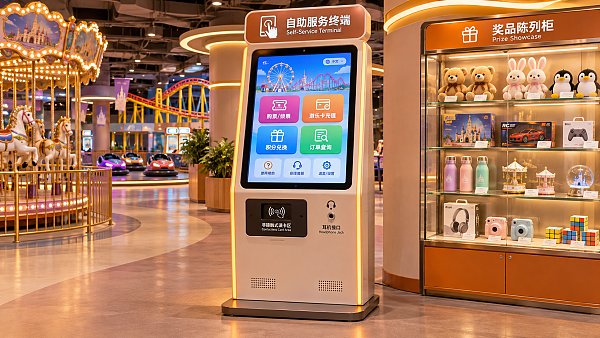
Kiosk Industry, part of The Industry Group, has released an IAAPA 2026 self-service preview guide covering 10 exhibits and six trends relevant to amusement and attractions operators. Among the themes highlighted are connected cashless systems, more selective investment in immersive technology, high-value prize redemption, accessibility and artificial intelligence.
The guide brings together several decisions that operators may otherwise consider separately: how guests pay, use self-service equipment and redeem prizes, and how new technology fits into those interactions. Its selection of exhibits offers a way to examine those questions, although the guide itself is a preview rather than evidence of how widely any particular approach has been adopted.
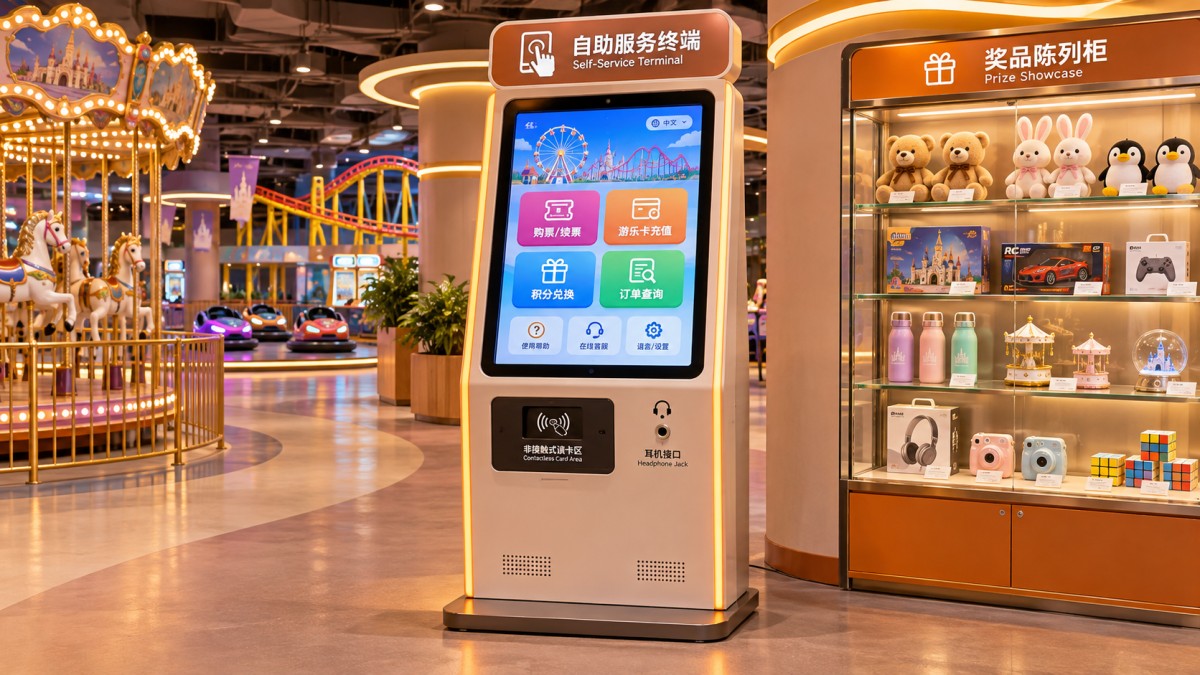
Connected cashless systems put the focus on the guest journey
The guide identifies a shift toward connected cashless systems. For an attractions operator, the practical question is how well payment-related services work together across the guest journey. A self-service point can be convenient on its own, but its value also depends on what happens before and after a transaction.
That makes the connections between systems relevant to purchasing decisions. An operator considering a cashless feature may need to assess whether it fits the surrounding service process, including how guests understand their options and how staff handle exceptions. The guide's emphasis on connected systems points to those operational relationships; it does not establish the performance of any particular configuration.
The distinction matters because adding a payment option and coordinating several points of service are different undertakings. A connected approach could reduce friction if the components work well together. The result would depend on the systems selected, their integration and the way each attraction operates.
Immersive technology faces a more selective investment test
The preview also describes more cautious investment in immersive technology. That emphasis suggests a closer examination of what an installation is intended to achieve and how it fits an attraction's service model. An engaging demonstration can show what a technology does; an operator must also consider how it would be used in a particular setting.
For operators reviewing the exhibits, the relevant questions may include whether an immersive experience complements the attraction, what it requires from staff and how it would be maintained as part of the wider guest experience. Those considerations do not imply that immersive technology is losing its appeal. They reflect the guide's distinction between interest in a technology and the decision to commit resources to it.
The longer-term effect of this more selective approach remains open. It will depend on the options operators choose and on whether installations deliver the experience and operational value their users expect.
High-value prizes and the redemption process
High-value prize redemption is another trend identified in the guide. Its inclusion draws attention to the point at which a guest exchanges an earned balance or entitlement for a reward. The appeal of a prize is only one part of that interaction; the redemption process also needs to be understandable to the person using it.
For an operator considering self-service redemption, the key issue is how the guest moves from seeing an available reward to completing the exchange. Clear information and a workable process for exceptions could be especially relevant when the reward has a higher value. The appropriate design will depend on the attraction and the redemption arrangement; the guide's theme alone does not establish which approach works best.
This trend also connects back to the guide's cashless theme. Where payment, balances or redemption services interact, operators may want to examine the entire journey rather than assess each touchpoint in isolation. Whether a specific exhibit supports such a connection would need to be assessed on its own terms.
Accessibility and AI in self-service
Accessibility is a particular focus of the preview. One example named in the guide is Vispero's JAWS for Kiosk, which provides voice navigation for kiosk users. Its inclusion highlights a practical aspect of self-service design: a screen-based interaction may need more than one way for a guest to navigate it.
For an operator, the relevant question extends beyond whether a kiosk has an accessibility feature. It also includes whether a guest can use that feature to complete the intended task and whether the surrounding service process supports that interaction. The example illustrates a type of accessibility option in the guide; it does not establish how the feature performs in every installation.
The guide also highlights AI applications. For attractions operators, the useful distinction is between a named technology and the specific task it is intended to support. The value of an AI application would depend on its role in a service, how it is implemented and how its output is used. The preview's attention to AI signals that it is among the topics operators are being invited to consider, rather than proving a particular operational outcome.
Taken together, the guide's themes encourage a practical reading of the exhibits: look at the guest task, the systems involved and the operator's ability to support the service. The preview identifies areas of interest for IAAPA 2026, while the effects on individual attractions will depend on the technologies selected and the conditions in which they are used.
News Recommendations
 EU Ban on Plastic Waste Exports to Non-OECD Countries Takes Effect
![51a6ab95581761cc26f4318be6520c15]()
Aris Katos
Future of Carbide Coatings
 How to choose dining furniture for a small restaurant
![51a6ab95581761cc26f4318be6520c15]()
Aris Katos
Future of Carbide Coatings
 EU Bans Plastic Waste Exports to Non-OECD Countries
![51a6ab95581761cc26f4318be6520c15]()
Aris Katos
Future of Carbide Coatings
 How to verify an NSF certification claim for food packaging
![51a6ab95581761cc26f4318be6520c15]()
Aris Katos
Future of Carbide Coatings
 Germany Flags Chinese LED Lighting Product in RAPEX Alert
![51a6ab95581761cc26f4318be6520c15]()
Aris Katos
Future of Carbide Coatings
 How can satellite crop data help estimate crop yields?
![51a6ab95581761cc26f4318be6520c15]()
Aris Katos
Future of Carbide Coatings
 EU Food-Contact Recycled Plastics Regulation Takes Effect on November 18
![51a6ab95581761cc26f4318be6520c15]()
Aris Katos
Future of Carbide Coatings
 How to match a constant current dimmable LED driver to your LEDs
![51a6ab95581761cc26f4318be6520c15]()
Aris Katos
Future of Carbide Coatings
 EU PPWR Takes Effect as Flexible Packaging Faces PFAS and Recyclability Rules
![51a6ab95581761cc26f4318be6520c15]()
Aris Katos
Future of Carbide Coatings
 How to choose commercial lighting for restaurant dining rooms
![51a6ab95581761cc26f4318be6520c15]()
Aris Katos
Future of Carbide Coatings
 Invidis Explores Shenzhen's Digital Signage Supply Chain During APEC 2026
![51a6ab95581761cc26f4318be6520c15]()
Aris Katos
Future of Carbide Coatings
 How to verify a building facade lighting manufacturer's warranty
![51a6ab95581761cc26f4318be6520c15]()
Aris Katos
Future of Carbide Coatings
 IndexBox: Healthy Lighting and Smart Homes Drive Warm-White Night-Light Growth
![51a6ab95581761cc26f4318be6520c15]()
Aris Katos
Future of Carbide Coatings
 How to assess laminate finish durability for hotel furniture
![51a6ab95581761cc26f4318be6520c15]()
Aris Katos
Future of Carbide Coatings
 Which consumer goods need CE marking in Europe?
![51a6ab95581761cc26f4318be6520c15]()
Aris Katos
Future of Carbide Coatings
 Uniguest and Extreme Networks Partner to Simplify Digital Signage Deployment
![51a6ab95581761cc26f4318be6520c15]()
Aris Katos
Future of Carbide Coatings
 How to assess electronics compliance whitepapers for regulatory accuracy
![51a6ab95581761cc26f4318be6520c15]()
Aris Katos
Future of Carbide Coatings
 Packaging Data Hub Launches With Plastic Recycling Findings for 50 Countries
![51a6ab95581761cc26f4318be6520c15]()
Aris Katos
Future of Carbide Coatings
 How to verify an ergonomic office chair supplier's warranty terms
![51a6ab95581761cc26f4318be6520c15]()
Aris Katos
Future of Carbide Coatings
 Curion Survey: 64% Value Sustainable Beauty Packaging, but Quality Comes First
![51a6ab95581761cc26f4318be6520c15]()
Aris Katos
Future of Carbide Coatings
 Can minimalist fit out solutions make a small office feel larger?
![51a6ab95581761cc26f4318be6520c15]()
Aris Katos
Future of Carbide Coatings
 Kiosk Industry Releases IAAPA 2026 Self-Service Guide
![51a6ab95581761cc26f4318be6520c15]()
Aris Katos
Future of Carbide Coatings
 How to improve global supply chain visibility beyond tier-one suppliers
![51a6ab95581761cc26f4318be6520c15]()
Aris Katos
Future of Carbide Coatings
 Austria’s MM Group to Sell 70% of Packaging Business to KPS for $2.7 Billion
![51a6ab95581761cc26f4318be6520c15]()
Aris Katos
Future of Carbide Coatings
 How to assess delivery reliability of airport terminal seating suppliers in Europe
![51a6ab95581761cc26f4318be6520c15]()
Aris Katos
Future of Carbide Coatings
 USTR Extends China-Linked Vessel Fee Pause and 178 Product Exemptions to January 2027
![51a6ab95581761cc26f4318be6520c15]()
Aris Katos
Future of Carbide Coatings
 How to choose smart sensors for automated lighting
![51a6ab95581761cc26f4318be6520c15]()
Aris Katos
Future of Carbide Coatings
 Shanghai Retail Buyers Sign Deals at Ninth China International Import Expo
![51a6ab95581761cc26f4318be6520c15]()
Aris Katos
Future of Carbide Coatings
 Which toys are subject to EN 71 toy safety requirements?
![51a6ab95581761cc26f4318be6520c15]()
Aris Katos
Future of Carbide Coatings
 Report: Global Kraft Paper Market Forecast to Reach $20.5 Billion by 2033
![51a6ab95581761cc26f4318be6520c15]()
Aris Katos
Future of Carbide Coatings
 How to verify Zigbee compatibility when sourcing lighting sensors
![51a6ab95581761cc26f4318be6520c15]()
Aris Katos
Future of Carbide Coatings
 How do packaging customization options affect minimum order quantities in Europe?
![51a6ab95581761cc26f4318be6520c15]()
Aris Katos
Future of Carbide Coatings
 Transom to Acquire Cree LED in Commercial Lighting Ownership Change
![51a6ab95581761cc26f4318be6520c15]()
Aris Katos
Future of Carbide Coatings
 How to plan customer flow in commercial design planning
![51a6ab95581761cc26f4318be6520c15]()
Aris Katos
Future of Carbide Coatings
 USTR Urged to Permanently Suspend Fees on China-Linked Ships
![51a6ab95581761cc26f4318be6520c15]()
Aris Katos
Future of Carbide Coatings
 How to choose comparable stores for retail benchmarking
![51a6ab95581761cc26f4318be6520c15]()
Aris Katos
Future of Carbide Coatings
 How does anchoring affect modular building wind load resistance?
![51a6ab95581761cc26f4318be6520c15]()
Aris Katos
Future of Carbide Coatings
 Amazon Raises European FBA Surcharge to 2% in Ten Markets From November 2
![51a6ab95581761cc26f4318be6520c15]()
Aris Katos
Future of Carbide Coatings
 How to verify a BPA-free test report for baby products
![51a6ab95581761cc26f4318be6520c15]()
Aris Katos
Future of Carbide Coatings