Sustainable Packaging Costs: What Impacts Unit Economics
Time
Click Count
For financial decision-makers, sustainable packaging is no longer just a brand statement. It is a unit economics question linked to material pricing, line efficiency, compliance, freight, and waste reduction.
At SKU level, small design choices can shift landed cost, damage rates, and recycling outcomes. That makes cost visibility essential for margin protection and long-term resilience.
Across retail, consumer goods, food service, and e-commerce, the market is moving beyond simple material substitution. The focus is now on measurable performance, total cost, and scalable sourcing.
Why sustainable packaging costs are being redefined across supply chains
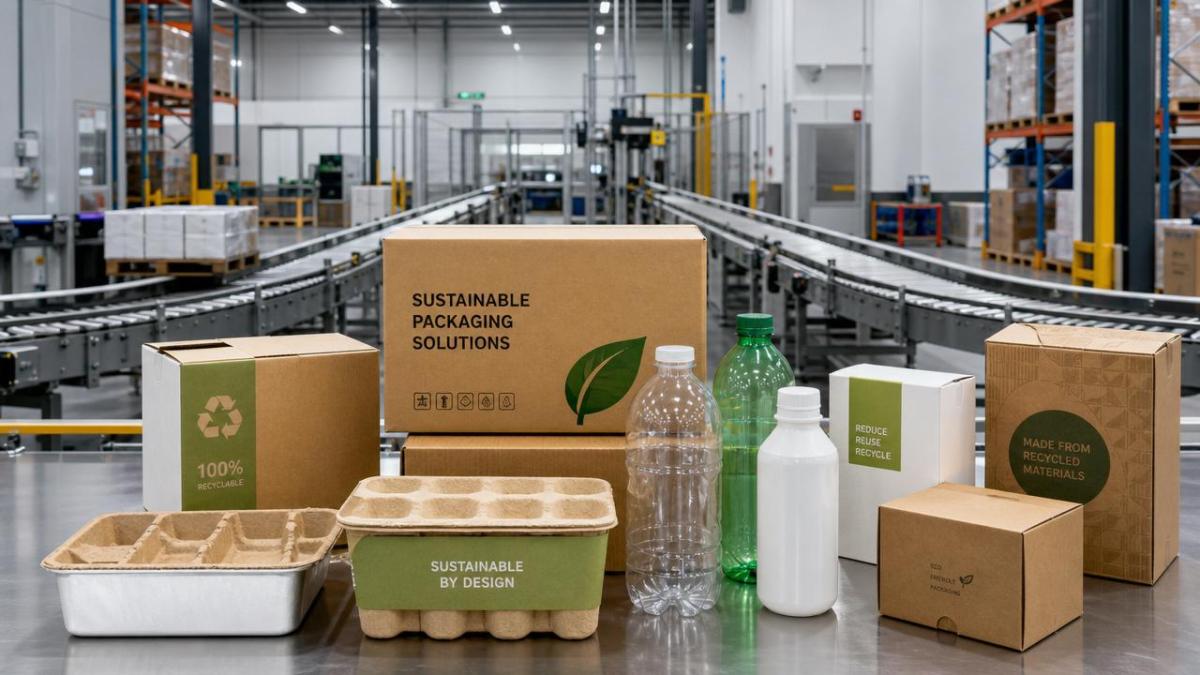
The old assumption was simple: sustainable packaging costs more. That idea is now too narrow for modern commercial ecosystems and global sourcing decisions.
Material markets have diversified. Converters have improved tooling. Recycling targets are tighter. Freight volatility has exposed the hidden cost of oversized or fragile packs.
As a result, unit economics are increasingly shaped by system effects. A cheaper substrate may create slower output, higher breakage, or lower shelf appeal.
Conversely, a higher-cost material may reduce weight, improve cube efficiency, and lower disposal fees. The real question is not material price alone, but cost per functional outcome.
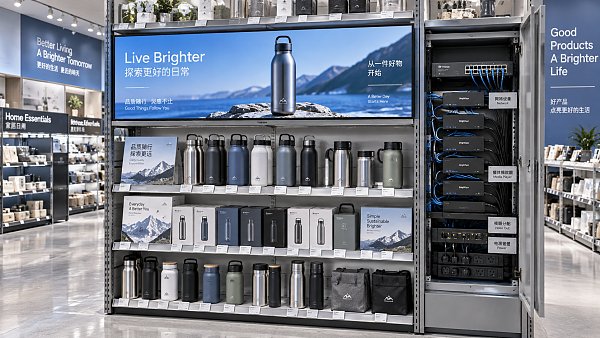
This shift matters across the broader commercial landscape. Store fixtures, display standards, omnichannel fulfillment, and product protection all interact with packaging economics.
The strongest cost signals now come from five pressure points
The cost of sustainable packaging is usually created by a combination of technical and operational variables, not one isolated line item.
These pressure points often compound each other. A mono-material redesign may improve recyclability, yet require new tooling and stricter sealing control.
Material costs remain visible, but conversion costs are rising in importance
Many teams still compare packaging options mainly by price per kilogram. That approach misses forming behavior, defect rates, and line compatibility.
In practice, sustainable packaging economics depend on cost per filled, shipped, and recovered unit. Converting performance can outweigh raw material savings.
What is pushing sustainable packaging costs upward or downward
Several structural trends are changing pricing logic across global markets. Some add cost in the short term. Others create efficiency over time.
- Recycled content premiums can increase direct material cost when supply is tight.
- Lightweighting can reduce resin or fiber use, freight weight, and warehouse space.
- Simplified structures can lower sorting complexity and support better recycling outcomes.
- Barrier performance needs may require coatings or multilayer solutions that raise complexity.
- Regional compliance rules can force label updates, testing, and local specification changes.
- Demand for premium print finishes may conflict with recyclability and increase ink coverage costs.
- Automation-ready formats can improve line speed and reduce labor variability.
For many categories, the biggest savings come from redesign rather than substitution. Shape optimization, headspace reduction, and stronger secondary packaging often deliver better results.
Where unit economics shift most across business operations
The impact of sustainable packaging extends well beyond procurement cost. It affects merchandising, fulfillment, customer experience, and end-of-life handling.
On commercial presentation and brand environments
Packaging must work inside physical retail settings shaped by lighting, signage, shelving, and visual consistency. Material changes can alter color, finish, rigidity, and premium perception.
If shelf presence weakens, the apparent savings may be offset by lower conversion. This is especially relevant in high-end and experience-led environments.
On logistics and omnichannel fulfillment
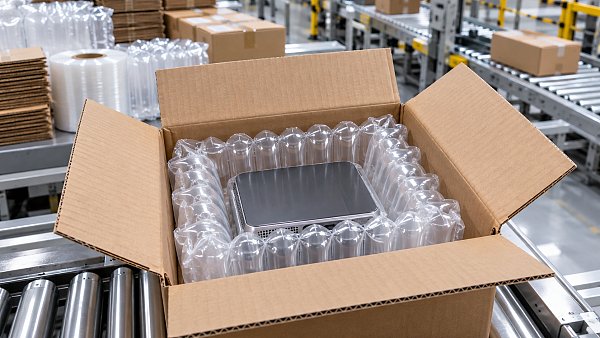
E-commerce has made pack-out efficiency a financial priority. Right-sized sustainable packaging can reduce void fill, DIM charges, and damage during last-mile delivery.
However, weak structural performance can increase returns and replacement shipments. That quickly erodes any sustainability gain and raises total landed cost.
On compliance and reporting
Disclosure requirements are expanding. Material composition, recyclability claims, and waste obligations now influence budgeting and supplier qualification.
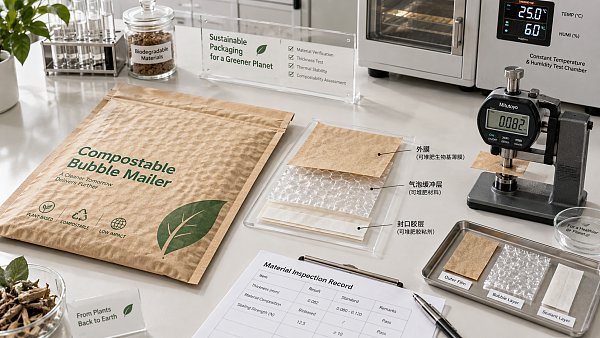
This is where data platforms and technical benchmarking matter. Decision quality improves when claims, test results, and standards are compared consistently across suppliers.
The cost questions that deserve closer attention before redesign decisions
Before approving a packaging shift, several questions can sharpen the financial view and reduce expensive surprises.
- What is the cost per usable unit after scrap, spoilage, and line loss?
- How does the pack perform in compression, drop, seal integrity, and transit testing?
- Will tooling, filling equipment, or warehouse configuration need modification?
- Does the design improve freight cube and pallet utilization?
- Are local recycling systems able to process the format in real conditions?
- Which compliance costs are one-time, and which are recurring by region?
- How will print, texture, and structure affect in-store presentation?
These questions help move the discussion from headline sustainability claims to operational economics and measurable business impact.
How to evaluate sustainable packaging with a total-cost lens
A strong evaluation model connects direct material spend with conversion, logistics, compliance, and waste outcomes. That creates a more realistic basis for specification decisions.
With this framework, sustainable packaging becomes a performance system rather than a single purchasing decision. That supports better forecasting and supplier comparison.
What to prioritize next as the market keeps evolving
The next phase will reward organizations that combine technical testing, design discipline, and global benchmarking. Cost control will depend on better data, not only harder negotiation.
- Map total cost at SKU level before changing formats or materials.
- Benchmark suppliers on standards, repeatability, and conversion performance.
- Test freight, retail display, and end-of-life outcomes together.
- Track regional regulations that may change future packaging economics.
- Use redesign to eliminate waste before paying premiums for complexity.
In a modern business and consumer ecosystem, the best sustainable packaging strategy protects both margin and material credibility. The winners will be those who measure both with precision.
A practical next step is to audit the top SKUs by freight spend, breakage, and compliance risk. That usually reveals where packaging changes can deliver the fastest economic return.
News Recommendations
 How to assess demand forecasts in a lighting intelligence report
![51a6ab95581761cc26f4318be6520c15]()
Aris Katos
Future of Carbide Coatings
 Billerud推出PharmaKraft纤维基医药包装材料
![51a6ab95581761cc26f4318be6520c15]()
Aris Katos
Future of Carbide Coatings
 How to assess supplier reliability in global supply chain sourcing
![51a6ab95581761cc26f4318be6520c15]()
Aris Katos
Future of Carbide Coatings
 Omdia Forecasts 11.6% CAGR for Global LED Video Display Market in 2026–2030
![51a6ab95581761cc26f4318be6520c15]()
Aris Katos
Future of Carbide Coatings
 How to verify an LFGB testing laboratory's accreditation scope
![51a6ab95581761cc26f4318be6520c15]()
Aris Katos
Future of Carbide Coatings
 How to assess a workplace interior supplier's installation scope
![51a6ab95581761cc26f4318be6520c15]()
Aris Katos
Future of Carbide Coatings
 What records are needed for an ISO 9001 furniture factory audit?
![51a6ab95581761cc26f4318be6520c15]()
Aris Katos
Future of Carbide Coatings
 How to choose AI marketing tools that work with your existing CRM
![51a6ab95581761cc26f4318be6520c15]()
Aris Katos
Future of Carbide Coatings
 Do freight costs erase savings when buying retail fixtures wholesale?
![51a6ab95581761cc26f4318be6520c15]()
Aris Katos
Future of Carbide Coatings
 Can OEM retail shelf display screens work with your existing CMS?
![51a6ab95581761cc26f4318be6520c15]()
Aris Katos
Future of Carbide Coatings
 How heat buildup affects OEM retail shelf LCD screen reliability
![51a6ab95581761cc26f4318be6520c15]()
Aris Katos
Future of Carbide Coatings
 How to check whether an OEM retail shelf screen fits existing shelving
![51a6ab95581761cc26f4318be6520c15]()
Aris Katos
Future of Carbide Coatings
 What brightness should an OEM shelf LCD screen have for retail use?
![51a6ab95581761cc26f4318be6520c15]()
Aris Katos
Future of Carbide Coatings
 Can smart retail IT solutions for CPG work with legacy POS systems?
![51a6ab95581761cc26f4318be6520c15]()
Aris Katos
Future of Carbide Coatings
 What permit approvals belong in a commercial fitout planning checklist?
![51a6ab95581761cc26f4318be6520c15]()
Aris Katos
Future of Carbide Coatings
 What Selection Criteria Matter Most for Commercial Lighting?
![51a6ab95581761cc26f4318be6520c15]()
Aris Katos
Future of Carbide Coatings
 How Do You Apply Sustainability Standards to a Retail Renovation?
![51a6ab95581761cc26f4318be6520c15]()
Aris Katos
Future of Carbide Coatings
 Which Technical Factors Matter When Comparing Smart Retail Hardware?
![51a6ab95581761cc26f4318be6520c15]()
Aris Katos
Future of Carbide Coatings
 Does Data Transparency Matter When Selecting Consumer Goods Suppliers?
![51a6ab95581761cc26f4318be6520c15]()
Aris Katos
Future of Carbide Coatings
 How Does Commercial Design Differ from Interior Decoration?
![51a6ab95581761cc26f4318be6520c15]()
Aris Katos
Future of Carbide Coatings
 How Long Does It Take to Verify a Commercial Furniture Supplier?
![51a6ab95581761cc26f4318be6520c15]()
Aris Katos
Future of Carbide Coatings
 How to verify compostability claims from a bubble mailer manufacturer
![51a6ab95581761cc26f4318be6520c15]()
Aris Katos
Future of Carbide Coatings
 Will commercial smart infrastructure solutions work with legacy systems?
![51a6ab95581761cc26f4318be6520c15]()
Aris Katos
Future of Carbide Coatings
 How to verify a preschool furniture manufacturer's safety standards
![51a6ab95581761cc26f4318be6520c15]()
Aris Katos
Future of Carbide Coatings
 A technical comparison of semiconductor processes for power devices
![51a6ab95581761cc26f4318be6520c15]()
Aris Katos
Future of Carbide Coatings
 How to verify that a BIFMA ergonomic chair meets the standard
![51a6ab95581761cc26f4318be6520c15]()
Aris Katos
Future of Carbide Coatings
 How to use a CRI value chart when choosing LED lighting
![51a6ab95581761cc26f4318be6520c15]()
Aris Katos
Future of Carbide Coatings
 How to compare hotel aroma diffuser wholesale options by coverage area
![51a6ab95581761cc26f4318be6520c15]()
Aris Katos
Future of Carbide Coatings
 How to prevent O-rings and seals from failing in food equipment
![51a6ab95581761cc26f4318be6520c15]()
Aris Katos
Future of Carbide Coatings
 How to compare commercial linear light wholesale quotes accurately
![51a6ab95581761cc26f4318be6520c15]()
Aris Katos
Future of Carbide Coatings
 How to verify international standards compliance for Middle East exports
![51a6ab95581761cc26f4318be6520c15]()
Aris Katos
Future of Carbide Coatings
 How to select laboratory instruments for reproducible test results
![51a6ab95581761cc26f4318be6520c15]()
Aris Katos
Future of Carbide Coatings
 When does a sheet metal prototype reveal design flaws early?
![51a6ab95581761cc26f4318be6520c15]()
Aris Katos
Future of Carbide Coatings
 When PE air column bags reduce damage in e-commerce fulfillment
![51a6ab95581761cc26f4318be6520c15]()
Aris Katos
Future of Carbide Coatings
 How energy-efficient design reduces operating costs in retail lighting
![51a6ab95581761cc26f4318be6520c15]()
Aris Katos
Future of Carbide Coatings
 When commercial aluminum storefronts make sense for a retail renovation
![51a6ab95581761cc26f4318be6520c15]()
Aris Katos
Future of Carbide Coatings
 What makes LED lights durable in high-use commercial spaces?
![51a6ab95581761cc26f4318be6520c15]()
Aris Katos
Future of Carbide Coatings
 Which industry categories offer the strongest export potential in Latin America?
![51a6ab95581761cc26f4318be6520c15]()
Aris Katos
Future of Carbide Coatings
 How to choose an ultra bright waterproof window display for storefronts
![51a6ab95581761cc26f4318be6520c15]()
Aris Katos
Future of Carbide Coatings