NFPA 260 foam standards matter most in high turnover seating
Time
Click Count
In high-turnover environments such as airport terminal seating, restaurant seating wholesale, and lobby furniture OEM projects, fire retardant foam standards (NFPA 260) can directly influence safety, durability, and procurement decisions. For buyers, operators, and evaluators comparing contract furniture supplier capabilities, understanding how NFPA 260 aligns with ANSI/BIFMA office chair safety, VOC emission levels in furniture, and long-term performance is essential.
Why does NFPA 260 matter more in high-turnover seating projects?

NFPA 260 is often discussed as a fire test issue, but in commercial seating it is really a risk-management issue tied to procurement, maintenance, and brand protection. In spaces with constant user turnover, foam is repeatedly compressed, exposed to cleaning chemicals, and paired with multiple upholstery materials. That combination makes foam performance more than a compliance checkbox.
For information researchers and sourcing teams, the practical question is simple: does the seating specification support both code-related expectations and operational reality over a 3–7 year service cycle? In airport lounges, chain restaurants, reception zones, and mixed-use commercial lobbies, replacement frequency, downtime, and cleaning intensity can quickly reshape total ownership cost.
NFPA 260 evaluates the cigarette ignition resistance of upholstered furniture components under controlled conditions. While it does not replace broader life-safety review, it helps purchasers screen whether foam-and-fabric combinations are appropriate for public-facing, high-contact environments where unattended smolder risk remains relevant.
G-BCE approaches this standard as part of a wider commercial benchmarking framework. Instead of looking at one test in isolation, buyers should compare four linked dimensions at the same time: ignition resistance, structural durability, indoor air quality, and supplier documentation quality. That integrated view is far more useful during tender review and cross-border sourcing.
Where the pressure is highest
- Airport and transit seating: heavy daily use, long occupancy windows, and strict facility risk controls.
- Restaurant seating wholesale: frequent cleaning, rapid seat turnover, and price pressure across medium to large batches.
- Lobby furniture OEM projects: design customization, multiple finish options, and closer scrutiny from developers and brand teams.
- Healthcare-adjacent waiting areas: increased concern about material emissions, hygiene, and predictable maintenance cycles.
These scenarios share one trait: the seating must perform under repeated use while satisfying internal review by procurement, operations, and commercial evaluation teams. A supplier that can explain how NFPA 260 interacts with foam density, upholstery selection, and cleaning protocol is usually easier to qualify than one that only provides a generic compliance statement.
How should buyers read NFPA 260 alongside BIFMA, VOC, and real-world use?
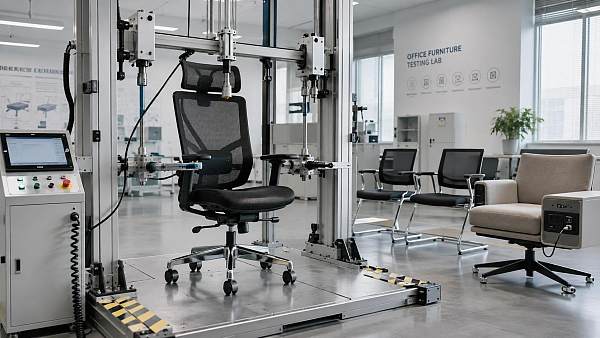
A common mistake is to compare one seating proposal on fire-related language and another on ergonomic or structural language, as if they are interchangeable. They are not. NFPA 260 addresses one part of upholstered seating behavior, while ANSI/BIFMA office chair safety and related commercial furniture criteria focus more on stability, strength, fatigue, and functional durability.
VOC emission levels in furniture add another layer. A seat can pass relevant ignition-resistance criteria and still create indoor environment concerns if adhesives, foam chemistry, coatings, or composite substrates are poorly controlled. That is why procurement teams increasingly request a 3-part review: fire-related data, durability-related data, and emissions-related documentation.
For operators, the key issue is not abstract certification language but whether the seating remains usable after 12–24 months of frequent occupancy and cleaning. Cushion collapse, seam stress, odor complaints, and early refurbishment are usually where hidden specification weaknesses appear. Those failures may not come from one single component; they often result from weak integration across foam, frame, upholstery, and finishing processes.
The table below helps separate these standards and evaluation dimensions so commercial teams can build a more disciplined comparison process during RFQ, pilot sampling, and final approval.
Used together, these dimensions give a more accurate picture than any single certificate line in a product sheet. For G-BCE audiences, that wider view is especially valuable when benchmarking Asian manufacturing proposals against commercial deployment requirements in North America, Europe, and multinational chain settings.
Three questions to ask during technical review
- Was the foam tested as part of an upholstery assembly, and does the proposed fabric or vinyl match the submitted configuration?
- What durability evidence supports the expected use intensity over 2–5 years in the target environment?
- Are material emission statements, cleaning instructions, and replacement component plans available at quotation stage?
These questions do not require proprietary testing data to be useful. They simply force a more complete procurement conversation, which reduces the chance of selecting seating that passes a paperwork review but underperforms in operation.
Which application scenarios need tighter foam and upholstery coordination?
Not every commercial seating project carries the same material risk. A low-traffic executive waiting room, a fast-casual dining rollout, and an airport gate bench may all use upholstered elements, but the loading profile, cleaning frequency, and replacement urgency are very different. That is why application-based specification is more reliable than catalog-based specification.
In practice, buyers should classify projects into at least 3 use bands: moderate turnover, heavy turnover, and extreme turnover. Each band changes the weight given to cushion recovery, seam retention, moisture resistance, and maintenance access. In heavy-use projects, foam that performs acceptably in a showroom can degrade much faster after 6–18 months of commercial use.
Restaurant seating wholesale projects often face a special challenge. Budget targets may encourage thin cushions or broad material substitutions late in the process. If the replacement upholstery or backing layer differs from the tested assembly, assumptions around NFPA 260 relevance can become weaker, even if the base product family seems similar.
The following scenario table helps operators and sourcing directors identify where tighter coordination between foam standard review, seating durability, and emissions screening is most useful.
This kind of matrix is useful because it turns a broad “fire retardant foam” discussion into a site-specific decision. It also helps commercial evaluators explain internally why two upholstered products at similar unit price may have very different lifecycle implications.
What operators should document before approval
Material coordination file
Create a short project file covering foam type, upholstery type, adhesive approach, cleaning method, and expected use category. Even a 1–2 page internal sheet can reduce confusion when substitutions happen between sample approval and bulk production.
Maintenance interval plan
For high-turnover seating, define inspection intervals such as monthly visual checks, quarterly cushion condition reviews, and annual refurbishment budgeting. This helps operations teams spot foam fatigue or upholstery stress before visible failure reaches customer-facing areas.
What should procurement teams compare before placing an order?
Procurement decisions become difficult when proposals look similar on paper. One supplier may emphasize low cost, another rapid delivery, and another compliance language without clarifying the tested seating assembly. To avoid false equivalence, purchasing teams should score suppliers across at least 5 checkpoints rather than comparing only unit price.
A useful process is to split evaluation into 3 phases: pre-qualification, sample review, and final commercial confirmation. Pre-qualification filters out weak documentation. Sample review checks actual seat feel, upholstery integration, and workmanship. Final confirmation verifies lead time, substitution control, packaging, and after-sales support for spare parts or replacement cushions.
In many cross-border programs, standard lead times for custom seating can fall within roughly 4–8 weeks after final approval, while material changes or complex upholstery detailing can extend timelines further. That is why procurement should ask not only “Can you comply?” but also “Can you keep the same specification under production pressure?”
The checklist below is practical for sourcing directors, project buyers, and business evaluators who need a structured way to compare contract furniture supplier capability without relying on vague sales language.
Five procurement checkpoints
- Test relevance: confirm whether NFPA 260 references apply to the proposed foam-and-cover combination rather than to an unrelated product family.
- Durability alignment: ask how the seating is positioned for moderate, heavy, or extreme use, and whether the frame and cushion strategy match that use band.
- Indoor environment review: request available VOC emission levels in furniture documentation or material declarations where project standards require them.
- Substitution control: require notification and approval procedures for changes in foam supplier, adhesive chemistry, upholstery backing, or cushion construction.
- Lifecycle support: confirm spare part logic, reupholstery feasibility, and response expectations for defects found in the first 6–12 months.
At G-BCE, this type of comparison is central to technical benchmarking. It helps multinational buyers move beyond isolated factory claims and toward a consistent, repeatable sourcing method that fits modern commercial interiors and consumer-facing property portfolios.
A practical supplier review framework
If you are reviewing 3–6 bids, assign weighted scores to documentation quality, commercial responsiveness, sample consistency, compliance clarity, and maintenance practicality. This gives decision-makers a more balanced view than price alone, especially for hospitality, transit, and lobby projects where furniture failure affects both operations and brand perception.
This framework is especially useful for teams managing both design expectations and cost pressure. It creates a shared language among architects, procurement, and operations so that NFPA 260 is discussed in the right context: one critical layer within a wider commercial seating decision.
Common misconceptions, implementation risks, and what to ask next
Many project teams assume that if a foam component is described as fire retardant, the entire seating product is automatically suitable for every public environment. That is too simplistic. Upholstered seating behavior depends on the assembled combination, the intended use case, and how closely production matches the reviewed specification.
Another misconception is that compliance and comfort trade off completely. In reality, the better question is whether the supplier can balance ignition-resistance needs, seat resilience, and emissions considerations without creating maintenance problems. This balance is often visible during sample evaluation and early pilot deployment rather than in a short brochure.
A third risk is poor handoff between sourcing and operations. If procurement closes on price but facilities teams never receive cleaning guidance, expected inspection intervals, or replacement component information, the project can become more expensive within the first 12 months. Documentation quality is therefore an operational issue, not just a compliance issue.
The FAQ below addresses the most common questions from researchers, operators, buyers, and commercial evaluators assessing NFPA 260 foam standards in high-turnover seating.
Does NFPA 260 replace structural seating tests?
No. NFPA 260 addresses a specific ignition-resistance scenario for upholstered furniture. It should be reviewed together with structural and safety criteria such as ANSI/BIFMA-related performance where relevant, especially when the seating will experience repeated loading across daily, weekly, and annual use cycles.
Is NFPA 260 equally important for all commercial spaces?
No. Its importance rises in public, high-contact, and high-turnover environments where upholstered seating is used by many people and risk review is stricter. For lower-traffic spaces, it may remain relevant, but lifecycle concerns such as comfort retention, VOC emission levels in furniture, and refurbishment planning may carry equal or greater weight.
What should buyers request during sample approval?
Request the proposed material stack, available compliance references, cleaning instructions, lead time assumptions, and any limits on substitutions. For custom or OEM projects, ask whether mockup approval covers the final foam, final upholstery, and final construction details rather than only visual appearance.
How long does a commercial seating review usually take?
A practical review often moves through 3 stages over 2–6 weeks, depending on project scale: document screening, sample inspection, and commercial confirmation. Larger rollouts, multi-region approvals, or custom upholstery coordination can extend that window, especially when multiple stakeholders need sign-off.
Why work with G-BCE when benchmarking contract seating for global projects?
G-BCE supports buyers and evaluators who need more than isolated product claims. Our strength is cross-sector benchmarking that connects commercial furniture performance, smart retail modernization, supply chain transparency, and global compliance language into one decision framework. That matters when high-turnover seating must satisfy not only design intent, but also sourcing discipline and operational resilience.
We help project teams compare supplier capability across documentation quality, standards alignment, maintainability, and commercial deployment fit. For global chain operators and developers, this reduces uncertainty when balancing Asian manufacturing efficiency with the aesthetic, functional, and regulatory expectations of international commercial spaces.
If you are evaluating NFPA 260 foam standards, restaurant seating wholesale options, lobby furniture OEM proposals, or broader contract furniture supplier comparisons, we can help you organize the review around the right questions. Typical consultation topics include 5 key areas: parameter confirmation, material selection, lead time planning, certification mapping, and sample support strategy.
Contact G-BCE to discuss your seating application, target market, expected use intensity, and documentation needs. We can support benchmarking for product selection, RFQ evaluation, custom specification review, compliance interpretation, quotation comparison, and sourcing communication before you commit to production.
- commercial furniture
- smart retail
- supply chain
- commercial spaces
- global chain
- technical benchmarking
- global chain operators
- contract furniture supplier
- restaurant seating wholesale
- lobby furniture oem
- ANSI/BIFMA office chair safety
- fire retardant foam standards (NFPA 260)
- VOC emission levels in furniture
News Recommendations
 How to choose an ultra bright waterproof window display for storefronts
![51a6ab95581761cc26f4318be6520c15]()
Aris Katos
Future of Carbide Coatings
 How to verify suppliers on a trade portal for global sourcing
![51a6ab95581761cc26f4318be6520c15]()
Aris Katos
Future of Carbide Coatings
 How RoHS requirements should be stated in product specifications
![51a6ab95581761cc26f4318be6520c15]()
Aris Katos
Future of Carbide Coatings
 What affects the lead time for custom retail counter displays?
![51a6ab95581761cc26f4318be6520c15]()
Aris Katos
Future of Carbide Coatings
 What consumer packaging USA importers need to verify before ordering
![51a6ab95581761cc26f4318be6520c15]()
Aris Katos
Future of Carbide Coatings
 How commercial spaces interiors shape customer dwell time
![51a6ab95581761cc26f4318be6520c15]()
Aris Katos
Future of Carbide Coatings
 How LED commercial lighting design reduces glare in retail spaces
![51a6ab95581761cc26f4318be6520c15]()
Aris Katos
Future of Carbide Coatings
 How industrial technology information improves RFID inventory accuracy
![51a6ab95581761cc26f4318be6520c15]()
Aris Katos
Future of Carbide Coatings
 When drip garden watering systems make more sense than sprinklers
![51a6ab95581761cc26f4318be6520c15]()
Aris Katos
Future of Carbide Coatings
 When category comparison improves sourcing for industrial applications
![51a6ab95581761cc26f4318be6520c15]()
Aris Katos
Future of Carbide Coatings
 Industrial application guidance for selecting the right LED lighting
![51a6ab95581761cc26f4318be6520c15]()
Aris Katos
Future of Carbide Coatings
 Which commercial architecture standards apply to European retail fit-outs?
![51a6ab95581761cc26f4318be6520c15]()
Aris Katos
Future of Carbide Coatings
 How to verify FDA requirements for maternity care products
![51a6ab95581761cc26f4318be6520c15]()
Aris Katos
Future of Carbide Coatings
 How to verify BPA-free claims for food-contact products
![51a6ab95581761cc26f4318be6520c15]()
Aris Katos
Future of Carbide Coatings
 When does a European wholesale supplier suit modular office projects?
![51a6ab95581761cc26f4318be6520c15]()
Aris Katos
Future of Carbide Coatings
 When consumer ecosystem solutions improve the in-store shopping journey
![51a6ab95581761cc26f4318be6520c15]()
Aris Katos
Future of Carbide Coatings
 How a commercial developers network can reduce site selection risk
![51a6ab95581761cc26f4318be6520c15]()
Aris Katos
Future of Carbide Coatings
 How clear purchasing specifications prevent costly supplier deviations
![51a6ab95581761cc26f4318be6520c15]()
Aris Katos
Future of Carbide Coatings
 What an ISTA drop test lab checks before your packaging ships
![51a6ab95581761cc26f4318be6520c15]()
Aris Katos
Future of Carbide Coatings
 Which commercial furniture standards apply to workplace seating?
![51a6ab95581761cc26f4318be6520c15]()
Aris Katos
Future of Carbide Coatings
 How to evaluate smart lighting module OEM compatibility before sampling
![51a6ab95581761cc26f4318be6520c15]()
Aris Katos
Future of Carbide Coatings
 How to assess whether sustainable technology delivers real impact
![51a6ab95581761cc26f4318be6520c15]()
Aris Katos
Future of Carbide Coatings
 How to assess an OEM supplier’s quality control before ordering
![51a6ab95581761cc26f4318be6520c15]()
Aris Katos
Future of Carbide Coatings
 How consumer ecosystem solutions data can improve retail personalization
![51a6ab95581761cc26f4318be6520c15]()
Aris Katos
Future of Carbide Coatings
 When does consumer packaging design justify a higher product price?
![51a6ab95581761cc26f4318be6520c15]()
Aris Katos
Future of Carbide Coatings
 Supermarket Fixture Installation: Planning Layouts, Wiring, and Handover
![51a6ab95581761cc26f4318be6520c15]()
Aris Katos
Future of Carbide Coatings
 Automated Lighting and Smart Lighting Control in Bergerac: Key Project Considerations
![51a6ab95581761cc26f4318be6520c15]()
Aris Katos
Future of Carbide Coatings
 Segment Streetlight Controllers: Choosing Control Modes for Urban Roads
![51a6ab95581761cc26f4318be6520c15]()
Aris Katos
Future of Carbide Coatings
 IEC 62471-2 Explained: How to Assess Photobiological Risks in LED Lighting
![51a6ab95581761cc26f4318be6520c15]()
Aris Katos
Future of Carbide Coatings
 Food Grade Packaging Requirements by Product Type, Temperature, and Contact Risk
![51a6ab95581761cc26f4318be6520c15]()
Aris Katos
Future of Carbide Coatings
 Food Packaging Compliance Checklist: Tests, Records, and Labeling Before Shipment
![51a6ab95581761cc26f4318be6520c15]()
Aris Katos
Future of Carbide Coatings
 NSF Food Packaging Standards: When Certification Matters for Commercial Food Use
![51a6ab95581761cc26f4318be6520c15]()
Aris Katos
Future of Carbide Coatings
 FDA Food Grade Compliance: Which Materials and Documents Do Buyers Need?
![51a6ab95581761cc26f4318be6520c15]()
Aris Katos
Future of Carbide Coatings
 What Should a Food Grade Declaration Include for Packaging Compliance?
![51a6ab95581761cc26f4318be6520c15]()
Aris Katos
Future of Carbide Coatings
 Housewares Importing: How to Evaluate Suppliers, Costs, and Compliance Risks
![51a6ab95581761cc26f4318be6520c15]()
Aris Katos
Future of Carbide Coatings
 Why Freeze-Dried Fruit Ingredients Lose Crispness—and How to Prevent It
![51a6ab95581761cc26f4318be6520c15]()
Aris Katos
Future of Carbide Coatings
 What industry veterans look for before choosing a new supplier
![51a6ab95581761cc26f4318be6520c15]()
Aris Katos
Future of Carbide Coatings
 How material fatigue can shorten the service life of retail shelving
![51a6ab95581761cc26f4318be6520c15]()
Aris Katos
Future of Carbide Coatings
 What makes a global sourcing platform reliable for supplier verification?
![51a6ab95581761cc26f4318be6520c15]()
Aris Katos
Future of Carbide Coatings