2026 CCEE & Global Platform Summit Opens in Shenzhen
Time
Click Count
On May 14, 2026, the 2026 China Cross-Border E-Commerce Expo (CCEE) and Global Platform Resources Conference opened in Shenzhen — a pivotal event signaling intensified platform-driven procurement alignment and rising demand for intelligent commercial space infrastructure across global B2B channels.
Event Overview
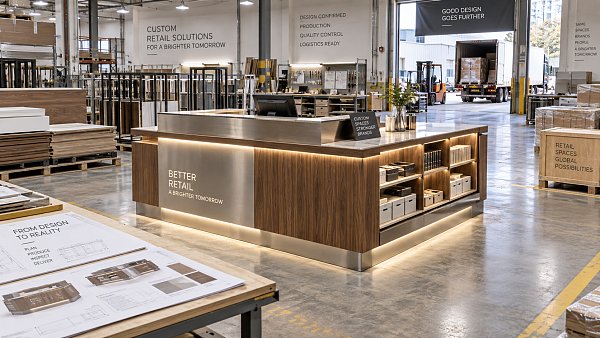
The 2026 China Cross-Border E-Commerce Expo (CCEE) is held from May 14 to 16 at the Shenzhen World Exhibition & Convention Center. This edition features, for the first time, a dedicated ‘Commercial Space Tech Zone’, showcasing 12 categories of smart commercial hardware solutions — including ergonomic office gear, POS and self-service kiosks, and smart lighting controls. Twenty-three leading global B2B procurement platforms — such as Amazon Business, Walmart Marketplace, and Leroy Merlin — are present onsite to release their key category procurement priorities for H2 2026, with emphasis on RFID-integrated office systems and modular retail terminals.

Industries Affected
Direct Export-Trading Enterprises
These firms face immediate recalibration of product positioning and channel strategy. The onsite release of H2 2026 procurement lists by major B2B platforms means that inventory planning, listing optimization, and certification readiness (e.g., FCC, CE, UL for smart hardware) must now align with platform-specific category roadmaps — not just generic market trends. Delayed responsiveness may result in missed shelf placement or algorithmic demotion on priority category feeds.
Raw Material Suppliers
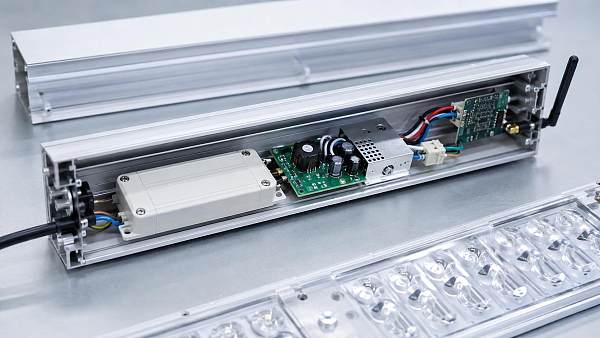
Suppliers of components such as PCBs, low-power Bluetooth modules, capacitive touch sensors, and aluminum extrusion profiles are seeing downstream demand signals shift toward higher integration standards. For instance, RFID-integrated office systems require embedded antenna design compatibility and near-field read-range consistency — specifications that feed back into material grade selection and supplier qualification protocols. Observably, material lead times and traceability documentation are gaining weight in platform vendor audits.
Contract Manufacturing & OEM/ODM Firms
Manufacturers supporting smart commercial hardware face tightening requirements around firmware upgradability, over-the-air (OTA) update architecture, and modular mechanical interfaces (e.g., standardized mounting rails for kiosk add-ons). Analysis shows that platform buyers are increasingly requesting ‘platform-ready’ design packages — including reference schematics, SDK access, and pre-certified wireless stacks — rather than turnkey finished goods alone. This shifts engineering resource allocation upstream and raises NRE cost sensitivity.
Supply Chain Service Providers
Logistics integrators, customs compliance specialists, and cross-border SaaS enablers must adapt to new data-handling expectations. The Commercial Space Tech Zone’s focus on integrated systems implies more complex HS code classifications (e.g., hybrid devices combining computing, sensing, and actuation), multi-jurisdictional regulatory mapping (e.g., EU Ecodesign for smart lighting + RoHS + RED), and dynamic duty optimization tools. Current evidence suggests that platforms are beginning to favor logistics partners offering real-time compliance dashboards alongside shipment tracking.
Key Focus Areas & Recommended Actions
Review H2 2026 Category Priorities Against Existing Product Lines
Exporters and manufacturers should cross-map their current SKUs against the 23 platforms’ published procurement lists — especially for RFID-integrated office systems and modular retail terminals. Prioritize products where firmware, mechanical modularity, or certification status can be upgraded within ≤90 days.
Engage Early with Platform Technical Liaisons
Amazon Business and Leroy Merlin have confirmed dedicated technical onboarding sessions during the event. Firms should prepare device-level documentation (block diagrams, API specs, test reports) and request clarity on preferred integration pathways — e.g., whether Amazon Business favors Matter-compliant lighting controls versus proprietary cloud gateways.
Assess Certification Readiness for Target Markets
Smart lighting controls and self-service kiosks entering EU or US markets require layered compliance: safety (UL/EN 62368), EMC (FCC Part 15 / EN 55032), radio (FCC ID / RED), and — increasingly — cybersecurity (EN 303 645 / NIST SP 800-213). Companies should audit existing certifications and identify gaps before Q3 2026 submission deadlines.
Editorial Perspective / Industry Observation
This edition of CCEE marks a structural inflection: global B2B platforms are no longer passive marketplaces but active category architects. Their curated procurement lists function as de facto industry roadmaps — influencing R&D investment, factory capacity planning, and even raw material sourcing decisions months in advance. From an industry perspective, the emergence of the ‘Commercial Space Tech Zone’ reflects a broader migration from consumer-facing smart home logic to enterprise-grade spatial intelligence — where interoperability, service lifecycle management, and physical-digital interface standardization matter more than standalone device novelty. It is better understood not as a trend, but as an operational prerequisite for scale in commercial hardware exports.
Conclusion
The 2026 CCEE underscores a maturing phase in cross-border hardware trade: platform-led demand signals are becoming binding coordination mechanisms across the value chain. Success will hinge less on broad market coverage and more on targeted technical alignment, certification agility, and responsive engineering collaboration. Rational observation suggests this model will extend beyond commercial space tech into industrial IoT and facility management segments in 2027 — making early capability building in modular design and compliance orchestration strategically non-deferrable.
Source Attribution
Official announcements from CCEE Organizing Committee (ccee-expo.com); platform procurement briefings released onsite at Shenzhen World Exhibition & Convention Center on May 14, 2026. Note: Finalized H2 2026 category weightings and regional rollout timelines remain subject to confirmation by individual platforms and are under ongoing monitoring.
News Recommendations
 Which industry categories offer the strongest export potential in Latin America?
![51a6ab95581761cc26f4318be6520c15]()
Aris Katos
Future of Carbide Coatings
 How to choose an ultra bright waterproof window display for storefronts
![51a6ab95581761cc26f4318be6520c15]()
Aris Katos
Future of Carbide Coatings
 How to verify suppliers on a trade portal for global sourcing
![51a6ab95581761cc26f4318be6520c15]()
Aris Katos
Future of Carbide Coatings
 How RoHS requirements should be stated in product specifications
![51a6ab95581761cc26f4318be6520c15]()
Aris Katos
Future of Carbide Coatings
 What affects the lead time for custom retail counter displays?
![51a6ab95581761cc26f4318be6520c15]()
Aris Katos
Future of Carbide Coatings
 What consumer packaging USA importers need to verify before ordering
![51a6ab95581761cc26f4318be6520c15]()
Aris Katos
Future of Carbide Coatings
 How commercial spaces interiors shape customer dwell time
![51a6ab95581761cc26f4318be6520c15]()
Aris Katos
Future of Carbide Coatings
 How LED commercial lighting design reduces glare in retail spaces
![51a6ab95581761cc26f4318be6520c15]()
Aris Katos
Future of Carbide Coatings
 How industrial technology information improves RFID inventory accuracy
![51a6ab95581761cc26f4318be6520c15]()
Aris Katos
Future of Carbide Coatings
 When drip garden watering systems make more sense than sprinklers
![51a6ab95581761cc26f4318be6520c15]()
Aris Katos
Future of Carbide Coatings
 When category comparison improves sourcing for industrial applications
![51a6ab95581761cc26f4318be6520c15]()
Aris Katos
Future of Carbide Coatings
 Industrial application guidance for selecting the right LED lighting
![51a6ab95581761cc26f4318be6520c15]()
Aris Katos
Future of Carbide Coatings
 Which commercial architecture standards apply to European retail fit-outs?
![51a6ab95581761cc26f4318be6520c15]()
Aris Katos
Future of Carbide Coatings
 How to verify FDA requirements for maternity care products
![51a6ab95581761cc26f4318be6520c15]()
Aris Katos
Future of Carbide Coatings
 How to verify BPA-free claims for food-contact products
![51a6ab95581761cc26f4318be6520c15]()
Aris Katos
Future of Carbide Coatings
 When does a European wholesale supplier suit modular office projects?
![51a6ab95581761cc26f4318be6520c15]()
Aris Katos
Future of Carbide Coatings
 When consumer ecosystem solutions improve the in-store shopping journey
![51a6ab95581761cc26f4318be6520c15]()
Aris Katos
Future of Carbide Coatings
 How a commercial developers network can reduce site selection risk
![51a6ab95581761cc26f4318be6520c15]()
Aris Katos
Future of Carbide Coatings
 How clear purchasing specifications prevent costly supplier deviations
![51a6ab95581761cc26f4318be6520c15]()
Aris Katos
Future of Carbide Coatings
 What an ISTA drop test lab checks before your packaging ships
![51a6ab95581761cc26f4318be6520c15]()
Aris Katos
Future of Carbide Coatings
 Which commercial furniture standards apply to workplace seating?
![51a6ab95581761cc26f4318be6520c15]()
Aris Katos
Future of Carbide Coatings
 How to evaluate smart lighting module OEM compatibility before sampling
![51a6ab95581761cc26f4318be6520c15]()
Aris Katos
Future of Carbide Coatings
 How to assess whether sustainable technology delivers real impact
![51a6ab95581761cc26f4318be6520c15]()
Aris Katos
Future of Carbide Coatings
 How to assess an OEM supplier’s quality control before ordering
![51a6ab95581761cc26f4318be6520c15]()
Aris Katos
Future of Carbide Coatings
 How consumer ecosystem solutions data can improve retail personalization
![51a6ab95581761cc26f4318be6520c15]()
Aris Katos
Future of Carbide Coatings
 When does consumer packaging design justify a higher product price?
![51a6ab95581761cc26f4318be6520c15]()
Aris Katos
Future of Carbide Coatings
 Supermarket Fixture Installation: Planning Layouts, Wiring, and Handover
![51a6ab95581761cc26f4318be6520c15]()
Aris Katos
Future of Carbide Coatings
 Automated Lighting and Smart Lighting Control in Bergerac: Key Project Considerations
![51a6ab95581761cc26f4318be6520c15]()
Aris Katos
Future of Carbide Coatings
 Segment Streetlight Controllers: Choosing Control Modes for Urban Roads
![51a6ab95581761cc26f4318be6520c15]()
Aris Katos
Future of Carbide Coatings
 IEC 62471-2 Explained: How to Assess Photobiological Risks in LED Lighting
![51a6ab95581761cc26f4318be6520c15]()
Aris Katos
Future of Carbide Coatings
 Food Grade Packaging Requirements by Product Type, Temperature, and Contact Risk
![51a6ab95581761cc26f4318be6520c15]()
Aris Katos
Future of Carbide Coatings
 Food Packaging Compliance Checklist: Tests, Records, and Labeling Before Shipment
![51a6ab95581761cc26f4318be6520c15]()
Aris Katos
Future of Carbide Coatings
 NSF Food Packaging Standards: When Certification Matters for Commercial Food Use
![51a6ab95581761cc26f4318be6520c15]()
Aris Katos
Future of Carbide Coatings
 FDA Food Grade Compliance: Which Materials and Documents Do Buyers Need?
![51a6ab95581761cc26f4318be6520c15]()
Aris Katos
Future of Carbide Coatings
 What Should a Food Grade Declaration Include for Packaging Compliance?
![51a6ab95581761cc26f4318be6520c15]()
Aris Katos
Future of Carbide Coatings
 Housewares Importing: How to Evaluate Suppliers, Costs, and Compliance Risks
![51a6ab95581761cc26f4318be6520c15]()
Aris Katos
Future of Carbide Coatings
 Why Freeze-Dried Fruit Ingredients Lose Crispness—and How to Prevent It
![51a6ab95581761cc26f4318be6520c15]()
Aris Katos
Future of Carbide Coatings
 What industry veterans look for before choosing a new supplier
![51a6ab95581761cc26f4318be6520c15]()
Aris Katos
Future of Carbide Coatings
 How material fatigue can shorten the service life of retail shelving
![51a6ab95581761cc26f4318be6520c15]()
Aris Katos
Future of Carbide Coatings