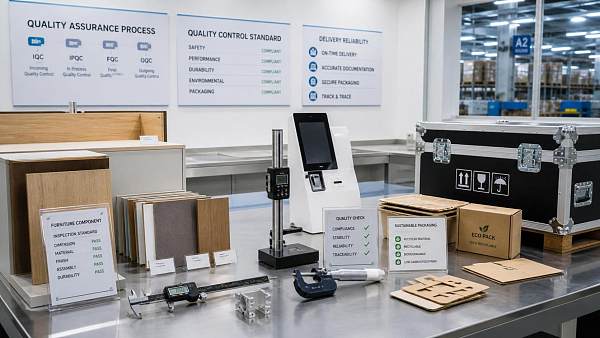
School furniture manufacturers are under pressure to design quieter classrooms
Time
Click Count
As school furniture manufacturer priorities shift toward quieter, healthier learning environments, buyers are rethinking every detail—from stackable commercial chairs and library shelving systems wholesale to acoustic solutions for open offices. For procurement teams and evaluators, the challenge is balancing noise control, durability, safety standards, and modern classroom flexibility without compromising long-term value.
Why quieter classrooms have become a serious procurement issue

Noise is no longer treated as a minor comfort issue in education spaces. In K-12 classrooms, libraries, training rooms, and multi-use learning zones, background sound affects concentration, speech intelligibility, and room control. For school furniture manufacturers, this means product design must now address both physical function and acoustic performance. Chairs that scrape, desks that rattle, and shelving that amplifies vibration can all undermine the learning environment.
The pressure is stronger in facilities that use open-plan layouts, movable partitions, and flexible furniture. These spaces often switch between 3-5 learning modes in one day: lecture, group work, testing, quiet reading, and after-hours community use. A furniture package that works mechanically but creates excessive noise quickly becomes an operational problem for teachers and facility managers.
For buyers, the issue is broader than classroom seating alone. School furniture procurement increasingly overlaps with commercial furniture, acoustic planning, storage systems, and circulation design. That is why specifiers often compare stackable chairs, caster options, edge materials, shelf anchoring, and floor contact components in the same review cycle rather than treating them as separate categories.
G-BCE supports this evaluation approach by connecting furniture selection with wider commercial-space benchmarking. Through cross-sector visibility into Commercial Furniture & Fixtures, Smart Retail Technology, Commercial Lighting & Signage, and supply chain performance, decision-makers can compare not just unit price, but usability, standards alignment, sourcing risk, and lifecycle suitability across international markets.
Where noise usually comes from in school furniture systems
In most projects, noise is generated by repeated contact points rather than one dramatic source. Typical issues include plastic glides wearing out within 6-12 months, metal-to-metal impact in folding mechanisms, hollow steel frames amplifying movement, and shelving units transmitting vibration into hard floors or adjacent walls. Small design details create daily noise exposure over 7-10 hours of occupancy.
- Chair feet and glides that drag on vinyl, tile, or polished concrete instead of sliding quietly under regular student movement.
- Tablet arm chairs, nesting tables, and flip-top desks with loosened pivots that begin to click or rattle after frequent reconfiguration.
- Library shelving systems wholesale packages that prioritize capacity but ignore vibration damping, especially in high-traffic aisles.
- Storage doors, bins, and mobile cabinets that close hard because no soft-close or impact-reducing components were specified.
These practical pain points explain why quieter classroom design is now a sourcing question, not just an architectural one. Buyers want measurable ways to compare solutions before rollout, especially when procurement covers multiple schools, phased renovations, or international supply chains with varying quality levels.
What should buyers compare when reviewing quiet classroom furniture?
A good evaluation framework should combine acoustic behavior, durability, mobility, cleaning compatibility, and compliance. In practice, procurement teams usually narrow decisions using 5 core dimensions: floor contact noise, structural stability, maintenance frequency, material finish suitability, and standards alignment. This reduces the risk of selecting products that look modern but perform poorly after 1-2 school terms.
The comparison becomes more important when schools request flexible layouts. A stackable chair used only for exams has different priorities than a daily-use mobile chair in a STEM room. Likewise, library shelving systems wholesale for quiet reading zones need a different vibration and anchoring profile than storage units used in makerspaces or circulation-heavy media centers.
The table below helps procurement teams compare common furniture categories from a noise-control perspective while still considering operational demands and service life.
A useful takeaway is that quieter classroom performance rarely depends on a single premium material. It usually comes from a coordinated package: floor interface, frame construction, joint stability, and maintenance-friendly hardware. That is why side-by-side review is more reliable than buying by catalog image or unit cost alone.
Three practical procurement checks before approval
Before issuing a final purchase order, many professional buyers apply a short validation process. This is especially valuable for medium and large projects where lead times may run 4-8 weeks, samples must be approved, and phased delivery needs coordination with school calendars.
- Request a movement test on actual flooring conditions. A glide or caster that sounds acceptable on carpet may become disruptive on tile or sealed concrete.
- Review wear components separately from the main frame. Replaceable glides, bumpers, hinges, and caster sets directly affect maintenance costs over 12-36 months.
- Confirm documentation for structural and commercial-use suitability, especially when products are adapted from office or hospitality lines rather than designed for education environments.
This is where G-BCE adds value for sourcing directors and evaluators. Instead of reviewing isolated product claims, buyers can benchmark furniture components against broader international expectations for durability, standards references, supply consistency, and use-case fit across modern commercial environments.
Which technical features actually reduce classroom noise?
Quiet classroom furniture is not defined by one label. It is created through multiple technical choices that reduce vibration, soften impact, and stabilize movement. In most school projects, buyers should focus on 4 technical layers: contact surfaces, frame behavior, moving parts, and installation details. Ignoring any one of these can weaken the overall result.
At the floor-contact level, glide compounds and caster materials matter more than many buyers expect. Hard materials may last longer in abrasive environments, but they can increase sound on hard flooring. Softer compounds may lower noise but need replacement planning. The right choice depends on usage frequency, cleaning chemicals, and the daily movement pattern of students and staff.
At the structure level, tubular steel, molded polymer, laminate panels, and wood-based composites all behave differently under repeated motion. Hollow sections can amplify resonance if not well damped. Lightweight mobile products can improve room flexibility, yet some become unstable if the weight distribution is too aggressive or if locking components are underspecified.
Technical elements worth specifying early
The following table gives a specification-oriented view that can help school furniture manufacturers, dealers, and procurement teams speak the same language during product review and customization discussions.
In many cases, the best specification is not the most complex one. It is the one that matches use frequency and maintenance capacity. For example, a quiet glide solution that needs monthly replacement may not suit a district with limited facility labor, while a slightly firmer but more durable solution may offer better total value over 2-3 budget cycles.
Standards and compliance considerations
When school furniture manufacturers supply international buyers, acoustic comfort should be evaluated alongside structural and material compliance. Common reference points may include BIFMA-related commercial furniture expectations, CE-related market access requirements where applicable, and general safety review for stability, edges, finishes, and indoor-use suitability. Exact applicability depends on product category and destination market.
Procurement teams should not assume that a quiet product is automatically suitable for institutional use. The stronger approach is to verify 3 areas together: physical safety, structural reliability, and maintenance practicality. This avoids a common mistake in which a soft-touch or visually refined product is selected but fails under heavy school use within one academic year.
How to balance budget, durability, and flexibility in real projects
Budget pressure often drives schools toward standard low-cost furniture, yet noise complaints and replacement costs can erase the initial savings. The more useful question is not “What is the cheapest chair or shelving unit?” but “Which combination delivers acceptable acoustic performance over the planned service period?” For many buyers, that period is reviewed over 3-5 years, not just initial delivery.
The decision becomes more complex when classrooms must support multiple layouts. Lightweight mobile desks improve flexibility, but they can increase movement noise if poorly specified. Fixed desks can be quieter, yet they reduce room adaptability. In libraries and learning commons, higher-capacity shelving can improve storage density, but overbuilt systems may create heavier impact noise if user flow is not considered.
A practical sourcing strategy is to segment by zone. Quiet reading areas, testing rooms, and special support classrooms usually justify higher acoustic sensitivity. High-turnover spaces such as cafeterias, assembly zones, and temporary learning areas may prioritize stackability, storage efficiency, and easy component replacement. Not every zone needs the same furniture specification.
A budget-focused selection model
The table below outlines how buyers can align noise-control expectations with procurement budget and room function without overengineering every space.
This staged view is useful because it gives evaluators and purchasing teams a practical path forward even when funding is limited. Instead of delaying all improvements, schools can target high-impact components first, then expand specifications over the next 2-4 procurement phases as budgets allow.
Common mistakes that increase long-term cost
- Buying mobile furniture without checking caster compatibility against the existing floor maintenance routine.
- Selecting library shelving systems wholesale based only on storage capacity, without reviewing anchoring and aisle traffic behavior.
- Assuming stackable commercial chairs used in hospitality or events will automatically meet the wear patterns of education spaces.
- Ignoring replacement part access, which can turn a low-cost initial purchase into a costly maintenance burden after 12-18 months.
For global buyers, supply chain visibility also matters. A quiet classroom program may involve furniture, fixtures, packaging, labeling, and logistics handling. G-BCE helps decision-makers compare these linked variables so sourcing plans reflect not just product appearance, but deployment reality across commercial and institutional environments.
FAQ for school furniture buyers, operators, and project evaluators
Search intent around quiet classroom furniture is often highly practical. Buyers want to know what to ask, how long a project takes, and which features matter most in use. The questions below address the most common decision points in school furniture procurement and specification review.
How do I choose between stackable chairs and mobile classroom chairs?
Use the room schedule as the first filter. If the space changes layout only once or twice per week, stackable commercial chairs may be the simpler solution, especially when storage density matters. If the room shifts multiple times per day, mobile seating may improve operation. However, ask for caster details, locking behavior, and movement noise tests on the actual floor type before approval.
Are library shelving systems wholesale suitable for quiet learning zones?
They can be, but not by default. Buyers should review shelf stability, end-panel rigidity, anchoring method, and user traffic pattern. In a quiet study zone, even minor vibration becomes noticeable. For medium and large libraries, it is wise to inspect at least 3 factors together: structural layout, floor interface, and loading pattern across active aisles.
What is a typical delivery and approval timeline?
For standard commercial-style furniture adapted to education settings, sample review and technical confirmation often take 1-3 weeks, while production and delivery may require 4-8 weeks depending on quantity, finishes, and export coordination. Custom color matching, special glides, or compliance documentation can extend the timeline, so early specification clarity is valuable.
What should procurement teams request from suppliers before finalizing?
At minimum, ask for material details, hardware descriptions, replaceable wear-part information, applicable standards references, and packaging or delivery planning for phased installation. If the project includes open offices, staff collaboration zones, or adjacent library areas, request coordination advice so the furniture package supports a consistent acoustic strategy rather than isolated product choices.
Why work with G-BCE when evaluating quieter classroom solutions?
Quieter classrooms sit at the intersection of furniture design, commercial space planning, material suitability, and global sourcing discipline. G-BCE helps buyers move beyond fragmented product comparisons by benchmarking furniture and related hardware within a wider commercial ecosystem. This is especially useful when projects involve multiple suppliers, cross-border manufacturing, or mixed-use educational environments that share design logic with offices, libraries, and public commercial spaces.
Our strength lies in translating Asian manufacturing capability into sourcing decisions that meet international commercial expectations. Through visibility across Commercial Furniture & Fixtures, Smart Retail Technology, Consumer Goods Supply Chain, Commercial Lighting & Signage, and Sustainable Packaging, G-BCE supports a more complete review of what drives long-term performance: specification discipline, standards awareness, operational fit, and supply chain clarity.
If you are assessing school furniture manufacturers for quieter classrooms, we can help you compare furniture types, review acoustic risk points, align classroom and library applications, and clarify what should be checked before RFQ or sample approval. This is valuable for information researchers building specifications, users managing daily operations, procurement teams balancing cost and reliability, and business evaluators reviewing supplier readiness.
What you can contact us about
- Parameter confirmation for stackable commercial chairs, mobile desks, shelving systems, and mixed classroom packages.
- Product selection support based on room type, traffic level, flooring condition, and maintenance expectations.
- Lead time review for standard programs, phased delivery, and custom specification projects across 4-8 week planning windows.
- Guidance on standards references, commercial-use suitability, material choices, and documentation expectations for international sourcing.
- Sample support, quotation alignment, and comparison of alternative solutions for budget-sensitive or high-performance classroom environments.
If your team is reviewing quieter classroom furniture, library shelving systems wholesale, or adjacent acoustic solutions for open offices and learning commons, contact G-BCE with your target application, quantity range, timeline, and compliance concerns. We can help structure the comparison so your next decision is based on use-case fit, measurable risk reduction, and realistic sourcing outcomes.
- commercial furniture
- smart retail
- supply chain
- consumer goods
- commercial lighting
- signage
- sustainable packaging
- retail technology
- commercial spaces
- commercial environments
- consumer goods supply chain
- smart retail technology
- school furniture manufacturer
- acoustic solutions for open offices
- library shelving systems wholesale
- stackable commercial chairs
News Recommendations
 How to choose an ultra bright waterproof window display for storefronts
![51a6ab95581761cc26f4318be6520c15]()
Aris Katos
Future of Carbide Coatings
 How to verify suppliers on a trade portal for global sourcing
![51a6ab95581761cc26f4318be6520c15]()
Aris Katos
Future of Carbide Coatings
 How RoHS requirements should be stated in product specifications
![51a6ab95581761cc26f4318be6520c15]()
Aris Katos
Future of Carbide Coatings
 What affects the lead time for custom retail counter displays?
![51a6ab95581761cc26f4318be6520c15]()
Aris Katos
Future of Carbide Coatings
 What consumer packaging USA importers need to verify before ordering
![51a6ab95581761cc26f4318be6520c15]()
Aris Katos
Future of Carbide Coatings
 How commercial spaces interiors shape customer dwell time
![51a6ab95581761cc26f4318be6520c15]()
Aris Katos
Future of Carbide Coatings
 How LED commercial lighting design reduces glare in retail spaces
![51a6ab95581761cc26f4318be6520c15]()
Aris Katos
Future of Carbide Coatings
 How industrial technology information improves RFID inventory accuracy
![51a6ab95581761cc26f4318be6520c15]()
Aris Katos
Future of Carbide Coatings
 When drip garden watering systems make more sense than sprinklers
![51a6ab95581761cc26f4318be6520c15]()
Aris Katos
Future of Carbide Coatings
 When category comparison improves sourcing for industrial applications
![51a6ab95581761cc26f4318be6520c15]()
Aris Katos
Future of Carbide Coatings
 Industrial application guidance for selecting the right LED lighting
![51a6ab95581761cc26f4318be6520c15]()
Aris Katos
Future of Carbide Coatings
 Which commercial architecture standards apply to European retail fit-outs?
![51a6ab95581761cc26f4318be6520c15]()
Aris Katos
Future of Carbide Coatings
 How to verify FDA requirements for maternity care products
![51a6ab95581761cc26f4318be6520c15]()
Aris Katos
Future of Carbide Coatings
 How to verify BPA-free claims for food-contact products
![51a6ab95581761cc26f4318be6520c15]()
Aris Katos
Future of Carbide Coatings
 When does a European wholesale supplier suit modular office projects?
![51a6ab95581761cc26f4318be6520c15]()
Aris Katos
Future of Carbide Coatings
 When consumer ecosystem solutions improve the in-store shopping journey
![51a6ab95581761cc26f4318be6520c15]()
Aris Katos
Future of Carbide Coatings
 How a commercial developers network can reduce site selection risk
![51a6ab95581761cc26f4318be6520c15]()
Aris Katos
Future of Carbide Coatings
 How clear purchasing specifications prevent costly supplier deviations
![51a6ab95581761cc26f4318be6520c15]()
Aris Katos
Future of Carbide Coatings
 What an ISTA drop test lab checks before your packaging ships
![51a6ab95581761cc26f4318be6520c15]()
Aris Katos
Future of Carbide Coatings
 Which commercial furniture standards apply to workplace seating?
![51a6ab95581761cc26f4318be6520c15]()
Aris Katos
Future of Carbide Coatings
 How to evaluate smart lighting module OEM compatibility before sampling
![51a6ab95581761cc26f4318be6520c15]()
Aris Katos
Future of Carbide Coatings
 How to assess whether sustainable technology delivers real impact
![51a6ab95581761cc26f4318be6520c15]()
Aris Katos
Future of Carbide Coatings
 How to assess an OEM supplier’s quality control before ordering
![51a6ab95581761cc26f4318be6520c15]()
Aris Katos
Future of Carbide Coatings
 How consumer ecosystem solutions data can improve retail personalization
![51a6ab95581761cc26f4318be6520c15]()
Aris Katos
Future of Carbide Coatings
 When does consumer packaging design justify a higher product price?
![51a6ab95581761cc26f4318be6520c15]()
Aris Katos
Future of Carbide Coatings
 Supermarket Fixture Installation: Planning Layouts, Wiring, and Handover
![51a6ab95581761cc26f4318be6520c15]()
Aris Katos
Future of Carbide Coatings
 Automated Lighting and Smart Lighting Control in Bergerac: Key Project Considerations
![51a6ab95581761cc26f4318be6520c15]()
Aris Katos
Future of Carbide Coatings
 Segment Streetlight Controllers: Choosing Control Modes for Urban Roads
![51a6ab95581761cc26f4318be6520c15]()
Aris Katos
Future of Carbide Coatings
 IEC 62471-2 Explained: How to Assess Photobiological Risks in LED Lighting
![51a6ab95581761cc26f4318be6520c15]()
Aris Katos
Future of Carbide Coatings
 Food Grade Packaging Requirements by Product Type, Temperature, and Contact Risk
![51a6ab95581761cc26f4318be6520c15]()
Aris Katos
Future of Carbide Coatings
 Food Packaging Compliance Checklist: Tests, Records, and Labeling Before Shipment
![51a6ab95581761cc26f4318be6520c15]()
Aris Katos
Future of Carbide Coatings
 NSF Food Packaging Standards: When Certification Matters for Commercial Food Use
![51a6ab95581761cc26f4318be6520c15]()
Aris Katos
Future of Carbide Coatings
 FDA Food Grade Compliance: Which Materials and Documents Do Buyers Need?
![51a6ab95581761cc26f4318be6520c15]()
Aris Katos
Future of Carbide Coatings
 What Should a Food Grade Declaration Include for Packaging Compliance?
![51a6ab95581761cc26f4318be6520c15]()
Aris Katos
Future of Carbide Coatings
 Housewares Importing: How to Evaluate Suppliers, Costs, and Compliance Risks
![51a6ab95581761cc26f4318be6520c15]()
Aris Katos
Future of Carbide Coatings
 Why Freeze-Dried Fruit Ingredients Lose Crispness—and How to Prevent It
![51a6ab95581761cc26f4318be6520c15]()
Aris Katos
Future of Carbide Coatings
 What industry veterans look for before choosing a new supplier
![51a6ab95581761cc26f4318be6520c15]()
Aris Katos
Future of Carbide Coatings
 How material fatigue can shorten the service life of retail shelving
![51a6ab95581761cc26f4318be6520c15]()
Aris Katos
Future of Carbide Coatings
 What makes a global sourcing platform reliable for supplier verification?
![51a6ab95581761cc26f4318be6520c15]()
Aris Katos
Future of Carbide Coatings