Conference room furniture wholesale without the usual lead time surprises
Time
Click Count
For buyers comparing conference room furniture wholesale options, the biggest risk is not price—it is unpredictable lead times that disrupt rollout plans and budget control. This guide explains how contract furniture supplier selection, stackable commercial chairs, foldable conference tables wholesale, and smart office furniture integration can be evaluated together, so procurement teams can source faster, reduce delays, and align performance with modern office design trends 2026.
For information researchers, operators, procurement managers, and commercial evaluators, the conference room is no longer a simple meeting area. It is a multi-use business asset that must support hybrid collaboration, visitor reception, internal training, and fast space reconfiguration. When wholesale furniture orders arrive 2 to 6 weeks later than expected, the impact reaches far beyond installation. It affects branch openings, tenant handovers, labor scheduling, AV commissioning, and even brand perception.
Within global commercial fit-out projects, G-BCE focuses on the operational link between sourcing intelligence and practical deployment. In conference room furniture wholesale, that means evaluating suppliers not only by unit cost, but by production rhythm, materials readiness, testing compliance, packaging method, and the ability to coordinate with smart office furniture integration. A shorter nominal lead time is not enough if the schedule is unstable.
Why lead time volatility matters more than a low unit price
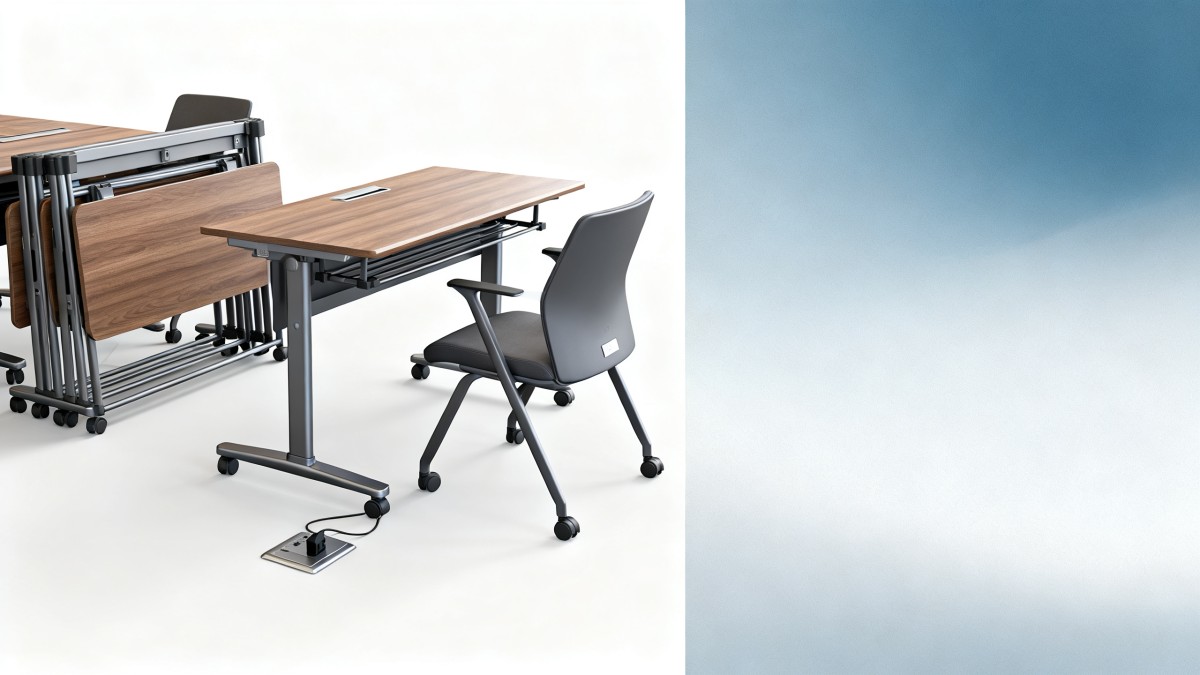
In wholesale conference room procurement, buyers often compare quotations line by line and assume the lowest landed cost creates the best value. In reality, a 5% lower unit price can be erased quickly by delayed rollout costs. If a regional office launch slips by 14 to 21 days, project teams may face temporary rental fees, idle installation labor, rushed local replacements, or partial occupancy. These indirect costs are rarely visible in the first quotation review.
Lead time surprises usually happen because the furniture package includes multiple product types with different production paths. Stackable commercial chairs may have a 20 to 30 day cycle, while foldable conference tables wholesale orders may require 25 to 40 days depending on laminates, edge treatment, metal frame coating, and hardware availability. If cable management modules, power access boxes, or monitor lift systems are added later, the original schedule may no longer be valid.
Another common issue is that buyers receive a broad estimate rather than a stage-based delivery calendar. “4 to 6 weeks” sounds acceptable, but it says little about sampling, engineering confirmation, mass production, carton marking, pre-shipment inspection, or split shipment options. For multi-site procurement, each milestone should be visible. Without that visibility, even experienced sourcing teams struggle to align furniture, lighting, signage, and digital devices in one opening sequence.
Typical causes of wholesale schedule disruption
The most frequent delays are not always factory shutdowns or shipping congestion. They often come from smaller process failures that compound over time. Commercial buyers should track at least 6 risk points before issuing a purchase order:
- Unconfirmed finish samples, especially veneer tone, powder coat color, and tabletop texture.
- Component sourcing gaps for casters, hinges, connectors, and power modules.
- Design revisions after quoting, including seat dimensions, cable routing, or branding details.
- Packaging changes required for export stacking, palletization, or elevator size limits on site.
- Testing or compliance questions related to BIFMA, CE-linked electrical modules, or fire-rating expectations.
- Mixed-container consolidation delays when furniture ships with other commercial fixtures.
For procurement teams managing office modernization, the practical goal is not simply to find fast suppliers. It is to find suppliers with repeatable schedule control. A stable 35-day lead time is usually easier to manage than an advertised 25-day cycle that frequently extends to 45 days.
How to evaluate conference room furniture wholesale suppliers beyond the quote
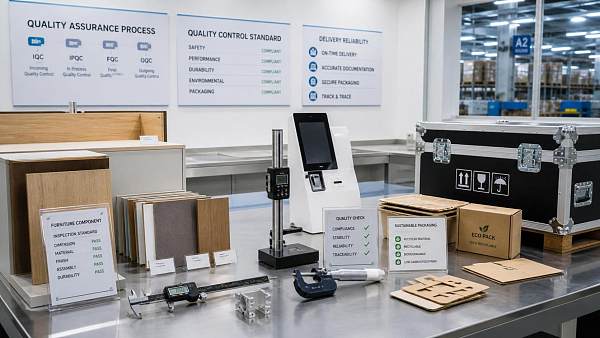
A reliable contract furniture supplier should be evaluated through production capability, engineering coordination, quality consistency, and communication discipline. Buyers in commercial environments should ask for a lead time structure by phase rather than a single promise. A useful format includes 3 to 5 checkpoints: drawing approval, material preparation, pilot production, final assembly, and inspection readiness. This framework reveals whether the supplier manages operations or simply estimates from experience.
The next filter is product family compatibility. Conference room furniture rarely works as a single SKU purchase. Chairs, tables, credenzas, mobile storage, acoustic accessories, and power/data elements must work together in dimensions, finish language, and packaging logic. A supplier that can coordinate 4 or more related categories usually reduces rework risk compared with fragmented sourcing from separate vendors.
Commercial buyers should also validate how design customization affects timing. Small changes such as modesty panels, under-table cable trays, grommet positions, or flip-top mechanisms may add 3 to 10 production days. If the supplier cannot explain the time effect of each option, the quotation is not yet operationally useful.
Supplier comparison criteria for schedule-sensitive projects
The table below shows a practical comparison model procurement teams can use during commercial evaluation. It helps separate low-price offers from truly controllable conference room furniture wholesale programs.
This comparison method makes one point clear: the best supplier is often the one with the most transparent process, not the cheapest opening quote. In schedule-driven projects, process transparency directly supports budget control.
Questions that buyers should ask before approval
- What is the realistic lead time for standard models versus customized finishes?
- Which components are stocked, and which are ordered only after deposit confirmation?
- Can the supplier split shipments by floor, region, or installation priority?
- What documentation is available for commercial durability, electrical modules, and assembly instructions?
For G-BCE-aligned sourcing teams, these questions support a broader benchmarking approach. Furniture should be reviewed not just as a design purchase, but as a commercial infrastructure package linked to timelines, compliance, and space performance.
Matching product types to room function and modern office design trends 2026
Not every conference room needs the same furniture mix. In many organizations, one boardroom, two training rooms, and several flexible collaboration spaces may sit within the same floor plate. Wholesale decisions should therefore start with room usage frequency, occupancy range, and reset speed. A room used 5 days per week for executive meetings has different priorities from a project room reconfigured 3 times per day.
Modern office design trends 2026 favor adaptable layouts, lower visual clutter, and integrated technology. This increases demand for stackable commercial chairs that can be stored quickly, foldable conference tables wholesale packages that support rapid room turnover, and cable-managed smart office furniture integration that reduces visible wiring. The combination improves operational flexibility without forcing a full renovation every 2 to 3 years.
For operators, the practical metrics are easy to define. Chairs may need to stack 6 to 10 high without frame damage. Foldable tables should allow one-person handling where possible, typically in the 20 to 35 kg range depending on size and mechanism. Cable access should be reachable without tools for routine device changes. These details matter more in daily use than purely decorative features.
Recommended furniture configuration by conference room scenario
The following matrix helps procurement teams align product selection with room type, reset frequency, and technology needs.
The table shows why conference room furniture wholesale should be driven by function clusters rather than isolated SKUs. When room typology is clear, buyers can balance appearance, ergonomics, mobility, and installation timing more effectively.
Key specification checkpoints for 2026-ready meeting spaces
- Seat durability suited to commercial traffic, especially in rooms with 20 or more weekly user cycles.
- Table edge and surface finishes that tolerate repeated cleaning without early wear.
- Integrated power, USB, or cable access planned at the furniture stage rather than added after installation.
- Storage and mobility strategy for foldable and stackable products, including trolley compatibility where needed.
The result is a space that supports both user comfort and operational discipline. That is increasingly important as businesses expect commercial interiors to perform across digital collaboration, sustainability goals, and evolving workplace density.
Building a predictable procurement and delivery process
Even strong products fail commercially if the procurement process is loose. The most effective wholesale programs use a structured 5-step path that connects design intent, lead time control, and installation readiness. This is especially important for international sourcing, where factory timelines must align with freight booking, customs documentation, and local fit-out sequencing.
A practical 5-step sourcing workflow
- Define room-by-room requirements, including seating count, table size, power needs, and reset frequency.
- Shortlist contract furniture supplier options based on category coverage and timeline transparency.
- Freeze specifications early, especially finishes, hardware, and smart office furniture integration points.
- Approve a milestone-based production schedule with inspection and packing checkpoints.
- Coordinate delivery sequence with installers, AV teams, and facility operators at least 7 to 10 days before arrival.
This workflow reduces change-driven delay. In many projects, the biggest schedule loss happens between quotation approval and production release because stakeholders continue adjusting finishes or layouts. A specification freeze discipline can save 5 to 12 days on medium-volume orders.
Commercial buyers should also request packaging logic in advance. For example, stackable commercial chairs may ship in denser carton patterns, while premium conference tables require more protective packaging and lower container efficiency. If site access includes small elevators or after-hours delivery windows, those constraints should be reflected before packing begins, not after cargo lands.
Delivery planning checkpoints that prevent last-minute issues
The checklist below helps align sourcing, freight, and on-site execution in one delivery model.
A predictable process does not eliminate all risk, but it converts vague uncertainty into manageable checkpoints. That is the difference between reactive sourcing and commercial-grade procurement control.
Common mistakes, FAQ, and practical next steps for buyers
Many wholesale buyers still assume conference room furniture is simple compared with retail fixtures or technical workstations. That assumption creates avoidable errors. The most common mistake is choosing based on appearance first and logistics second. In practice, dimensions, handling method, packaging density, and technology coordination often determine whether the project runs smoothly.
Another mistake is treating stackable commercial chairs and foldable conference tables wholesale products as universal solutions. They are useful, but only when storage paths, trolley access, floor protection, and reset labor are considered. A chair that stacks 8 high on paper may still be inefficient if operators lack proper storage space or if frames scratch during frequent movement.
The final mistake is failing to connect furniture procurement with broader workplace systems. Smart office furniture integration should be planned alongside power access, booking technology, acoustic strategy, and meeting room behavior. When these elements are sourced separately, lead times become harder to control and user satisfaction often drops in the first 90 days of operation.
FAQ: What buyers ask most often
How long does conference room furniture wholesale usually take?
For standard commercial models, a typical production range is 3 to 6 weeks. Customized finishes, integrated power modules, or mixed-category orders can extend this to 6 to 8 weeks. Freight and local delivery must be added separately, so procurement schedules should not rely only on factory time.
What should procurement teams prioritize first?
Prioritize function, room type, and lead time structure before debating minor finish details. A good starting framework includes 4 factors: seating count, reconfiguration frequency, technology needs, and installation deadline. This creates a sourcing brief that suppliers can quote more accurately.
Are foldable conference tables always the best choice for flexible offices?
Not always. They work well in training rooms and multi-purpose areas, but fixed or semi-fixed conference tables may be better for executive spaces where visual presence, cable concealment, and daily stability matter more than mobility. The decision should follow room usage, not trend alone.
Which standards or performance references matter most?
For commercial furniture, buyers often review durability, stability, surface performance, and component quality against recognized benchmarks such as BIFMA-related expectations, as well as applicable electrical and market-entry requirements where integrated modules are involved. The exact requirement depends on market, product type, and project scope.
Conference room furniture wholesale works best when buyers combine sourcing discipline with realistic operational planning. The strongest programs compare suppliers by schedule transparency, room-fit product logic, and readiness for modern office design trends 2026 rather than by price alone. If you need a clearer benchmark for contract furniture supplier selection, stackable commercial chairs, foldable conference tables wholesale planning, or smart office furniture integration, contact G-BCE to get a tailored sourcing framework, product evaluation support, and more informed commercial fit-out solutions.
News Recommendations
 How to choose an ultra bright waterproof window display for storefronts
![51a6ab95581761cc26f4318be6520c15]()
Aris Katos
Future of Carbide Coatings
 How to verify suppliers on a trade portal for global sourcing
![51a6ab95581761cc26f4318be6520c15]()
Aris Katos
Future of Carbide Coatings
 How RoHS requirements should be stated in product specifications
![51a6ab95581761cc26f4318be6520c15]()
Aris Katos
Future of Carbide Coatings
 What affects the lead time for custom retail counter displays?
![51a6ab95581761cc26f4318be6520c15]()
Aris Katos
Future of Carbide Coatings
 What consumer packaging USA importers need to verify before ordering
![51a6ab95581761cc26f4318be6520c15]()
Aris Katos
Future of Carbide Coatings
 How commercial spaces interiors shape customer dwell time
![51a6ab95581761cc26f4318be6520c15]()
Aris Katos
Future of Carbide Coatings
 How LED commercial lighting design reduces glare in retail spaces
![51a6ab95581761cc26f4318be6520c15]()
Aris Katos
Future of Carbide Coatings
 How industrial technology information improves RFID inventory accuracy
![51a6ab95581761cc26f4318be6520c15]()
Aris Katos
Future of Carbide Coatings
 When drip garden watering systems make more sense than sprinklers
![51a6ab95581761cc26f4318be6520c15]()
Aris Katos
Future of Carbide Coatings
 When category comparison improves sourcing for industrial applications
![51a6ab95581761cc26f4318be6520c15]()
Aris Katos
Future of Carbide Coatings
 Industrial application guidance for selecting the right LED lighting
![51a6ab95581761cc26f4318be6520c15]()
Aris Katos
Future of Carbide Coatings
 Which commercial architecture standards apply to European retail fit-outs?
![51a6ab95581761cc26f4318be6520c15]()
Aris Katos
Future of Carbide Coatings
 How to verify FDA requirements for maternity care products
![51a6ab95581761cc26f4318be6520c15]()
Aris Katos
Future of Carbide Coatings
 How to verify BPA-free claims for food-contact products
![51a6ab95581761cc26f4318be6520c15]()
Aris Katos
Future of Carbide Coatings
 When does a European wholesale supplier suit modular office projects?
![51a6ab95581761cc26f4318be6520c15]()
Aris Katos
Future of Carbide Coatings
 When consumer ecosystem solutions improve the in-store shopping journey
![51a6ab95581761cc26f4318be6520c15]()
Aris Katos
Future of Carbide Coatings
 How a commercial developers network can reduce site selection risk
![51a6ab95581761cc26f4318be6520c15]()
Aris Katos
Future of Carbide Coatings
 How clear purchasing specifications prevent costly supplier deviations
![51a6ab95581761cc26f4318be6520c15]()
Aris Katos
Future of Carbide Coatings
 What an ISTA drop test lab checks before your packaging ships
![51a6ab95581761cc26f4318be6520c15]()
Aris Katos
Future of Carbide Coatings
 Which commercial furniture standards apply to workplace seating?
![51a6ab95581761cc26f4318be6520c15]()
Aris Katos
Future of Carbide Coatings
 How to evaluate smart lighting module OEM compatibility before sampling
![51a6ab95581761cc26f4318be6520c15]()
Aris Katos
Future of Carbide Coatings
 How to assess whether sustainable technology delivers real impact
![51a6ab95581761cc26f4318be6520c15]()
Aris Katos
Future of Carbide Coatings
 How to assess an OEM supplier’s quality control before ordering
![51a6ab95581761cc26f4318be6520c15]()
Aris Katos
Future of Carbide Coatings
 How consumer ecosystem solutions data can improve retail personalization
![51a6ab95581761cc26f4318be6520c15]()
Aris Katos
Future of Carbide Coatings
 When does consumer packaging design justify a higher product price?
![51a6ab95581761cc26f4318be6520c15]()
Aris Katos
Future of Carbide Coatings
 Supermarket Fixture Installation: Planning Layouts, Wiring, and Handover
![51a6ab95581761cc26f4318be6520c15]()
Aris Katos
Future of Carbide Coatings
 Automated Lighting and Smart Lighting Control in Bergerac: Key Project Considerations
![51a6ab95581761cc26f4318be6520c15]()
Aris Katos
Future of Carbide Coatings
 Segment Streetlight Controllers: Choosing Control Modes for Urban Roads
![51a6ab95581761cc26f4318be6520c15]()
Aris Katos
Future of Carbide Coatings
 IEC 62471-2 Explained: How to Assess Photobiological Risks in LED Lighting
![51a6ab95581761cc26f4318be6520c15]()
Aris Katos
Future of Carbide Coatings
 Food Grade Packaging Requirements by Product Type, Temperature, and Contact Risk
![51a6ab95581761cc26f4318be6520c15]()
Aris Katos
Future of Carbide Coatings
 Food Packaging Compliance Checklist: Tests, Records, and Labeling Before Shipment
![51a6ab95581761cc26f4318be6520c15]()
Aris Katos
Future of Carbide Coatings
 NSF Food Packaging Standards: When Certification Matters for Commercial Food Use
![51a6ab95581761cc26f4318be6520c15]()
Aris Katos
Future of Carbide Coatings
 FDA Food Grade Compliance: Which Materials and Documents Do Buyers Need?
![51a6ab95581761cc26f4318be6520c15]()
Aris Katos
Future of Carbide Coatings
 What Should a Food Grade Declaration Include for Packaging Compliance?
![51a6ab95581761cc26f4318be6520c15]()
Aris Katos
Future of Carbide Coatings
 Housewares Importing: How to Evaluate Suppliers, Costs, and Compliance Risks
![51a6ab95581761cc26f4318be6520c15]()
Aris Katos
Future of Carbide Coatings
 Why Freeze-Dried Fruit Ingredients Lose Crispness—and How to Prevent It
![51a6ab95581761cc26f4318be6520c15]()
Aris Katos
Future of Carbide Coatings
 What industry veterans look for before choosing a new supplier
![51a6ab95581761cc26f4318be6520c15]()
Aris Katos
Future of Carbide Coatings
 How material fatigue can shorten the service life of retail shelving
![51a6ab95581761cc26f4318be6520c15]()
Aris Katos
Future of Carbide Coatings
 What makes a global sourcing platform reliable for supplier verification?
![51a6ab95581761cc26f4318be6520c15]()
Aris Katos
Future of Carbide Coatings