PV Technology Trends Shaping 2026 Project Planning
Time
Click Count
As 2026 budgets and construction timelines tighten, PV technology is no longer treated as a side utility upgrade. It now shapes site selection, facade planning, operating cost models, and sustainability reporting across commercial projects.
That shift matters because energy systems increasingly affect tenant experience, asset resilience, and procurement strategy at the same time. In mixed-use, retail, logistics, and branded environments, solar decisions now sit closer to core project planning.
For teams tracking global benchmarks through platforms such as G-BCE, the picture is broader than panel efficiency alone. PV technology now intersects with smart retail infrastructure, lighting loads, material standards, and supply chain transparency.
Why PV technology has moved into the planning stage
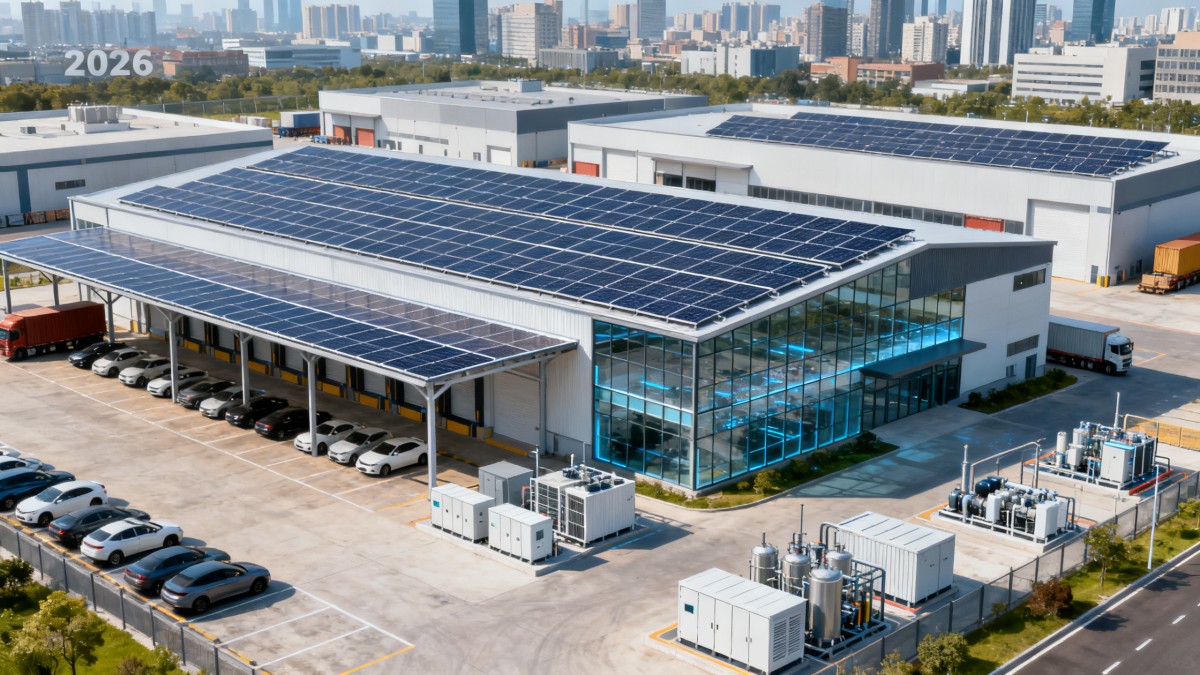
In earlier project cycles, solar was often reviewed after major architectural and MEP decisions were already fixed. That approach is becoming expensive, because the best value from PV technology depends on early coordination.
Roof loading, shading analysis, inverter placement, cable routing, fire access, battery room requirements, and utility interconnection all influence design choices. If these issues surface late, schedule risk rises quickly.
There is also a business reason for earlier attention. Energy volatility, carbon disclosure pressure, and rising expectations for resilient commercial spaces push owners to view PV technology as infrastructure, not decoration.
In sectors covered by G-BCE, this is especially visible where digital systems and physical environments converge. A store, showroom, office campus, or distribution site now depends on stable power for signage, POS, sensors, charging, and connected equipment.
What decision-makers should mean by PV technology in 2026
The term covers more than photovoltaic modules. In practice, PV technology includes module chemistry, mounting systems, inverters, storage compatibility, software monitoring, wiring architecture, and long-term serviceability.
That broader definition is useful because 2026 planning depends on system performance in real operating conditions. A high-efficiency module may still underperform if integration, maintenance access, or load matching is poorly handled.
The system is becoming more intelligent
Software is now central to PV technology value. Monitoring platforms can compare generation patterns with occupancy, lighting demand, refrigeration loads, and EV charging cycles.
That matters in commercial environments where demand peaks are predictable but operationally sensitive. Smarter control improves self-consumption, reveals maintenance issues earlier, and supports more reliable forecasting for finance teams.
Materials and form factors are diversifying
Traditional rooftop arrays remain dominant, yet building-integrated options are gaining attention. Glass, canopy, facade, and carport applications can make PV technology part of the project language rather than an add-on.
For premium commercial spaces, appearance is not a minor issue. Aesthetic consistency, visible quality, and durable finishes increasingly influence specification choices alongside output and payback.
The trends shaping 2026 project planning
Several developments are changing how PV technology is evaluated across sectors. The most important trends are not isolated innovations. They affect procurement logic, design sequencing, and operational planning together.
- Higher module efficiency improves energy density where roof area is limited.
- Hybrid systems combine solar, storage, and demand controls more often.
- Lifecycle data is becoming more important than headline wattage.
- Compliance and certification checks start earlier in sourcing workflows.
- Supply chain visibility now affects risk scoring for project approvals.
The last point deserves extra attention. Procurement teams increasingly want proof that PV technology components meet quality, safety, and traceability expectations across markets.
This aligns with the benchmarking role of G-BCE, where cross-sector comparison helps projects avoid narrow technical decisions. A strong solar specification should fit broader commercial performance standards, not just electrical output targets.
A quick view of what is changing
Where these trends show up in real commercial settings
PV technology has different value depending on the operating profile of a site. Looking at applications by setting makes planning choices more practical.
Retail and branded environments
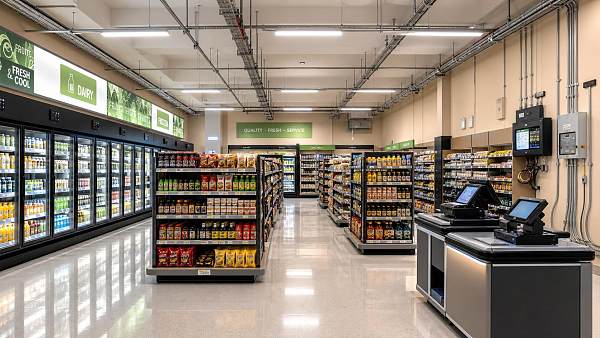
Retail sites often carry daytime loads that align well with solar generation. Lighting, digital signage, HVAC, POS infrastructure, and back-office systems create a meaningful base demand.
Here, PV technology can improve operating margins while supporting visible sustainability goals. Design teams also need to account for roof equipment density and the visual role of canopies or parking structures.
Warehousing and distribution
These assets often offer large roof areas and predictable daytime consumption. PV technology works well when structural checks, membrane warranties, and maintenance paths are resolved early.
If electrified fleets or charging stations are planned, storage compatibility becomes more relevant. The solar system should be sized around future load evolution, not just current utility bills.
Office, mixed-use, and public-facing campuses
These projects typically balance energy savings with user experience and architectural coherence. In this context, PV technology may include facade integration, shaded walkways, or solar carports.
The decision is rarely only technical. It affects brand impression, occupant comfort, and the perceived quality of the built environment.
How to judge PV technology options without oversimplifying
The common mistake is to compare options by installed cost alone. A more reliable review connects financial, technical, and operational criteria from the start.
- Check usable energy yield, not just module nameplate performance.
- Review degradation assumptions and warranty enforceability.
- Confirm compatibility with EMS, BMS, and future storage additions.
- Assess certifications, testing records, and supplier transparency.
- Include maintenance access, cleaning needs, and replacement logistics.
In international projects, standards alignment is especially important. G-BCE’s cross-border perspective is relevant here because sourcing decisions must often satisfy technical expectations across different regulatory and aesthetic environments.
That means PV technology should be judged as part of a larger commercial system. A component that looks efficient on paper may create coordination problems if it clashes with safety rules, facade intent, or digital infrastructure plans.
A practical planning path for 2026
A useful next step is to structure evaluation in phases rather than waiting for a final procurement round. This reduces redesign risk and improves the quality of vendor comparisons.
Start with project realities
Map roof area, facade potential, operating loads, local interconnection conditions, and future electrification plans. This sets the real boundary for PV technology choices.
Build a comparison framework
Use a matrix that weighs efficiency, design fit, compliance, monitoring capability, sourcing traceability, and maintenance burden. A broader framework produces better long-term decisions.
Keep expansion in view
Even if storage or EV charging is not included in phase one, the system should remain expandable. Future-ready PV technology often delivers value by avoiding avoidable retrofit costs.
For 2026 planning, the strongest position comes from treating solar as part of commercial ecosystem design. That means linking energy generation with architecture, digital operations, procurement standards, and lifecycle resilience.
A grounded review of PV technology should therefore begin with site conditions, continue through benchmarked technical comparison, and end with a clear operating model. That is usually where better projects separate themselves from cheaper specifications.
News Recommendations
 How to verify suppliers on a trade portal for global sourcing
![51a6ab95581761cc26f4318be6520c15]()
Aris Katos
Future of Carbide Coatings
 How RoHS requirements should be stated in product specifications
![51a6ab95581761cc26f4318be6520c15]()
Aris Katos
Future of Carbide Coatings
 What affects the lead time for custom retail counter displays?
![51a6ab95581761cc26f4318be6520c15]()
Aris Katos
Future of Carbide Coatings
 What consumer packaging USA importers need to verify before ordering
![51a6ab95581761cc26f4318be6520c15]()
Aris Katos
Future of Carbide Coatings
 How commercial spaces interiors shape customer dwell time
![51a6ab95581761cc26f4318be6520c15]()
Aris Katos
Future of Carbide Coatings
 How LED commercial lighting design reduces glare in retail spaces
![51a6ab95581761cc26f4318be6520c15]()
Aris Katos
Future of Carbide Coatings
 How industrial technology information improves RFID inventory accuracy
![51a6ab95581761cc26f4318be6520c15]()
Aris Katos
Future of Carbide Coatings
 When drip garden watering systems make more sense than sprinklers
![51a6ab95581761cc26f4318be6520c15]()
Aris Katos
Future of Carbide Coatings
 When category comparison improves sourcing for industrial applications
![51a6ab95581761cc26f4318be6520c15]()
Aris Katos
Future of Carbide Coatings
 Industrial application guidance for selecting the right LED lighting
![51a6ab95581761cc26f4318be6520c15]()
Aris Katos
Future of Carbide Coatings
 Which commercial architecture standards apply to European retail fit-outs?
![51a6ab95581761cc26f4318be6520c15]()
Aris Katos
Future of Carbide Coatings
 How to verify FDA requirements for maternity care products
![51a6ab95581761cc26f4318be6520c15]()
Aris Katos
Future of Carbide Coatings
 How to verify BPA-free claims for food-contact products
![51a6ab95581761cc26f4318be6520c15]()
Aris Katos
Future of Carbide Coatings
 When does a European wholesale supplier suit modular office projects?
![51a6ab95581761cc26f4318be6520c15]()
Aris Katos
Future of Carbide Coatings
 When consumer ecosystem solutions improve the in-store shopping journey
![51a6ab95581761cc26f4318be6520c15]()
Aris Katos
Future of Carbide Coatings
 How a commercial developers network can reduce site selection risk
![51a6ab95581761cc26f4318be6520c15]()
Aris Katos
Future of Carbide Coatings
 How clear purchasing specifications prevent costly supplier deviations
![51a6ab95581761cc26f4318be6520c15]()
Aris Katos
Future of Carbide Coatings
 What an ISTA drop test lab checks before your packaging ships
![51a6ab95581761cc26f4318be6520c15]()
Aris Katos
Future of Carbide Coatings
 Which commercial furniture standards apply to workplace seating?
![51a6ab95581761cc26f4318be6520c15]()
Aris Katos
Future of Carbide Coatings
 How to evaluate smart lighting module OEM compatibility before sampling
![51a6ab95581761cc26f4318be6520c15]()
Aris Katos
Future of Carbide Coatings
 How to assess whether sustainable technology delivers real impact
![51a6ab95581761cc26f4318be6520c15]()
Aris Katos
Future of Carbide Coatings
 How to assess an OEM supplier’s quality control before ordering
![51a6ab95581761cc26f4318be6520c15]()
Aris Katos
Future of Carbide Coatings
 How consumer ecosystem solutions data can improve retail personalization
![51a6ab95581761cc26f4318be6520c15]()
Aris Katos
Future of Carbide Coatings
 When does consumer packaging design justify a higher product price?
![51a6ab95581761cc26f4318be6520c15]()
Aris Katos
Future of Carbide Coatings
 Supermarket Fixture Installation: Planning Layouts, Wiring, and Handover
![51a6ab95581761cc26f4318be6520c15]()
Aris Katos
Future of Carbide Coatings
 Automated Lighting and Smart Lighting Control in Bergerac: Key Project Considerations
![51a6ab95581761cc26f4318be6520c15]()
Aris Katos
Future of Carbide Coatings
 Segment Streetlight Controllers: Choosing Control Modes for Urban Roads
![51a6ab95581761cc26f4318be6520c15]()
Aris Katos
Future of Carbide Coatings
 IEC 62471-2 Explained: How to Assess Photobiological Risks in LED Lighting
![51a6ab95581761cc26f4318be6520c15]()
Aris Katos
Future of Carbide Coatings
 Food Grade Packaging Requirements by Product Type, Temperature, and Contact Risk
![51a6ab95581761cc26f4318be6520c15]()
Aris Katos
Future of Carbide Coatings
 Food Packaging Compliance Checklist: Tests, Records, and Labeling Before Shipment
![51a6ab95581761cc26f4318be6520c15]()
Aris Katos
Future of Carbide Coatings
 NSF Food Packaging Standards: When Certification Matters for Commercial Food Use
![51a6ab95581761cc26f4318be6520c15]()
Aris Katos
Future of Carbide Coatings
 FDA Food Grade Compliance: Which Materials and Documents Do Buyers Need?
![51a6ab95581761cc26f4318be6520c15]()
Aris Katos
Future of Carbide Coatings
 What Should a Food Grade Declaration Include for Packaging Compliance?
![51a6ab95581761cc26f4318be6520c15]()
Aris Katos
Future of Carbide Coatings
 Housewares Importing: How to Evaluate Suppliers, Costs, and Compliance Risks
![51a6ab95581761cc26f4318be6520c15]()
Aris Katos
Future of Carbide Coatings
 Why Freeze-Dried Fruit Ingredients Lose Crispness—and How to Prevent It
![51a6ab95581761cc26f4318be6520c15]()
Aris Katos
Future of Carbide Coatings
 What industry veterans look for before choosing a new supplier
![51a6ab95581761cc26f4318be6520c15]()
Aris Katos
Future of Carbide Coatings
 How material fatigue can shorten the service life of retail shelving
![51a6ab95581761cc26f4318be6520c15]()
Aris Katos
Future of Carbide Coatings
 What makes a global sourcing platform reliable for supplier verification?
![51a6ab95581761cc26f4318be6520c15]()
Aris Katos
Future of Carbide Coatings
 When are double platinum spark plugs a better choice than iridium?
![51a6ab95581761cc26f4318be6520c15]()
Aris Katos
Future of Carbide Coatings