Wearable Technology Use Cases That Are Expanding Beyond Fitness
Time
Click Count
Wearable Technology Use Cases That Are Expanding Beyond Fitness
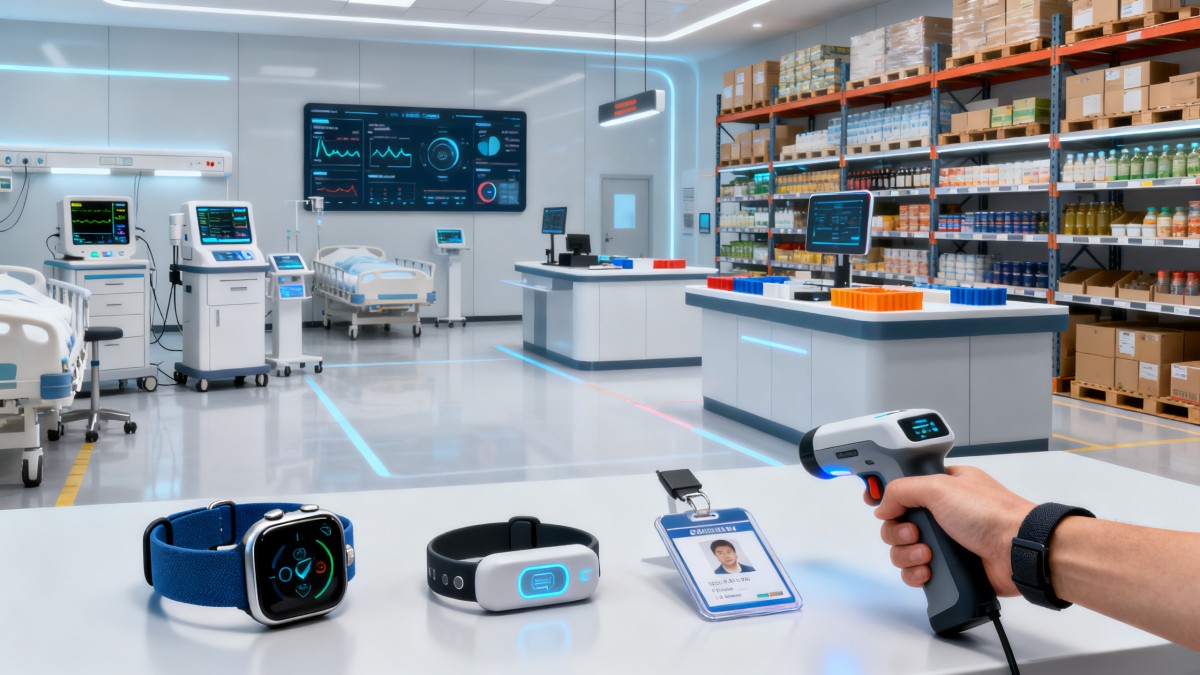
Wearable technology is no longer limited to step counts and calorie tracking. That shift is becoming more visible across commercial environments.
Healthcare systems, retail operators, logistics teams, and industrial facilities now treat wearable technology as a business tool, not a consumer novelty.
The real value comes from real-time data, safer workflows, faster decisions, and better user experiences across connected spaces.
For organizations modernizing physical operations, wearable technology creates a bridge between human activity and digital intelligence.
That is especially relevant in ecosystems where operational design, hardware quality, compliance, and supply chain visibility must work together.
Why Wearable Technology Is Entering New Business Scenarios
Several forces are pushing wearable technology beyond fitness. Sensors are better, battery life is longer, and cloud platforms are easier to integrate.
At the same time, businesses need more visibility into frontline performance. Traditional dashboards often miss what happens on the ground.
Wearable technology closes that gap by capturing motion, location, temperature, fatigue signals, task completion, and customer interaction patterns.
More importantly, the business case has matured. Leaders now expect measurable outcomes, not experimental pilots with vague innovation claims.
That changes the conversation from “Can we deploy wearables?” to “Where will wearable technology improve margin, resilience, and service quality?”
Business factors driving adoption
- Labor shortages increase demand for productivity support and task guidance.
- Safety regulations require stronger monitoring in industrial and commercial settings.
- Connected stores and facilities need better data from people, not just machines.
- Service brands want more personalized, responsive customer experiences.
- Global sourcing teams need hardware that aligns with UL, CE, and BIFMA expectations.
Healthcare Wearable Technology Is Becoming Operational Infrastructure
Healthcare is one of the clearest examples of wearable technology moving beyond fitness.
Remote patient monitoring helps providers track heart rate, sleep, oxygen levels, and recovery patterns without constant in-person visits.
In hospitals, smart badges and connected wrist devices support staff communication, patient flow, and emergency response speed.
This matters because healthcare systems are under pressure to reduce avoidable admissions while improving quality of care.
Wearable technology also creates usable longitudinal data, which improves treatment planning and post-discharge engagement.
Where value shows up fastest
- Chronic disease management with continuous monitoring.
- Post-surgery recovery tracking outside hospital walls.
- Staff coordination through hands-free alerts and location tools.
- Elder care programs focused on fall detection and mobility changes.
From a commercial perspective, wearable technology in healthcare supports hybrid service models that combine physical care with digital oversight.
Workplace Safety Is One of the Strongest Wearable Technology Use Cases
Industrial and field operations are adopting wearable technology for a simple reason: safety data saves time, money, and lives.
Connected helmets, smart vests, and wrist-worn sensors can detect heat stress, fatigue, impact events, and unsafe movement patterns.
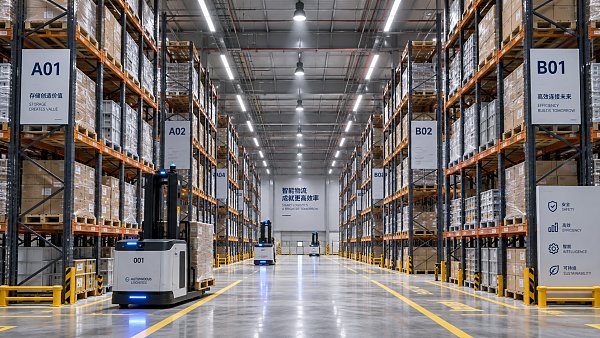
In warehouses, wearable technology helps reduce repetitive strain and supports guided picking, navigation, and task confirmation.
This is where business outcomes become very practical. Fewer incidents mean lower disruption, lower insurance exposure, and better workforce stability.
It also gives managers a more accurate picture of operating conditions across multiple sites.
Implementation priorities
- Start with high-risk zones or repetitive tasks.
- Define alert thresholds that fit actual workflow conditions.
- Check device durability, battery resilience, and cleaning requirements.
- Align data handling with privacy and labor policy expectations.
Retail and Customer Experience Are Opening New Wearable Technology Opportunities
Retail is another area where wearable technology is expanding quickly, though the use case looks different from healthcare or heavy industry.
Store associates can use smart badges, voice wearables, or lightweight headsets to access inventory, receive tasks, and assist customers faster.
For premium retail environments, wearable technology can support appointment-based service, guided product discovery, and seamless checkout support.
The benefit is not just speed. Better service consistency improves brand perception across locations and formats.
This also connects well with smart retail infrastructure, AI-enabled POS systems, and data-rich commercial fixtures.
Examples with strong commercial potential
- Hands-free clienteling for luxury and specialty stores.
- Real-time task routing for restocking and omnichannel pickup.
- Queue management support during traffic spikes.
- Staff communication across large-format commercial spaces.
In actual operations, wearable technology works best when it fits store design, fixture layout, signage logic, and service flow.
Logistics, Warehousing, and Field Service Gain Measurable Efficiency
Wearable technology is also changing how goods move through supply chains.
In distribution environments, scanners worn on the hand or wrist reduce friction compared with handheld devices.
Voice-directed wearables help workers keep both hands free while improving picking accuracy and training speed.
Field technicians use wearable technology for remote assistance, digital work instructions, and live compliance checks.
That creates a direct link between operational efficiency and customer satisfaction, especially in service-sensitive sectors.
Key metrics to track
What Decision-Makers Should Evaluate Before Scaling Wearable Technology
Not every wearable technology program succeeds. The gap usually appears in integration, governance, and user adoption.
A strong pilot should test workflow fit, not just device performance.
It should also examine whether the hardware works well with existing software, facility design, safety rules, and sourcing standards.
This is where technical benchmarking becomes critical. Device quality, sensor stability, ergonomics, materials, and certification all affect long-term value.
In global programs, differences in climate, labor practice, commercial layout, and service expectations must be considered from the start.
A practical evaluation checklist
- Clarify the target outcome before choosing the device type.
- Confirm interoperability with POS, ERP, WMS, or facility platforms.
- Review compliance, privacy, and worker consent requirements.
- Assess comfort, hygiene, maintenance, and replacement cycles.
- Benchmark vendors against international standards and deployment support.
The Next Phase of Wearable Technology Is Ecosystem Integration
The next wave of wearable technology will not be defined by devices alone.
It will be defined by how well those devices connect with smart retail systems, commercial interiors, supply chain visibility tools, and sustainability goals.
That broader view matters for organizations building resilient commercial ecosystems across regions and operating models.
Wearable technology can improve safety, service, and efficiency, but only when it is deployed as part of a coherent operational architecture.
From recent market signals, the strongest opportunities are no longer in consumer novelty. They are in measurable business performance.
That means the winning approach is selective, standards-aware, and grounded in real workflow design.
For teams evaluating their next modernization step, wearable technology deserves attention where people, space, and data must work as one.
A focused pilot in one high-value scenario is often the clearest way to identify scalable returns and avoid expensive guesswork.
News Recommendations
 What affects the lead time for custom retail counter displays?
![51a6ab95581761cc26f4318be6520c15]()
Aris Katos
Future of Carbide Coatings
 What consumer packaging USA importers need to verify before ordering
![51a6ab95581761cc26f4318be6520c15]()
Aris Katos
Future of Carbide Coatings
 How commercial spaces interiors shape customer dwell time
![51a6ab95581761cc26f4318be6520c15]()
Aris Katos
Future of Carbide Coatings
 How LED commercial lighting design reduces glare in retail spaces
![51a6ab95581761cc26f4318be6520c15]()
Aris Katos
Future of Carbide Coatings
 How industrial technology information improves RFID inventory accuracy
![51a6ab95581761cc26f4318be6520c15]()
Aris Katos
Future of Carbide Coatings
 When drip garden watering systems make more sense than sprinklers
![51a6ab95581761cc26f4318be6520c15]()
Aris Katos
Future of Carbide Coatings
 When category comparison improves sourcing for industrial applications
![51a6ab95581761cc26f4318be6520c15]()
Aris Katos
Future of Carbide Coatings
 Industrial application guidance for selecting the right LED lighting
![51a6ab95581761cc26f4318be6520c15]()
Aris Katos
Future of Carbide Coatings
 Which commercial architecture standards apply to European retail fit-outs?
![51a6ab95581761cc26f4318be6520c15]()
Aris Katos
Future of Carbide Coatings
 How to verify FDA requirements for maternity care products
![51a6ab95581761cc26f4318be6520c15]()
Aris Katos
Future of Carbide Coatings
 How to verify BPA-free claims for food-contact products
![51a6ab95581761cc26f4318be6520c15]()
Aris Katos
Future of Carbide Coatings
 When does a European wholesale supplier suit modular office projects?
![51a6ab95581761cc26f4318be6520c15]()
Aris Katos
Future of Carbide Coatings
 When consumer ecosystem solutions improve the in-store shopping journey
![51a6ab95581761cc26f4318be6520c15]()
Aris Katos
Future of Carbide Coatings
 How a commercial developers network can reduce site selection risk
![51a6ab95581761cc26f4318be6520c15]()
Aris Katos
Future of Carbide Coatings
 How clear purchasing specifications prevent costly supplier deviations
![51a6ab95581761cc26f4318be6520c15]()
Aris Katos
Future of Carbide Coatings
 What an ISTA drop test lab checks before your packaging ships
![51a6ab95581761cc26f4318be6520c15]()
Aris Katos
Future of Carbide Coatings
 Which commercial furniture standards apply to workplace seating?
![51a6ab95581761cc26f4318be6520c15]()
Aris Katos
Future of Carbide Coatings
 How to evaluate smart lighting module OEM compatibility before sampling
![51a6ab95581761cc26f4318be6520c15]()
Aris Katos
Future of Carbide Coatings
 How to assess whether sustainable technology delivers real impact
![51a6ab95581761cc26f4318be6520c15]()
Aris Katos
Future of Carbide Coatings
 How to assess an OEM supplier’s quality control before ordering
![51a6ab95581761cc26f4318be6520c15]()
Aris Katos
Future of Carbide Coatings
 How consumer ecosystem solutions data can improve retail personalization
![51a6ab95581761cc26f4318be6520c15]()
Aris Katos
Future of Carbide Coatings
 When does consumer packaging design justify a higher product price?
![51a6ab95581761cc26f4318be6520c15]()
Aris Katos
Future of Carbide Coatings
 Supermarket Fixture Installation: Planning Layouts, Wiring, and Handover
![51a6ab95581761cc26f4318be6520c15]()
Aris Katos
Future of Carbide Coatings
 Automated Lighting and Smart Lighting Control in Bergerac: Key Project Considerations
![51a6ab95581761cc26f4318be6520c15]()
Aris Katos
Future of Carbide Coatings
 Segment Streetlight Controllers: Choosing Control Modes for Urban Roads
![51a6ab95581761cc26f4318be6520c15]()
Aris Katos
Future of Carbide Coatings
 IEC 62471-2 Explained: How to Assess Photobiological Risks in LED Lighting
![51a6ab95581761cc26f4318be6520c15]()
Aris Katos
Future of Carbide Coatings
 Food Grade Packaging Requirements by Product Type, Temperature, and Contact Risk
![51a6ab95581761cc26f4318be6520c15]()
Aris Katos
Future of Carbide Coatings
 Food Packaging Compliance Checklist: Tests, Records, and Labeling Before Shipment
![51a6ab95581761cc26f4318be6520c15]()
Aris Katos
Future of Carbide Coatings
 NSF Food Packaging Standards: When Certification Matters for Commercial Food Use
![51a6ab95581761cc26f4318be6520c15]()
Aris Katos
Future of Carbide Coatings
 FDA Food Grade Compliance: Which Materials and Documents Do Buyers Need?
![51a6ab95581761cc26f4318be6520c15]()
Aris Katos
Future of Carbide Coatings
 What Should a Food Grade Declaration Include for Packaging Compliance?
![51a6ab95581761cc26f4318be6520c15]()
Aris Katos
Future of Carbide Coatings
 Housewares Importing: How to Evaluate Suppliers, Costs, and Compliance Risks
![51a6ab95581761cc26f4318be6520c15]()
Aris Katos
Future of Carbide Coatings
 Why Freeze-Dried Fruit Ingredients Lose Crispness—and How to Prevent It
![51a6ab95581761cc26f4318be6520c15]()
Aris Katos
Future of Carbide Coatings
 What industry veterans look for before choosing a new supplier
![51a6ab95581761cc26f4318be6520c15]()
Aris Katos
Future of Carbide Coatings
 How material fatigue can shorten the service life of retail shelving
![51a6ab95581761cc26f4318be6520c15]()
Aris Katos
Future of Carbide Coatings
 What makes a global sourcing platform reliable for supplier verification?
![51a6ab95581761cc26f4318be6520c15]()
Aris Katos
Future of Carbide Coatings
 When are double platinum spark plugs a better choice than iridium?
![51a6ab95581761cc26f4318be6520c15]()
Aris Katos
Future of Carbide Coatings
 How to assess a POS terminal manufacturer in Europe for long-term support
![51a6ab95581761cc26f4318be6520c15]()
Aris Katos
Future of Carbide Coatings
 How data transparency in retail helps prevent inventory discrepancies
![51a6ab95581761cc26f4318be6520c15]()
Aris Katos
Future of Carbide Coatings