Tech Consulting for Digital Transformation Risks
Time
Click Count
Tech Consulting for Digital Transformation Risks
Digital transformation can improve speed, visibility, and customer experience.
It can also expose weak controls, fragmented systems, and hidden operational dependencies.
That is why tech consulting matters early, not only after issues appear.
Strong tech consulting helps organizations balance innovation with compliance, resilience, and commercial performance.
In complex ecosystems, risk rarely sits in one department.
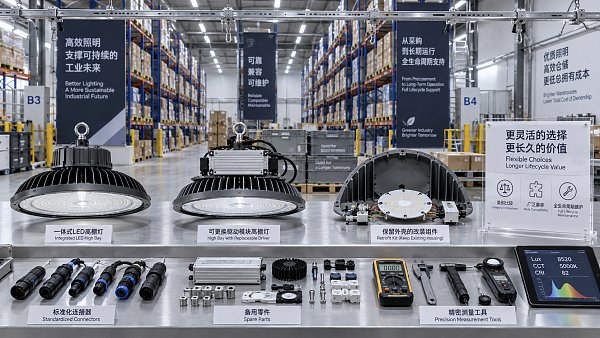
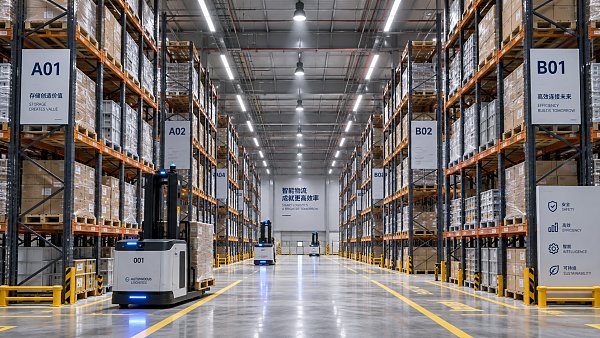
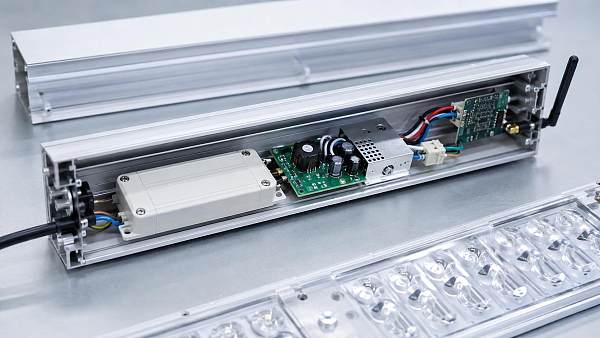
It moves across stores, suppliers, data platforms, lighting systems, packaging flows, and customer-facing technology.
For that reason, practical tech consulting should connect strategy with execution.
It should turn risk into a roadmap, not a list of abstract warnings.
Why Digital Transformation Risks Grow Faster Than Expected

Many transformation programs begin with good intentions.
A retailer wants smarter POS systems.
A sourcing team needs better supplier visibility.
A commercial developer upgrades energy systems and digital signage.
Each move looks manageable on its own.
The real problem appears when these changes interact.
A new platform may not align with old procurement rules.
A smart device may create a new attack surface.
A cloud dashboard may depend on poor quality source data.
This is where tech consulting creates real value.
Instead of treating transformation as a software purchase, tech consulting evaluates the full operating model.
That includes workflows, vendor dependencies, infrastructure readiness, sustainability targets, and international standards.
For global business environments, that wider view is essential.
The Main Risk Areas Tech Consulting Should Assess First
Not every risk deserves the same urgency.
Good tech consulting prioritizes what can disrupt revenue, trust, and continuity first.
1. Operational Fragmentation
Digital tools often multiply faster than processes improve.
Teams adopt separate dashboards, disconnected workflows, and overlapping data owners.
The result is slower decisions, not smarter ones.
Tech consulting should map how information moves between procurement, store operations, logistics, compliance, and customer service.
2. Cybersecurity Exposure
Every connected endpoint increases risk.
That includes POS terminals, smart shelves, access controls, sensors, signage networks, and supplier portals.
Tech consulting should test identity controls, patch policies, network segmentation, and vendor access rights.
3. Supply Chain Blind Spots
A digital front end cannot compensate for weak upstream visibility.
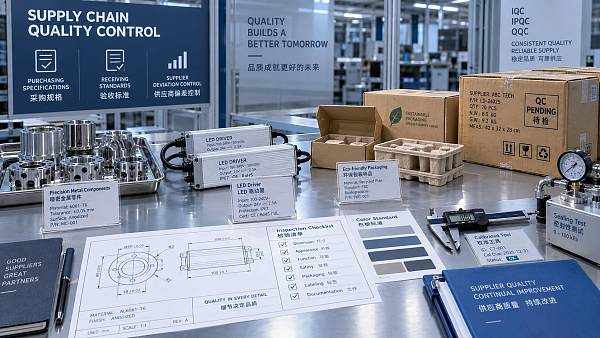
If product data, packaging specifications, testing records, or shipping milestones are inconsistent, disruption spreads quickly.
This is especially relevant for cross-border sourcing and commercial fit-out projects.
Tech consulting should identify where supplier transparency breaks down.
4. Compliance Gaps
Transformation often touches regulated equipment and certified materials.
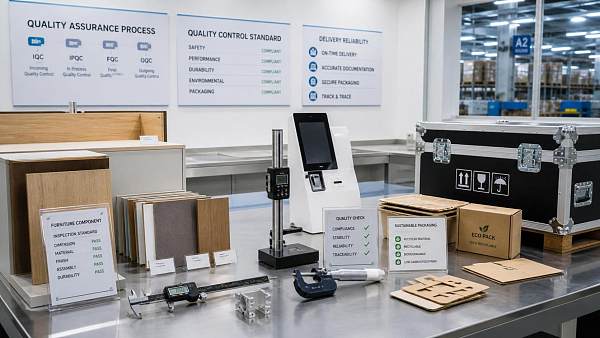
Commercial furniture, lighting, electrical hardware, and packaging may require alignment with UL, CE, or BIFMA expectations.
Tech consulting should connect digital adoption with technical benchmarking and documentation discipline.
5. Poor Change Adoption
Even strong systems fail when users do not trust them.
In practice, this happens when training is generic, governance is unclear, or field teams see technology as extra work.
Effective tech consulting builds adoption into the rollout plan from day one.
How Tech Consulting Reduces Risk Across Commercial Ecosystems
The best tech consulting approach is cross-functional.
It does not focus only on software features.
It connects infrastructure, sourcing, customer experience, and compliance into one decision framework.
That matters in modern retail and supply environments where physical and digital assets now depend on each other.
Create a Risk Baseline Before Major Investment
Before scaling new platforms, tech consulting should establish a baseline.
This baseline should include system inventory, vendor dependencies, data quality, certification status, and incident response maturity.
Without that view, investment decisions can look efficient while adding hidden complexity.
Use Benchmarking to Improve Decision Quality
Benchmarking is often overlooked in transformation planning.
Yet it is one of the most practical tools in tech consulting.
Comparing fixtures, smart hardware, packaging systems, and supplier capabilities against international requirements reduces guesswork.
This is where platforms like G-BCE add value through structured intelligence and technical benchmarking.
Align Technology With Physical Operations
A digital transformation plan should reflect how commercial spaces really operate.
For example, smart retail technology must work with fixture layouts, lighting conditions, maintenance cycles, and staff routines.
Tech consulting should test that fit before full deployment.
A Practical Framework for Managing Transformation Risk
A workable framework keeps digital ambition grounded in business reality.
This is where tech consulting becomes actionable.
- Define the commercial objective first, such as faster rollout, lower downtime, better traceability, or stronger customer insight.
- Identify critical assets, including devices, data flows, suppliers, certifications, and site infrastructure.
- Rank risks by business impact, not by technical complexity alone.
- Validate vendors through technical benchmarking, support capability, and integration readiness.
- Pilot in a controlled environment with measurable success criteria.
- Train users based on real workflows, not generic system demos.
- Review performance regularly and adjust governance as the ecosystem evolves.
This kind of structure helps tech consulting move beyond presentations and into measurable execution.
Common Warning Signs That Risk Is Already Building
In many organizations, risk signals appear well before a major failure.
The challenge is recognizing them early enough.
- Different teams report different versions of the same operational data.
- New store technology requires constant manual workarounds.
- Suppliers cannot provide consistent testing, traceability, or compliance records.
- Security patches depend on ad hoc local support.
- Digital tools are live, but staff still rely on spreadsheets and emails.
- Expansion plans move faster than governance and technical documentation.
When these signals appear together, tech consulting should shift from advisory mode to corrective action.
Where G-BCE Supports Smarter Tech Consulting Decisions
In real projects, decision quality depends on reliable comparison points.
G-BCE supports tech consulting by bringing data transparency across commercial furniture, smart retail technology, consumer supply chains, lighting, signage, and sustainable packaging.
That broader visibility helps organizations evaluate not only what is innovative, but also what is durable, compliant, and operationally realistic.
For companies balancing Asian manufacturing precision with global performance expectations, that clarity matters.
Tech consulting becomes more effective when product selection, infrastructure design, and sourcing strategy are benchmarked together.
That is how risk management becomes part of commercial growth, not a barrier to it.
Final Takeaway
Digital transformation is no longer optional, but unmanaged change is expensive.
The strongest tech consulting approach looks beyond software selection.
It examines operations, cybersecurity, supply chain visibility, standards, and adoption at the same time.
That wider perspective helps organizations reduce disruption while building more resilient commercial ecosystems.
If the goal is secure modernization, practical tech consulting should start with a clear risk baseline and continue through every stage of implementation.
The next smart move is simple: assess where digital ambition is outpacing operational control, then act before that gap gets expensive.
News Recommendations
 How to verify suppliers on a trade portal for global sourcing
![51a6ab95581761cc26f4318be6520c15]()
Aris Katos
Future of Carbide Coatings
 How RoHS requirements should be stated in product specifications
![51a6ab95581761cc26f4318be6520c15]()
Aris Katos
Future of Carbide Coatings
 What affects the lead time for custom retail counter displays?
![51a6ab95581761cc26f4318be6520c15]()
Aris Katos
Future of Carbide Coatings
 What consumer packaging USA importers need to verify before ordering
![51a6ab95581761cc26f4318be6520c15]()
Aris Katos
Future of Carbide Coatings
 How commercial spaces interiors shape customer dwell time
![51a6ab95581761cc26f4318be6520c15]()
Aris Katos
Future of Carbide Coatings
 How LED commercial lighting design reduces glare in retail spaces
![51a6ab95581761cc26f4318be6520c15]()
Aris Katos
Future of Carbide Coatings
 How industrial technology information improves RFID inventory accuracy
![51a6ab95581761cc26f4318be6520c15]()
Aris Katos
Future of Carbide Coatings
 When drip garden watering systems make more sense than sprinklers
![51a6ab95581761cc26f4318be6520c15]()
Aris Katos
Future of Carbide Coatings
 When category comparison improves sourcing for industrial applications
![51a6ab95581761cc26f4318be6520c15]()
Aris Katos
Future of Carbide Coatings
 Industrial application guidance for selecting the right LED lighting
![51a6ab95581761cc26f4318be6520c15]()
Aris Katos
Future of Carbide Coatings
 Which commercial architecture standards apply to European retail fit-outs?
![51a6ab95581761cc26f4318be6520c15]()
Aris Katos
Future of Carbide Coatings
 How to verify FDA requirements for maternity care products
![51a6ab95581761cc26f4318be6520c15]()
Aris Katos
Future of Carbide Coatings
 How to verify BPA-free claims for food-contact products
![51a6ab95581761cc26f4318be6520c15]()
Aris Katos
Future of Carbide Coatings
 When does a European wholesale supplier suit modular office projects?
![51a6ab95581761cc26f4318be6520c15]()
Aris Katos
Future of Carbide Coatings
 When consumer ecosystem solutions improve the in-store shopping journey
![51a6ab95581761cc26f4318be6520c15]()
Aris Katos
Future of Carbide Coatings
 How a commercial developers network can reduce site selection risk
![51a6ab95581761cc26f4318be6520c15]()
Aris Katos
Future of Carbide Coatings
 How clear purchasing specifications prevent costly supplier deviations
![51a6ab95581761cc26f4318be6520c15]()
Aris Katos
Future of Carbide Coatings
 What an ISTA drop test lab checks before your packaging ships
![51a6ab95581761cc26f4318be6520c15]()
Aris Katos
Future of Carbide Coatings
 Which commercial furniture standards apply to workplace seating?
![51a6ab95581761cc26f4318be6520c15]()
Aris Katos
Future of Carbide Coatings
 How to evaluate smart lighting module OEM compatibility before sampling
![51a6ab95581761cc26f4318be6520c15]()
Aris Katos
Future of Carbide Coatings
 How to assess whether sustainable technology delivers real impact
![51a6ab95581761cc26f4318be6520c15]()
Aris Katos
Future of Carbide Coatings
 How to assess an OEM supplier’s quality control before ordering
![51a6ab95581761cc26f4318be6520c15]()
Aris Katos
Future of Carbide Coatings
 How consumer ecosystem solutions data can improve retail personalization
![51a6ab95581761cc26f4318be6520c15]()
Aris Katos
Future of Carbide Coatings
 When does consumer packaging design justify a higher product price?
![51a6ab95581761cc26f4318be6520c15]()
Aris Katos
Future of Carbide Coatings
 Supermarket Fixture Installation: Planning Layouts, Wiring, and Handover
![51a6ab95581761cc26f4318be6520c15]()
Aris Katos
Future of Carbide Coatings
 Automated Lighting and Smart Lighting Control in Bergerac: Key Project Considerations
![51a6ab95581761cc26f4318be6520c15]()
Aris Katos
Future of Carbide Coatings
 Segment Streetlight Controllers: Choosing Control Modes for Urban Roads
![51a6ab95581761cc26f4318be6520c15]()
Aris Katos
Future of Carbide Coatings
 IEC 62471-2 Explained: How to Assess Photobiological Risks in LED Lighting
![51a6ab95581761cc26f4318be6520c15]()
Aris Katos
Future of Carbide Coatings
 Food Grade Packaging Requirements by Product Type, Temperature, and Contact Risk
![51a6ab95581761cc26f4318be6520c15]()
Aris Katos
Future of Carbide Coatings
 Food Packaging Compliance Checklist: Tests, Records, and Labeling Before Shipment
![51a6ab95581761cc26f4318be6520c15]()
Aris Katos
Future of Carbide Coatings
 NSF Food Packaging Standards: When Certification Matters for Commercial Food Use
![51a6ab95581761cc26f4318be6520c15]()
Aris Katos
Future of Carbide Coatings
 FDA Food Grade Compliance: Which Materials and Documents Do Buyers Need?
![51a6ab95581761cc26f4318be6520c15]()
Aris Katos
Future of Carbide Coatings
 What Should a Food Grade Declaration Include for Packaging Compliance?
![51a6ab95581761cc26f4318be6520c15]()
Aris Katos
Future of Carbide Coatings
 Housewares Importing: How to Evaluate Suppliers, Costs, and Compliance Risks
![51a6ab95581761cc26f4318be6520c15]()
Aris Katos
Future of Carbide Coatings
 Why Freeze-Dried Fruit Ingredients Lose Crispness—and How to Prevent It
![51a6ab95581761cc26f4318be6520c15]()
Aris Katos
Future of Carbide Coatings
 What industry veterans look for before choosing a new supplier
![51a6ab95581761cc26f4318be6520c15]()
Aris Katos
Future of Carbide Coatings
 How material fatigue can shorten the service life of retail shelving
![51a6ab95581761cc26f4318be6520c15]()
Aris Katos
Future of Carbide Coatings
 What makes a global sourcing platform reliable for supplier verification?
![51a6ab95581761cc26f4318be6520c15]()
Aris Katos
Future of Carbide Coatings
 When are double platinum spark plugs a better choice than iridium?
![51a6ab95581761cc26f4318be6520c15]()
Aris Katos
Future of Carbide Coatings