Retail Technology Innovations Worth Testing Before Peak Season
Time
Click Count
Before peak season compresses timelines and exposes weak links, business evaluators need practical retail technology innovations that improve speed, visibility, and in-store performance without adding unnecessary complexity. From AI-enabled POS and real-time inventory tools to smart fixtures and data-driven shopper insights, the right solutions can strengthen commercial resilience, elevate customer experience, and support better sourcing decisions across modern retail environments.
Why the conversation around retail technology innovations is changing now
Peak season planning used to focus mainly on labor scheduling, promotional timing, and stock depth. That view is no longer sufficient. The current shift in retail is that performance risk now comes from fragmented systems, limited inventory visibility, inconsistent in-store execution, and rising customer expectations across both physical and digital touchpoints. For business evaluators, this means retail technology innovations should be judged less as isolated tools and more as operational infrastructure that can absorb volatility.
Several signals are driving this change. Store teams are expected to fulfill online orders, answer product questions, process returns, and maintain visual standards at the same time. Supply chains remain sensitive to delays, substitution, and uneven regional demand. At the same time, commercial environments are under pressure to become more energy-efficient, more data-aware, and more responsive to shopper behavior. As a result, retailers are testing technologies that connect store hardware, software intelligence, and fixture design into a more measurable operating model.
This is why the most relevant retail technology innovations before peak season are not always the most futuristic ones. They are the solutions that reduce decision lag, improve stock confidence, shorten checkout friction, and help operators identify what is happening in the store before service quality declines.
The strongest trend signals evaluators should watch before peak season
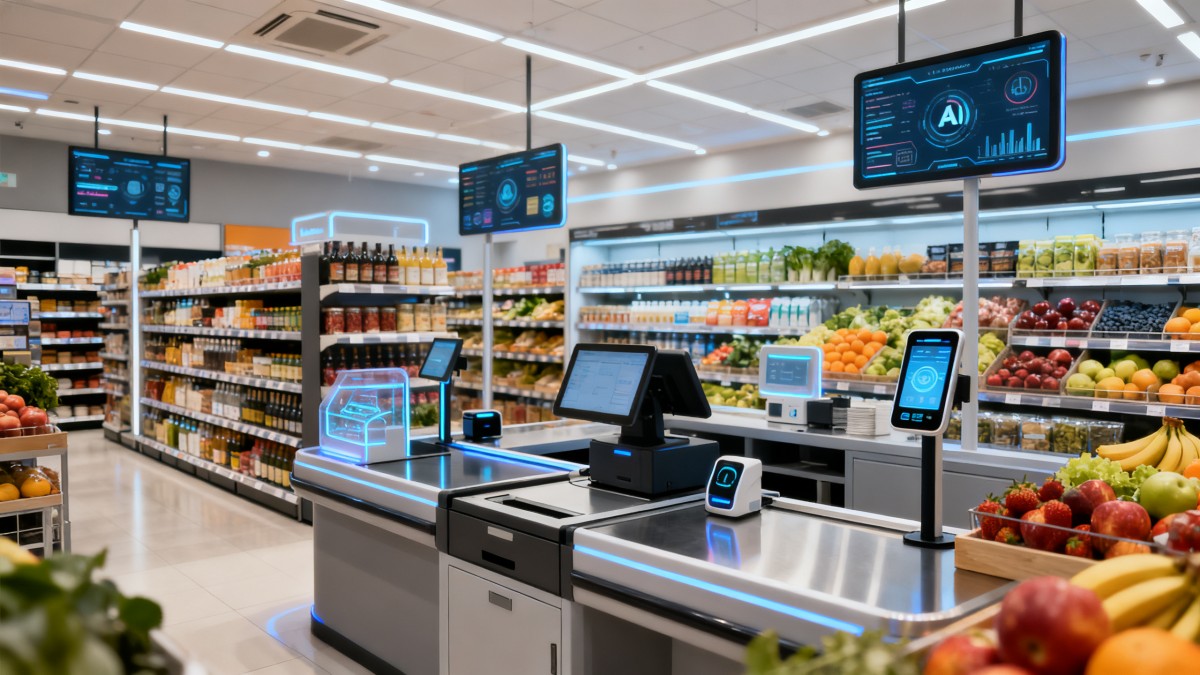
A clear pattern has emerged across modern retail environments: technology investments are moving closer to the point of execution. Instead of relying only on centralized reporting after the fact, retailers increasingly want real-time signals from the shelf, the checkout zone, the stockroom, and the customer journey. This makes certain retail technology innovations especially worth testing in the months leading into high-volume trading periods.
For evaluators, the message is straightforward: the best retail technology innovations are now expected to improve both customer-facing performance and operational discipline. If a solution cannot help a store react faster during demand spikes, it may be difficult to justify before peak season.
What is driving adoption beyond simple digital modernization
The adoption of retail technology innovations is no longer driven only by a desire to appear digital. It is being shaped by practical business pressures that touch sourcing, operations, store design, and customer retention. First, labor efficiency has become more important. Retailers need systems that reduce manual checks, repetitive data entry, and avoidable service delays. Second, inventory accuracy has moved from a finance issue to a customer experience issue, especially when stores support omnichannel fulfillment.
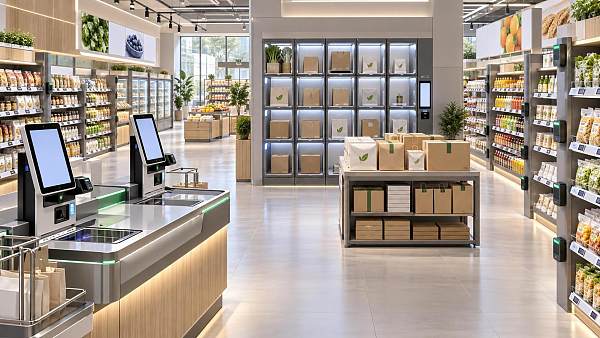
Third, physical retail spaces are under new pressure to prove their value. Store environments must not only look premium but also generate measurable insight. This is where smart shelving, sensor-based fixtures, digital signage integration, and connected lighting become more relevant. These tools allow commercial spaces to serve as both selling environments and intelligence points.
A fourth driver is compliance and benchmarking. International operators and sourcing teams increasingly prefer solutions that align with recognized standards, system interoperability, and long-term maintainability. In a global business environment, technologies that integrate with existing commercial hardware and support transparent performance benchmarks are easier to evaluate than highly customized systems with unclear upgrade paths.
Which retail technology innovations are most practical to test first
Not every innovation deserves immediate rollout. Before peak season, the priority should be technologies that create visible operational gains in a short testing cycle. Business evaluators should focus on solutions that are modular, measurable, and compatible with existing store infrastructure.
1. AI-enabled POS with workflow intelligence
Modern POS systems are evolving from transaction terminals into decision-support tools. The most useful upgrades include item recognition support, return validation, fraud pattern alerts, staff guidance prompts, and live basket-level insights. During peak season, these functions can reduce queue pressure and improve consistency among temporary or cross-trained staff.
2. Real-time inventory tools linked to store operations
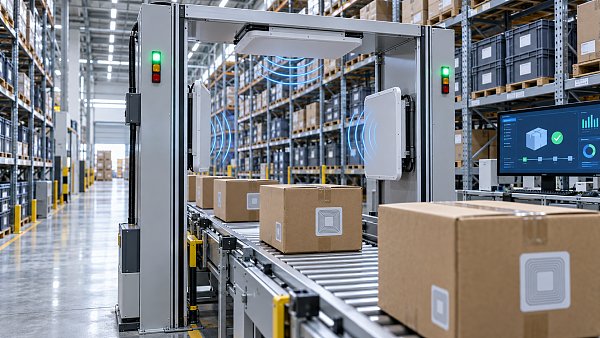
Inventory platforms that combine POS data, handheld scanning, shelf checks, and stockroom visibility are among the highest-value retail technology innovations. They help prevent phantom inventory, improve click-and-collect reliability, and reduce time spent searching for products that appear available but are not accessible to sell.
3. Smart fixtures that convert display zones into data sources
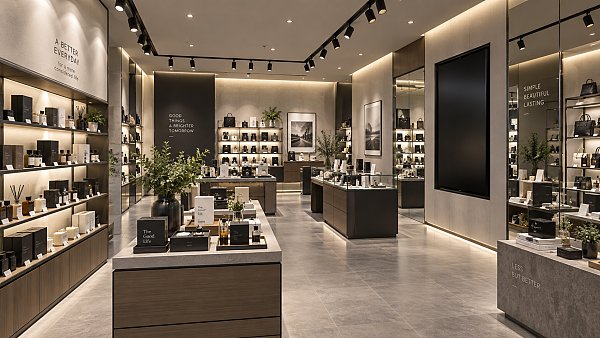
Connected fixtures can provide useful signals about dwell time, stock depletion, display interaction, or replenishment needs. For categories that rely heavily on presentation, such as premium consumer goods, these tools support both merchandising quality and commercial analysis. They are especially relevant where fixture design, shopper flow, and conversion are tightly linked.
4. Shopper analytics with clear operational outputs
Traffic counters and behavior analytics only matter when they influence decisions. Strong solutions translate movement patterns into staffing guidance, layout adjustments, or promotional timing recommendations. Evaluators should be cautious about systems that generate large volumes of data without direct store-level action paths.
5. Smart lighting and digital signage controls
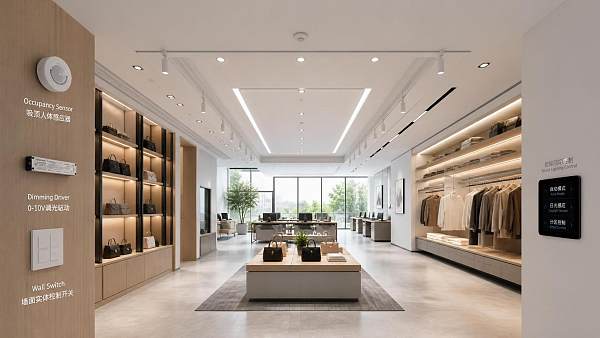
These technologies are increasingly part of the retail technology innovations discussion because they affect energy use, display quality, campaign consistency, and environment management. During peak periods, being able to adjust store messaging quickly and maintain visual clarity across locations is a significant advantage.
How the impact differs across roles and business functions
One reason retail technology innovations can be difficult to evaluate is that different stakeholders define value differently. A sourcing director may focus on integration and lifecycle cost, while store operations may prioritize speed and ease of training. Business evaluators should map likely impact by function rather than assume a universal business case.
This cross-functional view is essential. The most successful pilots are usually the ones where retail technology innovations solve a shared problem across functions, rather than creating a narrow gain for one department while increasing complexity for another.
What evaluators should test before approving broader rollout
Testing should be disciplined. Peak season is not the ideal time for large, unstable deployments, but it is a strong time for tightly defined pilots. Evaluators should verify whether a solution improves a measurable outcome within a realistic store environment. Key indicators may include checkout time, stock accuracy, replenishment response, display compliance, task completion speed, and ease of onboarding.
It is also important to assess hidden friction. Some retail technology innovations look effective in demonstration settings but fail when stores face noise, staffing turnover, poor connectivity, or multiple overlapping systems. A practical evaluation should therefore include hardware durability, integration effort, data clarity, vendor support responsiveness, and whether store teams actually trust the tool.
For global or multi-site operators, standardization matters as much as innovation. Systems that can be benchmarked across regions, support recognized technical requirements, and work alongside existing commercial fixtures or lighting infrastructure will often outperform more advanced but isolated tools.
Signals that a solution is likely to remain valuable after peak season
The best retail technology innovations should not be justified only by holiday volume. Evaluators should look for signals that indicate ongoing value. These include continuous data visibility, lower operational waste, improved fixture utilization, more accurate labor decisions, and better alignment between in-store presentation and supply chain reality. If a solution only delivers short-term novelty, it may not support long-term modernization goals.
Another strong signal is whether the technology strengthens the relationship between physical space and business intelligence. In modern retail, commercial furniture, POS hardware, signage, and packaging do not operate as separate decisions anymore. They increasingly form one ecosystem of customer experience, operational efficiency, and measurable performance. Solutions that fit this ecosystem logic are more likely to scale successfully.
FAQ: key judgment questions about retail technology innovations
Which retail technology innovations should be prioritized if budget is limited?
Prioritize tools that improve inventory confidence, checkout speed, and store-level visibility. These usually create the fastest operational return and support peak season readiness directly.
Are smart fixtures and connected displays only relevant for premium retail formats?
No. While premium environments may benefit earlier, any format that depends on merchandising compliance, high-traffic displays, or guided shopper journeys can gain value from these retail technology innovations.
How should business evaluators compare vendors?
Compare them on interoperability, benchmark transparency, hardware quality, support model, upgrade path, and clarity of measurable outcomes. Avoid selecting based only on interface appeal or isolated feature lists.
A practical direction for the next evaluation cycle
The current direction is clear: retail technology innovations are becoming less about adding digital layers and more about improving commercial resilience through connected, testable infrastructure. Before peak season, evaluators should focus on solutions that help stores see faster, act faster, and recover faster when demand patterns shift.
If your organization wants to judge which retail technology innovations deserve immediate testing, start by confirming a few questions: Where does visibility break down today? Which store tasks slow down under peak pressure? Which physical assets could generate more operational insight? And which technologies fit both current standards and future scaling needs? Those answers will reveal whether a solution is a seasonal experiment or a meaningful step toward a more intelligent retail ecosystem.
News Recommendations
 How to choose an ultra bright waterproof window display for storefronts
![51a6ab95581761cc26f4318be6520c15]()
Aris Katos
Future of Carbide Coatings
 How to verify suppliers on a trade portal for global sourcing
![51a6ab95581761cc26f4318be6520c15]()
Aris Katos
Future of Carbide Coatings
 How RoHS requirements should be stated in product specifications
![51a6ab95581761cc26f4318be6520c15]()
Aris Katos
Future of Carbide Coatings
 What affects the lead time for custom retail counter displays?
![51a6ab95581761cc26f4318be6520c15]()
Aris Katos
Future of Carbide Coatings
 What consumer packaging USA importers need to verify before ordering
![51a6ab95581761cc26f4318be6520c15]()
Aris Katos
Future of Carbide Coatings
 How commercial spaces interiors shape customer dwell time
![51a6ab95581761cc26f4318be6520c15]()
Aris Katos
Future of Carbide Coatings
 How LED commercial lighting design reduces glare in retail spaces
![51a6ab95581761cc26f4318be6520c15]()
Aris Katos
Future of Carbide Coatings
 How industrial technology information improves RFID inventory accuracy
![51a6ab95581761cc26f4318be6520c15]()
Aris Katos
Future of Carbide Coatings
 When drip garden watering systems make more sense than sprinklers
![51a6ab95581761cc26f4318be6520c15]()
Aris Katos
Future of Carbide Coatings
 When category comparison improves sourcing for industrial applications
![51a6ab95581761cc26f4318be6520c15]()
Aris Katos
Future of Carbide Coatings
 Industrial application guidance for selecting the right LED lighting
![51a6ab95581761cc26f4318be6520c15]()
Aris Katos
Future of Carbide Coatings
 Which commercial architecture standards apply to European retail fit-outs?
![51a6ab95581761cc26f4318be6520c15]()
Aris Katos
Future of Carbide Coatings
 How to verify FDA requirements for maternity care products
![51a6ab95581761cc26f4318be6520c15]()
Aris Katos
Future of Carbide Coatings
 How to verify BPA-free claims for food-contact products
![51a6ab95581761cc26f4318be6520c15]()
Aris Katos
Future of Carbide Coatings
 When does a European wholesale supplier suit modular office projects?
![51a6ab95581761cc26f4318be6520c15]()
Aris Katos
Future of Carbide Coatings
 When consumer ecosystem solutions improve the in-store shopping journey
![51a6ab95581761cc26f4318be6520c15]()
Aris Katos
Future of Carbide Coatings
 How a commercial developers network can reduce site selection risk
![51a6ab95581761cc26f4318be6520c15]()
Aris Katos
Future of Carbide Coatings
 How clear purchasing specifications prevent costly supplier deviations
![51a6ab95581761cc26f4318be6520c15]()
Aris Katos
Future of Carbide Coatings
 What an ISTA drop test lab checks before your packaging ships
![51a6ab95581761cc26f4318be6520c15]()
Aris Katos
Future of Carbide Coatings
 Which commercial furniture standards apply to workplace seating?
![51a6ab95581761cc26f4318be6520c15]()
Aris Katos
Future of Carbide Coatings
 How to evaluate smart lighting module OEM compatibility before sampling
![51a6ab95581761cc26f4318be6520c15]()
Aris Katos
Future of Carbide Coatings
 How to assess whether sustainable technology delivers real impact
![51a6ab95581761cc26f4318be6520c15]()
Aris Katos
Future of Carbide Coatings
 How to assess an OEM supplier’s quality control before ordering
![51a6ab95581761cc26f4318be6520c15]()
Aris Katos
Future of Carbide Coatings
 How consumer ecosystem solutions data can improve retail personalization
![51a6ab95581761cc26f4318be6520c15]()
Aris Katos
Future of Carbide Coatings
 When does consumer packaging design justify a higher product price?
![51a6ab95581761cc26f4318be6520c15]()
Aris Katos
Future of Carbide Coatings
 Supermarket Fixture Installation: Planning Layouts, Wiring, and Handover
![51a6ab95581761cc26f4318be6520c15]()
Aris Katos
Future of Carbide Coatings
 Automated Lighting and Smart Lighting Control in Bergerac: Key Project Considerations
![51a6ab95581761cc26f4318be6520c15]()
Aris Katos
Future of Carbide Coatings
 Segment Streetlight Controllers: Choosing Control Modes for Urban Roads
![51a6ab95581761cc26f4318be6520c15]()
Aris Katos
Future of Carbide Coatings
 IEC 62471-2 Explained: How to Assess Photobiological Risks in LED Lighting
![51a6ab95581761cc26f4318be6520c15]()
Aris Katos
Future of Carbide Coatings
 Food Grade Packaging Requirements by Product Type, Temperature, and Contact Risk
![51a6ab95581761cc26f4318be6520c15]()
Aris Katos
Future of Carbide Coatings
 Food Packaging Compliance Checklist: Tests, Records, and Labeling Before Shipment
![51a6ab95581761cc26f4318be6520c15]()
Aris Katos
Future of Carbide Coatings
 NSF Food Packaging Standards: When Certification Matters for Commercial Food Use
![51a6ab95581761cc26f4318be6520c15]()
Aris Katos
Future of Carbide Coatings
 FDA Food Grade Compliance: Which Materials and Documents Do Buyers Need?
![51a6ab95581761cc26f4318be6520c15]()
Aris Katos
Future of Carbide Coatings
 What Should a Food Grade Declaration Include for Packaging Compliance?
![51a6ab95581761cc26f4318be6520c15]()
Aris Katos
Future of Carbide Coatings
 Housewares Importing: How to Evaluate Suppliers, Costs, and Compliance Risks
![51a6ab95581761cc26f4318be6520c15]()
Aris Katos
Future of Carbide Coatings
 Why Freeze-Dried Fruit Ingredients Lose Crispness—and How to Prevent It
![51a6ab95581761cc26f4318be6520c15]()
Aris Katos
Future of Carbide Coatings
 What industry veterans look for before choosing a new supplier
![51a6ab95581761cc26f4318be6520c15]()
Aris Katos
Future of Carbide Coatings
 How material fatigue can shorten the service life of retail shelving
![51a6ab95581761cc26f4318be6520c15]()
Aris Katos
Future of Carbide Coatings
 What makes a global sourcing platform reliable for supplier verification?
![51a6ab95581761cc26f4318be6520c15]()
Aris Katos
Future of Carbide Coatings