Retail Automation Trends 2026: What Will Actually Scale
Time
Click Count
Retail automation trends 2026 are moving from hype to operational discipline. The winning systems will not be the most theatrical. They will be the ones that reduce friction across stores, supply chains, and service touchpoints.
In global retail environments, scale depends on compatibility, measurable ROI, and easy deployment. This matters across smart retail technology, fixtures, lighting, packaging, and consumer goods logistics. The real question is simple: which retail automation trends 2026 can perform across different commercial scenarios without creating new complexity?
Scenario context: why retail automation trends 2026 will scale differently across formats
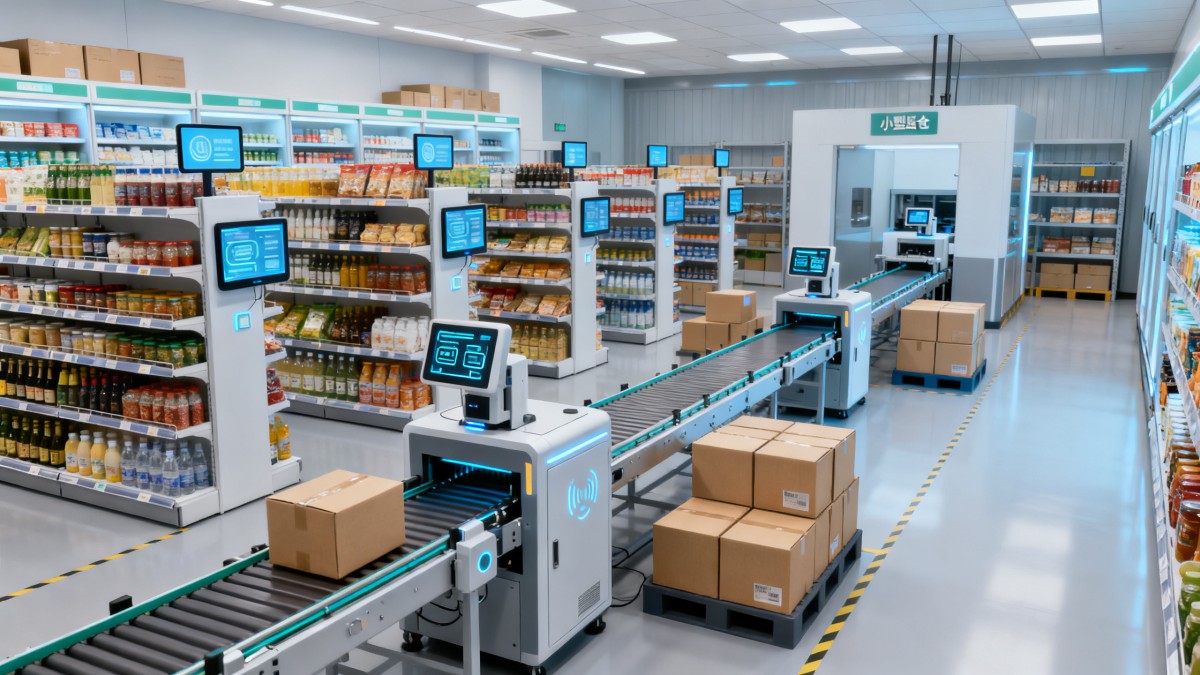
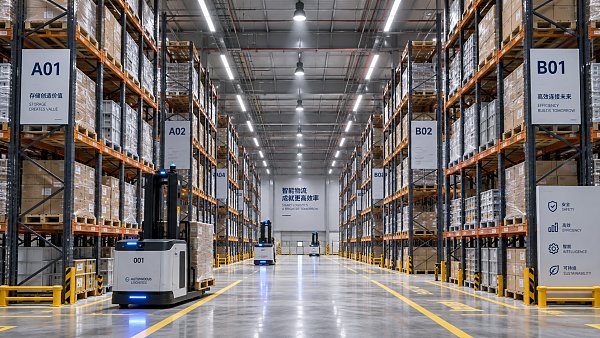
Retail automation trends 2026 will not scale evenly because retail formats operate under different constraints. A flagship store, a convenience chain, and a cross-border fulfillment hub each define value in different ways.
Some environments prioritize labor efficiency. Others require inventory precision, premium customer experience, or sustainability compliance. Automation only scales when it fits the operational rhythm of the space.
That is why commercial benchmarking matters. Systems aligned with UL, CE, and BIFMA expectations, modular hardware, and interoperable software stand a better chance of global adoption.
Across the broader ecosystem, the strongest retail automation trends 2026 share four traits:
- They solve a repeatable operational problem.
- They integrate with existing store infrastructure.
- They improve data visibility across channels.
- They support sustainable and durable commercial design.
Scenario 1: high-volume chain stores will scale task automation before full autonomy
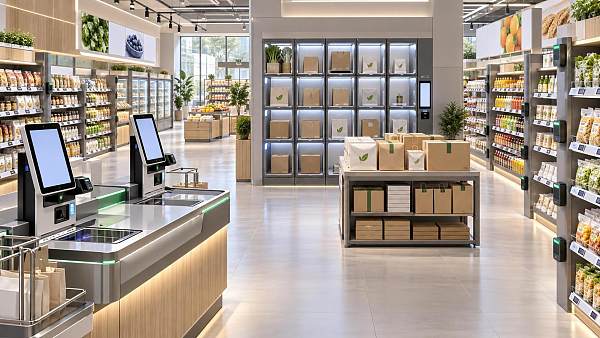
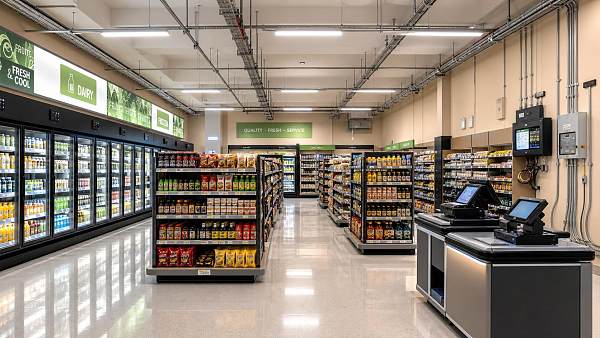
For grocery, pharmacy, discount, and convenience formats, the most scalable retail automation trends 2026 are practical. Full robotic stores remain limited. Task-level automation will grow much faster.
Examples include electronic shelf labels, computer vision stock alerts, automated price syncing, self-checkout optimization, and AI-assisted replenishment. These tools shorten repetitive work without forcing a total store redesign.
The key judgment point is deployment density. If a system can be installed chain-wide with low training demand, it has a stronger scaling path. If it requires heavy calibration per store, growth will slow.
What will likely scale in this scenario
- Shelf-edge automation linked to central pricing systems
- Vision-based out-of-stock detection
- POS analytics for queue management
- Backroom inventory scanning and exception alerts
Scenario 2: premium retail will scale invisible automation, not cold automation
Luxury, beauty, consumer electronics, and showroom-led spaces face a different reality. Here, retail automation trends 2026 must support service quality and design consistency.
Overt automation can weaken brand perception if it feels impersonal. Scalable solutions in this scenario work behind the scenes or enhance assisted selling rather than replace it.
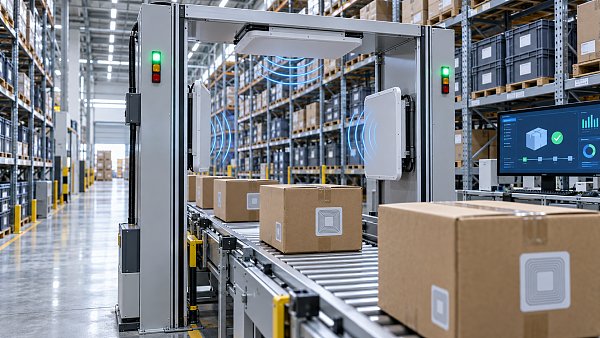
High-value applications include clienteling tools, RFID-assisted inventory accuracy, smart fitting rooms, digital signage orchestration, and appointment-based service workflows. These systems improve conversion while preserving premium atmosphere.
Commercial fixtures and lighting also matter. Retail automation trends 2026 in premium environments will scale best when hardware integration remains visually discreet and easy to maintain.
Core judgment points for premium spaces
- Does automation protect aesthetic continuity?
- Can staff override or personalize the workflow?
- Will data improve merchandising and service, not just transactions?
Scenario 3: omnichannel operations will scale where store and supply chain data finally meet
The most important retail automation trends 2026 may not be customer-facing at all. They may sit in the connection layer between stores, warehouses, packaging, and order orchestration.
Buy online, pick up in store, ship-from-store, and return-anywhere models increase system stress. Automation becomes valuable when it reduces inventory uncertainty and routing mistakes across channels.
In this scenario, scalable tools include unified inventory engines, predictive replenishment, automated exception handling, scan-based receiving, and packaging workflows linked to order type and destination.
This is where G-BCE’s ecosystem view becomes useful. Smart retail technology cannot scale alone. It must coordinate with fixtures, packaging, signage, and consumer goods supply chain standards.
Why this scenario deserves priority
Many retailers already have front-end digital tools. Fewer have synchronized operational data. Retail automation trends 2026 will create larger returns where information bottlenecks are removed first.
Scenario differences: which retail automation trends 2026 fit which environment
How to judge scalable retail automation trends 2026 before investment
Not every promising pilot deserves expansion. Before committing capital, several scenario-based checks can improve decision quality.
- Map the operational bottleneck first, not the technology category.
- Test interoperability with current POS, ERP, signage, and fixture systems.
- Measure labor impact, stock accuracy, and service speed together.
- Review maintenance burden, spare parts, and regional compliance.
- Check whether packaging, lighting, and display changes are also required.
These steps help separate true retail automation trends 2026 from isolated demos. Scalable automation usually succeeds because the operating model is ready for it.
Common misreads: where retail automation trends 2026 are often overestimated
A frequent mistake is assuming customer novelty equals business value. Interactive robots or fully cashierless concepts can attract attention, but many struggle with cost, maintenance, and edge-case exceptions.
Another misread is ignoring physical infrastructure. Automation can fail when stores lack power planning, cable management, durable fixture integration, or maintenance access.
Sustainability is also underestimated. Retail automation trends 2026 will increasingly be judged by material durability, energy efficiency, packaging reduction, and lifecycle economics, not just software capability.
The final blind spot is fragmented sourcing. When hardware, software, packaging, and display systems are evaluated separately, hidden incompatibilities reduce scale potential.
Next-step actions for building a scalable automation roadmap
A practical roadmap starts with scenario prioritization. Identify where retail automation trends 2026 can produce repeatable gains within twelve to eighteen months.
- Audit store formats, service models, and fulfillment flows.
- Rank opportunities by operational pain and rollout simplicity.
- Benchmark equipment and systems against global standards.
- Run pilots with clear success metrics and expansion criteria.
- Align automation decisions with packaging, fixtures, and signage planning.
Retail automation trends 2026 will reward disciplined integration, not isolated experimentation. The solutions that actually scale will connect commercial design, digital intelligence, and supply chain visibility into one resilient retail system.
For organizations assessing next moves, the strongest advantage comes from cross-sector benchmarking. A unified view of smart retail technology, commercial hardware, and sustainable supply chain infrastructure makes it easier to choose automation that lasts.
News Recommendations
 Which industry categories offer the strongest export potential in Latin America?
![51a6ab95581761cc26f4318be6520c15]()
Aris Katos
Future of Carbide Coatings
 How to choose an ultra bright waterproof window display for storefronts
![51a6ab95581761cc26f4318be6520c15]()
Aris Katos
Future of Carbide Coatings
 How to verify suppliers on a trade portal for global sourcing
![51a6ab95581761cc26f4318be6520c15]()
Aris Katos
Future of Carbide Coatings
 How RoHS requirements should be stated in product specifications
![51a6ab95581761cc26f4318be6520c15]()
Aris Katos
Future of Carbide Coatings
 What affects the lead time for custom retail counter displays?
![51a6ab95581761cc26f4318be6520c15]()
Aris Katos
Future of Carbide Coatings
 What consumer packaging USA importers need to verify before ordering
![51a6ab95581761cc26f4318be6520c15]()
Aris Katos
Future of Carbide Coatings
 How commercial spaces interiors shape customer dwell time
![51a6ab95581761cc26f4318be6520c15]()
Aris Katos
Future of Carbide Coatings
 How LED commercial lighting design reduces glare in retail spaces
![51a6ab95581761cc26f4318be6520c15]()
Aris Katos
Future of Carbide Coatings
 How industrial technology information improves RFID inventory accuracy
![51a6ab95581761cc26f4318be6520c15]()
Aris Katos
Future of Carbide Coatings
 When drip garden watering systems make more sense than sprinklers
![51a6ab95581761cc26f4318be6520c15]()
Aris Katos
Future of Carbide Coatings
 When category comparison improves sourcing for industrial applications
![51a6ab95581761cc26f4318be6520c15]()
Aris Katos
Future of Carbide Coatings
 Industrial application guidance for selecting the right LED lighting
![51a6ab95581761cc26f4318be6520c15]()
Aris Katos
Future of Carbide Coatings
 Which commercial architecture standards apply to European retail fit-outs?
![51a6ab95581761cc26f4318be6520c15]()
Aris Katos
Future of Carbide Coatings
 How to verify FDA requirements for maternity care products
![51a6ab95581761cc26f4318be6520c15]()
Aris Katos
Future of Carbide Coatings
 How to verify BPA-free claims for food-contact products
![51a6ab95581761cc26f4318be6520c15]()
Aris Katos
Future of Carbide Coatings
 When does a European wholesale supplier suit modular office projects?
![51a6ab95581761cc26f4318be6520c15]()
Aris Katos
Future of Carbide Coatings
 When consumer ecosystem solutions improve the in-store shopping journey
![51a6ab95581761cc26f4318be6520c15]()
Aris Katos
Future of Carbide Coatings
 How a commercial developers network can reduce site selection risk
![51a6ab95581761cc26f4318be6520c15]()
Aris Katos
Future of Carbide Coatings
 How clear purchasing specifications prevent costly supplier deviations
![51a6ab95581761cc26f4318be6520c15]()
Aris Katos
Future of Carbide Coatings
 What an ISTA drop test lab checks before your packaging ships
![51a6ab95581761cc26f4318be6520c15]()
Aris Katos
Future of Carbide Coatings
 Which commercial furniture standards apply to workplace seating?
![51a6ab95581761cc26f4318be6520c15]()
Aris Katos
Future of Carbide Coatings
 How to evaluate smart lighting module OEM compatibility before sampling
![51a6ab95581761cc26f4318be6520c15]()
Aris Katos
Future of Carbide Coatings
 How to assess whether sustainable technology delivers real impact
![51a6ab95581761cc26f4318be6520c15]()
Aris Katos
Future of Carbide Coatings
 How to assess an OEM supplier’s quality control before ordering
![51a6ab95581761cc26f4318be6520c15]()
Aris Katos
Future of Carbide Coatings
 How consumer ecosystem solutions data can improve retail personalization
![51a6ab95581761cc26f4318be6520c15]()
Aris Katos
Future of Carbide Coatings
 When does consumer packaging design justify a higher product price?
![51a6ab95581761cc26f4318be6520c15]()
Aris Katos
Future of Carbide Coatings
 Supermarket Fixture Installation: Planning Layouts, Wiring, and Handover
![51a6ab95581761cc26f4318be6520c15]()
Aris Katos
Future of Carbide Coatings
 Automated Lighting and Smart Lighting Control in Bergerac: Key Project Considerations
![51a6ab95581761cc26f4318be6520c15]()
Aris Katos
Future of Carbide Coatings
 Segment Streetlight Controllers: Choosing Control Modes for Urban Roads
![51a6ab95581761cc26f4318be6520c15]()
Aris Katos
Future of Carbide Coatings
 IEC 62471-2 Explained: How to Assess Photobiological Risks in LED Lighting
![51a6ab95581761cc26f4318be6520c15]()
Aris Katos
Future of Carbide Coatings
 Food Grade Packaging Requirements by Product Type, Temperature, and Contact Risk
![51a6ab95581761cc26f4318be6520c15]()
Aris Katos
Future of Carbide Coatings
 Food Packaging Compliance Checklist: Tests, Records, and Labeling Before Shipment
![51a6ab95581761cc26f4318be6520c15]()
Aris Katos
Future of Carbide Coatings
 NSF Food Packaging Standards: When Certification Matters for Commercial Food Use
![51a6ab95581761cc26f4318be6520c15]()
Aris Katos
Future of Carbide Coatings
 FDA Food Grade Compliance: Which Materials and Documents Do Buyers Need?
![51a6ab95581761cc26f4318be6520c15]()
Aris Katos
Future of Carbide Coatings
 What Should a Food Grade Declaration Include for Packaging Compliance?
![51a6ab95581761cc26f4318be6520c15]()
Aris Katos
Future of Carbide Coatings
 Housewares Importing: How to Evaluate Suppliers, Costs, and Compliance Risks
![51a6ab95581761cc26f4318be6520c15]()
Aris Katos
Future of Carbide Coatings
 Why Freeze-Dried Fruit Ingredients Lose Crispness—and How to Prevent It
![51a6ab95581761cc26f4318be6520c15]()
Aris Katos
Future of Carbide Coatings
 What industry veterans look for before choosing a new supplier
![51a6ab95581761cc26f4318be6520c15]()
Aris Katos
Future of Carbide Coatings
 How material fatigue can shorten the service life of retail shelving
![51a6ab95581761cc26f4318be6520c15]()
Aris Katos
Future of Carbide Coatings