Martindale abrasion test results can overpromise real world wear
Time
Click Count
Martindale abrasion test figures are often treated as a shortcut for predicting upholstery durability, especially in commercial furniture, airport terminal seating, office task chairs, lounges, and other high-traffic interiors. That shortcut is risky. A high Martindale score can indicate strong resistance to controlled surface rubbing in a lab, but it does not guarantee long service life in real use. Real world wear is shaped by foam support, fabric structure, seam engineering, body movement, cleaning chemistry, UV exposure, and how the product is actually used.
For procurement teams, specifiers, operators, and technical evaluators, the practical takeaway is simple: Martindale abrasion test results are useful, but they should never be read in isolation. If a supplier promotes a very high cycle count without equal transparency on cushion construction, backing, pilling, colorfastness, cleanability, and frame performance, the data may overpromise what users will experience on the floor. Better buying decisions come from interpreting abrasion results as one input within a broader performance framework.
This matters across many categories. A contract furniture supplier may submit fabric data that looks excellent on paper. An airport terminal seating supplier may specify upholstery with a strong abrasion score, yet the seat still develops premature wrinkling, delamination, or visual fatigue. A product may also meet ANSI/BIFMA office chair safety criteria while still disappointing in upholstery appearance retention. Understanding these differences helps reduce lifecycle cost, complaints, and replacement risk.
Why Martindale results can mislead buyers when taken at face value
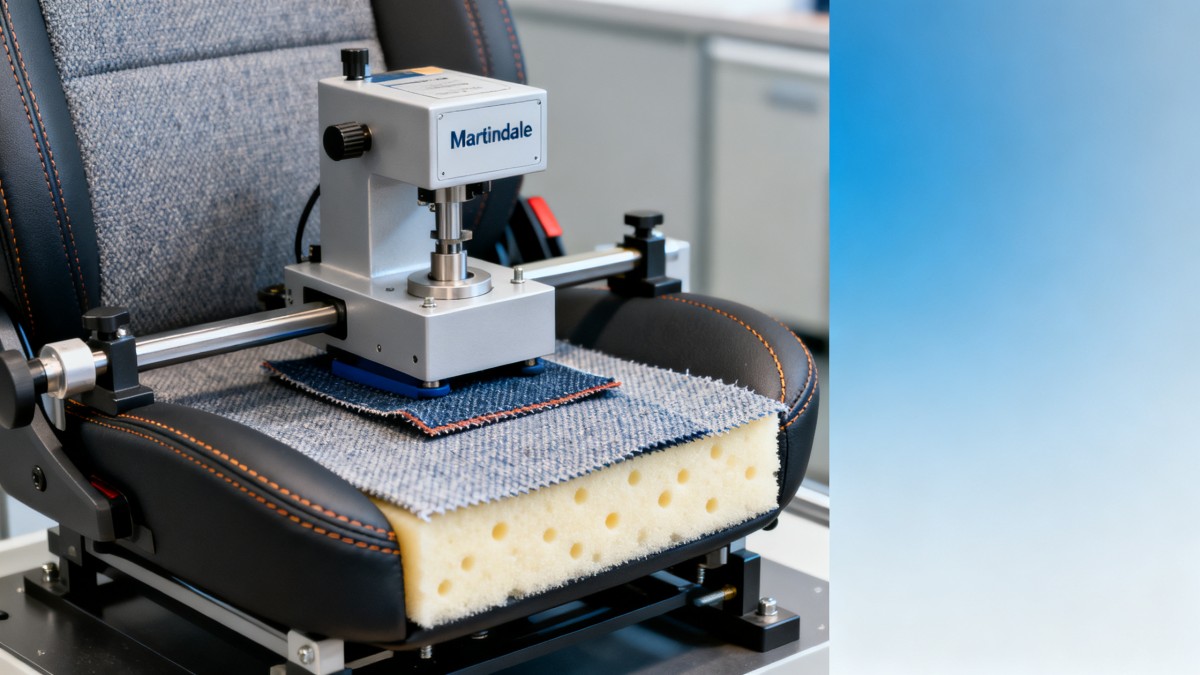
The Martindale abrasion test was designed to measure how a textile surface responds to repeated rubbing under controlled conditions. In general, a specimen is rubbed in a standardized motion against an abrasive medium at a specified pressure until visible wear, yarn breakage, or another endpoint is reached. The resulting cycle count is then used as a comparative indicator of abrasion resistance. That makes the test valuable, but also easy to oversimplify.
The problem begins when decision-makers turn a single number into a universal durability promise. A fabric rated at 100,000 Martindale cycles may sound dramatically better than one rated at 40,000, but that difference does not always translate proportionally in actual use. Seating in a corporate lounge, hospital waiting area, classroom, executive office, or airport gate is exposed to different motions, body weights, contaminants, cleaning frequencies, and directional stresses. The lab cannot fully reproduce that complexity.
Another source of confusion is that the headline number often reaches the market stripped of test context. Buyers may not see the abrasive used, the failure endpoint, whether the test was run on the face fabric alone or a laminated system, and how the result compares with pilling, seam slippage, or coating integrity. Without this context, Martindale abrasion test results can look more precise than they really are. That precision gap is where overpromising begins.
What target readers are really trying to determine before they buy
Information researchers usually want to know whether a published abrasion score is genuinely meaningful or simply a marketing amplifier. They are often comparing many supplier documents and trying to separate useful technical evidence from numbers chosen because they look impressive. Their real question is not “What is Martindale?” but “How much confidence should I place in this result when selecting products for commercial use?”
Users and operators care about a different outcome. They want seating, panels, and upholstered surfaces that continue to look acceptable after months or years of use. Their concern is less about laboratory terminology and more about visible wear: fuzzing, flattening, shiny spots, broken yarns, loose upholstery, seam stress, coating cracks, and areas that become difficult to clean. A product can survive abrasion testing and still fail these everyday expectations.
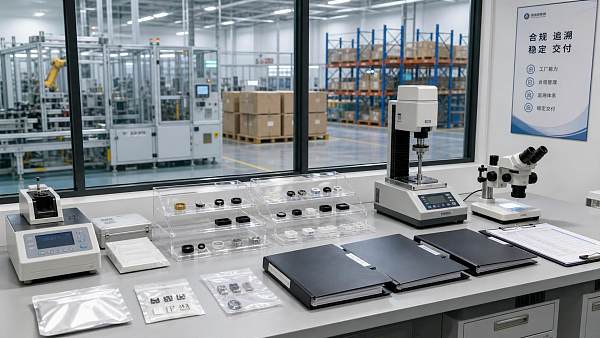
Procurement professionals and business evaluators are usually focused on risk. They need to know whether a fabric spec supports warranty confidence, whether replacement cycles will accelerate, whether maintenance costs will rise, and whether a premium-priced material actually delivers better value. In this context, the most helpful article is one that explains how to judge supplier claims, what companion data to request, and how to align test results with the actual duty cycle of the project.
What Martindale does measure well, and where its limits begin
Used correctly, the Martindale test is a legitimate comparative tool. It helps identify whether one textile is generally more resistant to rubbing wear than another under the same controlled conditions. For commercial specifiers, that is helpful when screening candidate fabrics for office seating, hospitality banquettes, public area lounge chairs, or workstation panels. It can eliminate obviously weak options early in the selection process.
However, abrasion is only one failure mode. In real installations, upholstery often fails aesthetically before it fails structurally. A seat may remain technically intact while showing severe pilling, bagging, wrinkling, gloss change, coating peel, or soil retention. These issues affect user perception, brand standards, and replacement decisions even if the abrasion count still looks strong on paper. This is especially important for premium environments where appearance retention is as important as physical endurance.
The test also does not fully capture multi-layer behavior. Upholstered seating performance depends on the relationship between cover fabric, backing, adhesive systems, foam resilience, pattern repeat, cut direction, and sewing quality. If the substrate collapses or the fabric is under-tensioned, users create concentrated stress points that differ sharply from the smooth, repetitive motion of the Martindale apparatus. In those cases, the published cycle count may say less about field life than buyers assume.
Why foam, cushion build, and seat geometry often matter more than the fabric number
One of the biggest blind spots in upholstery sourcing is the assumption that surface durability begins and ends with the textile. In reality, the support system beneath the fabric is a major predictor of wear. If foam density or resilience is too low for the use case, the user sinks deeper into the seat, increasing stretch, shear, and localized pressure. That movement can accelerate wrinkling, seam stress, and surface fatigue even when the fabric itself has a high Martindale score.
Seat geometry also changes wear behavior. A sharply contoured cushion, waterfall edge, narrow sit zone, or undersized seat depth can force occupants into repetitive friction patterns concentrated at the same points. In transport hubs, education spaces, and collaborative office zones, users often slide, pivot, drop bags, kneel, or sit on edges. These actions create stress that a flat abrasion test does not replicate well. As a result, the upholstery may age quickly in specific zones while the supplier still points to the lab number.
For buyers evaluating commercial furniture suppliers, it is therefore essential to assess the upholstery system, not just the upholstery fabric. Ask for foam specifications, density ranges, resilience data where available, fabric attachment method, seam construction, and whether the tested textile is the same as the final production build. A fabric that performs well over a stable, appropriate substrate is often a better real world choice than a higher-scoring fabric paired with weaker cushioning.
Why fabric construction, coatings, and finishing can distort real world expectations
Not all textiles with similar Martindale abrasion test results will age in the same way. Woven structure, yarn type, filament versus spun composition, surface finish, backing treatment, and coatings all influence how the material looks and behaves over time. A coated textile may resist initial abrasion very well but later show cracking, stickiness, or finish wear. A bouclé or textured weave may retain character in one setting but trap soil or fuzz in another.
Backing systems deserve special attention. Some fabrics are tested as standalone materials, while the final upholstery may include lamination, scrim, foam backing, or adhesives that alter performance. Delamination and bubbling are field failures that can occur independently of abrasion resistance. In healthcare, transport, and foodservice contexts, aggressive cleaning protocols can further stress coatings and laminated layers. The abrasion number alone does not warn you about these vulnerabilities.
Finishes can also create a false sense of security. Stain resistance, antimicrobial claims, or waterproof barriers may improve suitability for certain projects, but they can change hand feel, breathability, and aging behavior. The practical lesson is to compare full material profiles, not isolated metrics. Buyers should ask whether the finish affects pilling, colorfastness, hydrolysis resistance, cleaning compatibility, or the likelihood of visible surface change under repeated use.
How cleaning, maintenance, and environment shape wear more than many buyers expect
Even well-specified upholstery can underperform if maintenance practices are mismatched to the material. Repeated use of harsh chemicals, excessive scrubbing, unapproved disinfectants, or saturated wipe-down methods can damage coatings, weaken fibers, and alter color. In airports, healthcare waiting areas, commercial offices, and retail lounges, cleaning frequency is often far higher than the lab assumptions behind a fabric brochure. This is a major reason why Martindale results can overpromise real world wear.
Environmental exposure adds another layer. Sunlight, heat, humidity swings, airborne dirt, skin oils, denim dye transfer, and particulate abrasion all affect service life. A seat next to a glazed facade may age differently from the same model in an interior meeting room. Public seating near entrances is often exposed to grit that increases abrasive damage. None of these field conditions are fully represented by the standard test path, so buyers should interpret abrasion data in relation to site conditions.
Operators should also distinguish between functional durability and visual durability. A chair can remain structurally safe while becoming unacceptable in appearance for a premium brand environment. When maintenance teams report recurring shine marks, ingrained staining, or difficult cleanability, the issue is commercial performance, not merely technical pass-fail status. That is why sourcing teams should incorporate maintenance managers and site operators into upholstery evaluations before approving final specifications.
What to request from suppliers beyond the Martindale number
If you are comparing contract furniture supplier submissions, ask for a balanced test package rather than a single abrasion claim. Useful companion information may include pilling resistance, seam slippage, tear strength, tensile properties, colorfastness to light and rubbing, cleanability guidance, chemical resistance where relevant, and warranty terms tied to the exact upholstery option. These data points provide a more realistic view of long-term suitability.
For seating categories, request details on the complete seat build: foam density, resilience, cushion type, support substrate, upholstery method, and whether the tested material is identical to the production configuration. If the project involves high traffic public areas such as terminals, education campuses, or waiting rooms, ask for project references with similar duty profiles. Good suppliers should be able to explain where their product has performed well and where caution is warranted.
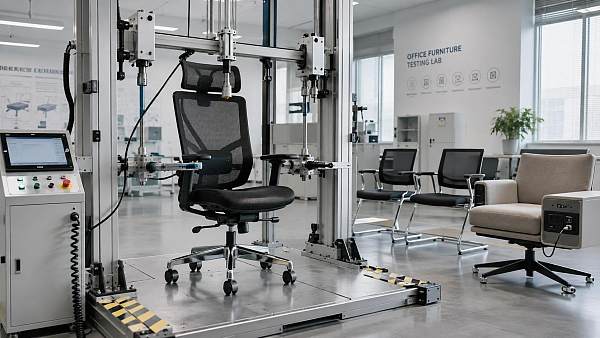
For office products, do not assume that ANSI/BIFMA office chair safety compliance answers upholstery wear questions. Those standards are important for structural and safety evaluation, but they do not replace textile and appearance-retention assessment. A chair can comply with safety expectations and still generate complaints about fabric wear or maintenance burden. Procurement teams should therefore keep structural compliance and surface performance as related but separate evaluation tracks.
A practical framework for interpreting abrasion data in sourcing decisions
A reliable sourcing approach begins with defining the actual use intensity and failure tolerance of the project. Ask how many users the product will see, whether use is supervised or unsupervised, whether occupants slide or rotate frequently, what cleaning protocol is mandated, how important premium appearance is, and how disruptive replacement would be. This context determines whether a given Martindale score is merely sufficient or genuinely strategic.
Next, compare the abrasion result against the whole specification package. If a fabric offers a very high cycle count but weak pilling, uncertain cleanability, poor lightfastness, or vague backing information, treat the claim cautiously. If a moderately high abrasion fabric comes with stronger system transparency, proven field references, and a cushion construction suited to the application, it may be the lower-risk choice. In commercial procurement, predictability often matters more than the largest headline metric.
Finally, use mock-ups, sample evaluations, and limited field trials when the project value or traffic level justifies it. Sit tests, cleaning tests, and visual reviews under actual lighting can reveal issues the brochure does not. This is particularly useful for airport terminal seating suppliers, premium office lounges, and branded retail environments where appearance retention affects customer perception. Testing small before buying large is often the most cost-effective way to challenge overpromising specifications.
Conclusion: use Martindale as a screening tool, not a standalone promise
The key message is straightforward: Martindale abrasion test results are useful, but they are not a complete predictor of real world upholstery performance. When buyers treat the number as a standalone promise, they risk approving materials that look durable in documentation yet disappoint in service. Real wear depends on a system of variables, including foam quality, seat design, fabric construction, coatings, maintenance routines, and environmental exposure.
For information researchers, operators, procurement teams, and business evaluators, the best response is not to reject Martindale data but to put it in the right place. Use it to screen options, compare materials under similar conditions, and identify obvious mismatches. Then go further by validating the complete upholstery system, maintenance requirements, aesthetic retention, and project-fit evidence. That is how technical benchmarking becomes a practical procurement advantage.
In short, smart sourcing decisions come from asking a better question. Not “What is the highest abrasion number?” but “Which upholstery system is most likely to maintain function, appearance, and value in this exact environment?” Once teams make that shift, Martindale abrasion test results become helpful evidence rather than misleading reassurance.
News Recommendations
 How to choose an ultra bright waterproof window display for storefronts
![51a6ab95581761cc26f4318be6520c15]()
Aris Katos
Future of Carbide Coatings
 How to verify suppliers on a trade portal for global sourcing
![51a6ab95581761cc26f4318be6520c15]()
Aris Katos
Future of Carbide Coatings
 How RoHS requirements should be stated in product specifications
![51a6ab95581761cc26f4318be6520c15]()
Aris Katos
Future of Carbide Coatings
 What affects the lead time for custom retail counter displays?
![51a6ab95581761cc26f4318be6520c15]()
Aris Katos
Future of Carbide Coatings
 What consumer packaging USA importers need to verify before ordering
![51a6ab95581761cc26f4318be6520c15]()
Aris Katos
Future of Carbide Coatings
 How commercial spaces interiors shape customer dwell time
![51a6ab95581761cc26f4318be6520c15]()
Aris Katos
Future of Carbide Coatings
 How LED commercial lighting design reduces glare in retail spaces
![51a6ab95581761cc26f4318be6520c15]()
Aris Katos
Future of Carbide Coatings
 How industrial technology information improves RFID inventory accuracy
![51a6ab95581761cc26f4318be6520c15]()
Aris Katos
Future of Carbide Coatings
 When drip garden watering systems make more sense than sprinklers
![51a6ab95581761cc26f4318be6520c15]()
Aris Katos
Future of Carbide Coatings
 When category comparison improves sourcing for industrial applications
![51a6ab95581761cc26f4318be6520c15]()
Aris Katos
Future of Carbide Coatings
 Industrial application guidance for selecting the right LED lighting
![51a6ab95581761cc26f4318be6520c15]()
Aris Katos
Future of Carbide Coatings
 Which commercial architecture standards apply to European retail fit-outs?
![51a6ab95581761cc26f4318be6520c15]()
Aris Katos
Future of Carbide Coatings
 How to verify FDA requirements for maternity care products
![51a6ab95581761cc26f4318be6520c15]()
Aris Katos
Future of Carbide Coatings
 How to verify BPA-free claims for food-contact products
![51a6ab95581761cc26f4318be6520c15]()
Aris Katos
Future of Carbide Coatings
 When does a European wholesale supplier suit modular office projects?
![51a6ab95581761cc26f4318be6520c15]()
Aris Katos
Future of Carbide Coatings
 When consumer ecosystem solutions improve the in-store shopping journey
![51a6ab95581761cc26f4318be6520c15]()
Aris Katos
Future of Carbide Coatings
 How a commercial developers network can reduce site selection risk
![51a6ab95581761cc26f4318be6520c15]()
Aris Katos
Future of Carbide Coatings
 How clear purchasing specifications prevent costly supplier deviations
![51a6ab95581761cc26f4318be6520c15]()
Aris Katos
Future of Carbide Coatings
 What an ISTA drop test lab checks before your packaging ships
![51a6ab95581761cc26f4318be6520c15]()
Aris Katos
Future of Carbide Coatings
 Which commercial furniture standards apply to workplace seating?
![51a6ab95581761cc26f4318be6520c15]()
Aris Katos
Future of Carbide Coatings
 How to evaluate smart lighting module OEM compatibility before sampling
![51a6ab95581761cc26f4318be6520c15]()
Aris Katos
Future of Carbide Coatings
 How to assess whether sustainable technology delivers real impact
![51a6ab95581761cc26f4318be6520c15]()
Aris Katos
Future of Carbide Coatings
 How to assess an OEM supplier’s quality control before ordering
![51a6ab95581761cc26f4318be6520c15]()
Aris Katos
Future of Carbide Coatings
 How consumer ecosystem solutions data can improve retail personalization
![51a6ab95581761cc26f4318be6520c15]()
Aris Katos
Future of Carbide Coatings
 When does consumer packaging design justify a higher product price?
![51a6ab95581761cc26f4318be6520c15]()
Aris Katos
Future of Carbide Coatings
 Supermarket Fixture Installation: Planning Layouts, Wiring, and Handover
![51a6ab95581761cc26f4318be6520c15]()
Aris Katos
Future of Carbide Coatings
 Automated Lighting and Smart Lighting Control in Bergerac: Key Project Considerations
![51a6ab95581761cc26f4318be6520c15]()
Aris Katos
Future of Carbide Coatings
 Segment Streetlight Controllers: Choosing Control Modes for Urban Roads
![51a6ab95581761cc26f4318be6520c15]()
Aris Katos
Future of Carbide Coatings
 IEC 62471-2 Explained: How to Assess Photobiological Risks in LED Lighting
![51a6ab95581761cc26f4318be6520c15]()
Aris Katos
Future of Carbide Coatings
 Food Grade Packaging Requirements by Product Type, Temperature, and Contact Risk
![51a6ab95581761cc26f4318be6520c15]()
Aris Katos
Future of Carbide Coatings
 Food Packaging Compliance Checklist: Tests, Records, and Labeling Before Shipment
![51a6ab95581761cc26f4318be6520c15]()
Aris Katos
Future of Carbide Coatings
 NSF Food Packaging Standards: When Certification Matters for Commercial Food Use
![51a6ab95581761cc26f4318be6520c15]()
Aris Katos
Future of Carbide Coatings
 FDA Food Grade Compliance: Which Materials and Documents Do Buyers Need?
![51a6ab95581761cc26f4318be6520c15]()
Aris Katos
Future of Carbide Coatings
 What Should a Food Grade Declaration Include for Packaging Compliance?
![51a6ab95581761cc26f4318be6520c15]()
Aris Katos
Future of Carbide Coatings
 Housewares Importing: How to Evaluate Suppliers, Costs, and Compliance Risks
![51a6ab95581761cc26f4318be6520c15]()
Aris Katos
Future of Carbide Coatings
 Why Freeze-Dried Fruit Ingredients Lose Crispness—and How to Prevent It
![51a6ab95581761cc26f4318be6520c15]()
Aris Katos
Future of Carbide Coatings
 What industry veterans look for before choosing a new supplier
![51a6ab95581761cc26f4318be6520c15]()
Aris Katos
Future of Carbide Coatings
 How material fatigue can shorten the service life of retail shelving
![51a6ab95581761cc26f4318be6520c15]()
Aris Katos
Future of Carbide Coatings
 What makes a global sourcing platform reliable for supplier verification?
![51a6ab95581761cc26f4318be6520c15]()
Aris Katos
Future of Carbide Coatings