Technical Benchmarking Methodology for Food-Grade Material Approval
Time
Click Count
For quality control and safety managers, a robust technical benchmarking methodology is essential to approve food-grade materials with confidence. By comparing composition, compliance, migration risk, durability, and supplier consistency against recognized international standards, organizations can reduce approval uncertainty and strengthen supply chain reliability. This introduction outlines how a structured benchmarking process supports safer material selection, faster validation, and more transparent decision-making across global commercial and consumer product environments.
What a technical benchmarking methodology means in food-grade material approval
In practical terms, a technical benchmarking methodology is a structured way to evaluate whether a food-contact material is fit for use, not only by checking a single certificate but by comparing technical evidence across multiple dimensions. For quality control teams and safety managers, this means moving beyond pass-or-fail paperwork and building a repeatable approval framework that measures formulation transparency, regulatory alignment, migration behavior, durability under actual use, process consistency, and supplier reliability.
This approach is increasingly important in a global supply environment where food-grade plastics, silicone parts, coated metals, adhesives, inks, and packaging substrates may originate from different regions, each with different testing habits and compliance claims. A strong technical benchmarking methodology creates a common language for comparing materials from Asia, Europe, and North America against recognized standards and intended-use requirements. It allows organizations to make better decisions when approving materials for retail packaging, food display systems, dispensing components, kitchen accessories, reusable containers, and consumer-facing commercial hardware.
Why the industry is paying closer attention
Food-grade approval is no longer a narrow compliance task. It now sits at the intersection of product safety, brand trust, sustainability goals, and global supply chain resilience. Commercial developers, chain operators, packaging teams, and sourcing directors are expected to verify that materials are safe in contact with food, stable during storage and use, and consistent across production lots. At the same time, they face pressure to shorten launch cycles and introduce new sustainable materials without increasing regulatory risk.
That is why a technical benchmarking methodology has become a strategic management tool rather than a laboratory exercise alone. Within the broader G-BCE ecosystem, material approval links directly to the modernization of commercial spaces and consumer product supply chains. A benchmarked evaluation process helps organizations compare conventional and alternative materials, validate supplier claims more effectively, and understand where performance, appearance, cost, and safety may conflict. It is especially valuable when the visual or functional demands of premium retail environments must be balanced with strict food-contact safety expectations.
Core dimensions used to benchmark food-grade materials
An effective technical benchmarking methodology should be broad enough to capture real-world risk but focused enough to support operational decisions. Most organizations benefit from benchmarking materials across five core dimensions.
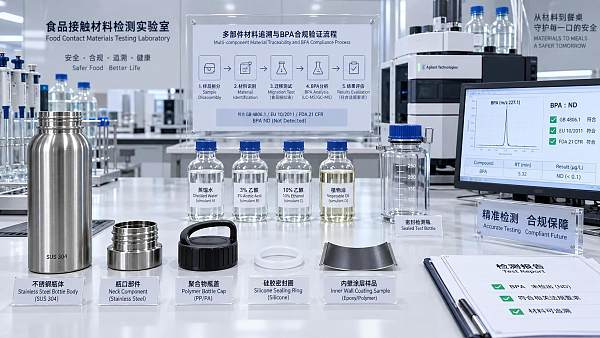
First is composition and formulation visibility. A material may appear compliant at a high level, yet critical additives, plasticizers, colorants, coatings, or recycled content can affect food-contact suitability. Second is regulatory compliance, including alignment with applicable frameworks such as FDA food-contact requirements, EU food contact regulations, or other market-specific standards. Third is migration performance, which assesses whether substances transfer from the material into food or food simulants under defined time and temperature conditions.
Fourth is functional durability. Materials used in food applications must withstand cleaning chemicals, heat, moisture, abrasion, oils, repeated handling, and shelf-life demands. Fifth is manufacturing and supplier consistency. Even when a material passes initial testing, weak process control can create unacceptable variation in later production runs. A technical benchmarking methodology helps teams compare these dimensions side by side and decide whether a material is merely acceptable on paper or genuinely robust in service.

Industry overview table for approval priorities
Different food-contact applications place different weight on the same approval criteria. The table below shows how quality and safety teams commonly prioritize technical benchmarking methodology factors across representative commercial and consumer product scenarios.
Business value for quality control and safety management
For quality control personnel, the main value of a technical benchmarking methodology is consistency. Approval decisions become less dependent on individual experience and more anchored in documented criteria. This reduces variability between product lines, sites, and regional teams. It also improves audit readiness, because every approval can be traced to a defined evidence set and decision rationale.
For safety managers, the value is risk visibility. Not all food-grade claims carry the same credibility, and not all compliant materials perform equally well in real use. Benchmarking reveals where a supplier’s documentation is complete but the material lacks stress testing, where migration data cover only limited conditions, or where design changes could trigger reapproval needs. This visibility allows managers to categorize risk, set additional validation requirements, and avoid hidden liabilities.
For sourcing and product teams, a technical benchmarking methodology supports faster comparisons. Instead of debating claims in abstract terms, teams can compare candidate materials on measurable attributes, such as temperature resistance, sensory neutrality, declaration completeness, shelf-life compatibility, and production repeatability. In a cross-border sourcing model, this reduces friction and strengthens communication between manufacturing partners and brand owners.
Typical material categories that benefit from benchmarking
The need for technical benchmarking methodology is especially strong when materials are diverse, highly processed, or positioned as innovative alternatives. Common categories include polyolefins, PET, polycarbonate alternatives, silicone elastomers, stainless steel assemblies with seals or coatings, paper-based packaging with barrier layers, compostable polymers, printing inks, lamination adhesives, and decorative finishes used near food-contact zones.
Each category presents distinct approval challenges. For example, molded plastic components may require close scrutiny of additives and regrind practices. Fiber-based packaging may require deeper examination of coatings, wet-strength chemicals, and grease barriers. Silicone products may need confirmation of post-curing adequacy and extractables behavior. Benchmarking helps organizations avoid applying a single approval logic to fundamentally different material systems.
How to build a practical benchmarking framework
A useful technical benchmarking methodology begins with intended use, because food-contact suitability always depends on application conditions. Teams should define food type, contact duration, operating temperature, cleaning method, expected lifecycle, and whether the material contacts food directly or indirectly. This use profile becomes the baseline for comparing test data and supplier declarations.
The next step is to set a weighted evaluation matrix. Compliance documentation may be mandatory, but it should not dominate the score so heavily that functional safety signals are ignored. Many organizations assign separate ratings for regulatory evidence, technical test relevance, manufacturing control, and change management maturity. The best technical benchmarking methodology is transparent enough that both laboratory specialists and commercial stakeholders can understand the logic.
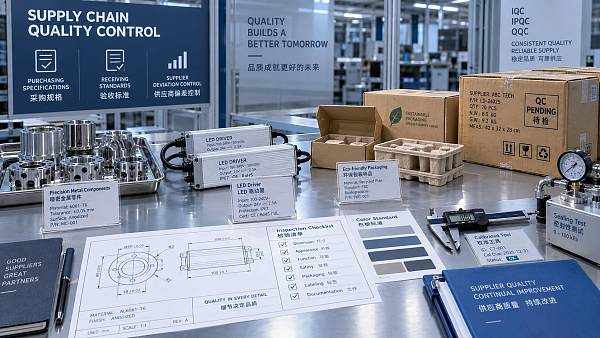
Supplier engagement is another critical element. Approval quality improves when suppliers provide formulation control statements, declarations of conformity, migration reports, test method details, lot traceability systems, and notification commitments for any formulation or process changes. A benchmark should evaluate not only the current material but also the supplier’s ability to maintain that material over time.
Common pitfalls and what to watch carefully
One frequent mistake is equating certification presence with full approval readiness. A certificate may refer to a base resin while the final article contains pigments, adhesives, coatings, or recycled inputs that alter the risk profile. Another issue is relying on outdated reports that do not match current formulations or intended conditions of use. Quality control teams should always confirm test relevance, date, scope, and material identity.
A second pitfall is failing to benchmark durability together with compliance. A material that is safe when new may degrade under repeated washing, heat exposure, ultraviolet light, or mechanical wear, creating later performance or migration concerns. This is particularly important in commercial environments where products are cleaned frequently and exposed to demanding conditions.
A third concern is insufficient change control. Even a well-approved material can become risky if the supplier changes additive packages, subcontractors, curing conditions, or color masterbatch sources without notice. A mature technical benchmarking methodology should therefore include periodic review triggers and revalidation thresholds.
Practical recommendations for implementation
Organizations looking to strengthen food-grade approvals should start by standardizing the approval dossier required from every supplier. They should then create a benchmark template that aligns application risk with evidence depth. High-risk or high-visibility products may need third-party testing, broader migration coverage, and tighter process audits, while lower-risk applications may be managed through a leaner review model with defined controls.
It is also wise to integrate benchmarking with procurement, product design, and sustainability review rather than treating it as a final checkpoint. When the technical benchmarking methodology is used early, teams can identify conflicts between performance ambitions and food-contact requirements before tooling, branding, or launch planning is locked in. This supports faster development and fewer late-stage approval failures.
Finally, companies should maintain a live repository of approved materials, benchmark scores, test summaries, and supplier change histories. In a global business ecosystem, centralized technical intelligence helps quality and safety managers compare alternatives, defend decisions, and scale best practices across regions and product categories.
Conclusion and next-step perspective
A well-designed technical benchmarking methodology gives food-grade material approval a stronger foundation. It clarifies what the material is, why it is suitable, how it performs under realistic conditions, and whether the supplier can deliver that performance consistently over time. For quality control and safety managers, this means fewer blind spots, stronger documentation, and more credible approval decisions.
In modern commercial and consumer product supply chains, food-contact material approval is not just a compliance requirement. It is a decision framework that protects users, supports brand integrity, and improves operational confidence. By applying a disciplined technical benchmarking methodology, organizations can make material approvals more transparent, more scalable, and better aligned with the demands of global commerce.
News Recommendations
 How to choose an ultra bright waterproof window display for storefronts
![51a6ab95581761cc26f4318be6520c15]()
Aris Katos
Future of Carbide Coatings
 How to verify suppliers on a trade portal for global sourcing
![51a6ab95581761cc26f4318be6520c15]()
Aris Katos
Future of Carbide Coatings
 How RoHS requirements should be stated in product specifications
![51a6ab95581761cc26f4318be6520c15]()
Aris Katos
Future of Carbide Coatings
 What affects the lead time for custom retail counter displays?
![51a6ab95581761cc26f4318be6520c15]()
Aris Katos
Future of Carbide Coatings
 What consumer packaging USA importers need to verify before ordering
![51a6ab95581761cc26f4318be6520c15]()
Aris Katos
Future of Carbide Coatings
 How commercial spaces interiors shape customer dwell time
![51a6ab95581761cc26f4318be6520c15]()
Aris Katos
Future of Carbide Coatings
 How LED commercial lighting design reduces glare in retail spaces
![51a6ab95581761cc26f4318be6520c15]()
Aris Katos
Future of Carbide Coatings
 How industrial technology information improves RFID inventory accuracy
![51a6ab95581761cc26f4318be6520c15]()
Aris Katos
Future of Carbide Coatings
 When drip garden watering systems make more sense than sprinklers
![51a6ab95581761cc26f4318be6520c15]()
Aris Katos
Future of Carbide Coatings
 When category comparison improves sourcing for industrial applications
![51a6ab95581761cc26f4318be6520c15]()
Aris Katos
Future of Carbide Coatings
 Industrial application guidance for selecting the right LED lighting
![51a6ab95581761cc26f4318be6520c15]()
Aris Katos
Future of Carbide Coatings
 Which commercial architecture standards apply to European retail fit-outs?
![51a6ab95581761cc26f4318be6520c15]()
Aris Katos
Future of Carbide Coatings
 How to verify FDA requirements for maternity care products
![51a6ab95581761cc26f4318be6520c15]()
Aris Katos
Future of Carbide Coatings
 How to verify BPA-free claims for food-contact products
![51a6ab95581761cc26f4318be6520c15]()
Aris Katos
Future of Carbide Coatings
 When does a European wholesale supplier suit modular office projects?
![51a6ab95581761cc26f4318be6520c15]()
Aris Katos
Future of Carbide Coatings
 When consumer ecosystem solutions improve the in-store shopping journey
![51a6ab95581761cc26f4318be6520c15]()
Aris Katos
Future of Carbide Coatings
 How a commercial developers network can reduce site selection risk
![51a6ab95581761cc26f4318be6520c15]()
Aris Katos
Future of Carbide Coatings
 How clear purchasing specifications prevent costly supplier deviations
![51a6ab95581761cc26f4318be6520c15]()
Aris Katos
Future of Carbide Coatings
 What an ISTA drop test lab checks before your packaging ships
![51a6ab95581761cc26f4318be6520c15]()
Aris Katos
Future of Carbide Coatings
 Which commercial furniture standards apply to workplace seating?
![51a6ab95581761cc26f4318be6520c15]()
Aris Katos
Future of Carbide Coatings
 How to evaluate smart lighting module OEM compatibility before sampling
![51a6ab95581761cc26f4318be6520c15]()
Aris Katos
Future of Carbide Coatings
 How to assess whether sustainable technology delivers real impact
![51a6ab95581761cc26f4318be6520c15]()
Aris Katos
Future of Carbide Coatings
 How to assess an OEM supplier’s quality control before ordering
![51a6ab95581761cc26f4318be6520c15]()
Aris Katos
Future of Carbide Coatings
 How consumer ecosystem solutions data can improve retail personalization
![51a6ab95581761cc26f4318be6520c15]()
Aris Katos
Future of Carbide Coatings
 When does consumer packaging design justify a higher product price?
![51a6ab95581761cc26f4318be6520c15]()
Aris Katos
Future of Carbide Coatings
 Supermarket Fixture Installation: Planning Layouts, Wiring, and Handover
![51a6ab95581761cc26f4318be6520c15]()
Aris Katos
Future of Carbide Coatings
 Automated Lighting and Smart Lighting Control in Bergerac: Key Project Considerations
![51a6ab95581761cc26f4318be6520c15]()
Aris Katos
Future of Carbide Coatings
 Segment Streetlight Controllers: Choosing Control Modes for Urban Roads
![51a6ab95581761cc26f4318be6520c15]()
Aris Katos
Future of Carbide Coatings
 IEC 62471-2 Explained: How to Assess Photobiological Risks in LED Lighting
![51a6ab95581761cc26f4318be6520c15]()
Aris Katos
Future of Carbide Coatings
 Food Grade Packaging Requirements by Product Type, Temperature, and Contact Risk
![51a6ab95581761cc26f4318be6520c15]()
Aris Katos
Future of Carbide Coatings
 Food Packaging Compliance Checklist: Tests, Records, and Labeling Before Shipment
![51a6ab95581761cc26f4318be6520c15]()
Aris Katos
Future of Carbide Coatings
 NSF Food Packaging Standards: When Certification Matters for Commercial Food Use
![51a6ab95581761cc26f4318be6520c15]()
Aris Katos
Future of Carbide Coatings
 FDA Food Grade Compliance: Which Materials and Documents Do Buyers Need?
![51a6ab95581761cc26f4318be6520c15]()
Aris Katos
Future of Carbide Coatings
 What Should a Food Grade Declaration Include for Packaging Compliance?
![51a6ab95581761cc26f4318be6520c15]()
Aris Katos
Future of Carbide Coatings
 Housewares Importing: How to Evaluate Suppliers, Costs, and Compliance Risks
![51a6ab95581761cc26f4318be6520c15]()
Aris Katos
Future of Carbide Coatings
 Why Freeze-Dried Fruit Ingredients Lose Crispness—and How to Prevent It
![51a6ab95581761cc26f4318be6520c15]()
Aris Katos
Future of Carbide Coatings
 What industry veterans look for before choosing a new supplier
![51a6ab95581761cc26f4318be6520c15]()
Aris Katos
Future of Carbide Coatings
 How material fatigue can shorten the service life of retail shelving
![51a6ab95581761cc26f4318be6520c15]()
Aris Katos
Future of Carbide Coatings
 What makes a global sourcing platform reliable for supplier verification?
![51a6ab95581761cc26f4318be6520c15]()
Aris Katos
Future of Carbide Coatings