General Mills at 2026 Intl Food Safety Conference
Time
Click Count
On April 30, 2026, General Mills presented its end-to-end food safety framework — developed in China and anchored by the Wanchai Ferry brand — at the 2026 International Conference on Food Safety and Health. This initiative signals implications for exporters of ready-to-cook meals, frozen food packaging, and cold-chain equipment targeting North America, the Middle East, and Southeast Asia.
Event Overview
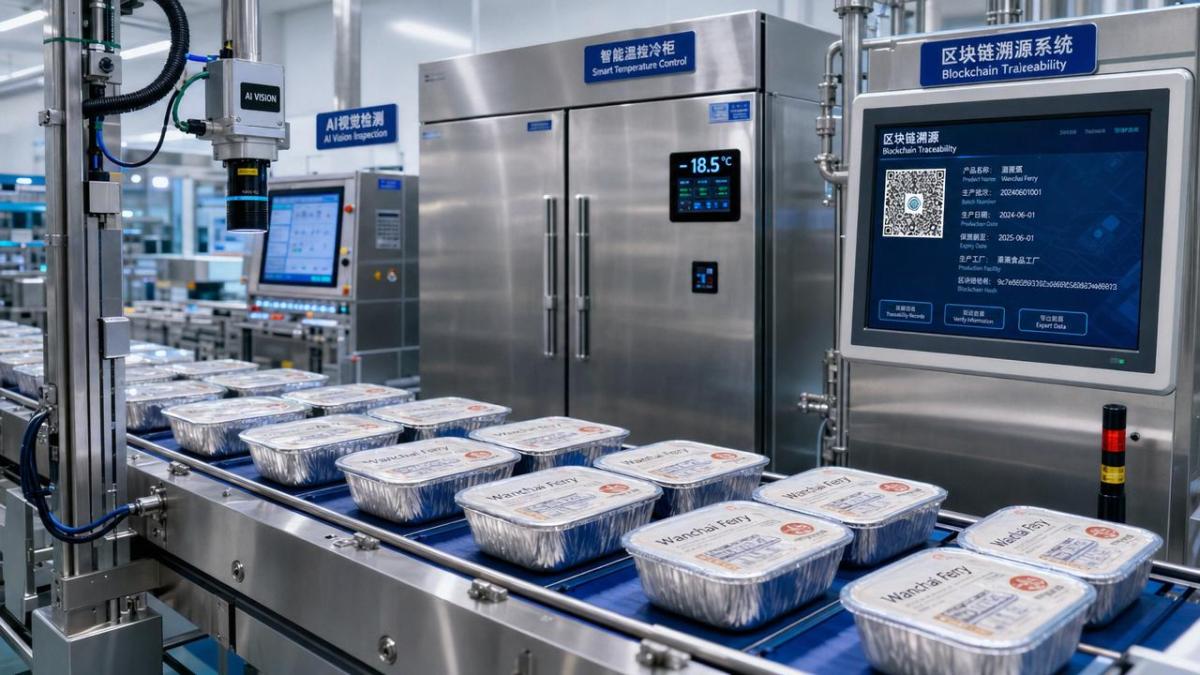
On April 30, 2026, General Mills participated in the 2026 International Conference on Food Safety and Health. The company disclosed, using Wanchai Ferry as a case study, its integrated food safety system deployed in China: a traceable chain spanning flour sourcing → cold-chain temperature control → AI-powered visual foreign-object detection → blockchain-based batch-level traceability. This system has been included in the U.S. FDA’s FSMA Section 206 Foreign Supplier Verification Program (FSVP) ‘Best Practices Repository’ as a reference model for Food-Grade Compliance architecture.
Industries Affected
Direct Exporters of Prepared Food Products
These enterprises face heightened expectations when exporting to markets enforcing FSVP or equivalent third-country verification regimes. The inclusion of General Mills’ model in the FDA’s repository means regulators may increasingly reference such integrated systems during supplier audits — especially for frozen or refrigerated ready-to-cook items.
Suppliers of Food-Grade Packaging & Cold-Chain Equipment
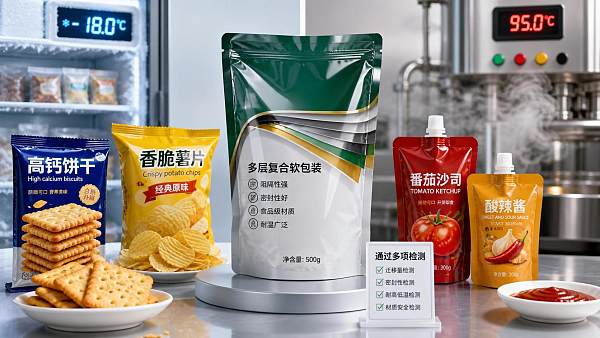
Manufacturers supplying packaging materials or refrigerated transport units to Chinese food exporters may see demand shift toward solutions compatible with digital traceability (e.g., IoT-enabled temperature loggers, tamper-evident QR-coded labels) and AI-ready inspection interfaces. Compatibility with blockchain traceability infrastructure is now a functional requirement in some procurement evaluations.
Contract Manufacturers & Co-Packers in China
Firms producing private-label or OEM frozen meals for export must align internal controls with verifiable, auditable checkpoints across sourcing, processing, and logistics. The General Mills case demonstrates that compliance is no longer limited to HACCP or GMP adherence but extends to data integrity across physical and digital layers.
Third-Party Supply Chain Verification Providers
Auditors and certification bodies supporting FSVP compliance may begin incorporating elements like AI screening validation or blockchain audit trails into their assessment protocols — particularly for facilities handling high-volume, low-margin prepared foods where manual inspection scalability is constrained.
What Relevant Enterprises Should Monitor and Act On
Track updates to FDA FSVP guidance and regional equivalents
The FDA’s Best Practices Repository is non-binding but serves as an authoritative signal. Stakeholders should monitor whether subsequent revisions to FSVP implementation guidance explicitly reference multi-layer digital traceability as an emerging expectation — not just for U.S.-bound shipments, but also for markets adopting FSVP-aligned frameworks (e.g., Saudi SFDA, Singapore SFA).
Assess traceability readiness across specific export corridors
Enterprises shipping to North America, the Gulf Cooperation Council (GCC), or ASEAN should map current capabilities against the four pillars highlighted: raw material traceability (e.g., flour origin documentation), real-time cold-chain monitoring, automated defect detection at packing lines, and immutable batch-level recordkeeping. Gaps in any pillar may trigger additional scrutiny under FSVP or local import requirements.
Distinguish between regulatory signaling and enforceable mandates
Inclusion in the FDA’s Best Practices Repository does not constitute a new legal requirement. Analysis shows this is currently a benchmarking reference — not a compliance threshold. However, observably, early adopters are gaining audit efficiency and reducing rework during customs clearance in priority markets.
Prepare cross-functional alignment ahead of supplier audits
Teams responsible for procurement, production QA, IT infrastructure, and logistics should jointly validate data handoffs across the four stages (sourcing → cold chain → AI screening → blockchain). Documentation must demonstrate consistency — e.g., temperature logs timestamped to match AI inspection triggers and blockchain transaction hashes.
Editorial Perspective / Industry Observation
This disclosure is better understood as a regulatory signal than an immediate compliance mandate. From an industry perspective, it reflects a growing emphasis on *verifiable interoperability* — where food safety assurance depends less on isolated certifications and more on synchronized, machine-readable evidence across physical and digital domains. Current adoption remains voluntary, but the selection of a multinational’s China-based operation as a reference model suggests that scalable, locally implemented frameworks are gaining policy visibility. Continued attention is warranted as regional regulators expand digital verification pilots — particularly where imported frozen foods represent >15% of domestic retail supply.
Conclusion
General Mills’ presentation at the 2026 International Conference on Food Safety and Health does not introduce new legislation, but it crystallizes an emerging architecture for food-grade export compliance: one rooted in traceable data integration rather than siloed process checks. For affected stakeholders, this is best interpreted not as an urgent deadline, but as a preview of operational benchmarks likely to gain traction across multiple import-regulated markets over the next 18–36 months.
Information Sources
Primary source: Official program summary and speaker disclosures from the 2026 International Conference on Food Safety and Health. Confirmation of FSMA Section 206 Best Practices Repository inclusion was publicly acknowledged by General Mills in its conference presentation materials. Ongoing observation is recommended regarding potential updates to FDA FSVP guidance documents and parallel developments in GCC and ASEAN food import regulations.
News Recommendations
 How to choose an ultra bright waterproof window display for storefronts
![51a6ab95581761cc26f4318be6520c15]()
Aris Katos
Future of Carbide Coatings
 How to verify suppliers on a trade portal for global sourcing
![51a6ab95581761cc26f4318be6520c15]()
Aris Katos
Future of Carbide Coatings
 How RoHS requirements should be stated in product specifications
![51a6ab95581761cc26f4318be6520c15]()
Aris Katos
Future of Carbide Coatings
 What affects the lead time for custom retail counter displays?
![51a6ab95581761cc26f4318be6520c15]()
Aris Katos
Future of Carbide Coatings
 What consumer packaging USA importers need to verify before ordering
![51a6ab95581761cc26f4318be6520c15]()
Aris Katos
Future of Carbide Coatings
 How commercial spaces interiors shape customer dwell time
![51a6ab95581761cc26f4318be6520c15]()
Aris Katos
Future of Carbide Coatings
 How LED commercial lighting design reduces glare in retail spaces
![51a6ab95581761cc26f4318be6520c15]()
Aris Katos
Future of Carbide Coatings
 How industrial technology information improves RFID inventory accuracy
![51a6ab95581761cc26f4318be6520c15]()
Aris Katos
Future of Carbide Coatings
 When drip garden watering systems make more sense than sprinklers
![51a6ab95581761cc26f4318be6520c15]()
Aris Katos
Future of Carbide Coatings
 When category comparison improves sourcing for industrial applications
![51a6ab95581761cc26f4318be6520c15]()
Aris Katos
Future of Carbide Coatings
 Industrial application guidance for selecting the right LED lighting
![51a6ab95581761cc26f4318be6520c15]()
Aris Katos
Future of Carbide Coatings
 Which commercial architecture standards apply to European retail fit-outs?
![51a6ab95581761cc26f4318be6520c15]()
Aris Katos
Future of Carbide Coatings
 How to verify FDA requirements for maternity care products
![51a6ab95581761cc26f4318be6520c15]()
Aris Katos
Future of Carbide Coatings
 How to verify BPA-free claims for food-contact products
![51a6ab95581761cc26f4318be6520c15]()
Aris Katos
Future of Carbide Coatings
 When does a European wholesale supplier suit modular office projects?
![51a6ab95581761cc26f4318be6520c15]()
Aris Katos
Future of Carbide Coatings
 When consumer ecosystem solutions improve the in-store shopping journey
![51a6ab95581761cc26f4318be6520c15]()
Aris Katos
Future of Carbide Coatings
 How a commercial developers network can reduce site selection risk
![51a6ab95581761cc26f4318be6520c15]()
Aris Katos
Future of Carbide Coatings
 How clear purchasing specifications prevent costly supplier deviations
![51a6ab95581761cc26f4318be6520c15]()
Aris Katos
Future of Carbide Coatings
 What an ISTA drop test lab checks before your packaging ships
![51a6ab95581761cc26f4318be6520c15]()
Aris Katos
Future of Carbide Coatings
 Which commercial furniture standards apply to workplace seating?
![51a6ab95581761cc26f4318be6520c15]()
Aris Katos
Future of Carbide Coatings
 How to evaluate smart lighting module OEM compatibility before sampling
![51a6ab95581761cc26f4318be6520c15]()
Aris Katos
Future of Carbide Coatings
 How to assess whether sustainable technology delivers real impact
![51a6ab95581761cc26f4318be6520c15]()
Aris Katos
Future of Carbide Coatings
 How to assess an OEM supplier’s quality control before ordering
![51a6ab95581761cc26f4318be6520c15]()
Aris Katos
Future of Carbide Coatings
 How consumer ecosystem solutions data can improve retail personalization
![51a6ab95581761cc26f4318be6520c15]()
Aris Katos
Future of Carbide Coatings
 When does consumer packaging design justify a higher product price?
![51a6ab95581761cc26f4318be6520c15]()
Aris Katos
Future of Carbide Coatings
 Supermarket Fixture Installation: Planning Layouts, Wiring, and Handover
![51a6ab95581761cc26f4318be6520c15]()
Aris Katos
Future of Carbide Coatings
 Automated Lighting and Smart Lighting Control in Bergerac: Key Project Considerations
![51a6ab95581761cc26f4318be6520c15]()
Aris Katos
Future of Carbide Coatings
 Segment Streetlight Controllers: Choosing Control Modes for Urban Roads
![51a6ab95581761cc26f4318be6520c15]()
Aris Katos
Future of Carbide Coatings
 IEC 62471-2 Explained: How to Assess Photobiological Risks in LED Lighting
![51a6ab95581761cc26f4318be6520c15]()
Aris Katos
Future of Carbide Coatings
 Food Grade Packaging Requirements by Product Type, Temperature, and Contact Risk
![51a6ab95581761cc26f4318be6520c15]()
Aris Katos
Future of Carbide Coatings
 Food Packaging Compliance Checklist: Tests, Records, and Labeling Before Shipment
![51a6ab95581761cc26f4318be6520c15]()
Aris Katos
Future of Carbide Coatings
 NSF Food Packaging Standards: When Certification Matters for Commercial Food Use
![51a6ab95581761cc26f4318be6520c15]()
Aris Katos
Future of Carbide Coatings
 FDA Food Grade Compliance: Which Materials and Documents Do Buyers Need?
![51a6ab95581761cc26f4318be6520c15]()
Aris Katos
Future of Carbide Coatings
 What Should a Food Grade Declaration Include for Packaging Compliance?
![51a6ab95581761cc26f4318be6520c15]()
Aris Katos
Future of Carbide Coatings
 Housewares Importing: How to Evaluate Suppliers, Costs, and Compliance Risks
![51a6ab95581761cc26f4318be6520c15]()
Aris Katos
Future of Carbide Coatings
 Why Freeze-Dried Fruit Ingredients Lose Crispness—and How to Prevent It
![51a6ab95581761cc26f4318be6520c15]()
Aris Katos
Future of Carbide Coatings
 What industry veterans look for before choosing a new supplier
![51a6ab95581761cc26f4318be6520c15]()
Aris Katos
Future of Carbide Coatings
 How material fatigue can shorten the service life of retail shelving
![51a6ab95581761cc26f4318be6520c15]()
Aris Katos
Future of Carbide Coatings
 What makes a global sourcing platform reliable for supplier verification?
![51a6ab95581761cc26f4318be6520c15]()
Aris Katos
Future of Carbide Coatings