Retail Technology Solutions: What to Compare Before You Invest
Time
Click Count
Investing in retail technology solutions requires more than comparing features or price points. For technical evaluators, the real challenge is assessing interoperability, compliance, scalability, data visibility, and long-term operational value across commercial environments. This article outlines the key factors to compare before you invest, helping you make informed decisions that support smarter retail performance and resilient business growth.
Why a checklist-first approach works better for technical evaluation
Retail environments now depend on connected hardware, software, analytics, store fixtures, payment systems, digital signage, and supply chain data working together without friction. That means retail technology solutions should never be judged in isolation. A fast demo can look impressive, but implementation risks usually appear later: incompatible data structures, poor API quality, hidden licensing costs, weak cybersecurity controls, or limited support for multi-site rollouts.
For technical assessment teams, a checklist-based method improves decision quality because it turns a broad technology purchase into a structured review. It also helps stakeholders compare vendors consistently across stores, regions, and deployment models. In complex commercial ecosystems, such discipline reduces the chance of buying tools that solve one workflow while creating new problems elsewhere.
The most effective evaluation process starts with a few core questions: What business process must improve first? Which systems must integrate on day one? Which compliance standards are non-negotiable? What data should be visible to store operators, IT teams, and sourcing leaders? These questions create a practical framework for comparing retail technology solutions beyond marketing claims.
Core checklist: what to compare before you invest
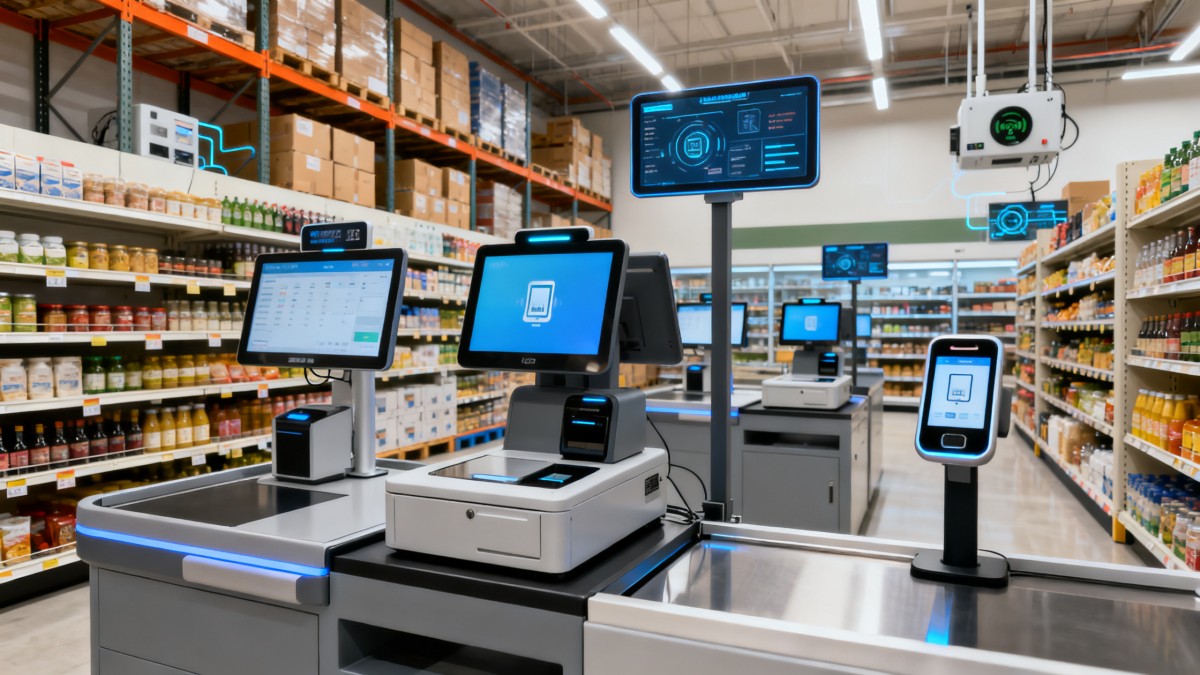
Use the following checklist as a baseline when reviewing retail technology solutions for chain stores, brand showrooms, commercial developers, or mixed retail environments.
- Business fit: Confirm whether the solution supports the exact retail workflow you need to improve, such as checkout speed, shelf visibility, queue reduction, omnichannel fulfillment, pricing accuracy, or labor efficiency.
- Integration readiness: Check API maturity, middleware compatibility, ERP/POS/CRM links, and whether the platform can exchange structured data with existing systems in real time.
- Hardware-software alignment: Verify that kiosks, scanners, payment devices, sensors, displays, or edge devices are certified for the software stack and local infrastructure.
- Scalability: Compare how well the solution performs from one pilot site to hundreds of locations, including user provisioning, remote updates, and centralized configuration.
- Security and compliance: Review encryption, device authentication, user access controls, audit logs, payment security, privacy obligations, and alignment with applicable standards.
- Data visibility: Assess dashboard depth, export options, alerting logic, data ownership terms, and whether operational data can be used for benchmarking across sites.
- Total cost of ownership: Include setup, subscriptions, implementation services, training, hardware refresh cycles, maintenance, and change-order risk.
- Support model: Compare SLA terms, support hours, local service coverage, spare parts availability, and escalation procedures for high-impact incidents.
- User adoption: Evaluate interface simplicity, training burden, multilingual support, and whether frontline teams can use the system with minimal disruption.
- Vendor stability: Review roadmap transparency, deployment references, update frequency, and the supplier’s long-term ability to support commercial modernization.
How to judge the most important comparison categories
1. Interoperability should be tested, not assumed
Many retail technology solutions claim to be “open” or “integrated,” but technical evaluators need proof. Ask vendors for API documentation, sample payloads, supported protocols, webhook logic, and a list of existing integrations. Then go one step further: map your current architecture and identify where data enters, transforms, and exits. If item master data, inventory status, promotion rules, payment events, and customer profiles cannot move reliably across systems, the solution may increase operational complexity instead of reducing it.
A strong interoperability review should also check edge cases. For example, how does the system behave during offline transactions, delayed sync, tax rule updates, or cross-border deployments? Technical teams should compare not just the integration count, but the quality and resilience of those integrations.
2. Compliance must match the commercial environment
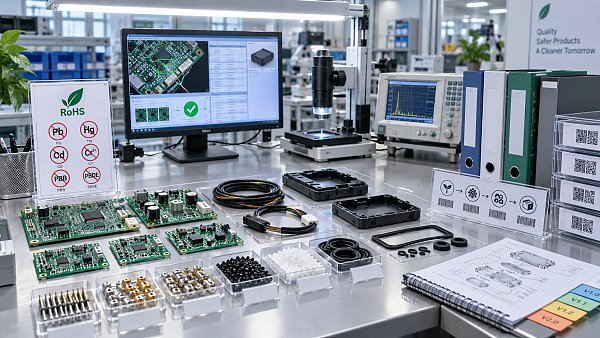
Compliance is often treated as a legal checkpoint, but for technical evaluators it is also an operational reliability issue. Hardware and connected systems in commercial spaces may need to align with standards such as UL, CE, BIFMA, payment security requirements, local electrical codes, accessibility expectations, and privacy obligations. This is particularly important when retail technology solutions are embedded into fixtures, counters, kiosks, or showroom environments.
Ask vendors to specify which certifications apply to which components. A platform may be compliant at the software layer while relying on third-party hardware that introduces certification gaps. For global programs, you should also compare region-specific compliance readiness before expanding beyond a pilot market.
3. Scalability is about rollout friction, not just cloud capacity
Scalability in retail technology solutions should be measured through deployment effort. Can stores be onboarded remotely? Can templates be reused across formats? How quickly can device fleets be monitored, patched, and recovered? Does the solution support role-based access for central IT, regional operators, and store managers without custom workarounds?
A useful test is to compare what happens after the pilot succeeds. Some systems perform well in one flagship store but become expensive or unstable when extended to convenience stores, department counters, airport retail, or franchise locations. Technical evaluation should therefore include provisioning workflows, remote device management, and localization capabilities.
4. Data visibility should support decisions across teams
The value of retail technology solutions increases when data can be used by operations, merchandising, procurement, facilities, and executive teams. Compare what data is available by default, what requires custom reporting, and what remains locked inside the vendor platform. A system that cannot expose actionable metrics may weaken inventory planning, campaign measurement, maintenance scheduling, and store performance benchmarking.
Technical evaluators should prioritize solutions that provide clear event logs, role-based dashboards, export flexibility, and standardized data structures. This matters even more in organizations that benchmark store design, fixture performance, or supply chain responsiveness across regions.
Scenario-based comparison points for different retail settings
Not all retail technology solutions should be ranked with the same weighting. The right comparison priorities depend on store format, product category, traffic patterns, and the level of digital maturity already in place.
Commonly overlooked issues that can distort your decision
Even experienced teams can miss critical factors when comparing retail technology solutions. These are the areas most likely to create downstream cost or operational friction:
- Infrastructure assumptions: Some solutions require more stable power, bandwidth, or network segmentation than existing stores can provide.
- Data ownership ambiguity: If contracts are unclear, extracting your own historical performance data later may be difficult or expensive.
- Custom integration dependency: A platform that needs heavy custom work may be harder to upgrade and maintain over time.
- Physical environment mismatch: Devices may overheat, glare, wear out, or underperform when exposed to lighting, traffic, dust, or usage conditions not considered during procurement.
- Training underestimation: A technically advanced system can fail if store associates and local managers cannot use it quickly and confidently.
- Weak post-install support: Maintenance response time matters just as much as initial deployment speed.
Practical evaluation steps before issuing approval
To make comparison more objective, technical evaluators should move from general screening to staged validation. A practical sequence looks like this:
- Define the operational problem in measurable terms, such as reduced checkout time, improved inventory accuracy, or better maintenance visibility.
- List mandatory integration points and compliance requirements before reviewing vendor proposals.
- Request architecture diagrams, certification documents, implementation plans, and sample reporting outputs.
- Score retail technology solutions using weighted criteria rather than equal scoring across all categories.
- Run a pilot with success metrics tied to business value, technical stability, and user adoption.
- Document exceptions, unresolved dependencies, and rollout prerequisites before signing long-term commitments.
Questions technical evaluators should ask vendors early
Early vendor conversations can reveal whether a solution is ready for serious review. Ask direct questions such as: Which systems are integrated natively, and which require third parties? What is the fallback behavior if connectivity fails? Who owns operational and transactional data? How are patches and firmware updates handled across device fleets? Which certifications apply to each hardware component? What are the service levels for mission-critical failures? How does pricing change at 10, 100, or 500 locations?
These questions help separate polished demos from deployment-ready retail technology solutions. They also make it easier to compare providers across smart retail systems, digital store equipment, signage integration, payment technology, and analytics platforms within a unified framework.
FAQ for comparing retail technology solutions
How long should a technical evaluation take?
It depends on integration complexity and rollout scope, but the review should be long enough to validate APIs, compliance documents, support coverage, and pilot metrics. Rushed approvals often miss hidden dependencies.
Is the cheapest option ever the best option?
Only if the lower price does not create higher long-term cost through support gaps, limited scalability, expensive customization, or poor reliability. Total cost of ownership matters more than initial price.
Should hardware and software be sourced together?
In many cases, yes, especially when user experience, fixture integration, or compliance depends on a validated combination. However, open architecture and replaceable components can reduce future lock-in.
Final decision guidance and next-step preparation
The best retail technology solutions are not simply the most advanced or the most visible in the market. They are the ones that fit your commercial environment, integrate cleanly with existing systems, meet compliance requirements, expose useful data, and remain supportable at scale. For technical evaluators, the strongest investment decisions come from disciplined comparison, not vendor promises.
If your organization is ready to move forward, prepare a concise decision pack before deeper supplier engagement. Include target use cases, existing system architecture, mandatory standards, deployment regions, site count assumptions, budget boundaries, support expectations, and timeline constraints. With that information in place, discussions around parameters, solution fit, rollout cycle, commercial model, and long-term partnership become faster and far more reliable.
News Recommendations
 How to choose an ultra bright waterproof window display for storefronts
![51a6ab95581761cc26f4318be6520c15]()
Aris Katos
Future of Carbide Coatings
 How to verify suppliers on a trade portal for global sourcing
![51a6ab95581761cc26f4318be6520c15]()
Aris Katos
Future of Carbide Coatings
 How RoHS requirements should be stated in product specifications
![51a6ab95581761cc26f4318be6520c15]()
Aris Katos
Future of Carbide Coatings
 What affects the lead time for custom retail counter displays?
![51a6ab95581761cc26f4318be6520c15]()
Aris Katos
Future of Carbide Coatings
 What consumer packaging USA importers need to verify before ordering
![51a6ab95581761cc26f4318be6520c15]()
Aris Katos
Future of Carbide Coatings
 How commercial spaces interiors shape customer dwell time
![51a6ab95581761cc26f4318be6520c15]()
Aris Katos
Future of Carbide Coatings
 How LED commercial lighting design reduces glare in retail spaces
![51a6ab95581761cc26f4318be6520c15]()
Aris Katos
Future of Carbide Coatings
 How industrial technology information improves RFID inventory accuracy
![51a6ab95581761cc26f4318be6520c15]()
Aris Katos
Future of Carbide Coatings
 When drip garden watering systems make more sense than sprinklers
![51a6ab95581761cc26f4318be6520c15]()
Aris Katos
Future of Carbide Coatings
 When category comparison improves sourcing for industrial applications
![51a6ab95581761cc26f4318be6520c15]()
Aris Katos
Future of Carbide Coatings
 Industrial application guidance for selecting the right LED lighting
![51a6ab95581761cc26f4318be6520c15]()
Aris Katos
Future of Carbide Coatings
 Which commercial architecture standards apply to European retail fit-outs?
![51a6ab95581761cc26f4318be6520c15]()
Aris Katos
Future of Carbide Coatings
 How to verify FDA requirements for maternity care products
![51a6ab95581761cc26f4318be6520c15]()
Aris Katos
Future of Carbide Coatings
 How to verify BPA-free claims for food-contact products
![51a6ab95581761cc26f4318be6520c15]()
Aris Katos
Future of Carbide Coatings
 When does a European wholesale supplier suit modular office projects?
![51a6ab95581761cc26f4318be6520c15]()
Aris Katos
Future of Carbide Coatings
 When consumer ecosystem solutions improve the in-store shopping journey
![51a6ab95581761cc26f4318be6520c15]()
Aris Katos
Future of Carbide Coatings
 How a commercial developers network can reduce site selection risk
![51a6ab95581761cc26f4318be6520c15]()
Aris Katos
Future of Carbide Coatings
 How clear purchasing specifications prevent costly supplier deviations
![51a6ab95581761cc26f4318be6520c15]()
Aris Katos
Future of Carbide Coatings
 What an ISTA drop test lab checks before your packaging ships
![51a6ab95581761cc26f4318be6520c15]()
Aris Katos
Future of Carbide Coatings
 Which commercial furniture standards apply to workplace seating?
![51a6ab95581761cc26f4318be6520c15]()
Aris Katos
Future of Carbide Coatings
 How to evaluate smart lighting module OEM compatibility before sampling
![51a6ab95581761cc26f4318be6520c15]()
Aris Katos
Future of Carbide Coatings
 How to assess whether sustainable technology delivers real impact
![51a6ab95581761cc26f4318be6520c15]()
Aris Katos
Future of Carbide Coatings
 How to assess an OEM supplier’s quality control before ordering
![51a6ab95581761cc26f4318be6520c15]()
Aris Katos
Future of Carbide Coatings
 How consumer ecosystem solutions data can improve retail personalization
![51a6ab95581761cc26f4318be6520c15]()
Aris Katos
Future of Carbide Coatings
 When does consumer packaging design justify a higher product price?
![51a6ab95581761cc26f4318be6520c15]()
Aris Katos
Future of Carbide Coatings
 Supermarket Fixture Installation: Planning Layouts, Wiring, and Handover
![51a6ab95581761cc26f4318be6520c15]()
Aris Katos
Future of Carbide Coatings
 Automated Lighting and Smart Lighting Control in Bergerac: Key Project Considerations
![51a6ab95581761cc26f4318be6520c15]()
Aris Katos
Future of Carbide Coatings
 Segment Streetlight Controllers: Choosing Control Modes for Urban Roads
![51a6ab95581761cc26f4318be6520c15]()
Aris Katos
Future of Carbide Coatings
 IEC 62471-2 Explained: How to Assess Photobiological Risks in LED Lighting
![51a6ab95581761cc26f4318be6520c15]()
Aris Katos
Future of Carbide Coatings
 Food Grade Packaging Requirements by Product Type, Temperature, and Contact Risk
![51a6ab95581761cc26f4318be6520c15]()
Aris Katos
Future of Carbide Coatings
 Food Packaging Compliance Checklist: Tests, Records, and Labeling Before Shipment
![51a6ab95581761cc26f4318be6520c15]()
Aris Katos
Future of Carbide Coatings
 NSF Food Packaging Standards: When Certification Matters for Commercial Food Use
![51a6ab95581761cc26f4318be6520c15]()
Aris Katos
Future of Carbide Coatings
 FDA Food Grade Compliance: Which Materials and Documents Do Buyers Need?
![51a6ab95581761cc26f4318be6520c15]()
Aris Katos
Future of Carbide Coatings
 What Should a Food Grade Declaration Include for Packaging Compliance?
![51a6ab95581761cc26f4318be6520c15]()
Aris Katos
Future of Carbide Coatings
 Housewares Importing: How to Evaluate Suppliers, Costs, and Compliance Risks
![51a6ab95581761cc26f4318be6520c15]()
Aris Katos
Future of Carbide Coatings
 Why Freeze-Dried Fruit Ingredients Lose Crispness—and How to Prevent It
![51a6ab95581761cc26f4318be6520c15]()
Aris Katos
Future of Carbide Coatings
 What industry veterans look for before choosing a new supplier
![51a6ab95581761cc26f4318be6520c15]()
Aris Katos
Future of Carbide Coatings
 How material fatigue can shorten the service life of retail shelving
![51a6ab95581761cc26f4318be6520c15]()
Aris Katos
Future of Carbide Coatings
 What makes a global sourcing platform reliable for supplier verification?
![51a6ab95581761cc26f4318be6520c15]()
Aris Katos
Future of Carbide Coatings