Asset Tracking Hardware: Common Failure Points to Avoid
Time
Click Count
Asset tracking hardware can fail quietly long before dashboards show obvious gaps. Small defects often start at the edge, then spread into missed scans, poor maintenance timing, and unreliable asset data.
In commercial environments, those failures affect inventory flow, service quality, compliance records, and lifecycle planning. This makes early fault detection essential for any asset tracking hardware strategy.
For modern retail, logistics, workplace systems, and shared equipment networks, the goal is not only tracking. It is sustained visibility under real operating conditions, with fewer service disruptions.
Why failure patterns vary by operating scenario
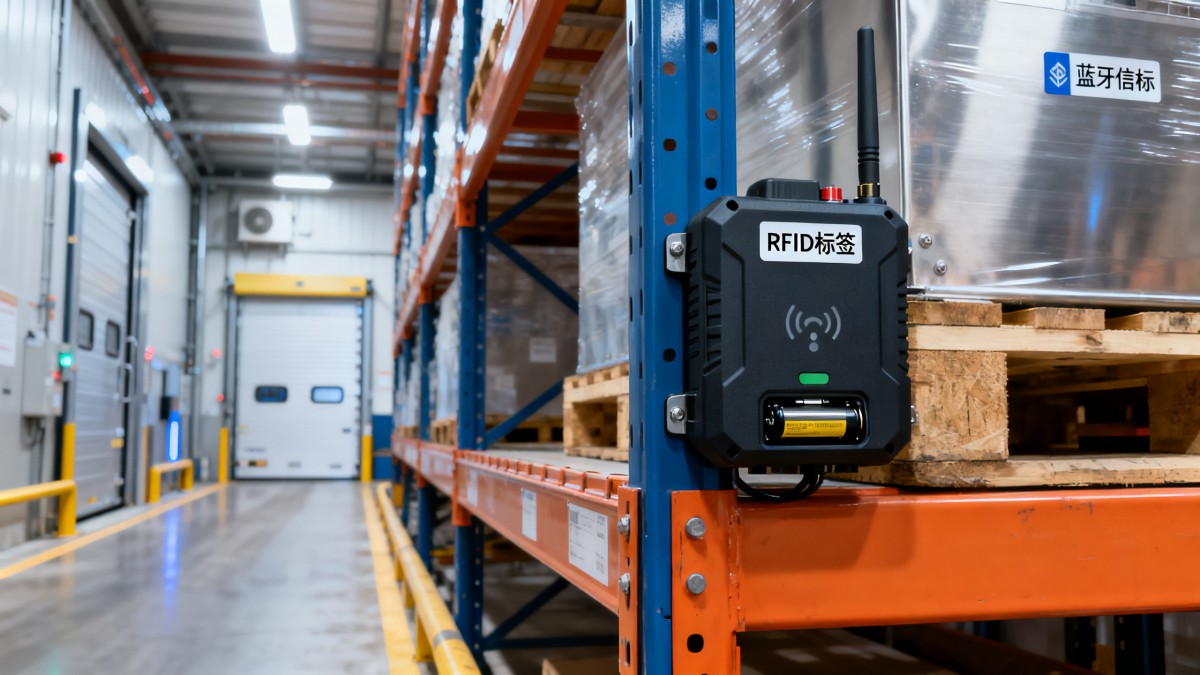
Not every asset tracking hardware deployment fails for the same reason. A warehouse tag faces impact and interference, while a store beacon may struggle more with power settings and mounting quality.
This scenario-based view matters because maintenance priorities change by environment. Temperature swings, washdown exposure, metal surfaces, and long dwell times all reshape hardware risk.
G-BCE benchmarking across commercial systems shows one consistent pattern. Most failures do not begin with software. They begin with overlooked physical weak points inside asset tracking hardware.
In high-movement logistics, battery and enclosure issues surface first
Forklifts, rolling cages, pallets, and returnable transport items create constant vibration. In these settings, battery contacts loosen, housings crack, and seals degrade faster than expected.
Battery degradation is one of the most common asset tracking hardware failure points. Capacity loss, voltage drop, and poor low-temperature performance can cause irregular transmission intervals.
What to check in fast-cycle environments
- Battery chemistry matched to actual duty cycle
- Housing resistance to impact, dust, and washdown
- Contact stability after repeated shocks
- Mounting method that prevents micro-movement
- Transmission settings that avoid unnecessary drain
A common mistake is replacing batteries without reviewing ping frequency. Hardware may seem defective when the real issue is an aggressive reporting profile that shortens service life.
In metal-rich facilities, antenna damage and signal shadowing dominate
Manufacturing lines, tool cribs, and storage racks often create RF dead zones. Here, asset tracking hardware may remain powered but still produce weak or inconsistent location events.
Antenna damage is sometimes visible, but signal shadowing is harder to detect. Metal surfaces, tight mounting, and incorrect orientation can reduce read range without obvious physical breakage.
Key judgment points for signal-related failures
First, check whether the issue follows the asset or the zone. If multiple tags fail near the same structures, placement and interference are stronger suspects than device defects.
Second, inspect adhesives, brackets, and spacers. Antenna performance often depends on distance from metal, not only on the electronic quality of the asset tracking hardware itself.
Third, verify reader or gateway alignment. Poor infrastructure placement can look like hardware failure, leading to unnecessary device replacement and persistent visibility gaps.
In retail and public-facing spaces, tampering and cosmetic wear become serious risks
Store fixtures, smart shelves, demo assets, and loaned devices face human contact every day. In these spaces, asset tracking hardware must balance discreet appearance with durable attachment.
Failure often starts with loose mounting, removed covers, or blocked signal paths. Cosmetic wear may seem minor, yet surface damage can expose seals and shorten hardware life.
What matters most in customer-facing environments
- Low-profile mounting that resists casual removal
- Materials that tolerate cleaning chemicals
- Enclosures that preserve appearance over time
- Device placement that avoids signage and metal blockage
- Routine visual inspection during service visits
In these settings, strong asset tracking hardware performance also supports brand consistency. Reliable physical design reduces visible damage, emergency replacements, and trust issues around missing items.
In cold chain, outdoor, and washdown sites, environmental wear causes hidden failures
Environmental stress is a major source of premature asset tracking hardware failure. Moisture ingress, UV exposure, condensation, and thermal cycling can damage seals, boards, and battery performance.
Many devices pass lab ratings yet still fail in mixed real-world exposure. Frequent temperature transitions are especially harmful because condensation may form even when housings look intact.
Warning signs before full failure
- Shorter battery life after seasonal changes
- Fogging, discoloration, or brittle housing surfaces
- Intermittent pings after cleaning cycles
- Corrosion around fasteners or contacts
- Irregular data gaps during shift transitions
For these applications, environmental validation should go beyond an IP label. Material compatibility, seal design, and actual maintenance routines all affect asset tracking hardware durability.
How scenario needs differ across common deployments
This comparison helps explain why a single hardware specification rarely fits every site. Effective asset tracking hardware selection depends on environment, asset type, and maintenance capability.
Practical fit recommendations before failures scale
Build a failure map by asset category
Group assets by movement level, surface material, exposure, and service interval. This reveals where asset tracking hardware needs longer battery life, stronger housing, or better antenna spacing.
Match reporting rules to operational reality
Fast reporting is not always better. Tune intervals, wake triggers, and exception alerts so asset tracking hardware sends useful events without wasting battery or creating noisy data.
Inspect mounts as carefully as electronics
Many recurring failures come from adhesives, clips, or bracket design. A stable mount protects both enclosure integrity and signal consistency across the hardware lifecycle.
Use field tests, not only datasheets
Bench specifications cannot fully predict live performance. Pilot testing in real aisles, docks, freezer rooms, and retail fixtures gives clearer evidence of asset tracking hardware resilience.
Frequent misjudgments that create avoidable tracking gaps
One common error is treating missed reads as software defects first. In practice, weak batteries, damaged antennas, or poor placement often explain the problem faster.
Another mistake is assuming certified hardware is automatically fit for every environment. Compliance marks matter, but real deployment conditions still determine asset tracking hardware survival.
A third oversight is skipping preventive replacement windows. Waiting for total failure increases blind spots, emergency labor, and asset reconciliation work across the operation.
Next steps to strengthen asset tracking hardware performance
Start with a site-by-site review of battery behavior, mounting quality, enclosure wear, and signal consistency. Document where faults repeat and compare them against actual environmental stress.
Then create a simple action plan. Adjust reporting settings, improve attachment methods, retest antenna positioning, and define replacement thresholds before reliability drops further.
For organizations modernizing commercial environments, stronger asset tracking hardware decisions support better uptime, cleaner data, and more resilient consumer-facing operations. Small hardware details often decide system-level visibility.
News Recommendations
 How to choose an ultra bright waterproof window display for storefronts
![51a6ab95581761cc26f4318be6520c15]()
Aris Katos
Future of Carbide Coatings
 How to verify suppliers on a trade portal for global sourcing
![51a6ab95581761cc26f4318be6520c15]()
Aris Katos
Future of Carbide Coatings
 How RoHS requirements should be stated in product specifications
![51a6ab95581761cc26f4318be6520c15]()
Aris Katos
Future of Carbide Coatings
 What affects the lead time for custom retail counter displays?
![51a6ab95581761cc26f4318be6520c15]()
Aris Katos
Future of Carbide Coatings
 What consumer packaging USA importers need to verify before ordering
![51a6ab95581761cc26f4318be6520c15]()
Aris Katos
Future of Carbide Coatings
 How commercial spaces interiors shape customer dwell time
![51a6ab95581761cc26f4318be6520c15]()
Aris Katos
Future of Carbide Coatings
 How LED commercial lighting design reduces glare in retail spaces
![51a6ab95581761cc26f4318be6520c15]()
Aris Katos
Future of Carbide Coatings
 How industrial technology information improves RFID inventory accuracy
![51a6ab95581761cc26f4318be6520c15]()
Aris Katos
Future of Carbide Coatings
 When drip garden watering systems make more sense than sprinklers
![51a6ab95581761cc26f4318be6520c15]()
Aris Katos
Future of Carbide Coatings
 When category comparison improves sourcing for industrial applications
![51a6ab95581761cc26f4318be6520c15]()
Aris Katos
Future of Carbide Coatings
 Industrial application guidance for selecting the right LED lighting
![51a6ab95581761cc26f4318be6520c15]()
Aris Katos
Future of Carbide Coatings
 Which commercial architecture standards apply to European retail fit-outs?
![51a6ab95581761cc26f4318be6520c15]()
Aris Katos
Future of Carbide Coatings
 How to verify FDA requirements for maternity care products
![51a6ab95581761cc26f4318be6520c15]()
Aris Katos
Future of Carbide Coatings
 How to verify BPA-free claims for food-contact products
![51a6ab95581761cc26f4318be6520c15]()
Aris Katos
Future of Carbide Coatings
 When does a European wholesale supplier suit modular office projects?
![51a6ab95581761cc26f4318be6520c15]()
Aris Katos
Future of Carbide Coatings
 When consumer ecosystem solutions improve the in-store shopping journey
![51a6ab95581761cc26f4318be6520c15]()
Aris Katos
Future of Carbide Coatings
 How a commercial developers network can reduce site selection risk
![51a6ab95581761cc26f4318be6520c15]()
Aris Katos
Future of Carbide Coatings
 How clear purchasing specifications prevent costly supplier deviations
![51a6ab95581761cc26f4318be6520c15]()
Aris Katos
Future of Carbide Coatings
 What an ISTA drop test lab checks before your packaging ships
![51a6ab95581761cc26f4318be6520c15]()
Aris Katos
Future of Carbide Coatings
 Which commercial furniture standards apply to workplace seating?
![51a6ab95581761cc26f4318be6520c15]()
Aris Katos
Future of Carbide Coatings
 How to evaluate smart lighting module OEM compatibility before sampling
![51a6ab95581761cc26f4318be6520c15]()
Aris Katos
Future of Carbide Coatings
 How to assess whether sustainable technology delivers real impact
![51a6ab95581761cc26f4318be6520c15]()
Aris Katos
Future of Carbide Coatings
 How to assess an OEM supplier’s quality control before ordering
![51a6ab95581761cc26f4318be6520c15]()
Aris Katos
Future of Carbide Coatings
 How consumer ecosystem solutions data can improve retail personalization
![51a6ab95581761cc26f4318be6520c15]()
Aris Katos
Future of Carbide Coatings
 When does consumer packaging design justify a higher product price?
![51a6ab95581761cc26f4318be6520c15]()
Aris Katos
Future of Carbide Coatings
 Supermarket Fixture Installation: Planning Layouts, Wiring, and Handover
![51a6ab95581761cc26f4318be6520c15]()
Aris Katos
Future of Carbide Coatings
 Automated Lighting and Smart Lighting Control in Bergerac: Key Project Considerations
![51a6ab95581761cc26f4318be6520c15]()
Aris Katos
Future of Carbide Coatings
 Segment Streetlight Controllers: Choosing Control Modes for Urban Roads
![51a6ab95581761cc26f4318be6520c15]()
Aris Katos
Future of Carbide Coatings
 IEC 62471-2 Explained: How to Assess Photobiological Risks in LED Lighting
![51a6ab95581761cc26f4318be6520c15]()
Aris Katos
Future of Carbide Coatings
 Food Grade Packaging Requirements by Product Type, Temperature, and Contact Risk
![51a6ab95581761cc26f4318be6520c15]()
Aris Katos
Future of Carbide Coatings
 Food Packaging Compliance Checklist: Tests, Records, and Labeling Before Shipment
![51a6ab95581761cc26f4318be6520c15]()
Aris Katos
Future of Carbide Coatings
 NSF Food Packaging Standards: When Certification Matters for Commercial Food Use
![51a6ab95581761cc26f4318be6520c15]()
Aris Katos
Future of Carbide Coatings
 FDA Food Grade Compliance: Which Materials and Documents Do Buyers Need?
![51a6ab95581761cc26f4318be6520c15]()
Aris Katos
Future of Carbide Coatings
 What Should a Food Grade Declaration Include for Packaging Compliance?
![51a6ab95581761cc26f4318be6520c15]()
Aris Katos
Future of Carbide Coatings
 Housewares Importing: How to Evaluate Suppliers, Costs, and Compliance Risks
![51a6ab95581761cc26f4318be6520c15]()
Aris Katos
Future of Carbide Coatings
 Why Freeze-Dried Fruit Ingredients Lose Crispness—and How to Prevent It
![51a6ab95581761cc26f4318be6520c15]()
Aris Katos
Future of Carbide Coatings
 What industry veterans look for before choosing a new supplier
![51a6ab95581761cc26f4318be6520c15]()
Aris Katos
Future of Carbide Coatings
 How material fatigue can shorten the service life of retail shelving
![51a6ab95581761cc26f4318be6520c15]()
Aris Katos
Future of Carbide Coatings
 What makes a global sourcing platform reliable for supplier verification?
![51a6ab95581761cc26f4318be6520c15]()
Aris Katos
Future of Carbide Coatings