What Makes Smart City Lighting Infrastructure Work?
Time
Click Count
From smart city lighting infrastructure to retail lighting psychological impact, modern commercial environments depend on lighting that is intelligent, resilient, and human-focused. For researchers, operators, buyers, and business evaluators, understanding how human centric lighting (HCL), biophilic lighting design, and benchmarks like IP67 waterproof signage, IK10 impact resistance rating, and LED chip lifespan testing work together reveals what truly drives safer, more efficient, and future-ready urban and retail spaces.
Why does smart city lighting infrastructure succeed in some projects and fail in others?
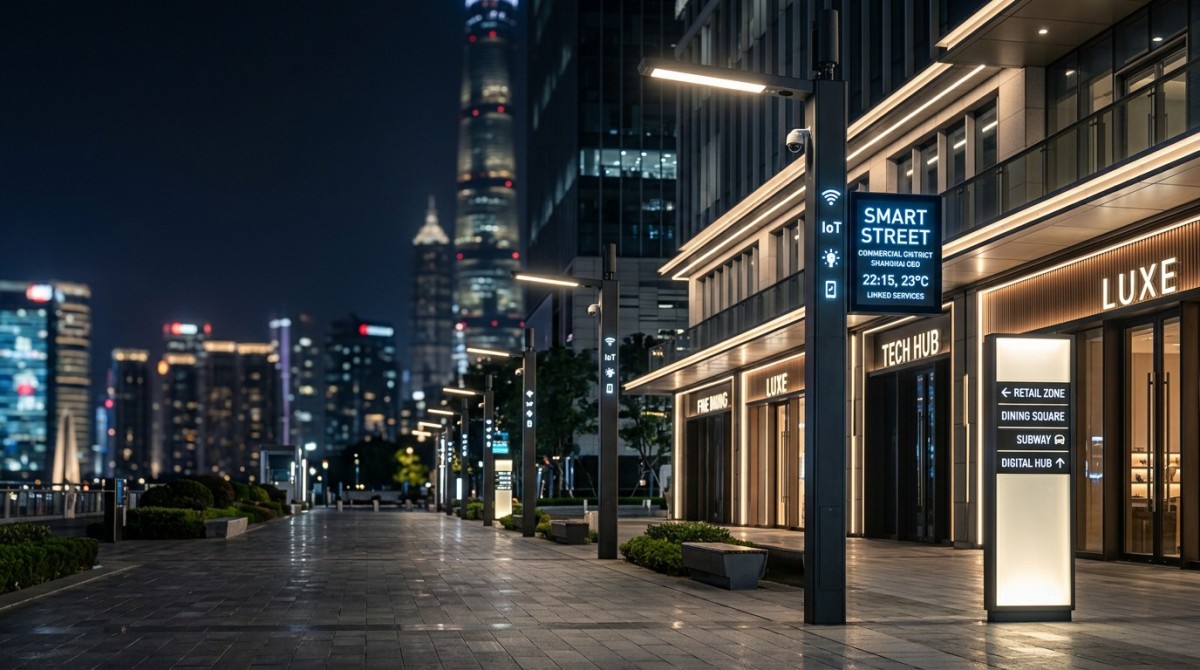
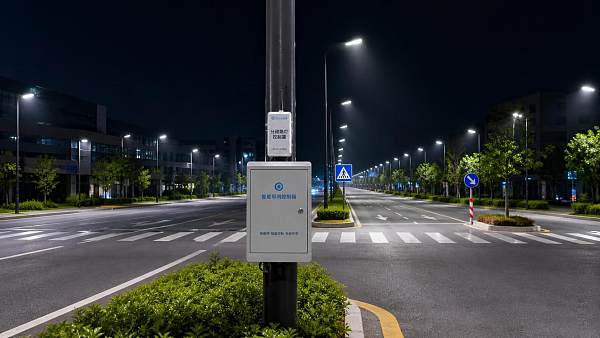
Smart city lighting infrastructure works when it is treated as a connected operating system rather than a set of isolated luminaires, poles, signs, and controls. In urban retail corridors, transit zones, mixed-use developments, and public plazas, lighting must support visibility, safety, energy management, brand presentation, and maintenance efficiency at the same time. A project usually moves through 3 core stages: planning, deployment, and long-term optimization.
Many underperforming projects focus too heavily on initial brightness and not enough on control logic, environmental resilience, and user response. Operators may discover after 6–12 months that maintenance access is difficult, sensors are poorly calibrated, or fixtures do not align with pedestrian behavior. Buyers often face a similar issue when quotes look comparable on paper, but critical differences in ingress protection, impact resistance, and driver quality are hidden in technical details.
For information researchers and business evaluators, the real question is not simply whether a system is “smart.” The question is whether the lighting infrastructure can operate reliably across a typical temperature range, maintain stable output over long operating cycles, and integrate with signage, surveillance, traffic logic, and retail frontage requirements. In practical procurement, 4 dimensions matter most: durability, controllability, maintainability, and human experience.
This is where G-BCE brings value. By connecting commercial lighting and signage benchmarks with broader smart retail technology and supply chain intelligence, G-BCE helps sourcing teams evaluate not only fixture specifications but also how those specifications perform in real commercial environments. That matters when one site requires decorative retail lighting with psychological impact, while another needs vandal-resistant urban hardware with predictable lifecycle cost.
What are the minimum building blocks of a working system?
A functioning smart city lighting infrastructure usually combines several layers that must be assessed together. If one layer is weak, the whole system becomes harder to manage and more expensive to maintain over 2–5 years of operation.
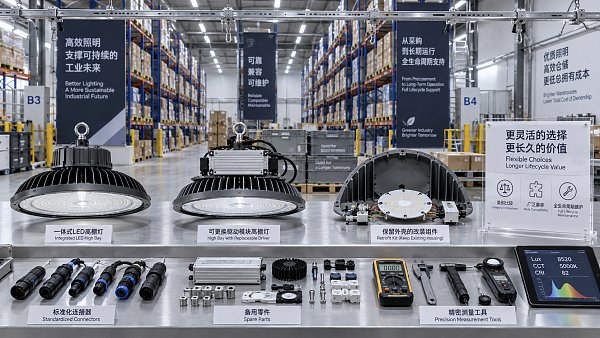
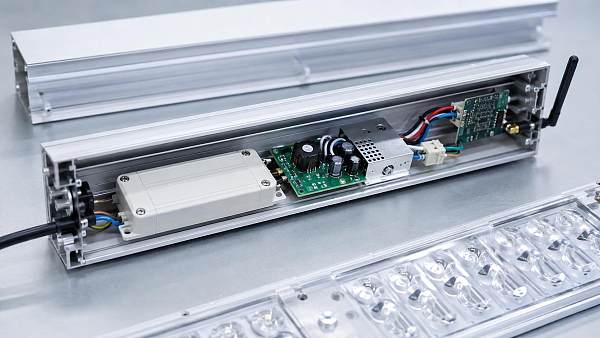
- Physical hardware: poles, luminaires, drivers, optics, signage housings, connectors, and protective enclosures sized for the intended urban or retail environment.
- Control layer: sensors, dimming logic, time scheduling, daylight harvesting, occupancy response, and remote monitoring capabilities.
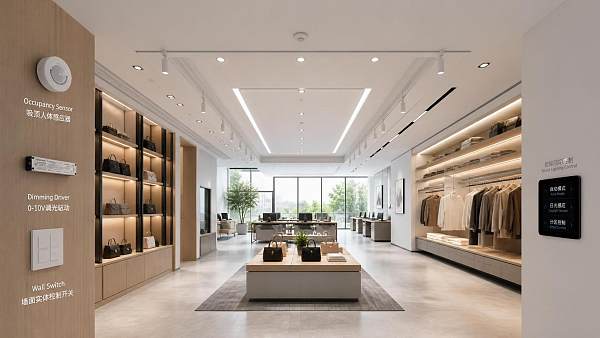
- Human-centered design: glare control, color temperature selection, HCL alignment, visual comfort, and retail lighting psychological impact.
- Compliance and verification: checks for ratings such as IP67 waterproof signage, IK10 impact resistance rating, electrical conformity, and LED chip lifespan testing.
When these elements are specified together, the result is a system that supports both operational performance and long-term asset value. When they are separated into different purchasing decisions, coordination risk rises quickly.
Which technical performance indicators actually matter for urban and retail lighting?
Technical performance should be evaluated in context. A decorative façade luminaire, a pedestrian pathway fixture, and an illuminated wayfinding sign serve different purposes, even if all are part of the same smart city lighting infrastructure. For buyers and operators, the most useful approach is to compare indicators that influence uptime, service interval, and user experience rather than chasing a single headline number.
IP and IK ratings are among the first filters. IP67 waterproof signage is relevant where washdown, heavy rain, roadside dust, or exposed exterior mounting is expected. IK10 impact resistance rating becomes especially important in public-facing installations, transport nodes, school zones, and active retail streets where accidental or deliberate impact can occur. These ratings do not guarantee total suitability, but they sharply reduce screening errors in early procurement.
LED chip lifespan testing is another critical checkpoint, but it should not be read in isolation. A long nominal chip life does not compensate for weak thermal design, poor driver stability, or an enclosure that traps heat. In many commercial projects, failure occurs in peripheral components before the LED package itself becomes the limiting factor. Reviewing the full luminaire assembly, expected operating cycle, and maintenance plan is therefore more useful than reading one lifespan claim alone.
Human centric lighting and biophilic lighting design should also be treated as technical performance topics, not only aesthetic concepts. In office-linked retail, transport-connected lobbies, health-oriented stores, and mixed-use developments, lighting that supports circadian comfort, visual softness, and material harmony can improve dwell quality and reduce visual fatigue during long usage windows of 8–14 hours per day.
A practical parameter table for first-round evaluation
The table below helps researchers and sourcing teams screen common performance dimensions before they move into detailed drawings, mock-ups, or sample approval. It is especially useful when comparing multiple vendors across outdoor retail streets, civic zones, and commercial complexes.
This comparison shows why smart city lighting infrastructure cannot be judged by wattage alone. A lower-cost fixture may look acceptable in a quote sheet, but if it lacks appropriate IP or IK performance, the apparent savings may disappear through higher maintenance frequency and shorter service intervals.
How operators should read lifespan claims
When suppliers mention LED chip lifespan testing, operators should ask 5 follow-up questions: What is the thermal environment? What driver is used? What is the expected switching frequency? Is the fixture enclosed or ventilated? What maintenance access is available? These questions help convert a marketing claim into an operational forecast.
For projects with long daily runtime, even small thermal differences can affect consistency over multi-year use. That is why commercial evaluators often review fixture construction, installation orientation, and replacement method together instead of approving products on catalog language alone.
How do HCL, biophilic lighting design, and retail lighting psychological impact work together?
A common mistake is to separate urban lighting from commercial experience design. In reality, the same environment may need safe navigation, emotional comfort, brand storytelling, and energy control in a single lighting plan. Human centric lighting addresses the biological and visual needs of users. Biophilic lighting design supports a stronger connection to natural rhythms, textures, and spatial calm. Retail lighting psychological impact shapes attention, pace, and perceived product value.
These approaches matter across several commercial settings. In a transit-linked shopping concourse, cooler and more alert-oriented light may help circulation in peak hours, while warmer transitions may suit lounge and hospitality zones. In premium retail, accent and ambient layers must work together so that products stand out without creating visual fatigue. In workplace retail hybrids, HCL can support employees who spend 8–10 hours under artificial lighting while still maintaining customer-facing appeal.
Biophilic lighting design is especially relevant where architecture uses wood, stone, greenery, or daylight references. It is not only about decorative softness. It is about creating visual environments that feel coherent and reduce stress. For business evaluators, this matters because user comfort influences dwell time, space perception, and whether a location feels premium, efficient, or overwhelming.
The practical benefit is that these concepts can be implemented in layers. A project does not need a fully adaptive system on day one. It can begin with zoned controls, scheduled tuning, and better optics, then expand to sensor-driven adjustment and integrated signage logic during later phases.
Scenario-based lighting choices
The table below shows how design intent changes by environment. This helps buyers avoid using one specification template across very different application zones.
For sourcing teams, this type of scenario mapping reduces specification mismatch. It also prevents the common procurement error of overengineering one area while underperforming in another. A balanced lighting strategy is usually more cost-effective than a blanket “high-spec everywhere” approach.
What should buyers, operators, and evaluators check before procurement?
Procurement for smart city lighting infrastructure often fails because stakeholders evaluate different things at different times. Researchers may compare trends, operators focus on maintenance, buyers target price and lead time, while business evaluators look at lifecycle risk. A good process aligns these priorities early, ideally before final bid comparison or sample approval.
A practical review usually includes 5 key checkpoints: application environment, control requirements, resilience level, installation constraints, and future replacement strategy. If one of these is undefined, the project may face change orders, delayed approvals, or inconsistent site performance. In multi-site retail and urban programs, standardizing these checkpoints can shorten decision cycles from several rounds to one structured review path.
Lead time also matters. A typical sourcing sequence for customized commercial lighting and signage can take 2–4 weeks for technical review and quoting, plus additional time for samples, finish confirmation, and compliance documentation. For urgent rollout projects, availability of substitute components, regional shipping options, and compatibility with local installation methods become important decision factors.
G-BCE supports this stage by linking technical benchmarking with supply chain reality. That means procurement teams can compare not only specification sheets but also the likely implications for sourcing consistency, certification alignment, and commercial deployment across different markets.
A simple procurement checklist for cross-functional teams
- Confirm the application category: outdoor street, transit-linked area, interior retail, lobby, façade, or mixed-use zone. This determines whether IP67 waterproof signage or lower exposure ratings are appropriate.
- Define physical risk level: if the site is public-facing or high-contact, evaluate whether IK10 impact resistance rating is justified instead of a lower class.
- Review control intent: scheduled dimming, sensor response, or centralized monitoring. Smart city lighting infrastructure without a clear control plan often becomes manual in daily operation.
- Check serviceability: driver replacement, fixture access, spare strategy, and whether maintenance can be completed during off-hours or requires shutdown coordination.
- Verify visual goals: HCL, biophilic lighting design, and retail lighting psychological impact should be linked to actual zones rather than written as generic design language.
This checklist is especially useful for chain operators and commercial developers managing multiple stakeholders. It creates a shared decision structure and helps avoid procurement based purely on short-term unit price.
Common budget and substitution risks
Budget pressure often leads teams to substitute control gear, enclosure materials, or mounting hardware late in the project. That can undermine the original design intent and reduce resilience. A lower enclosure grade may compromise outdoor durability, while a different driver may affect dimming behavior and visual consistency across a retail run.
A better approach is to separate must-have performance items from adjustable finish or accessory items. This preserves core function while keeping procurement flexible. In many cases, protecting durability and control quality yields better lifecycle value than protecting cosmetic options alone.
How do standards, compliance, and implementation planning reduce long-term risk?
Compliance is not a final paperwork step. It should shape specification, sourcing, and installation planning from the beginning. In commercial and urban projects, teams often need to consider regional electrical conformity, enclosure suitability, impact resistance, and interoperability with broader building or streetscape systems. Standards such as UL, CE, and BIFMA may apply differently depending on the product category, but the principle is the same: benchmark performance before deployment, not after site problems appear.
Implementation planning also reduces risk. A realistic rollout often includes 4 steps: requirement mapping, technical selection, pilot or sample validation, and phased installation. For larger commercial environments, a pilot period of 1–2 weeks can help teams verify glare, control logic, visual comfort, and maintenance access before committing to full rollout. This is especially useful when HCL or biophilic lighting design goals must be tested in real user conditions.
Documentation should cover more than specification sheets. Buyers should request installation instructions, maintenance guidance, replacement logic, and any relevant test references for enclosure or impact performance. Business evaluators should also review whether the system can be standardized across several sites or whether each market requires a separate technical package.
Because G-BCE operates across commercial furniture, smart retail technology, lighting and signage, and supply chain benchmarking, it helps teams see how one specification decision influences the larger commercial ecosystem. That cross-sector view is useful when lighting must align with store design, signage identity, digital systems, and sustainable material requirements.
FAQ for decision-makers
How should I choose between IP65 and IP67 waterproof signage?
Choose based on installation exposure, cleaning method, and environmental risk. IP67 waterproof signage is more suitable where signage faces heavy rain, splash, dust concentration, or demanding outdoor placement. For partially protected locations, a lower level may be acceptable, but it should be confirmed against actual site conditions rather than assumed from a drawing.
When is an IK10 impact resistance rating worth the added cost?
IK10 impact resistance rating is often worth considering in public-facing, high-contact, or vandal-prone areas such as transport corridors, education zones, open streets, and active mixed-use developments. In controlled interior settings with low physical risk, a lower rating may be sufficient. The decision should reflect traffic level, access type, and replacement difficulty.
What should I ask about LED chip lifespan testing?
Ask how lifespan data relates to the complete fixture, not only the chip. Confirm driver quality, heat management, operating hours, and maintenance conditions. For spaces running 10–14 hours daily, thermal design and serviceability can be as important as the LED package itself.
Can HCL and retail lighting psychological impact coexist in one project?
Yes, if zones are defined clearly. HCL can support employee comfort, circulation, and time-of-day adaptation, while retail lighting psychological impact can shape focal points and merchandise presentation. The key is to avoid using one light behavior for every area. Layering ambient, accent, and controlled transitions usually produces better results.
Why choose G-BCE when evaluating smart city lighting infrastructure?
G-BCE is positioned for organizations that need more than product browsing. Researchers need structured intelligence. Operators need maintainable solutions. Buyers need comparable technical criteria. Business evaluators need to understand lifecycle and market-fit implications. By combining cross-sector benchmarking with commercial environment knowledge, G-BCE helps teams make better decisions across lighting, signage, smart retail hardware, and supply chain execution.
This matters when your project includes several overlapping demands: a resilient outdoor lighting package, HCL-informed interior zones, biophilic lighting design for brand experience, or retail lighting psychological impact for conversion and dwell quality. Instead of reviewing these topics separately, G-BCE helps connect them into one procurement and planning framework.
If you are comparing specifications, preparing a sourcing list, or assessing rollout risk across multiple sites, you can consult G-BCE for practical support on parameter confirmation, product selection logic, delivery cycle planning, customization pathways, certification considerations, sample review priorities, and quotation communication. This is particularly useful when the challenge is not one product, but the coordination of an entire commercial ecosystem.
To move efficiently, prepare 4 inputs before outreach: your application scenario, required protection level, control expectations, and target timeline. With those details, discussions can quickly focus on suitable configurations, feasible alternatives, documentation needs, and sourcing trade-offs instead of generic recommendations.
- commercial furniture
- smart retail
- supply chain
- commercial lighting
- signage
- retail technology
- commercial developers
- commercial environments
- technical benchmarking
- smart retail technology
- led chip lifespan testing
- ik10 impact resistance rating
- ip67 waterproof signage
- human centric lighting (HCL)
- biophilic lighting design
- smart city lighting infrastructure
- retail lighting psychological impact
News Recommendations
 How to choose an ultra bright waterproof window display for storefronts
![51a6ab95581761cc26f4318be6520c15]()
Aris Katos
Future of Carbide Coatings
 How to verify suppliers on a trade portal for global sourcing
![51a6ab95581761cc26f4318be6520c15]()
Aris Katos
Future of Carbide Coatings
 How RoHS requirements should be stated in product specifications
![51a6ab95581761cc26f4318be6520c15]()
Aris Katos
Future of Carbide Coatings
 What affects the lead time for custom retail counter displays?
![51a6ab95581761cc26f4318be6520c15]()
Aris Katos
Future of Carbide Coatings
 What consumer packaging USA importers need to verify before ordering
![51a6ab95581761cc26f4318be6520c15]()
Aris Katos
Future of Carbide Coatings
 How commercial spaces interiors shape customer dwell time
![51a6ab95581761cc26f4318be6520c15]()
Aris Katos
Future of Carbide Coatings
 How LED commercial lighting design reduces glare in retail spaces
![51a6ab95581761cc26f4318be6520c15]()
Aris Katos
Future of Carbide Coatings
 How industrial technology information improves RFID inventory accuracy
![51a6ab95581761cc26f4318be6520c15]()
Aris Katos
Future of Carbide Coatings
 When drip garden watering systems make more sense than sprinklers
![51a6ab95581761cc26f4318be6520c15]()
Aris Katos
Future of Carbide Coatings
 When category comparison improves sourcing for industrial applications
![51a6ab95581761cc26f4318be6520c15]()
Aris Katos
Future of Carbide Coatings
 Industrial application guidance for selecting the right LED lighting
![51a6ab95581761cc26f4318be6520c15]()
Aris Katos
Future of Carbide Coatings
 Which commercial architecture standards apply to European retail fit-outs?
![51a6ab95581761cc26f4318be6520c15]()
Aris Katos
Future of Carbide Coatings
 How to verify FDA requirements for maternity care products
![51a6ab95581761cc26f4318be6520c15]()
Aris Katos
Future of Carbide Coatings
 How to verify BPA-free claims for food-contact products
![51a6ab95581761cc26f4318be6520c15]()
Aris Katos
Future of Carbide Coatings
 When does a European wholesale supplier suit modular office projects?
![51a6ab95581761cc26f4318be6520c15]()
Aris Katos
Future of Carbide Coatings
 When consumer ecosystem solutions improve the in-store shopping journey
![51a6ab95581761cc26f4318be6520c15]()
Aris Katos
Future of Carbide Coatings
 How a commercial developers network can reduce site selection risk
![51a6ab95581761cc26f4318be6520c15]()
Aris Katos
Future of Carbide Coatings
 How clear purchasing specifications prevent costly supplier deviations
![51a6ab95581761cc26f4318be6520c15]()
Aris Katos
Future of Carbide Coatings
 What an ISTA drop test lab checks before your packaging ships
![51a6ab95581761cc26f4318be6520c15]()
Aris Katos
Future of Carbide Coatings
 Which commercial furniture standards apply to workplace seating?
![51a6ab95581761cc26f4318be6520c15]()
Aris Katos
Future of Carbide Coatings
 How to evaluate smart lighting module OEM compatibility before sampling
![51a6ab95581761cc26f4318be6520c15]()
Aris Katos
Future of Carbide Coatings
 How to assess whether sustainable technology delivers real impact
![51a6ab95581761cc26f4318be6520c15]()
Aris Katos
Future of Carbide Coatings
 How to assess an OEM supplier’s quality control before ordering
![51a6ab95581761cc26f4318be6520c15]()
Aris Katos
Future of Carbide Coatings
 How consumer ecosystem solutions data can improve retail personalization
![51a6ab95581761cc26f4318be6520c15]()
Aris Katos
Future of Carbide Coatings
 When does consumer packaging design justify a higher product price?
![51a6ab95581761cc26f4318be6520c15]()
Aris Katos
Future of Carbide Coatings
 Supermarket Fixture Installation: Planning Layouts, Wiring, and Handover
![51a6ab95581761cc26f4318be6520c15]()
Aris Katos
Future of Carbide Coatings
 Automated Lighting and Smart Lighting Control in Bergerac: Key Project Considerations
![51a6ab95581761cc26f4318be6520c15]()
Aris Katos
Future of Carbide Coatings
 Segment Streetlight Controllers: Choosing Control Modes for Urban Roads
![51a6ab95581761cc26f4318be6520c15]()
Aris Katos
Future of Carbide Coatings
 IEC 62471-2 Explained: How to Assess Photobiological Risks in LED Lighting
![51a6ab95581761cc26f4318be6520c15]()
Aris Katos
Future of Carbide Coatings
 Food Grade Packaging Requirements by Product Type, Temperature, and Contact Risk
![51a6ab95581761cc26f4318be6520c15]()
Aris Katos
Future of Carbide Coatings
 Food Packaging Compliance Checklist: Tests, Records, and Labeling Before Shipment
![51a6ab95581761cc26f4318be6520c15]()
Aris Katos
Future of Carbide Coatings
 NSF Food Packaging Standards: When Certification Matters for Commercial Food Use
![51a6ab95581761cc26f4318be6520c15]()
Aris Katos
Future of Carbide Coatings
 FDA Food Grade Compliance: Which Materials and Documents Do Buyers Need?
![51a6ab95581761cc26f4318be6520c15]()
Aris Katos
Future of Carbide Coatings
 What Should a Food Grade Declaration Include for Packaging Compliance?
![51a6ab95581761cc26f4318be6520c15]()
Aris Katos
Future of Carbide Coatings
 Housewares Importing: How to Evaluate Suppliers, Costs, and Compliance Risks
![51a6ab95581761cc26f4318be6520c15]()
Aris Katos
Future of Carbide Coatings
 Why Freeze-Dried Fruit Ingredients Lose Crispness—and How to Prevent It
![51a6ab95581761cc26f4318be6520c15]()
Aris Katos
Future of Carbide Coatings
 What industry veterans look for before choosing a new supplier
![51a6ab95581761cc26f4318be6520c15]()
Aris Katos
Future of Carbide Coatings
 How material fatigue can shorten the service life of retail shelving
![51a6ab95581761cc26f4318be6520c15]()
Aris Katos
Future of Carbide Coatings
 What makes a global sourcing platform reliable for supplier verification?
![51a6ab95581761cc26f4318be6520c15]()
Aris Katos
Future of Carbide Coatings