IK10 Impact Resistance Rating: What to Check
Time
Click Count
When evaluating enclosures, signage, or public-use equipment, the IK10 impact resistance rating is more than a technical label—it is a practical indicator of safety, durability, and long-term value. For buyers, operators, and specifiers working across smart city lighting infrastructure, IP67 waterproof signage, and energy efficient signage trends, knowing what to check helps prevent failure, reduce maintenance costs, and support more reliable commercial decisions.
In most real-world buying and specification scenarios, the key question is not simply whether a product claims IK10, but whether that IK10 rating is credible, relevant to the installation environment, and supported by the full construction of the product. A reliable evaluation should look beyond the mark itself and verify test standards, material design, mounting strength, environmental compatibility, and supplier documentation.
What decision-makers really need to check before accepting an IK10 claim
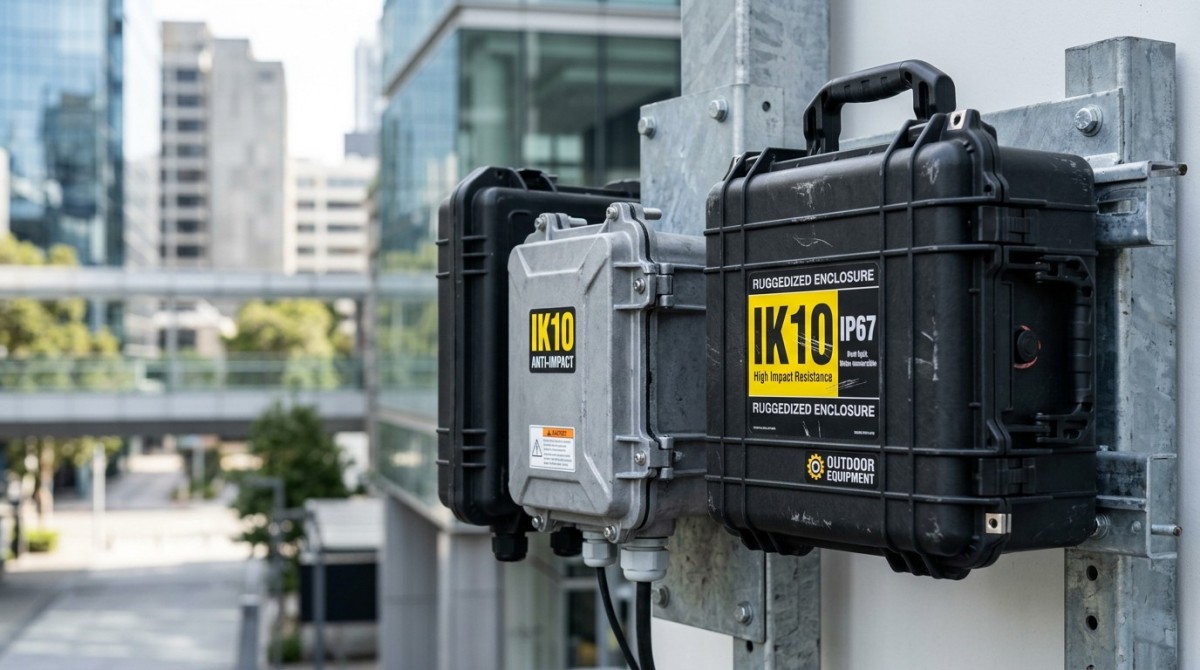
For information researchers, operators, procurement teams, and commercial evaluators, the core search intent behind “IK10 Impact Resistance Rating: What to Check” is usually practical: how to judge whether a product with an IK10 label is actually suitable for use, procurement, or project specification.
That means the most useful checks are:
- Whether the rating was tested according to the correct standard
- Whether the result applies to the full assembled product, not just one material sample
- Whether the mounting method and installation environment reduce real-world performance
- Whether the IK10 rating is matched by other protections such as IP sealing, corrosion resistance, and structural durability
- Whether the supplier can provide test evidence, traceability, and technical consistency
If a product is installed in public-facing, vandal-prone, high-traffic, or exposed outdoor environments, IK10 may be necessary. But if the rest of the design is weak, the rating alone does not guarantee field reliability.
What does IK10 actually mean in practical terms?
The IK rating system measures resistance to mechanical impact. IK10 is one of the highest commonly specified levels for commercial and public-use products, indicating resistance to an impact energy of 20 joules. In practical terms, that makes it highly relevant for:
- Public lighting housings
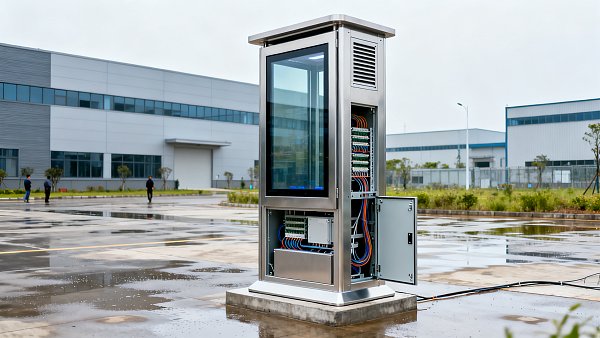
- Outdoor digital signage enclosures
- Transit and streetscape equipment
- Retail and commercial hardware exposed to frequent contact
- Protective casings for smart terminals and controls
However, buyers should avoid treating IK10 as a universal “unbreakable” standard. Impact resistance depends on how the product is used, where force is applied, and whether installation conditions match the test setup. A product may pass laboratory impact testing and still fail early in service if brackets, seals, fasteners, or exposed edges are poorly designed.
Check the test standard, not just the marketing language
One of the first things to verify is whether the product was tested under the recognized impact protection framework, typically IEC 62262. This matters because some suppliers use terms like “vandal resistant,” “heavy-duty,” or “IK10 equivalent” without offering formal test documentation.
Ask for:
- The exact test standard used
- The test report or certification reference
- The tested product model number
- The test configuration, including mounting condition
- Any exclusions, such as accessories, lenses, or optional covers
For procurement and commercial evaluation teams, this step reduces the risk of comparing products that appear similar in brochures but differ significantly in verified performance.
Make sure the IK10 rating applies to the complete product assembly
This is one of the most important checks. In many commercial categories, the weak point is not the main housing body but the assembled system—for example:
- Transparent covers or lenses
- Door frames and hinges
- Locking mechanisms
- Mounting plates and brackets
- Interfaces between enclosure sections
If only one panel material was tested, that does not mean the installed product is truly IK10-rated. For signage, lighting, and public equipment, impact often concentrates on corners, seams, or exposed hardware. A credible supplier should clarify whether the full finished unit passed testing in its final intended configuration.
Evaluate material choice and structural design together
Impact resistance is not only about thick material. It is also about how the structure absorbs and redistributes force. This is especially important in sectors covered by modern commercial infrastructure, where aesthetics, sustainability, and long service life must coexist.
Key design factors include:
- Material type: polycarbonate, tempered glass, aluminum alloy, steel, composite structures
- Wall thickness and reinforcement geometry
- Corner protection and edge detailing
- Internal support ribs or energy-dispersing features
- Anti-loosening fasteners and tamper-resistant hardware
For example, a sleek enclosure designed for high-end retail or urban architectural use may still deliver strong impact performance if the internal support structure is engineered properly. On the other hand, a visually robust product may underperform if impact energy transfers directly to brittle points.
Check whether IK10 is matched with IP rating and outdoor durability
In real projects, impact resistance is rarely evaluated alone. Buyers comparing solutions for IP67 waterproof signage, street-level equipment, or outdoor control systems need to confirm that the product’s protective characteristics work together.
Important combined checks include:
- IK + IP: Can the product resist impact without losing sealing integrity?
- UV resistance: Will outdoor exposure weaken plastics or coatings over time?
- Corrosion resistance: Are metal parts protected in coastal, humid, or polluted settings?
- Thermal stability: Do temperature changes affect brittleness, fit, or enclosure stress?
- Maintenance access: Will repeated opening and servicing reduce long-term protection?
This is especially relevant in smart city lighting infrastructure, where luminaires, poles, junction boxes, and integrated controls must withstand both weather and physical abuse. A strong IK10 rating loses value if water ingress, rust, or UV aging causes premature failure elsewhere.
Consider the installation method, because field performance can differ from lab performance
Operators and technical teams often encounter failures that are not caused by the enclosure body itself, but by how the product was installed. The mounting surface, bracket rigidity, fastening torque, and exposure angle can all influence real impact resistance.
Before approval or purchase, check:
- Whether the tested mounting orientation matches the intended site condition
- Whether wall, pole, or suspended installation changes force distribution
- Whether installer guidelines specify required fasteners and substrate conditions
- Whether accessories such as visors, frames, or add-on modules affect impact points
For public-use equipment, this matters because impact events in the field are often directional and irregular. A product that performs well in controlled testing can still become vulnerable if mounted on an unstable support or with non-compliant hardware.
Ask for documentation that supports procurement confidence
From a sourcing and business evaluation perspective, the most useful suppliers are not those making the boldest claims, but those providing clear, auditable technical evidence. Documentation reduces commercial risk and helps align project teams across design, compliance, procurement, and operations.
Useful documents include:
- Formal impact test reports
- Product datasheets with exact rating references
- Drawings showing tested construction details
- Material specifications
- Warranty conditions linked to installation requirements
- Quality control or production consistency statements
For international buyers benchmarking suppliers across regions, this is especially important. It allows more accurate comparison between manufacturers and helps distinguish engineered reliability from generic catalog claims.
When is IK10 worth specifying, and when might it be excessive?
Not every application needs IK10. The right specification depends on use case, exposure risk, maintenance cost, and replacement difficulty.
IK10 is often worth specifying for:
- Transit hubs and public circulation areas
- Outdoor digital signage and wayfinding
- School, healthcare, and municipal environments
- Retail exteriors or unattended installations
- High-traffic smart devices and commercial interfaces
A lower rating may be sufficient for:
- Protected indoor office environments
- Low-contact decorative fixtures
- Areas with controlled user access
- Applications where impact risk is minimal and maintenance is easy
For procurement teams, this is where lifecycle thinking matters. Over-specifying can increase upfront cost unnecessarily, but under-specifying in exposed environments can create higher total cost through breakage, service calls, downtime, and reputational damage.
How to make a better commercial judgment
If you need a practical rule, use this: do not approve a product based on the IK10 label alone. Instead, confirm whether the claimed rating is verified, relevant to the actual environment, and supported by the product’s total design and installation method.
A sound commercial judgment should combine:
- Verified impact test compliance
- Full-product structural integrity
- Matching environmental protection such as IP performance
- Suitability for the installation scenario
- Supplier documentation quality and manufacturing consistency
This approach is particularly valuable in modern commercial ecosystems, where performance is judged not only by specification sheets but by durability in service, maintenance efficiency, visual quality, and long-term asset reliability.
In summary, the IK10 impact resistance rating is a useful and often necessary benchmark for enclosures, signage, and public-use equipment—but only when it is properly verified and interpreted in context. The most effective buyers and specifiers look beyond the label to assess test credibility, assembly design, IP compatibility, installation conditions, and supplier transparency. That is what turns a technical rating into a reliable purchasing decision.
News Recommendations
 How to Evaluate Autonomous Driving Sensors for Range, Weather, and Redundancy
![51a6ab95581761cc26f4318be6520c15]()
Aris Katos
Future of Carbide Coatings
 EU PPWR Takes Full Effect for EU-Bound Packaging
![51a6ab95581761cc26f4318be6520c15]()
Aris Katos
Future of Carbide Coatings
 How to Evaluate a Catalysts Manufacturer for Quality, Scale, and Compliance
![51a6ab95581761cc26f4318be6520c15]()
Aris Katos
Future of Carbide Coatings
 EU EPR Rule Takes Effect for Packaged Goods Clearance
![51a6ab95581761cc26f4318be6520c15]()
Aris Katos
Future of Carbide Coatings
 What Affects Bedding Sets Price Most: Fabric, Thread Count, or Size?
![51a6ab95581761cc26f4318be6520c15]()
Aris Katos
Future of Carbide Coatings
 FDA Updates Food-Contact Compliance List, Effective Immediately
![51a6ab95581761cc26f4318be6520c15]()
Aris Katos
Future of Carbide Coatings
 How to Compare a Retail Shelving Supplier in Europe on Lead Time, Compliance, and Total Cost
![51a6ab95581761cc26f4318be6520c15]()
Aris Katos
Future of Carbide Coatings
 EU PPWR EPR Rule Takes Effect for Packaging Exports
![51a6ab95581761cc26f4318be6520c15]()
Aris Katos
Future of Carbide Coatings
 How to Evaluate a Custom Retail Counters Factory in the Middle East
![51a6ab95581761cc26f4318be6520c15]()
Aris Katos
Future of Carbide Coatings
 FDA Tightens Rules for Imported Kitchenware
![51a6ab95581761cc26f4318be6520c15]()
Aris Katos
Future of Carbide Coatings
 How to Evaluate DALI Lighting Control in Europe for Compliance and Scalability
![51a6ab95581761cc26f4318be6520c15]()
Aris Katos
Future of Carbide Coatings
 EN 16890:2026 Takes Effect for EU Commercial Lighting
![51a6ab95581761cc26f4318be6520c15]()
Aris Katos
Future of Carbide Coatings
 How Wellness Driven Commercial Interiors Affect Employee Focus and Space Planning
![51a6ab95581761cc26f4318be6520c15]()
Aris Katos
Future of Carbide Coatings
 CPSC Rule Takes Effect for Imported Kitchenware
![51a6ab95581761cc26f4318be6520c15]()
Aris Katos
Future of Carbide Coatings
 Are Solar Water Heaters Worth It? Cost, Climate, and Payback Factors
![51a6ab95581761cc26f4318be6520c15]()
Aris Katos
Future of Carbide Coatings
 EU Packaging EPR Registration Takes Effect on August 5
![51a6ab95581761cc26f4318be6520c15]()
Aris Katos
Future of Carbide Coatings
 How to Evaluate Outdoor Digital Kiosk Factory Wholesale Pricing and IP Ratings
![51a6ab95581761cc26f4318be6520c15]()
Aris Katos
Future of Carbide Coatings
 FDA Mandates LTL Certification for Food-Contact Exports
![51a6ab95581761cc26f4318be6520c15]()
Aris Katos
Future of Carbide Coatings
 How to Evaluate a Clinic Furniture Supplier for Compliance, Lead Time, and After-Sales Support
![51a6ab95581761cc26f4318be6520c15]()
Aris Katos
Future of Carbide Coatings
 EU Packaging EPR Rule Takes Effect Aug. 1
![51a6ab95581761cc26f4318be6520c15]()
Aris Katos
Future of Carbide Coatings
 What Drives Cost and Lead Time in Custom Sheet Metal Orders?
![51a6ab95581761cc26f4318be6520c15]()
Aris Katos
Future of Carbide Coatings
 FDA LCA Filing Rule Raises U.S. Entry Bar for Exporters
![51a6ab95581761cc26f4318be6520c15]()
Aris Katos
Future of Carbide Coatings
 How AI-Driven POS Terminals Reduce Checkout Errors and Labor Costs
![51a6ab95581761cc26f4318be6520c15]()
Aris Katos
Future of Carbide Coatings
 EU Packaging EPR Rule Becomes Mandatory on August 1
![51a6ab95581761cc26f4318be6520c15]()
Aris Katos
Future of Carbide Coatings
 What Drives Catalysts Price: Raw Materials, Loading, and Supply Risk
![51a6ab95581761cc26f4318be6520c15]()
Aris Katos
Future of Carbide Coatings
 FDA FCN Rule Reshapes U.S. Kitchenware Imports
![51a6ab95581761cc26f4318be6520c15]()
Aris Katos
Future of Carbide Coatings
 What Global Chain Visibility Means for Inventory Risk and Lead Times
![51a6ab95581761cc26f4318be6520c15]()
Aris Katos
Future of Carbide Coatings
 EU Packaging EPR Rule Takes Effect on August 1
![51a6ab95581761cc26f4318be6520c15]()
Aris Katos
Future of Carbide Coatings
 How to Audit Retail Technology Standards for Digital Signage Compliance
![51a6ab95581761cc26f4318be6520c15]()
Aris Katos
Future of Carbide Coatings
 FDA Requires Supply-Chain Compliance Declarations for Imported Kitchenware
![51a6ab95581761cc26f4318be6520c15]()
Aris Katos
Future of Carbide Coatings
 Silicone Kitchen Utensils Factory Price: Cost Factors and Quality Trade-Offs
![51a6ab95581761cc26f4318be6520c15]()
Aris Katos
Future of Carbide Coatings
 EU EPR Rule to Mandate Registration for Imported Home Goods
![51a6ab95581761cc26f4318be6520c15]()
Aris Katos
Future of Carbide Coatings
 Automation Product Information: What to Compare Before System Integration
![51a6ab95581761cc26f4318be6520c15]()
Aris Katos
Future of Carbide Coatings
 CPSC Rule Adds New Tests for Imported Kitchenware
![51a6ab95581761cc26f4318be6520c15]()
Aris Katos
Future of Carbide Coatings
 Biodegradable Packaging Wholesale USA: Cost, MOQ, and Compliance Checklist
![51a6ab95581761cc26f4318be6520c15]()
Aris Katos
Future of Carbide Coatings
 EU Packaging EPR Registration Becomes Mandatory on Aug 1
![51a6ab95581761cc26f4318be6520c15]()
Aris Katos
Future of Carbide Coatings
 Product Information Resources: How to Verify Specs Before Sourcing
![51a6ab95581761cc26f4318be6520c15]()
Aris Katos
Future of Carbide Coatings
 CPSC Rule Takes Effect for Imported Kitchenware
![51a6ab95581761cc26f4318be6520c15]()
Aris Katos
Future of Carbide Coatings
 Portable Oxygen Concentrators: Common Mistakes to Avoid Before You Buy
![51a6ab95581761cc26f4318be6520c15]()
Aris Katos
Future of Carbide Coatings