UL certified office furniture is not only about electrical safety
Time
Click Count
UL certified office furniture is not only about electrical safety—it signals broader quality assurance across materials, structure, and workplace performance. For buyers comparing smart office furniture integration, ergonomic workplace wellness, and sustainable office furniture trends, understanding how UL intersects with ANSI/BIFMA office chair safety, VOC emission levels in furniture, and Greenguard certified commercial furniture is essential to making safer, smarter commercial sourcing decisions.
Why UL certified office furniture matters beyond electrical safety
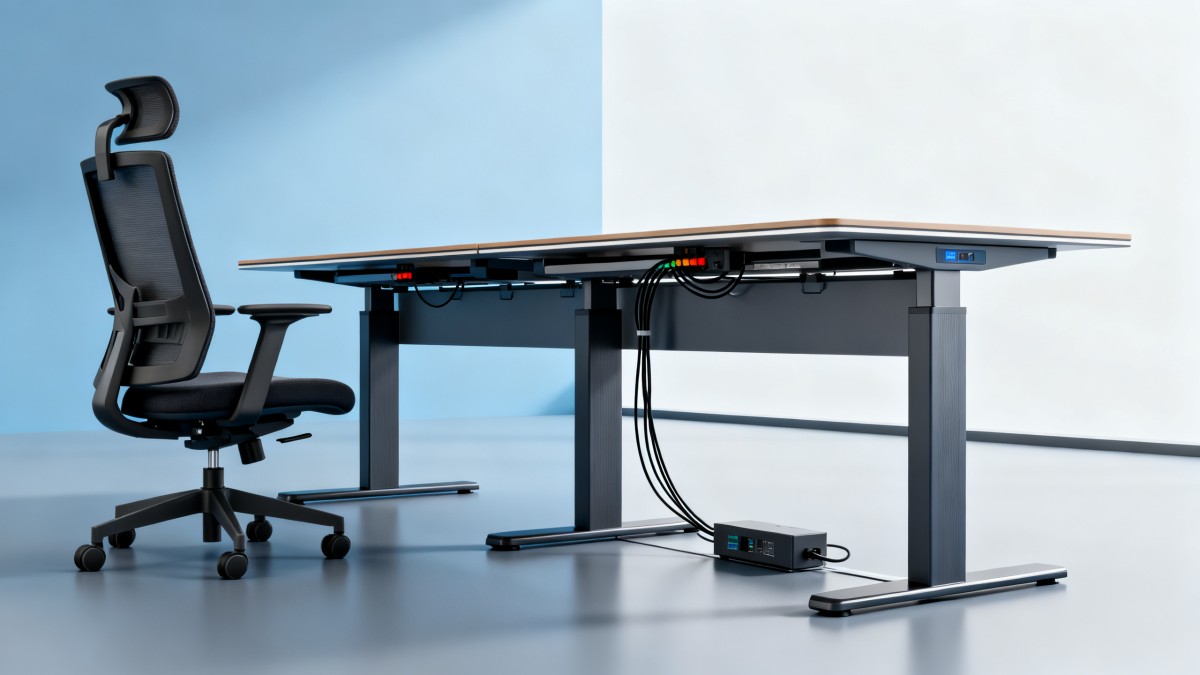
Many buyers still associate UL certified office furniture only with powered desks, integrated charging units, monitor arms with cable routing, or smart workstation modules. That view is too narrow. In commercial projects, UL often functions as one layer within a broader risk-control framework that also includes structural durability, flammability considerations, material consistency, and installation reliability across 1 site or 100 sites.
For information researchers and procurement teams, the practical value lies in interpretation. A UL mark does not replace every other office furniture certification, but it can indicate that specific components or systems were evaluated against defined safety requirements. That matters in mixed environments where furniture may include power distribution, height-adjustable motors, task lighting, USB charging, embedded screens, or occupancy sensors operating across 8–12 hours per day.
For operators and end users, the issue is even more direct. A workstation can be electrically safe but still fail in comfort, off-gassing, edge finishing, cable management, or long-term mechanical performance. In real workplaces, incidents usually emerge from overlap: heat, movement, repetitive use, cleaning chemicals, poor ventilation, and dense occupancy. That is why UL certified office furniture should be reviewed together with ergonomic, indoor air, and durability benchmarks.
G-BCE approaches this category through technical benchmarking rather than label chasing. By comparing commercial furniture and fixtures against international standards and supply-chain realities, the platform helps global buyers understand which claims support actual project performance, which claims cover only a narrow component, and where specification gaps may increase lifecycle cost within 12–36 months after installation.
What commercial buyers should interpret from a certification claim
- Identify whether the claim applies to the full furniture unit, a powered subassembly, or only one electrical component such as a control box, power strip, or charging module.
- Check whether the product also aligns with ANSI/BIFMA office chair safety or relevant performance standards for desks, storage, and seating used in commercial settings.
- Review indoor air quality factors, especially VOC emission levels in furniture, when the project includes enclosed offices, education spaces, healthcare-adjacent areas, or high-density open plans.
- Confirm documentation timing. In fast-track projects with 2–4 week approval windows, incomplete certification paperwork can delay bid comparison and final sign-off.
How UL works with BIFMA, VOC, and Greenguard in real procurement decisions
A common sourcing mistake is to compare office furniture certification labels as if they were interchangeable. They are not. UL, ANSI/BIFMA, VOC-related testing, and Greenguard certified commercial furniture each answer different questions. Procurement becomes clearer when each standard is mapped to its decision function: safety, structural performance, emissions, and occupant wellness. This is especially important for multinational chains and developers standardizing fit-outs across 3 regions or more.
The table below helps separate the most common categories buyers encounter when evaluating smart office furniture integration, ergonomic office systems, and sustainable office furniture trends. It is designed for business evaluators who need a fast reference during supplier screening, sample review, and technical clarification.
The key takeaway is simple: one label rarely answers the full sourcing question. A powered benching system may have UL relevance for electrical assemblies, yet still require separate review for frame stability, chair performance, and VOC emission levels in furniture. In projects with phased delivery over 6–10 weeks, missing one of these layers can lead to costly substitutions, delayed approvals, or post-installation complaints.
This multi-standard view is where G-BCE adds value. Instead of treating commercial furniture, smart retail technology, and material compliance as separate silos, G-BCE benchmarks them together. That supports sourcing directors who must compare Asian manufacturing capability with global commercial expectations for aesthetics, reliability, documentation, and workplace wellness.
A practical 4-part compliance logic
1. Powered safety
Review UL relevance when the furniture includes motors, wiring, outlets, charging, LEDs, control boxes, or embedded digital hardware. If the product is fully non-powered, UL may be less central than structural and emissions documentation.
2. Structural durability
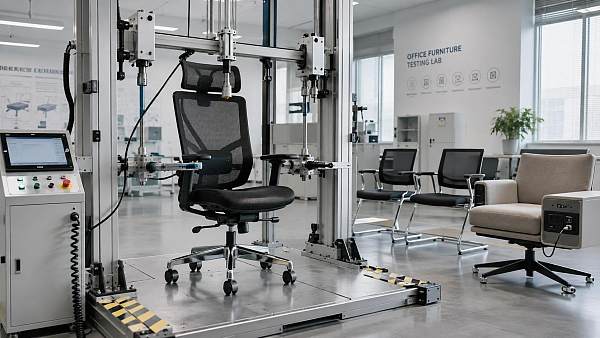
Check ANSI/BIFMA office chair safety and related performance criteria, especially for products expected to withstand daily commercial use over 5 years or more. This affects seating, table stability, drawer endurance, and tip resistance.
3. Indoor air quality
Ask for evidence tied to VOC emission levels in furniture or Greenguard certified commercial furniture where low-emission interiors are a requirement. This becomes critical in newly fitted spaces occupied within 24–72 hours of installation.
4. Documentation readiness
Confirm test reports, scope statements, bill-of-material consistency, and revision control before issuing final purchase orders. Documentation gaps often become visible only when projects move from sample approval to mass production.
Which office furniture applications need deeper certification review?
Not every product category carries the same risk profile. A static meeting table, a fully upholstered lounge chair, and a modular powered workstation should not be evaluated using the same checklist. Commercial buyers save time when they classify products into low, medium, and high review intensity. That approach is particularly useful for chain operators rolling out multiple space formats in parallel.
The next table compares common commercial applications and shows how UL certified office furniture fits into broader procurement logic. It also highlights where ergonomic workplace wellness and sustainable office furniture trends change the evaluation criteria.
This comparison shows why specification should follow use conditions. In a low-touch executive room, a narrow compliance focus may be enough. In a hybrid workplace with shared seating, sit-stand use, and integrated technology, buyers should review at least 5 core dimensions: safety, durability, ergonomics, emissions, and maintainability.
G-BCE is especially relevant for organizations translating technical expectations across borders. A supplier may be strong in fabrication quality but weak in document alignment, packaging, or field-install readiness. Benchmarking these gaps early reduces friction during mock-up approval, pre-shipment inspection, and multi-site deployment.
Application scenarios that deserve added scrutiny
- Smart office furniture integration projects where desks, lockers, booking panels, or pods include power and digital controls.
- High-density office plans with more than one user rotation per workstation per day, where wear and adjustment cycles increase.
- Projects targeting lower indoor air complaints during move-in periods, especially when occupancy begins within 1 week after installation.
- International sourcing programs where product quality, packaging method, and certification evidence must remain consistent across batches.
How to evaluate suppliers, samples, and project risk before placing an order
The biggest sourcing failures rarely come from one dramatic defect. More often, they come from small mismatches: a certification that covers only the power module, a chair sample that differs from the mass-production mechanism, a finish that passes visual review but raises VOC concerns after installation, or a packaging method that damages cable-integrated furniture during transit. Procurement teams need a disciplined review path.
A practical office furniture certification and supplier review process can be completed in 4 stages. For routine projects, this may take 2–6 weeks depending on sample readiness and document completeness. For complex commercial rollouts involving custom power integration or cross-border approvals, buyers should plan additional time for engineering clarification and mock-up validation.
A 4-stage procurement review workflow
- Scope definition: classify products into powered, non-powered, seating, storage, and collaborative modules. This prevents irrelevant testing requests and reveals where UL certified office furniture is actually a deciding factor.
- Document screening: request certification scope, product specifications, material data, finish details, maintenance guidance, and any evidence relevant to ANSI/BIFMA office chair safety or low-emission requirements.
- Physical sample review: inspect stability, edge finishing, adjustment feel, cable management, odor level at unpacking, labeling consistency, and access for maintenance. A 30–45 minute hands-on review often reveals issues that documents miss.
- Pre-order alignment: lock bill of materials, approved finishes, packaging method, spare-parts expectations, and delivery milestones before deposit or production release.
For business evaluators, supplier maturity should be judged across at least 6 checkpoints: certification clarity, engineering responsiveness, sample consistency, packaging logic, production change control, and after-sales support. A lower initial quote can become expensive if one failed component delays a multi-floor installation or forces local rework.
This is where G-BCE supports more informed selection. Because the platform tracks cross-sector data across commercial furniture, smart retail technology, lighting, and sustainable packaging, it helps buyers see the project as a system. Office furniture is not isolated from shipping durability, installation sequence, maintenance planning, or workplace experience.
Red flags buyers should not ignore
- Certification statements that do not clearly identify the covered component, model family, or revision status.
- Samples that feel stable in the showroom but lack matching technical documentation for the production version.
- Vague answers about VOC emission levels in furniture when the project has sustainability or wellness requirements.
- No explanation of service access for smart office furniture integration, especially for meeting pods, charging hubs, or sensor-enabled desks.
Common misconceptions, FAQs, and what smart buyers ask next
Market confusion persists because many stakeholders use “certified” as a general quality shortcut. In reality, office furniture certification is a layered topic. The most effective procurement teams ask narrower, better questions: certified for what, at what scope, for which market, and under which installation conditions? That mindset leads to stronger long-term outcomes.
Below are common questions from researchers, operators, and purchasing teams comparing UL certified office furniture with other compliance and performance requirements. These questions also reflect current sustainable office furniture trends and wellness-driven workplace planning.
Does UL certification mean the entire office furniture product is superior?
Not automatically. UL relevance may apply to a powered system, a listed component, or a defined product category. It does not by itself confirm seating ergonomics, long-cycle durability, or low emissions. Buyers should pair UL review with structural standards, indoor air criteria, and real-use sample checks before approving commercial deployment.
Is ANSI/BIFMA office chair safety enough for all office furniture categories?
No. ANSI/BIFMA office chair safety is highly relevant for seating, but desks, storage units, lounge pieces, and smart pods may require different performance and safety considerations. A project with 3 major categories of furniture should not rely on one document set to validate all of them.
When should VOC emission levels in furniture become a priority?
VOC review should move up the list when spaces are enclosed, densely occupied, wellness-oriented, or scheduled for fast occupancy after fit-out. If employees or customers will use the space within 24–72 hours of installation, low-emission materials and Greenguard certified commercial furniture become more important in reducing odor-related complaints and indoor comfort issues.
Are sustainable office furniture trends mainly about recycled materials?
Recycled content matters, but it is only one part of the equation. Commercial buyers also look at emissions, repairability, modular replacement, packaging efficiency, service life, and whether components can be maintained instead of replaced. In other words, sustainable office furniture trends increasingly connect environmental value with lifecycle cost control.
What is a realistic documentation package before order confirmation?
For most B2B projects, buyers should expect at least 5 items: specification sheet, certification scope or supporting compliance evidence, material or finish information, installation or maintenance guidance, and approved sample confirmation. For powered or smart office furniture integration, add electrical component details and service-access notes.
Why choose G-BCE for office furniture benchmarking and sourcing decisions
Choosing commercial furniture today is no longer just about price, appearance, or a single certification mark. Buyers must align electrical safety, ergonomics, emissions, material strategy, packaging resilience, and delivery readiness within one sourcing decision. G-BCE helps organizations do that by connecting furniture evaluation with broader commercial-space modernization and global supply-chain optimization.
Our strength is not limited to one product line or one market narrative. G-BCE compares commercial furniture and fixtures alongside smart retail technology, lighting, signage, consumer goods supply chains, and sustainable packaging. That cross-sector view is useful when procurement teams need to judge whether a supplier can support both technical compliance and real-world project execution across multiple locations.
If you are assessing UL certified office furniture, ANSI/BIFMA office chair safety, VOC emission levels in furniture, or Greenguard certified commercial furniture, we can help you narrow the right checklist for your project. Typical consultation topics include 4 areas: parameter confirmation, model or solution selection, certification requirement mapping, and delivery or sample planning for regional rollouts.
Contact G-BCE when you need support with supplier comparison, specification review, certification interpretation, sample evaluation, custom workspace solutions, or quotation alignment. If your project includes smart office furniture integration, sustainable office furniture trends, or multi-market compliance concerns, a more structured benchmark at the beginning can reduce sourcing risk before production starts.
- commercial furniture
- smart retail
- supply chain
- consumer goods
- signage
- sustainable packaging
- ergonomic office
- retail technology
- international standards
- technical benchmarking
- consumer goods supply chain
- smart retail technology
- ANSI/BIFMA office chair safety
- UL certified office furniture
- Greenguard certified commercial furniture
- VOC emission levels in furniture
- sustainable office furniture trends
- smart office furniture integration
- ergonomic workplace wellness
News Recommendations
 How to choose an ultra bright waterproof window display for storefronts
![51a6ab95581761cc26f4318be6520c15]()
Aris Katos
Future of Carbide Coatings
 How to verify suppliers on a trade portal for global sourcing
![51a6ab95581761cc26f4318be6520c15]()
Aris Katos
Future of Carbide Coatings
 How RoHS requirements should be stated in product specifications
![51a6ab95581761cc26f4318be6520c15]()
Aris Katos
Future of Carbide Coatings
 What affects the lead time for custom retail counter displays?
![51a6ab95581761cc26f4318be6520c15]()
Aris Katos
Future of Carbide Coatings
 What consumer packaging USA importers need to verify before ordering
![51a6ab95581761cc26f4318be6520c15]()
Aris Katos
Future of Carbide Coatings
 How commercial spaces interiors shape customer dwell time
![51a6ab95581761cc26f4318be6520c15]()
Aris Katos
Future of Carbide Coatings
 How LED commercial lighting design reduces glare in retail spaces
![51a6ab95581761cc26f4318be6520c15]()
Aris Katos
Future of Carbide Coatings
 How industrial technology information improves RFID inventory accuracy
![51a6ab95581761cc26f4318be6520c15]()
Aris Katos
Future of Carbide Coatings
 When drip garden watering systems make more sense than sprinklers
![51a6ab95581761cc26f4318be6520c15]()
Aris Katos
Future of Carbide Coatings
 When category comparison improves sourcing for industrial applications
![51a6ab95581761cc26f4318be6520c15]()
Aris Katos
Future of Carbide Coatings
 Industrial application guidance for selecting the right LED lighting
![51a6ab95581761cc26f4318be6520c15]()
Aris Katos
Future of Carbide Coatings
 Which commercial architecture standards apply to European retail fit-outs?
![51a6ab95581761cc26f4318be6520c15]()
Aris Katos
Future of Carbide Coatings
 How to verify FDA requirements for maternity care products
![51a6ab95581761cc26f4318be6520c15]()
Aris Katos
Future of Carbide Coatings
 How to verify BPA-free claims for food-contact products
![51a6ab95581761cc26f4318be6520c15]()
Aris Katos
Future of Carbide Coatings
 When does a European wholesale supplier suit modular office projects?
![51a6ab95581761cc26f4318be6520c15]()
Aris Katos
Future of Carbide Coatings
 When consumer ecosystem solutions improve the in-store shopping journey
![51a6ab95581761cc26f4318be6520c15]()
Aris Katos
Future of Carbide Coatings
 How a commercial developers network can reduce site selection risk
![51a6ab95581761cc26f4318be6520c15]()
Aris Katos
Future of Carbide Coatings
 How clear purchasing specifications prevent costly supplier deviations
![51a6ab95581761cc26f4318be6520c15]()
Aris Katos
Future of Carbide Coatings
 What an ISTA drop test lab checks before your packaging ships
![51a6ab95581761cc26f4318be6520c15]()
Aris Katos
Future of Carbide Coatings
 Which commercial furniture standards apply to workplace seating?
![51a6ab95581761cc26f4318be6520c15]()
Aris Katos
Future of Carbide Coatings
 How to evaluate smart lighting module OEM compatibility before sampling
![51a6ab95581761cc26f4318be6520c15]()
Aris Katos
Future of Carbide Coatings
 How to assess whether sustainable technology delivers real impact
![51a6ab95581761cc26f4318be6520c15]()
Aris Katos
Future of Carbide Coatings
 How to assess an OEM supplier’s quality control before ordering
![51a6ab95581761cc26f4318be6520c15]()
Aris Katos
Future of Carbide Coatings
 How consumer ecosystem solutions data can improve retail personalization
![51a6ab95581761cc26f4318be6520c15]()
Aris Katos
Future of Carbide Coatings
 When does consumer packaging design justify a higher product price?
![51a6ab95581761cc26f4318be6520c15]()
Aris Katos
Future of Carbide Coatings
 Supermarket Fixture Installation: Planning Layouts, Wiring, and Handover
![51a6ab95581761cc26f4318be6520c15]()
Aris Katos
Future of Carbide Coatings
 Automated Lighting and Smart Lighting Control in Bergerac: Key Project Considerations
![51a6ab95581761cc26f4318be6520c15]()
Aris Katos
Future of Carbide Coatings
 Segment Streetlight Controllers: Choosing Control Modes for Urban Roads
![51a6ab95581761cc26f4318be6520c15]()
Aris Katos
Future of Carbide Coatings
 IEC 62471-2 Explained: How to Assess Photobiological Risks in LED Lighting
![51a6ab95581761cc26f4318be6520c15]()
Aris Katos
Future of Carbide Coatings
 Food Grade Packaging Requirements by Product Type, Temperature, and Contact Risk
![51a6ab95581761cc26f4318be6520c15]()
Aris Katos
Future of Carbide Coatings
 Food Packaging Compliance Checklist: Tests, Records, and Labeling Before Shipment
![51a6ab95581761cc26f4318be6520c15]()
Aris Katos
Future of Carbide Coatings
 NSF Food Packaging Standards: When Certification Matters for Commercial Food Use
![51a6ab95581761cc26f4318be6520c15]()
Aris Katos
Future of Carbide Coatings
 FDA Food Grade Compliance: Which Materials and Documents Do Buyers Need?
![51a6ab95581761cc26f4318be6520c15]()
Aris Katos
Future of Carbide Coatings
 What Should a Food Grade Declaration Include for Packaging Compliance?
![51a6ab95581761cc26f4318be6520c15]()
Aris Katos
Future of Carbide Coatings
 Housewares Importing: How to Evaluate Suppliers, Costs, and Compliance Risks
![51a6ab95581761cc26f4318be6520c15]()
Aris Katos
Future of Carbide Coatings
 Why Freeze-Dried Fruit Ingredients Lose Crispness—and How to Prevent It
![51a6ab95581761cc26f4318be6520c15]()
Aris Katos
Future of Carbide Coatings
 What industry veterans look for before choosing a new supplier
![51a6ab95581761cc26f4318be6520c15]()
Aris Katos
Future of Carbide Coatings
 How material fatigue can shorten the service life of retail shelving
![51a6ab95581761cc26f4318be6520c15]()
Aris Katos
Future of Carbide Coatings
 What makes a global sourcing platform reliable for supplier verification?
![51a6ab95581761cc26f4318be6520c15]()
Aris Katos
Future of Carbide Coatings