Choosing Data Transparency Tools for Smarter Supplier Comparisons
Time
Click Count
Choosing the right data transparency tools is essential for technical evaluators comparing suppliers across complex commercial and consumer supply chains. From compliance benchmarks and material traceability to performance validation and digital integration, the best tools turn fragmented information into clear, decision-ready insights. This article explores how smarter transparency frameworks help teams reduce sourcing risk, verify standards, and make more confident supplier comparisons.
Why a checklist approach works better for supplier comparison
Technical evaluators rarely fail because information is unavailable; they fail because supplier information is inconsistent, hard to verify, or presented in formats that prevent direct comparison. In commercial furniture, smart retail hardware, lighting systems, packaging, and broader consumer supply chains, one supplier may provide a polished specification sheet while another offers test reports, ERP exports, and scattered certificates. Without a structured review method, the strongest presentation can appear stronger than the strongest capability.
That is where data transparency tools create value. Good tools do not simply display documents. They standardize evidence, connect compliance claims to source records, reveal gaps between stated performance and validated performance, and make side-by-side supplier comparisons more reliable. For organizations working across global sourcing environments, especially where Asian manufacturing depth meets international quality expectations, a checklist-driven evaluation framework keeps teams focused on what must be confirmed first.
Start here: the first five items to confirm before you compare tools
Before selecting among data transparency tools, confirm the business context. Many teams buy software based on dashboards, then discover the platform cannot support the evidence chain needed for sourcing decisions. Use these priority checks first:
- Define the comparison object clearly: are you comparing finished suppliers, component makers, contract manufacturers, or packaging partners? Tool requirements differ by supplier tier.
- List required proof types: test reports, bill of materials data, material declarations, factory audit records, process capability data, shipment quality history, and certification status.
- Map mandatory standards: UL, CE, BIFMA, RoHS, REACH, FSC, ISO, or sector-specific benchmarks. The tool must organize evidence against the standards you actually use.
- Identify decision owners: sourcing, engineering, compliance, quality, sustainability, and commercial development often need different transparency views.
- Set comparison outcomes: approval, conditional approval, pilot sourcing, redesign request, or supplier development. The best data transparency tools support decisions, not only reporting.
Core checklist for evaluating data transparency tools
When comparing platforms, use the checklist below to judge whether a tool improves supplier comparisons in a measurable way.
1. Evidence traceability
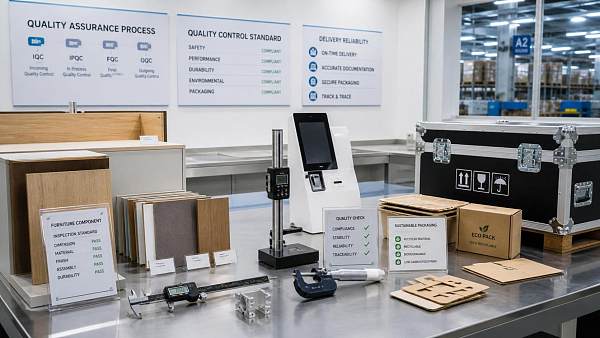
A useful transparency system should trace every claim back to a source. If a supplier says a workstation frame meets BIFMA performance expectations or a lighting unit complies with CE requirements, evaluators should be able to open the linked report, view the issuing body, verify dates, and identify whether the tested configuration matches the quoted SKU. This matters because certificate misuse often happens through version mismatch rather than outright fraud.
2. Structured data normalization
Data transparency tools should translate different supplier formats into comparable fields. A platform is far more valuable when it can normalize lead times, failure rates, recycled content claims, carton specifications, electrical ratings, or finish durability results into common comparison categories. Without normalization, technical teams still spend too much time cleaning data manually.
3. Compliance mapping
The tool should not treat compliance as a document folder. It should map each standard requirement to specific evidence, expiration dates, product families, and market applicability. For example, a POS terminal for Europe needs a different validation path than a commercial seating line for North America. Better data transparency tools show where compliance is complete, partial, or unsupported.

4. Material and component transparency
For technical evaluators, visibility into material composition and component sources is increasingly important. This applies to substrates in fixtures, LED drivers in signage, polymers in packaging, battery modules in smart retail devices, and coatings used in consumer-facing surfaces. A strong tool should connect the final product record to upstream material declarations and change notices.
5. Performance validation history
Ask whether the platform can store and compare reliability, durability, field failure, and post-installation performance data. Supplier comparison improves significantly when a team can see not only what was promised at quotation stage, but what actually happened after deployment. In commercial environments, this can include fixture wear, hardware stability, power consumption drift, packaging damage rates, or device uptime.
6. Integration with operational systems
If data transparency tools cannot connect with ERP, PLM, QMS, procurement, or audit systems, transparency remains partial. Technical evaluators should prioritize tools that reduce duplicate entry and preserve revision control. Integration is especially useful when supplier data must support both sourcing approval and downstream project execution.
7. Role-based review and governance
A sourcing director, product engineer, and sustainability lead may all review the same supplier but with different decision criteria. Good data transparency tools allow segmented access, review workflows, comment history, and approval logic. This prevents the common problem of parallel spreadsheets with conflicting conclusions.
Practical comparison table: what technical evaluators should score
Use a simple scoring model to compare candidate platforms before implementation:
Scenario-based checks by supplier type
Commercial furniture and fixtures
Prioritize structural test evidence, finish consistency, ergonomic performance, packaging protection, installation tolerances, and replacement-part traceability. Data transparency tools should help teams compare material grade claims against actual test and production records.
Smart retail technology
Focus on firmware revision control, electrical safety records, cybersecurity documentation, repair history, and interoperability data. Here, transparency must extend beyond hardware specifications into lifecycle support and software update governance.
Commercial lighting and signage
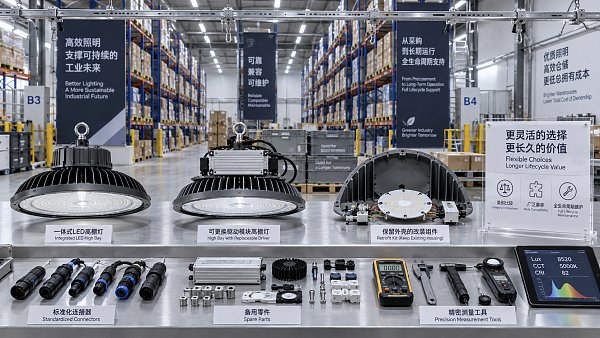
Check lumen maintenance, driver sourcing, thermal performance, ingress protection, color consistency, and energy data. A supplier may look competitive on initial pricing but weak in service-life transparency. The best tools reveal this gap early.
Sustainable packaging and consumer goods supply chain
Look for chain-of-custody records, recycled content validation, migration or safety data, transport durability, and region-specific regulatory declarations. Data transparency tools are especially helpful here because sustainability claims often span multiple upstream contributors.
Common blind spots that weaken supplier comparisons
- Accepting certificates without matching them to exact model numbers, materials, or production dates.
- Comparing quoted lead time without checking historical on-time delivery data.
- Reviewing sustainability claims separately from quality and cost, instead of as part of total supplier performance.
- Ignoring change management, especially when suppliers switch subcomponents after validation.
- Assuming digital dashboards mean verified data. Visibility is not the same as validation.
- Underestimating regional compliance differences when products move across multiple markets.
Implementation advice: how to put data transparency tools to work
For most organizations, the fastest path is not a full-system rollout but a controlled pilot. Start with one sourcing category and one comparison problem that already causes friction, such as fixture hardware durability, smart terminal compliance documentation, or sustainable packaging verification. Build a required-data list, define pass-fail thresholds, and test whether the platform reduces evaluation time while increasing confidence.
Next, align internal owners around a shared review process. Technical evaluators should document which data fields are mandatory, who approves exceptions, how evidence is refreshed, and how supplier scores are updated after real-world performance feedback. This is where strong governance turns data transparency tools into a repeatable sourcing capability.
It is also smart to ask suppliers what they can realistically provide in digital form today. Some may already support structured exports, API connections, or document indexing, while others still depend on manual submission. Your tool choice should balance ideal transparency with supplier adoption practicality.
FAQ for technical evaluators
Are data transparency tools mainly for compliance teams?
No. Compliance is only one use case. Technical evaluators benefit when the same platform also supports performance review, material traceability, supplier qualification, lifecycle monitoring, and change control.
What is the minimum viable capability to look for?
At minimum, choose data transparency tools that provide source-level evidence tracking, standardized comparison fields, document version control, and alerting for missing or expired records.
How do you know if a tool will improve supplier decisions?
Measure whether it shortens evaluation cycles, reduces unresolved data gaps, improves audit readiness, and helps teams identify supplier risk before award or deployment.
Final decision guide and next-step questions
The best data transparency tools are the ones that make supplier claims testable, comparable, and actionable across real sourcing workflows. For technical evaluators, the priority is not flashy analytics but reliable evidence structure: traceability, standard mapping, performance history, integration, and governance. When these elements are in place, supplier comparison becomes less subjective and far more resilient.
If your organization wants to move forward, begin by clarifying a few practical questions: which supplier categories need transparency first, which standards must be verified, what systems need integration, what data gaps create the most risk, what refresh cycle is required, and how much supplier onboarding effort is realistic. Those answers will help determine the right tool scope, implementation pace, and collaboration model for smarter supplier comparisons.
News Recommendations
 How to choose an ultra bright waterproof window display for storefronts
![51a6ab95581761cc26f4318be6520c15]()
Aris Katos
Future of Carbide Coatings
 How to verify suppliers on a trade portal for global sourcing
![51a6ab95581761cc26f4318be6520c15]()
Aris Katos
Future of Carbide Coatings
 How RoHS requirements should be stated in product specifications
![51a6ab95581761cc26f4318be6520c15]()
Aris Katos
Future of Carbide Coatings
 What affects the lead time for custom retail counter displays?
![51a6ab95581761cc26f4318be6520c15]()
Aris Katos
Future of Carbide Coatings
 What consumer packaging USA importers need to verify before ordering
![51a6ab95581761cc26f4318be6520c15]()
Aris Katos
Future of Carbide Coatings
 How commercial spaces interiors shape customer dwell time
![51a6ab95581761cc26f4318be6520c15]()
Aris Katos
Future of Carbide Coatings
 How LED commercial lighting design reduces glare in retail spaces
![51a6ab95581761cc26f4318be6520c15]()
Aris Katos
Future of Carbide Coatings
 How industrial technology information improves RFID inventory accuracy
![51a6ab95581761cc26f4318be6520c15]()
Aris Katos
Future of Carbide Coatings
 When drip garden watering systems make more sense than sprinklers
![51a6ab95581761cc26f4318be6520c15]()
Aris Katos
Future of Carbide Coatings
 When category comparison improves sourcing for industrial applications
![51a6ab95581761cc26f4318be6520c15]()
Aris Katos
Future of Carbide Coatings
 Industrial application guidance for selecting the right LED lighting
![51a6ab95581761cc26f4318be6520c15]()
Aris Katos
Future of Carbide Coatings
 Which commercial architecture standards apply to European retail fit-outs?
![51a6ab95581761cc26f4318be6520c15]()
Aris Katos
Future of Carbide Coatings
 How to verify FDA requirements for maternity care products
![51a6ab95581761cc26f4318be6520c15]()
Aris Katos
Future of Carbide Coatings
 How to verify BPA-free claims for food-contact products
![51a6ab95581761cc26f4318be6520c15]()
Aris Katos
Future of Carbide Coatings
 When does a European wholesale supplier suit modular office projects?
![51a6ab95581761cc26f4318be6520c15]()
Aris Katos
Future of Carbide Coatings
 When consumer ecosystem solutions improve the in-store shopping journey
![51a6ab95581761cc26f4318be6520c15]()
Aris Katos
Future of Carbide Coatings
 How a commercial developers network can reduce site selection risk
![51a6ab95581761cc26f4318be6520c15]()
Aris Katos
Future of Carbide Coatings
 How clear purchasing specifications prevent costly supplier deviations
![51a6ab95581761cc26f4318be6520c15]()
Aris Katos
Future of Carbide Coatings
 What an ISTA drop test lab checks before your packaging ships
![51a6ab95581761cc26f4318be6520c15]()
Aris Katos
Future of Carbide Coatings
 Which commercial furniture standards apply to workplace seating?
![51a6ab95581761cc26f4318be6520c15]()
Aris Katos
Future of Carbide Coatings
 How to evaluate smart lighting module OEM compatibility before sampling
![51a6ab95581761cc26f4318be6520c15]()
Aris Katos
Future of Carbide Coatings
 How to assess whether sustainable technology delivers real impact
![51a6ab95581761cc26f4318be6520c15]()
Aris Katos
Future of Carbide Coatings
 How to assess an OEM supplier’s quality control before ordering
![51a6ab95581761cc26f4318be6520c15]()
Aris Katos
Future of Carbide Coatings
 How consumer ecosystem solutions data can improve retail personalization
![51a6ab95581761cc26f4318be6520c15]()
Aris Katos
Future of Carbide Coatings
 When does consumer packaging design justify a higher product price?
![51a6ab95581761cc26f4318be6520c15]()
Aris Katos
Future of Carbide Coatings
 Supermarket Fixture Installation: Planning Layouts, Wiring, and Handover
![51a6ab95581761cc26f4318be6520c15]()
Aris Katos
Future of Carbide Coatings
 Automated Lighting and Smart Lighting Control in Bergerac: Key Project Considerations
![51a6ab95581761cc26f4318be6520c15]()
Aris Katos
Future of Carbide Coatings
 Segment Streetlight Controllers: Choosing Control Modes for Urban Roads
![51a6ab95581761cc26f4318be6520c15]()
Aris Katos
Future of Carbide Coatings
 IEC 62471-2 Explained: How to Assess Photobiological Risks in LED Lighting
![51a6ab95581761cc26f4318be6520c15]()
Aris Katos
Future of Carbide Coatings
 Food Grade Packaging Requirements by Product Type, Temperature, and Contact Risk
![51a6ab95581761cc26f4318be6520c15]()
Aris Katos
Future of Carbide Coatings
 Food Packaging Compliance Checklist: Tests, Records, and Labeling Before Shipment
![51a6ab95581761cc26f4318be6520c15]()
Aris Katos
Future of Carbide Coatings
 NSF Food Packaging Standards: When Certification Matters for Commercial Food Use
![51a6ab95581761cc26f4318be6520c15]()
Aris Katos
Future of Carbide Coatings
 FDA Food Grade Compliance: Which Materials and Documents Do Buyers Need?
![51a6ab95581761cc26f4318be6520c15]()
Aris Katos
Future of Carbide Coatings
 What Should a Food Grade Declaration Include for Packaging Compliance?
![51a6ab95581761cc26f4318be6520c15]()
Aris Katos
Future of Carbide Coatings
 Housewares Importing: How to Evaluate Suppliers, Costs, and Compliance Risks
![51a6ab95581761cc26f4318be6520c15]()
Aris Katos
Future of Carbide Coatings
 Why Freeze-Dried Fruit Ingredients Lose Crispness—and How to Prevent It
![51a6ab95581761cc26f4318be6520c15]()
Aris Katos
Future of Carbide Coatings
 What industry veterans look for before choosing a new supplier
![51a6ab95581761cc26f4318be6520c15]()
Aris Katos
Future of Carbide Coatings
 How material fatigue can shorten the service life of retail shelving
![51a6ab95581761cc26f4318be6520c15]()
Aris Katos
Future of Carbide Coatings
 What makes a global sourcing platform reliable for supplier verification?
![51a6ab95581761cc26f4318be6520c15]()
Aris Katos
Future of Carbide Coatings