Ergonomic Office Chair Supplier: Compliance Points Before Approval
Time
Click Count
Before approving a new ergonomic office chair supplier, cost alone is never enough. A reliable ergonomic office chair supplier must prove compliance, durability, safety, and after-sales accountability across different commercial environments.
For global projects, weak supplier validation often leads to failed inspections, delayed openings, warranty disputes, and hidden replacement costs. Strong approval standards protect budgets, support user comfort, and reduce sourcing risk over time.
Why approval standards matter before selecting an ergonomic office chair supplier

An ergonomic office chair supplier affects more than seating inventory. The supplier influences compliance exposure, workplace performance, logistics stability, and brand reputation in offices, retail backrooms, co-working hubs, and mixed-use projects.
In the broader commercial ecosystem, chairs must align with international benchmarks, material rules, and project specifications. A structured approval process helps verify whether promises match documentation, testing, and production capability.
This is especially important when sourcing from cross-border networks. An ergonomic office chair supplier may offer attractive pricing, yet fail to maintain certification scope, traceable components, or consistent mechanical performance.
Core compliance points to verify before approval
Use the following points to evaluate any ergonomic office chair supplier before onboarding, trial orders, or contract finalization.
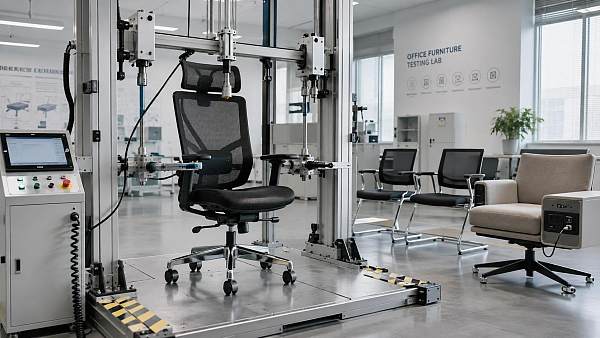
- Confirm BIFMA or equivalent test reports match the exact chair model, mechanism, and load rating being quoted, not a similar sample or discontinued configuration.
- Check fire safety compliance for foam, fabric, and composite parts against destination market requirements, especially for commercial interiors and regulated public-use spaces.
- Verify material compliance documents for REACH, RoHS, Proposition 65, or local chemical restrictions where the ergonomic office chair supplier plans to ship.
- Review gas lift, base, caster, and tilt mechanism certifications because these components drive failure risk, injury claims, and premature maintenance expenses.
- Ensure warranty terms clearly define coverage years, labor responsibility, replacement parts lead time, and exclusions for multi-shift or high-frequency commercial use.
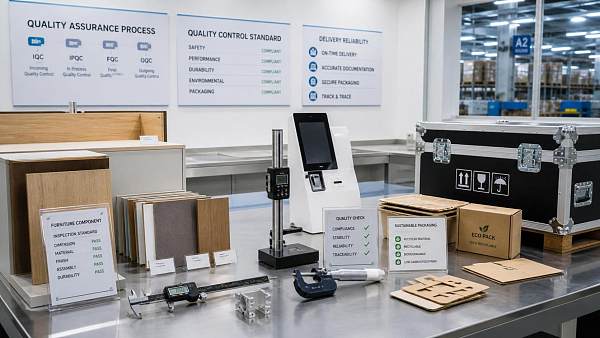
- Request production consistency evidence, including incoming material checks, in-line inspection records, and final quality control standards for each shipment batch.
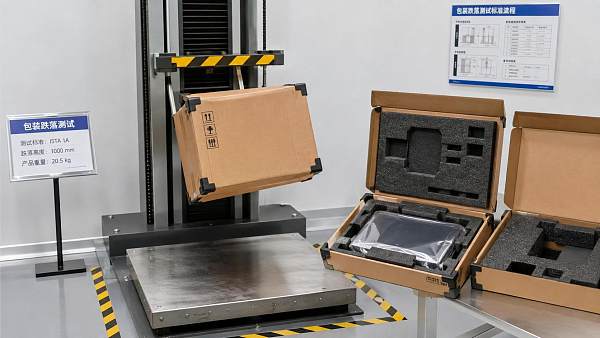
- Audit packaging performance and carton drop protection to reduce concealed transit damage, especially for international container shipments and multi-site distribution programs.
- Examine traceability practices so the ergonomic office chair supplier can identify affected lots quickly if defects, recalls, or compliance challenges emerge later.
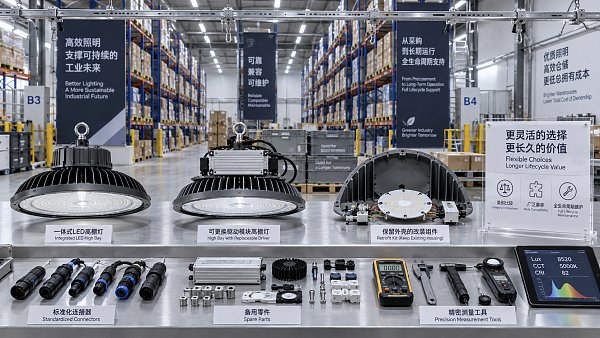
- Assess spare parts availability for arm pads, casters, cylinders, and mechanisms to avoid full-unit replacement when only a minor component fails.
- Validate factory capacity, subcontracting controls, and lead-time realism to prevent approval of a supplier that cannot support scale after pilot success.
Documents worth requesting early
Early document review saves time later. It also reveals whether an ergonomic office chair supplier operates with mature quality and compliance systems.
- Current test reports with issue dates, test lab details, model numbers, and photos matching the approved product specification.
- Bill of materials or component list for key structural parts and upholstery materials.
- Warranty policy, claim process map, and service response commitments by region.
- Factory audit records, quality manuals, and shipment inspection templates.
- Insurance coverage evidence for product liability where applicable.
How to judge real capability beyond certificates
Certificates are essential, but they do not tell the full story. A dependable ergonomic office chair supplier should also demonstrate control over engineering, sourcing, and repeatability.
Compare sample quality against production promises. If a pilot chair feels stable but mass production uses downgraded foam or thinner steel, lifecycle value drops sharply.
Key signs of operational maturity
- Consistent labeling on cartons, components, and manuals supports traceability and organized installation at commercial sites.
- Fast response to technical questions suggests the ergonomic office chair supplier understands specifications instead of only quoting sales language.
- Clear revision control for drawings and samples reduces the risk of unauthorized substitutions after approval.
- Structured defect reporting and corrective action records indicate stronger long-term reliability management.
Application-specific approval points across commercial environments
Corporate headquarters and administrative offices
These projects usually demand visual consistency, ergonomic adjustability, and long warranty support. Check seat depth, lumbar range, arm adjustability, and synchronized tilt performance.
An ergonomic office chair supplier for headquarters programs should also support phased rollouts. Matching finishes and replacement parts over time matters for asset continuity.
Co-working spaces and shared workstations
Usage intensity is higher in shared environments. Prioritize durability, easier cleaning, and stronger component ratings for casters, armrests, and seat foam retention.
Here, an ergonomic office chair supplier should define whether the warranty remains valid under multi-user, high-turnover, daily commercial occupancy conditions.
Education, training, and institutional spaces
Institutional projects often require straightforward maintenance and stricter documentation. Fire safety, chemical disclosures, and easy replacement parts become especially important.
An ergonomic office chair supplier serving these spaces should provide stable long-term model availability, because budget cycles may require repeat orders later.
Retail support offices and mixed-use developments
These environments often combine front-end aesthetics with back-end functionality. Review upholstery wear resistance, stain performance, and packaging suitability for dispersed delivery points.
The right ergonomic office chair supplier should coordinate logistics, documentation, and installation support across multiple regions without losing specification control.
Frequently overlooked risks during supplier approval
Many sourcing problems come from items that seem minor during quoting but become expensive after deployment.
Expired or mismatched testing
A report may be legitimate yet unrelated to the quoted model. Always check dates, photos, materials, mechanism type, and tested configuration details.
Undefined warranty execution
A long warranty sounds strong, but weak service terms create exposure. Clarify who pays freight, labor, and downtime costs if the chair fails on site.
Hidden component substitution
Some suppliers change cylinders, foam density, or caster grade after approval. Written component locks and inspection checkpoints reduce this risk significantly.
Weak post-shipment support
An ergonomic office chair supplier may deliver on time but fail during claims handling. Spare parts stock and response speed should be tested before full rollout.
Practical execution steps before final approval
A disciplined process helps transform supplier screening into measurable procurement control.
- Create a single approval matrix covering compliance, testing, pricing, warranty, lead time, packaging, and service capability.
- Score each ergonomic office chair supplier against weighted commercial criteria rather than relying on lowest quoted cost.
- Approve a golden sample and freeze core components before placing production orders.
- Require pre-shipment inspection and random carton checks for every major batch.
- Track early field performance data during pilot installation before expanding volume commitments.
Final decision path for a lower-risk sourcing outcome
Choosing an ergonomic office chair supplier is a strategic decision within the wider commercial furniture and supply chain ecosystem. The best approval outcomes come from evidence, not assumptions.
Prioritize verified compliance, tested durability, transparent warranty terms, and reliable post-sale support. These factors usually matter more than headline price in long-term ownership cost.
Before signing, organize documents, confirm sample alignment, and validate service readiness by region. A qualified ergonomic office chair supplier should reduce uncertainty, not create it.
With a structured approval framework, commercial projects can move forward with better comfort performance, stronger compliance confidence, and fewer costly surprises after installation.
News Recommendations
 How to choose an ultra bright waterproof window display for storefronts
![51a6ab95581761cc26f4318be6520c15]()
Aris Katos
Future of Carbide Coatings
 How to verify suppliers on a trade portal for global sourcing
![51a6ab95581761cc26f4318be6520c15]()
Aris Katos
Future of Carbide Coatings
 How RoHS requirements should be stated in product specifications
![51a6ab95581761cc26f4318be6520c15]()
Aris Katos
Future of Carbide Coatings
 What affects the lead time for custom retail counter displays?
![51a6ab95581761cc26f4318be6520c15]()
Aris Katos
Future of Carbide Coatings
 What consumer packaging USA importers need to verify before ordering
![51a6ab95581761cc26f4318be6520c15]()
Aris Katos
Future of Carbide Coatings
 How commercial spaces interiors shape customer dwell time
![51a6ab95581761cc26f4318be6520c15]()
Aris Katos
Future of Carbide Coatings
 How LED commercial lighting design reduces glare in retail spaces
![51a6ab95581761cc26f4318be6520c15]()
Aris Katos
Future of Carbide Coatings
 How industrial technology information improves RFID inventory accuracy
![51a6ab95581761cc26f4318be6520c15]()
Aris Katos
Future of Carbide Coatings
 When drip garden watering systems make more sense than sprinklers
![51a6ab95581761cc26f4318be6520c15]()
Aris Katos
Future of Carbide Coatings
 When category comparison improves sourcing for industrial applications
![51a6ab95581761cc26f4318be6520c15]()
Aris Katos
Future of Carbide Coatings
 Industrial application guidance for selecting the right LED lighting
![51a6ab95581761cc26f4318be6520c15]()
Aris Katos
Future of Carbide Coatings
 Which commercial architecture standards apply to European retail fit-outs?
![51a6ab95581761cc26f4318be6520c15]()
Aris Katos
Future of Carbide Coatings
 How to verify FDA requirements for maternity care products
![51a6ab95581761cc26f4318be6520c15]()
Aris Katos
Future of Carbide Coatings
 How to verify BPA-free claims for food-contact products
![51a6ab95581761cc26f4318be6520c15]()
Aris Katos
Future of Carbide Coatings
 When does a European wholesale supplier suit modular office projects?
![51a6ab95581761cc26f4318be6520c15]()
Aris Katos
Future of Carbide Coatings
 When consumer ecosystem solutions improve the in-store shopping journey
![51a6ab95581761cc26f4318be6520c15]()
Aris Katos
Future of Carbide Coatings
 How a commercial developers network can reduce site selection risk
![51a6ab95581761cc26f4318be6520c15]()
Aris Katos
Future of Carbide Coatings
 How clear purchasing specifications prevent costly supplier deviations
![51a6ab95581761cc26f4318be6520c15]()
Aris Katos
Future of Carbide Coatings
 What an ISTA drop test lab checks before your packaging ships
![51a6ab95581761cc26f4318be6520c15]()
Aris Katos
Future of Carbide Coatings
 Which commercial furniture standards apply to workplace seating?
![51a6ab95581761cc26f4318be6520c15]()
Aris Katos
Future of Carbide Coatings
 How to evaluate smart lighting module OEM compatibility before sampling
![51a6ab95581761cc26f4318be6520c15]()
Aris Katos
Future of Carbide Coatings
 How to assess whether sustainable technology delivers real impact
![51a6ab95581761cc26f4318be6520c15]()
Aris Katos
Future of Carbide Coatings
 How to assess an OEM supplier’s quality control before ordering
![51a6ab95581761cc26f4318be6520c15]()
Aris Katos
Future of Carbide Coatings
 How consumer ecosystem solutions data can improve retail personalization
![51a6ab95581761cc26f4318be6520c15]()
Aris Katos
Future of Carbide Coatings
 When does consumer packaging design justify a higher product price?
![51a6ab95581761cc26f4318be6520c15]()
Aris Katos
Future of Carbide Coatings
 Supermarket Fixture Installation: Planning Layouts, Wiring, and Handover
![51a6ab95581761cc26f4318be6520c15]()
Aris Katos
Future of Carbide Coatings
 Automated Lighting and Smart Lighting Control in Bergerac: Key Project Considerations
![51a6ab95581761cc26f4318be6520c15]()
Aris Katos
Future of Carbide Coatings
 Segment Streetlight Controllers: Choosing Control Modes for Urban Roads
![51a6ab95581761cc26f4318be6520c15]()
Aris Katos
Future of Carbide Coatings
 IEC 62471-2 Explained: How to Assess Photobiological Risks in LED Lighting
![51a6ab95581761cc26f4318be6520c15]()
Aris Katos
Future of Carbide Coatings
 Food Grade Packaging Requirements by Product Type, Temperature, and Contact Risk
![51a6ab95581761cc26f4318be6520c15]()
Aris Katos
Future of Carbide Coatings
 Food Packaging Compliance Checklist: Tests, Records, and Labeling Before Shipment
![51a6ab95581761cc26f4318be6520c15]()
Aris Katos
Future of Carbide Coatings
 NSF Food Packaging Standards: When Certification Matters for Commercial Food Use
![51a6ab95581761cc26f4318be6520c15]()
Aris Katos
Future of Carbide Coatings
 FDA Food Grade Compliance: Which Materials and Documents Do Buyers Need?
![51a6ab95581761cc26f4318be6520c15]()
Aris Katos
Future of Carbide Coatings
 What Should a Food Grade Declaration Include for Packaging Compliance?
![51a6ab95581761cc26f4318be6520c15]()
Aris Katos
Future of Carbide Coatings
 Housewares Importing: How to Evaluate Suppliers, Costs, and Compliance Risks
![51a6ab95581761cc26f4318be6520c15]()
Aris Katos
Future of Carbide Coatings
 Why Freeze-Dried Fruit Ingredients Lose Crispness—and How to Prevent It
![51a6ab95581761cc26f4318be6520c15]()
Aris Katos
Future of Carbide Coatings
 What industry veterans look for before choosing a new supplier
![51a6ab95581761cc26f4318be6520c15]()
Aris Katos
Future of Carbide Coatings
 How material fatigue can shorten the service life of retail shelving
![51a6ab95581761cc26f4318be6520c15]()
Aris Katos
Future of Carbide Coatings
 What makes a global sourcing platform reliable for supplier verification?
![51a6ab95581761cc26f4318be6520c15]()
Aris Katos
Future of Carbide Coatings