LFGB Food Grade Testing Checklist for Launching Kitchen Products
Time
Click Count
Before launching kitchen products into regulated markets, project teams need more than attractive design approval. They need a working compliance path. This LFGB food grade testing checklist helps verify materials, migration behavior, and technical files before delays appear in production, certification, or customs review.
For kitchenware, containers, utensils, seals, and food-contact accessories, lfgb food grade testing is often a decisive gate. It affects market access, supplier qualification, packaging claims, and timeline reliability across the broader consumer goods supply chain.
Why an LFGB Food Grade Testing Checklist Matters

LFGB requirements are not only about passing a lab report. They also connect product design, resin selection, pigment use, adhesive control, and traceable documentation. A checklist turns those moving parts into a repeatable launch process.
In global sourcing, one kitchen product may combine silicone, stainless steel, coatings, inks, and packaging. Without a checklist, teams often test too late, test the wrong configuration, or miss declaration gaps that block shipment release.
A structured lfgb food grade testing review supports technical benchmarking as well. It helps compare suppliers on consistency, not just price, and reduces redesign costs when retail programs require premium safety and quality evidence.
Core LFGB Food Grade Testing Checklist
Use the following checklist before tooling release, pilot production, and final shipment approval.
- Confirm every food-contact component, including hidden parts such as seals, valves, coatings, handles, and printed zones that may contact food during normal use or foreseeable misuse.
- Map material composition by part number. Record resin grade, metal grade, additive package, color masterbatch, adhesive chemistry, and curing process used in the final production version.
- Define the intended use clearly. Specify food type, temperature range, repeated-use condition, microwave or oven exposure, and contact duration before requesting lfgb food grade testing.
- Check whether the tested sample matches commercial reality. Lab samples must reflect final thickness, surface finish, decoration, assembly method, and post-processing after mass production.
- Request migration testing against relevant simulants and use conditions. Overall migration alone is not enough when specific substances or high-temperature contact create added compliance risk.
- Review sensory testing where applicable. Odor and taste transfer can fail even when chemical limits pass, especially for silicone bakeware, lids, storage boxes, and infant-feeding accessories.
- Verify heavy metals and restricted substances in substrates, coatings, inks, and decorations. Decorative zones near rims or inner walls can create unexpected nonconformity findings.
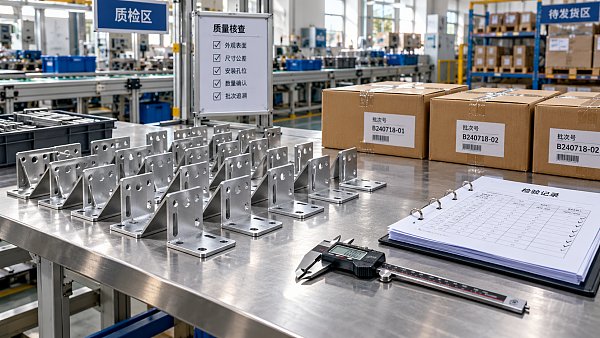
- Collect supplier declarations, test reports, technical data sheets, and bills of materials into one file set. Incomplete records weaken traceability and complicate importer review.
- Control change management after approval. New pigment lots, alternate seal suppliers, or revised mold-release agents may require updated lfgb food grade testing before shipment.
- Align packaging and claims with evidence. Avoid unsupported phrases such as “food safe” or “German compliant” unless the test scope and documentation support those exact statements.
Documents to keep in the release file
- Approved drawings with material callouts and revision history.
- Bill of materials linked to supplier names and batch traceability.
- Laboratory reports showing sample description, test method, and pass criteria.
- Declarations of compliance for relevant raw materials and subassemblies.
- Change records for any substitution after initial approval.
How the Checklist Changes by Product Scenario
Silicone and elastomer kitchen tools
Spatulas, baking molds, lids, and seals often face odor, taste transfer, and volatile residue issues. For these products, lfgb food grade testing should reflect repeated heating cycles and the final curing condition, not only raw compound data.
Color pigments also matter. Dark or bright shades can behave differently from natural silicone. If one product line offers multiple colors, confirm whether representative testing is technically justified or whether each color family needs review.
Stainless steel drinkware and utensils
Metal products may seem straightforward, but weld quality, passivation, internal coatings, and printed branding can change the risk profile. Test the finished assembly, especially when insulated walls, straws, or lid systems introduce mixed materials.
Acidic food contact deserves extra attention. Vinegar-based conditions, fruit acids, or long holding times can influence migration behavior. A checklist should tie test conditions to actual consumer use, not generic assumptions.
Plastic containers and lunch boxes
For polypropylene, Tritan, or other polymers, the main questions are resin consistency, additive control, and heat exposure. Microwave-safe claims, freezer use, and dishwasher cycles should be defined before the lab protocol is fixed.
Seals and closures are common weak points. A strong container report does not automatically cover the gasket, vent plug, or printed film. Effective lfgb food grade testing reviews every contact surface as a complete system.
Commonly Missed Risks in LFGB Food Grade Testing
Testing only the base material
A raw material certificate cannot replace finished-product evidence. Trimming, printing, bonding, curing, and storage conditions may change the final result. Always compare the tested sample against production reality.
Ignoring foreseeable misuse
Consumers may pour boiling liquids into a storage cup or leave utensils in hot oil briefly. If design makes this likely, the checklist should address it. Realistic use mapping improves both compliance and product reliability.
Using outdated reports
An old pass report may not match the current tool, supplier, or formula. When sourcing shifts across factories or sub-suppliers, revalidation is often the safer route for lfgb food grade testing decisions.
Overlooking packaging interaction
Food-contact products can absorb odors or residues from inserts, printed leaflets, or recycled packaging materials during transport. Packaging is not always in the test scope, but it can still affect acceptance and user perception.
Practical Execution Tips for Faster Approval
- Start the checklist during design freeze, not after packaging artwork approval.
- Build one compliance matrix linking parts, materials, suppliers, and required tests.
- Send the lab a use-case brief with temperature, time, and food-contact assumptions.
- Hold pilot samples until reports, declarations, and revision codes match exactly.
- Create a retest trigger list for formula changes, alternate vendors, and tooling updates.
This approach supports broader commercial benchmarking too. In modern consumer ecosystems, compliance data increasingly influences retail listing confidence, sustainability narratives, and long-term supplier credibility.
Conclusion and Next Steps
A reliable LFGB food grade testing checklist does more than prevent failed reports. It creates a stable bridge between product development, sourcing control, documentation discipline, and launch readiness.
Begin with a full material map, define true use conditions, test the final assembly, and lock all evidence into a controlled file set. Then review every change before shipment. That sequence makes lfgb food grade testing a launch tool, not a last-minute obstacle.
For kitchen products entering demanding markets, the safest next move is simple: run this checklist against the current sample set, identify evidence gaps, and close them before scale-up begins.
News Recommendations
 How do packaging customization options affect minimum order quantities in Europe?
![51a6ab95581761cc26f4318be6520c15]()
Aris Katos
Future of Carbide Coatings
 Transom to Acquire Cree LED in Commercial Lighting Ownership Change
![51a6ab95581761cc26f4318be6520c15]()
Aris Katos
Future of Carbide Coatings
 How to plan customer flow in commercial design planning
![51a6ab95581761cc26f4318be6520c15]()
Aris Katos
Future of Carbide Coatings
 USTR Urged to Permanently Suspend Fees on China-Linked Ships
![51a6ab95581761cc26f4318be6520c15]()
Aris Katos
Future of Carbide Coatings
 How to choose comparable stores for retail benchmarking
![51a6ab95581761cc26f4318be6520c15]()
Aris Katos
Future of Carbide Coatings
 How does anchoring affect modular building wind load resistance?
![51a6ab95581761cc26f4318be6520c15]()
Aris Katos
Future of Carbide Coatings
 Amazon Raises European FBA Surcharge to 2% in Ten Markets From November 2
![51a6ab95581761cc26f4318be6520c15]()
Aris Katos
Future of Carbide Coatings
 How to verify a BPA-free test report for baby products
![51a6ab95581761cc26f4318be6520c15]()
Aris Katos
Future of Carbide Coatings
 China's Mandatory Classroom Lighting Standard GB 7793-2025 Takes Effect November 1
![51a6ab95581761cc26f4318be6520c15]()
Aris Katos
Future of Carbide Coatings
 How order volume affects the price of wholesale poly mailers
![51a6ab95581761cc26f4318be6520c15]()
Aris Katos
Future of Carbide Coatings
 US Imposes 50% Tariff on Certain Canadian PET Resin Imports
![51a6ab95581761cc26f4318be6520c15]()
Aris Katos
Future of Carbide Coatings
 How to read the maximum ratings in a semiconductor datasheet
![51a6ab95581761cc26f4318be6520c15]()
Aris Katos
Future of Carbide Coatings
 University of Maryland Develops Bio-Based Packaging to Extend Avocado and Cucumber Shelf Life
![51a6ab95581761cc26f4318be6520c15]()
Aris Katos
Future of Carbide Coatings
 How to verify a cookware manufacturer's induction compatibility claims
![51a6ab95581761cc26f4318be6520c15]()
Aris Katos
Future of Carbide Coatings
 Omdia Forecasts 11.6% Annual Growth in LED Display Revenue Through 2030
![51a6ab95581761cc26f4318be6520c15]()
Aris Katos
Future of Carbide Coatings
 How to verify a pulp molding packaging factory's production capacity
![51a6ab95581761cc26f4318be6520c15]()
Aris Katos
Future of Carbide Coatings
 Curion Survey: Half of Consumers Frustrated by Sustainable Packaging
![51a6ab95581761cc26f4318be6520c15]()
Aris Katos
Future of Carbide Coatings
 How to assess the credibility of market insight content
![51a6ab95581761cc26f4318be6520c15]()
Aris Katos
Future of Carbide Coatings
 US Removes 50% Additional Tariff on Selected Canadian Packaging Products
![51a6ab95581761cc26f4318be6520c15]()
Aris Katos
Future of Carbide Coatings
 Will a waterproof dimmable LED driver work with your existing dimmer?
![51a6ab95581761cc26f4318be6520c15]()
Aris Katos
Future of Carbide Coatings
 Charter Next Generation Raises Film PCR Use 30%, Advances Food-Grade Applications
![51a6ab95581761cc26f4318be6520c15]()
Aris Katos
Future of Carbide Coatings
 How to choose a dog harness and leash for a dog that pulls hard
![51a6ab95581761cc26f4318be6520c15]()
Aris Katos
Future of Carbide Coatings
 How to respect local customs when negotiating with overseas suppliers
![51a6ab95581761cc26f4318be6520c15]()
Aris Katos
Future of Carbide Coatings
 RFID Recycling Challenges Bring Paper-Based and Chipless Tags Into Focus
![51a6ab95581761cc26f4318be6520c15]()
Aris Katos
Future of Carbide Coatings
 How to choose commercial lighting for offices that reduces glare
![51a6ab95581761cc26f4318be6520c15]()
Aris Katos
Future of Carbide Coatings
 Queue Launches Fully Automated Robotic Pharmacy Kiosk for 30-Second Dispensing
![51a6ab95581761cc26f4318be6520c15]()
Aris Katos
Future of Carbide Coatings
 Can your supermarket store fixtures supplier meet your opening date?
![51a6ab95581761cc26f4318be6520c15]()
Aris Katos
Future of Carbide Coatings
 Shopify POS UI Extensions 2026-10 Adds Virtual Lists and Custom Row Templates
![51a6ab95581761cc26f4318be6520c15]()
Aris Katos
Future of Carbide Coatings
 How to assess smart office furniture suppliers’ North American support
![51a6ab95581761cc26f4318be6520c15]()
Aris Katos
Future of Carbide Coatings
 Aqara Launches Smart Lighting Range to Advance AI Spatial Intelligence
![51a6ab95581761cc26f4318be6520c15]()
Aris Katos
Future of Carbide Coatings
 How to assess demand forecasts in a lighting intelligence report
![51a6ab95581761cc26f4318be6520c15]()
Aris Katos
Future of Carbide Coatings
 Billerud推出PharmaKraft纤维基医药包装材料
![51a6ab95581761cc26f4318be6520c15]()
Aris Katos
Future of Carbide Coatings
 How to assess supplier reliability in global supply chain sourcing
![51a6ab95581761cc26f4318be6520c15]()
Aris Katos
Future of Carbide Coatings
 Omdia Forecasts 11.6% CAGR for Global LED Video Display Market in 2026–2030
![51a6ab95581761cc26f4318be6520c15]()
Aris Katos
Future of Carbide Coatings
 How to verify an LFGB testing laboratory's accreditation scope
![51a6ab95581761cc26f4318be6520c15]()
Aris Katos
Future of Carbide Coatings
 How to assess a workplace interior supplier's installation scope
![51a6ab95581761cc26f4318be6520c15]()
Aris Katos
Future of Carbide Coatings
 What records are needed for an ISO 9001 furniture factory audit?
![51a6ab95581761cc26f4318be6520c15]()
Aris Katos
Future of Carbide Coatings
 How to choose AI marketing tools that work with your existing CRM
![51a6ab95581761cc26f4318be6520c15]()
Aris Katos
Future of Carbide Coatings
 Do freight costs erase savings when buying retail fixtures wholesale?
![51a6ab95581761cc26f4318be6520c15]()
Aris Katos
Future of Carbide Coatings