
How Supply Chain Issues Affect Modern Marketplace Sales
Time
Click Count
Supply chain issues no longer affect only back-end procurement teams. In modern marketplaces, they directly shape product availability, delivery speed, store experience, equipment uptime, packaging choices, and even how premium brands are perceived by customers. For researchers, operators, and commercial users, the main takeaway is clear: supply chain disruption is now a sales issue, a customer experience issue, and a brand resilience issue at the same time.
Whether the challenge involves delayed consumer goods, longer lead times for commercial fixtures, shortages in smart retail hardware, or unstable access to sustainable packaging materials, the effects are visible across both physical and digitally enabled retail environments. Understanding these connections helps businesses make better sourcing decisions, reduce operational risk, and protect marketplace performance.
Why supply chain issues now have a direct impact on marketplace sales
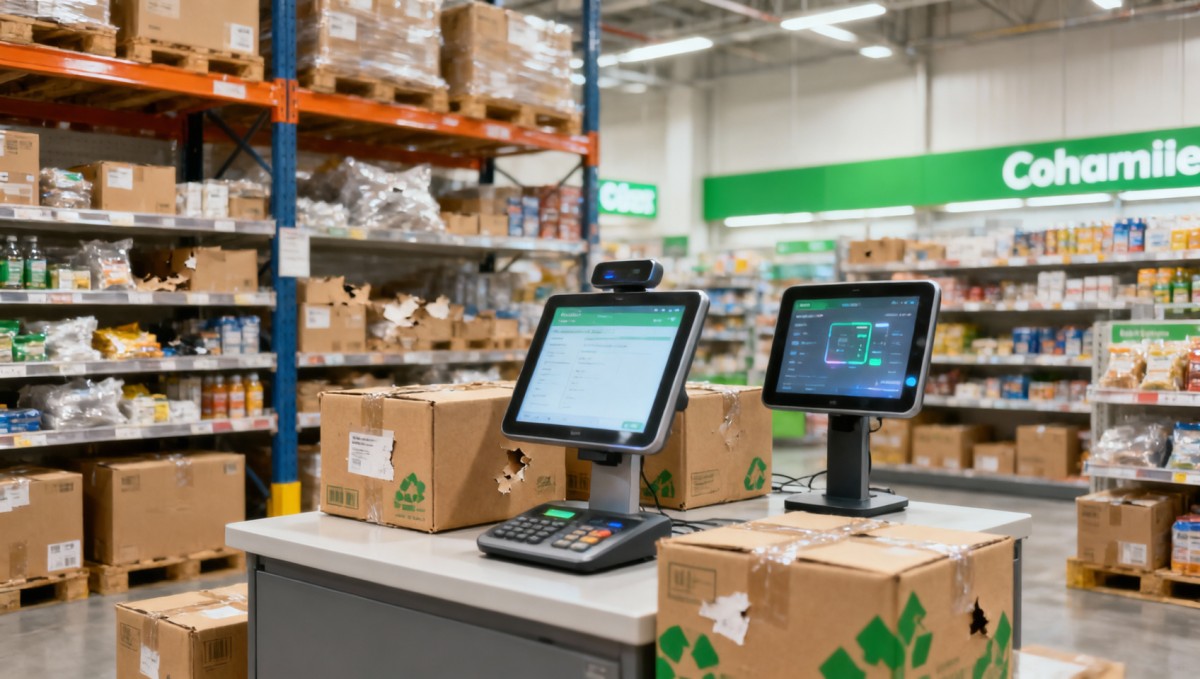
Many people still think of supply chain problems as something that happens far away from the customer. In reality, modern marketplace sales depend on a tightly connected system: manufacturing, transportation, compliance, installation, digital hardware, merchandising, and replenishment all need to work together. When one part slows down, sales performance often suffers immediately.
In commercial environments, these disruptions affect more than inventory levels. They can delay new store openings, limit seasonal promotions, reduce SKU availability, interrupt smart POS deployment, postpone signage replacement, and increase the cost of sustainable material adoption. For high-end brands and chain operators, that can weaken both revenue and customer trust.
This is especially important in sectors where the physical environment matters as much as the product itself. Commercial furniture, retail fixtures, lighting systems, digital checkout tools, and packaging all contribute to how a marketplace functions. If these elements arrive late, fail quality checks, or cannot be replenished consistently, the sales floor becomes less efficient and less appealing to buyers.
What target readers usually care about most
For information researchers and operational users, the biggest concerns are usually practical rather than theoretical. They want to know:
- How supply chain issues reduce sales in measurable ways
- Which parts of the marketplace are most vulnerable
- How to identify early warning signs before disruption becomes visible to customers
- What sourcing and planning actions reduce risk
- How to balance quality, compliance, sustainability, and speed
These readers are not simply asking whether disruptions exist. They want to understand where operational pressure turns into commercial loss. For example, a delayed shipment of packaging may not seem critical at first, but if it affects product presentation, regulatory labeling, or e-commerce fulfillment consistency, it can quickly influence conversion and customer satisfaction.
Likewise, a shortage of retail technology components may delay payment terminal deployment or smart shelf integration, creating friction in stores that are expected to operate efficiently. In premium marketplaces, even a small delay or visible inconsistency can reduce perceived professionalism and trust.
Where supply chain disruptions hurt sales the most
Not every disruption creates the same level of damage. In modern marketplace sales, the most serious impacts usually appear in five areas.
1. Product availability and assortment stability
If popular products are out of stock, customers may switch brands, delay purchases, or choose another channel. Repeated stock instability damages both immediate revenue and long-term loyalty. This is one of the most visible ways supply chain issues affect marketplace sales.
2. Store setup and commercial environment readiness
New openings, renovations, and seasonal campaigns depend on reliable delivery of fixtures, lighting, signage, and display systems. If these components are delayed, stores may open incomplete, promotions may launch late, and planned revenue windows may be missed.
3. Smart retail technology performance
Modern retail increasingly depends on POS terminals, sensors, digital displays, inventory tools, and connected customer interfaces. Component shortages, firmware dependency, certification delays, or unstable supplier support can interrupt implementation and lower operational efficiency.
4. Packaging continuity and sustainability goals
Sustainable packaging is now part of both compliance and brand strategy. But material shortages, cost volatility, and inconsistent supplier standards can force brands to delay packaging transitions or use less suitable alternatives. That can affect shelf appeal, shipping protection, and ESG positioning.
5. Cost control and margin protection
Freight spikes, rushed sourcing, production bottlenecks, and quality failures all increase costs. If businesses absorb those costs, margins shrink. If they pass them on, demand may weaken. In either case, supply chain instability affects sales quality, not just sales volume.
How disruption changes customer experience in physical and digital retail
Today’s marketplace is hybrid. Customers move between stores, websites, mobile apps, pickup points, and service counters. Because of that, supply chain issues affect more than shelf stock. They can disrupt the full customer journey.
In physical retail, disruption may appear as incomplete displays, replacement materials that look inconsistent, non-functioning digital kiosks, delayed fitting area upgrades, or reduced checkout efficiency. In digital commerce, the same issue may show up through longer fulfillment windows, packaging inconsistency, inaccurate stock visibility, or more substitutions.
For premium brands, the risk is even greater. Customers expect consistency across every touchpoint. If packaging quality changes, fixtures appear temporary, or technology systems fail during payment or pickup, the brand experience feels weaker. In this sense, supply chain resilience has become part of customer experience design.
How operators and researchers can assess supply chain risk more accurately
To make better decisions, readers need a practical way to evaluate risk. A useful assessment should look beyond unit price and ask wider operational questions.
- Lead time reliability: Is delivery consistency more important than the quoted fastest lead time?
- Supplier diversification: Does the business depend too heavily on a single region, factory, or material source?
- Compliance readiness: Are products aligned with standards such as UL, CE, or BIFMA where relevant?
- Material substitution risk: If original materials become unavailable, can alternatives maintain performance and aesthetics?
- After-sales support: Can the supplier support installation, maintenance, spare parts, and updates?
- Visibility and transparency: Is there enough data to track disruptions early?
This kind of framework is particularly useful in commercial projects that involve multiple categories at once, such as fixtures, signage, POS hardware, and packaging. One weak supplier in one category can delay an entire launch or reduce the value of investment across the whole space.
What businesses can do to reduce sales risk from supply chain issues
The most effective response is not simply to hold more stock. Businesses need a combination of sourcing discipline, technical planning, and commercial prioritization.
Strengthen multi-source procurement
Where possible, companies should avoid overdependence on one supplier or region for critical components. Multi-source strategies are especially important for retail technology, packaging materials, and custom commercial hardware.
Prioritize high-impact categories
Not every item needs the same level of protection. Focus first on categories that directly affect marketplace sales: best-selling consumer goods, essential fixtures, checkout equipment, brand-critical signage, and compliance-sensitive packaging.
Benchmark quality, not just price
In unstable periods, low-cost substitutions can create hidden costs through shorter lifespan, installation issues, inconsistent appearance, or certification failures. Benchmarking against recognized standards helps buyers protect long-term value.
Build flexibility into rollout plans
Store openings, seasonal updates, and product launches should include timing buffers and approved alternatives. This reduces the risk of total project delay when one component is missing.
Use supply chain data as a commercial tool
Procurement data should inform sales planning, merchandising, and customer communication. If operators know where constraints are developing, they can adjust assortment strategy, reorder timing, and campaign plans before disruption becomes visible to customers.
Why this matters more for modern commercial ecosystems
The modern marketplace is no longer built from isolated products. It is an ecosystem made up of commercial furniture, smart retail technology, lighting, fixtures, consumer goods logistics, and sustainable packaging. Each element affects how efficiently a space operates and how customers experience the brand.
That is why supply chain issues must be understood in a broader way. They are not only about missing goods. They influence physical space quality, technical performance, sustainability execution, operational continuity, and business credibility. For commercial developers, sourcing directors, and operational teams, resilience now means creating systems that can maintain both functionality and brand standards under pressure.
Conclusion
Supply chain issues affect modern marketplace sales by disrupting product availability, delaying store readiness, weakening customer experience, increasing operational costs, and creating inconsistency across commercial environments. The businesses that manage these pressures best are usually the ones that treat supply chain planning as part of sales strategy, not as a separate back-office task.
For researchers and operators, the key lesson is practical: look beyond cost and lead time alone. Evaluate supplier transparency, compliance, quality stability, material flexibility, and category-level business impact. In a marketplace shaped by global sourcing, smart retail systems, and sustainability demands, resilient supply chains are no longer optional. They are a core driver of sales performance and long-term marketplace value.
- commercial furniture
- retail fixtures
- smart retail
- POS terminals
- supply chain
- consumer goods
- signage
- sustainable packaging
- commercial hardware
- retail technology
- commercial developers
- high-end brands
- commercial environments
- modern marketplace
- sustainable packaging materials
- consumer goods logistics
- smart retail systems
- smart retail technology
News Recommendations
 How do packaging customization options affect minimum order quantities in Europe?
![51a6ab95581761cc26f4318be6520c15]()
Aris Katos
Future of Carbide Coatings
 Transom to Acquire Cree LED in Commercial Lighting Ownership Change
![51a6ab95581761cc26f4318be6520c15]()
Aris Katos
Future of Carbide Coatings
 How to plan customer flow in commercial design planning
![51a6ab95581761cc26f4318be6520c15]()
Aris Katos
Future of Carbide Coatings
 USTR Urged to Permanently Suspend Fees on China-Linked Ships
![51a6ab95581761cc26f4318be6520c15]()
Aris Katos
Future of Carbide Coatings
 How to choose comparable stores for retail benchmarking
![51a6ab95581761cc26f4318be6520c15]()
Aris Katos
Future of Carbide Coatings
 How does anchoring affect modular building wind load resistance?
![51a6ab95581761cc26f4318be6520c15]()
Aris Katos
Future of Carbide Coatings
 Amazon Raises European FBA Surcharge to 2% in Ten Markets From November 2
![51a6ab95581761cc26f4318be6520c15]()
Aris Katos
Future of Carbide Coatings
 How to verify a BPA-free test report for baby products
![51a6ab95581761cc26f4318be6520c15]()
Aris Katos
Future of Carbide Coatings
 China's Mandatory Classroom Lighting Standard GB 7793-2025 Takes Effect November 1
![51a6ab95581761cc26f4318be6520c15]()
Aris Katos
Future of Carbide Coatings
 How order volume affects the price of wholesale poly mailers
![51a6ab95581761cc26f4318be6520c15]()
Aris Katos
Future of Carbide Coatings
 US Imposes 50% Tariff on Certain Canadian PET Resin Imports
![51a6ab95581761cc26f4318be6520c15]()
Aris Katos
Future of Carbide Coatings
 How to read the maximum ratings in a semiconductor datasheet
![51a6ab95581761cc26f4318be6520c15]()
Aris Katos
Future of Carbide Coatings
 University of Maryland Develops Bio-Based Packaging to Extend Avocado and Cucumber Shelf Life
![51a6ab95581761cc26f4318be6520c15]()
Aris Katos
Future of Carbide Coatings
 How to verify a cookware manufacturer's induction compatibility claims
![51a6ab95581761cc26f4318be6520c15]()
Aris Katos
Future of Carbide Coatings
 Omdia Forecasts 11.6% Annual Growth in LED Display Revenue Through 2030
![51a6ab95581761cc26f4318be6520c15]()
Aris Katos
Future of Carbide Coatings
 How to verify a pulp molding packaging factory's production capacity
![51a6ab95581761cc26f4318be6520c15]()
Aris Katos
Future of Carbide Coatings
 Curion Survey: Half of Consumers Frustrated by Sustainable Packaging
![51a6ab95581761cc26f4318be6520c15]()
Aris Katos
Future of Carbide Coatings
 How to assess the credibility of market insight content
![51a6ab95581761cc26f4318be6520c15]()
Aris Katos
Future of Carbide Coatings
 US Removes 50% Additional Tariff on Selected Canadian Packaging Products
![51a6ab95581761cc26f4318be6520c15]()
Aris Katos
Future of Carbide Coatings
 Will a waterproof dimmable LED driver work with your existing dimmer?
![51a6ab95581761cc26f4318be6520c15]()
Aris Katos
Future of Carbide Coatings
 Charter Next Generation Raises Film PCR Use 30%, Advances Food-Grade Applications
![51a6ab95581761cc26f4318be6520c15]()
Aris Katos
Future of Carbide Coatings
 How to choose a dog harness and leash for a dog that pulls hard
![51a6ab95581761cc26f4318be6520c15]()
Aris Katos
Future of Carbide Coatings
 How to respect local customs when negotiating with overseas suppliers
![51a6ab95581761cc26f4318be6520c15]()
Aris Katos
Future of Carbide Coatings
 RFID Recycling Challenges Bring Paper-Based and Chipless Tags Into Focus
![51a6ab95581761cc26f4318be6520c15]()
Aris Katos
Future of Carbide Coatings
 How to choose commercial lighting for offices that reduces glare
![51a6ab95581761cc26f4318be6520c15]()
Aris Katos
Future of Carbide Coatings
 Queue Launches Fully Automated Robotic Pharmacy Kiosk for 30-Second Dispensing
![51a6ab95581761cc26f4318be6520c15]()
Aris Katos
Future of Carbide Coatings
 Can your supermarket store fixtures supplier meet your opening date?
![51a6ab95581761cc26f4318be6520c15]()
Aris Katos
Future of Carbide Coatings
 Shopify POS UI Extensions 2026-10 Adds Virtual Lists and Custom Row Templates
![51a6ab95581761cc26f4318be6520c15]()
Aris Katos
Future of Carbide Coatings
 How to assess smart office furniture suppliers’ North American support
![51a6ab95581761cc26f4318be6520c15]()
Aris Katos
Future of Carbide Coatings
 Aqara Launches Smart Lighting Range to Advance AI Spatial Intelligence
![51a6ab95581761cc26f4318be6520c15]()
Aris Katos
Future of Carbide Coatings
 How to assess demand forecasts in a lighting intelligence report
![51a6ab95581761cc26f4318be6520c15]()
Aris Katos
Future of Carbide Coatings
 Billerud推出PharmaKraft纤维基医药包装材料
![51a6ab95581761cc26f4318be6520c15]()
Aris Katos
Future of Carbide Coatings
 How to assess supplier reliability in global supply chain sourcing
![51a6ab95581761cc26f4318be6520c15]()
Aris Katos
Future of Carbide Coatings
 Omdia Forecasts 11.6% CAGR for Global LED Video Display Market in 2026–2030
![51a6ab95581761cc26f4318be6520c15]()
Aris Katos
Future of Carbide Coatings
 How to verify an LFGB testing laboratory's accreditation scope
![51a6ab95581761cc26f4318be6520c15]()
Aris Katos
Future of Carbide Coatings
 How to assess a workplace interior supplier's installation scope
![51a6ab95581761cc26f4318be6520c15]()
Aris Katos
Future of Carbide Coatings
 What records are needed for an ISO 9001 furniture factory audit?
![51a6ab95581761cc26f4318be6520c15]()
Aris Katos
Future of Carbide Coatings
 How to choose AI marketing tools that work with your existing CRM
![51a6ab95581761cc26f4318be6520c15]()
Aris Katos
Future of Carbide Coatings
 Do freight costs erase savings when buying retail fixtures wholesale?
![51a6ab95581761cc26f4318be6520c15]()
Aris Katos
Future of Carbide Coatings







































