RFID Read Range Optimization: Fixing Missed Scans Without Rebuilding the System
Time
Click Count
Missed RFID scans rarely mean you need a full system overhaul. With the right approach to rfid read range optimization, technical evaluators can identify hidden performance gaps in tags, antennas, reader settings, and the surrounding environment. This article explores practical ways to improve read consistency, reduce blind spots, and strengthen system reliability without costly reconstruction.
In modern retail, warehouse staging, store replenishment, and omnichannel fulfillment, scan reliability affects inventory accuracy, labor efficiency, and customer experience at the same time. For technical assessment teams working across global commercial environments, the challenge is rarely a single defective component. More often, missed reads come from a stack of 4 to 6 smaller issues that reduce performance just enough to create inconsistent outcomes.
That is why rfid read range optimization should be treated as a structured evaluation process rather than a hardware replacement decision. Before changing readers, redesigning fixtures, or rebuilding portals, evaluators need to examine tag selection, antenna geometry, power settings, material interference, and software filtering logic. Small corrections in these areas can improve read consistency within 2 to 6 weeks and avoid unnecessary capital expense.
Why Read Range Problems Happen in Otherwise Functional RFID Systems

A system can appear operational and still underperform in real-world conditions. In controlled tests, an RFID setup may achieve stable reads at 3 to 6 meters, yet on a live retail floor or at a backroom transition point, the effective range may drop by 30% to 50%. This gap usually comes from environment-driven signal loss rather than complete equipment failure.
Four common causes of missed scans
Technical evaluators should first isolate whether the problem is caused by tag behavior, reader configuration, antenna placement, or environmental interference. In many mixed-use commercial spaces, at least 2 of these variables interact. For example, a good UHF tag can still fail when applied to liquid-filled packaging and moved quickly past a poorly polarized antenna.
- Tag detuning caused by metal, liquid, foil, or dense product materials
- Antenna angle mismatch that creates dead zones at entry points or shelving edges
- Reader power or session settings that are too aggressive or too conservative
- Environmental reflections from fixtures, light frames, POS housings, or steel racking
How commercial environments complicate RFID performance
Unlike single-purpose industrial corridors, modern stores and hybrid fulfillment spaces include lighting systems, signage hardware, decorative metalwork, smart displays, and compact fixture layouts. These create multipath effects that distort the RF field. Even a shift of 15 to 30 degrees in antenna orientation or a placement change of 20 to 40 centimeters can materially affect read reliability.
For organizations sourcing across regions, another variable is hardware consistency. A deployment may combine readers from one source, labels from another, and fixtures built to different regional tolerances. G-BCE’s cross-sector benchmarking perspective is useful here because scan performance is rarely just an IT issue; it is also linked to fixture materials, packaging design, and the physical workflow of goods moving through commercial space.
Symptoms that point to optimization rather than replacement
If missed reads occur only on specific SKUs, only at one gate direction, or only during peak movement periods, the system likely needs tuning instead of reconstruction. A full replacement becomes more likely when the baseline read rate remains poor across all tag types, all orientations, and multiple zones even after controlled adjustments. In many projects, the threshold is clear: if read rates improve from below 85% to above 95% after tuning, rebuilding is usually unnecessary.
A Practical Framework for RFID Read Range Optimization
A strong optimization plan starts with a repeatable field assessment. Technical evaluators should avoid changing everything at once. Instead, test one variable at a time over 3 stages: baseline measurement, targeted adjustment, and confirmation under live operating conditions. This reduces false conclusions and makes procurement decisions more defensible.
Step 1: Establish a measurable baseline
Before making changes, record current performance using at least 3 conditions: static read, moving read, and dense item read. Measure not only maximum range, but also first-read success, repeated-read stability, and blind spot frequency. A useful evaluation window is 200 to 500 scan events per test condition, which is large enough to reveal patterns without delaying the project.
- Identify 5 to 10 representative SKUs, including difficult materials such as liquids, cosmetics, or metallic packaging.
- Test at multiple distances, such as 1 meter, 2 meters, and 3 meters.
- Repeat tests at 3 orientations: face-on, edge-on, and mixed presentation.
- Capture results during both normal and peak movement speeds.
Step 2: Audit tags, readers, and antenna geometry
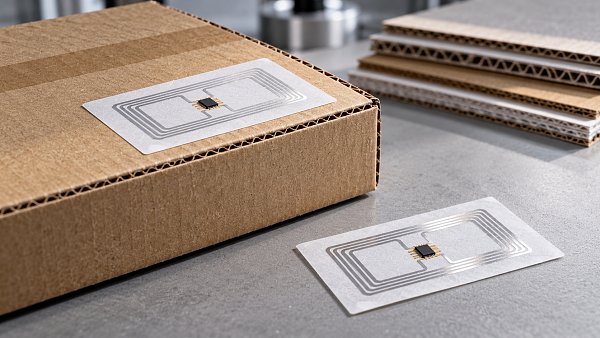
Not all tags perform equally in commercial supply chains. Inlays optimized for carton-level logistics may behave poorly on premium consumer packaging or dense shelf displays. Likewise, linear antennas may offer sufficient gain but underperform in mixed orientation environments where circular polarization can reduce miss rates. The key is to match the read zone to the physical reality of the goods and the path they travel.
The table below helps technical evaluators compare the most common optimization checkpoints before approving any replacement budget.
The key takeaway is that rfid read range optimization is often cumulative. A 10% improvement from better tag placement, another 8% from antenna angle adjustment, and a smaller gain from reader tuning can together produce the difference between an unreliable 82% read rate and an operational 96% rate.
Step 3: Tune reader settings with discipline
Increasing power is not always the answer. In dense environments, higher transmit power can increase stray reads and create more noise. Technical evaluators should tune settings in small intervals, such as 1 to 2 dBm at a time, and verify whether the actual target zone improves. Session configuration, singulation strategy, and dwell time should also be tested because read success depends on item speed and tag population, not just raw output power.
Recommended tuning sequence
- Start with physical alignment before software changes
- Reduce obvious reflectors within 0.5 to 1.5 meters of the read zone
- Adjust antenna position and confirm field coverage
- Tune reader power and sensitivity in narrow increments
- Validate with moving products at realistic throughput speeds
What Technical Evaluators Should Check Before Recommending New Hardware
A replacement proposal should come only after a structured failure analysis. In B2B sourcing and commercial modernization programs, unnecessary hardware refresh can delay implementation by 4 to 12 weeks and create avoidable integration costs. The smarter path is to define whether the limitation is architectural, component-specific, or workflow-driven.
Decision criteria for optimization versus rebuild
Use the following matrix to determine whether tuning is sufficient or whether the deployment needs broader redesign. This is especially useful in global retail and consumer goods environments where procurement, store construction, and digital systems must stay aligned.
This framework helps evaluators justify investment with evidence. In many cases, only one layer needs replacement. Replacing a low-fit tag program or redesigning a problematic fixture surface is materially different from rebuilding an entire RFID system.
Hidden commercial-space variables that affect range
Projects in luxury retail, department stores, consumer electronics, and mixed-use showrooms often overlook the impact of display design. Glass, aluminum trims, illuminated shelving, digital sign enclosures, and dense power routing all change RF behavior. A range problem may therefore originate in the built environment, not in the RFID stack alone.
For cross-border sourcing teams, this matters during specification review. When commercial fixtures and smart retail hardware are procured separately, tolerances and material finishes may not be optimized for RF transparency. Coordinating smart retail technology with furniture, signage, and packaging teams can prevent repeated testing cycles and reduce deployment friction during the final 10% of implementation.
Five questions to ask during technical evaluation
- Is the target read zone clearly defined by distance, direction, and item speed?
- Are difficult materials isolated in testing rather than averaged into general results?
- Has antenna placement been reviewed relative to shelving, frames, and nearby powered devices?
- Are software filters masking physical read failures instead of solving them?
- Can the issue be resolved in 1 zone first before changing the entire estate?
Implementation Priorities, Risk Control, and Long-Term Reliability
Once optimization opportunities are identified, the next step is controlled implementation. For most commercial environments, the best practice is a phased rollout across 3 layers: pilot zone validation, operational review, and scaled deployment. This limits disruption and gives technical teams time to confirm whether scan gains remain stable over 7 to 30 days.
Priority order for low-disruption improvement
If the goal is to improve reliability without reconstructing the system, prioritize changes from least disruptive to most disruptive. Tag placement and reader tuning usually come first. Antenna relocation and fixture adjustments come next. Full hardware replacement should be the final option after proving that environmental and configuration corrections cannot meet the target KPI.
- Low disruption: tag orientation, tag selection, reader parameter tuning
- Medium disruption: antenna relocation, shielding, fixture modifications
- High disruption: new readers, expanded portals, infrastructure redesign
Common mistakes that weaken optimization projects
One common error is relying on a single success metric such as maximum read distance. A system that reads one tag at 5 meters is not necessarily better than one that reliably reads 50 mixed items at 2 meters in motion. Another mistake is testing only under ideal conditions and skipping dense-product or peak-traffic scenarios. This can hide the exact failure mode that appears in live operations.
A third issue is organizational rather than technical. If retail operations, store design, and sourcing teams are not aligned, optimization recommendations may be blocked by fixture constraints or packaging standards. That is why rfid read range optimization should be documented with operational evidence, physical observations, and procurement implications in one evaluation record.
Maintenance checkpoints for sustained performance
After optimization, performance should be reviewed at defined intervals. A practical schedule is a quick inspection every 30 days and a deeper verification every 90 to 180 days, especially in stores or distribution zones where layouts change seasonally. Even a minor repositioning of shelving or promotional hardware can reintroduce blind spots.
- Confirm antenna alignment after store resets or fixture changes
- Review read logs for SKU-specific failures or rising exception rates
- Recheck difficult materials when packaging designs are updated
- Validate software rules against actual physical movement patterns
For technical evaluators, the most effective strategy is not chasing maximum theoretical range. It is achieving controlled, repeatable, business-relevant performance in the real operating environment. Well-executed rfid read range optimization improves inventory visibility, reduces manual rescans, and protects prior infrastructure investment without forcing a disruptive rebuild.
G-BCE supports this kind of decision-making by connecting smart retail technology with the wider commercial ecosystem, including fixtures, packaging, signage, and sourcing benchmarks. If you are assessing RFID reliability across stores, fulfillment zones, or consumer goods workflows, now is the right time to review the full performance chain, identify the true constraint, and apply targeted optimization where it delivers the highest return.
To explore benchmark-driven guidance for commercial modernization, request a tailored evaluation framework, consult product and integration details, or contact us to discuss a more resilient RFID deployment strategy.
News Recommendations
 How to verify Zigbee compatibility when sourcing lighting sensors
![51a6ab95581761cc26f4318be6520c15]()
Aris Katos
Future of Carbide Coatings
 How do packaging customization options affect minimum order quantities in Europe?
![51a6ab95581761cc26f4318be6520c15]()
Aris Katos
Future of Carbide Coatings
 Transom to Acquire Cree LED in Commercial Lighting Ownership Change
![51a6ab95581761cc26f4318be6520c15]()
Aris Katos
Future of Carbide Coatings
 How to plan customer flow in commercial design planning
![51a6ab95581761cc26f4318be6520c15]()
Aris Katos
Future of Carbide Coatings
 USTR Urged to Permanently Suspend Fees on China-Linked Ships
![51a6ab95581761cc26f4318be6520c15]()
Aris Katos
Future of Carbide Coatings
 How to choose comparable stores for retail benchmarking
![51a6ab95581761cc26f4318be6520c15]()
Aris Katos
Future of Carbide Coatings
 How does anchoring affect modular building wind load resistance?
![51a6ab95581761cc26f4318be6520c15]()
Aris Katos
Future of Carbide Coatings
 Amazon Raises European FBA Surcharge to 2% in Ten Markets From November 2
![51a6ab95581761cc26f4318be6520c15]()
Aris Katos
Future of Carbide Coatings
 How to verify a BPA-free test report for baby products
![51a6ab95581761cc26f4318be6520c15]()
Aris Katos
Future of Carbide Coatings
 China's Mandatory Classroom Lighting Standard GB 7793-2025 Takes Effect November 1
![51a6ab95581761cc26f4318be6520c15]()
Aris Katos
Future of Carbide Coatings
 How order volume affects the price of wholesale poly mailers
![51a6ab95581761cc26f4318be6520c15]()
Aris Katos
Future of Carbide Coatings
 US Imposes 50% Tariff on Certain Canadian PET Resin Imports
![51a6ab95581761cc26f4318be6520c15]()
Aris Katos
Future of Carbide Coatings
 How to read the maximum ratings in a semiconductor datasheet
![51a6ab95581761cc26f4318be6520c15]()
Aris Katos
Future of Carbide Coatings
 University of Maryland Develops Bio-Based Packaging to Extend Avocado and Cucumber Shelf Life
![51a6ab95581761cc26f4318be6520c15]()
Aris Katos
Future of Carbide Coatings
 How to verify a cookware manufacturer's induction compatibility claims
![51a6ab95581761cc26f4318be6520c15]()
Aris Katos
Future of Carbide Coatings
 Omdia Forecasts 11.6% Annual Growth in LED Display Revenue Through 2030
![51a6ab95581761cc26f4318be6520c15]()
Aris Katos
Future of Carbide Coatings
 How to verify a pulp molding packaging factory's production capacity
![51a6ab95581761cc26f4318be6520c15]()
Aris Katos
Future of Carbide Coatings
 Curion Survey: Half of Consumers Frustrated by Sustainable Packaging
![51a6ab95581761cc26f4318be6520c15]()
Aris Katos
Future of Carbide Coatings
 How to assess the credibility of market insight content
![51a6ab95581761cc26f4318be6520c15]()
Aris Katos
Future of Carbide Coatings
 US Removes 50% Additional Tariff on Selected Canadian Packaging Products
![51a6ab95581761cc26f4318be6520c15]()
Aris Katos
Future of Carbide Coatings
 Will a waterproof dimmable LED driver work with your existing dimmer?
![51a6ab95581761cc26f4318be6520c15]()
Aris Katos
Future of Carbide Coatings
 Charter Next Generation Raises Film PCR Use 30%, Advances Food-Grade Applications
![51a6ab95581761cc26f4318be6520c15]()
Aris Katos
Future of Carbide Coatings
 How to choose a dog harness and leash for a dog that pulls hard
![51a6ab95581761cc26f4318be6520c15]()
Aris Katos
Future of Carbide Coatings
 How to respect local customs when negotiating with overseas suppliers
![51a6ab95581761cc26f4318be6520c15]()
Aris Katos
Future of Carbide Coatings
 RFID Recycling Challenges Bring Paper-Based and Chipless Tags Into Focus
![51a6ab95581761cc26f4318be6520c15]()
Aris Katos
Future of Carbide Coatings
 How to choose commercial lighting for offices that reduces glare
![51a6ab95581761cc26f4318be6520c15]()
Aris Katos
Future of Carbide Coatings
 Queue Launches Fully Automated Robotic Pharmacy Kiosk for 30-Second Dispensing
![51a6ab95581761cc26f4318be6520c15]()
Aris Katos
Future of Carbide Coatings
 Can your supermarket store fixtures supplier meet your opening date?
![51a6ab95581761cc26f4318be6520c15]()
Aris Katos
Future of Carbide Coatings
 Shopify POS UI Extensions 2026-10 Adds Virtual Lists and Custom Row Templates
![51a6ab95581761cc26f4318be6520c15]()
Aris Katos
Future of Carbide Coatings
 How to assess smart office furniture suppliers’ North American support
![51a6ab95581761cc26f4318be6520c15]()
Aris Katos
Future of Carbide Coatings
 Aqara Launches Smart Lighting Range to Advance AI Spatial Intelligence
![51a6ab95581761cc26f4318be6520c15]()
Aris Katos
Future of Carbide Coatings
 How to assess demand forecasts in a lighting intelligence report
![51a6ab95581761cc26f4318be6520c15]()
Aris Katos
Future of Carbide Coatings
 Billerud推出PharmaKraft纤维基医药包装材料
![51a6ab95581761cc26f4318be6520c15]()
Aris Katos
Future of Carbide Coatings
 How to assess supplier reliability in global supply chain sourcing
![51a6ab95581761cc26f4318be6520c15]()
Aris Katos
Future of Carbide Coatings
 Omdia Forecasts 11.6% CAGR for Global LED Video Display Market in 2026–2030
![51a6ab95581761cc26f4318be6520c15]()
Aris Katos
Future of Carbide Coatings
 How to verify an LFGB testing laboratory's accreditation scope
![51a6ab95581761cc26f4318be6520c15]()
Aris Katos
Future of Carbide Coatings
 How to assess a workplace interior supplier's installation scope
![51a6ab95581761cc26f4318be6520c15]()
Aris Katos
Future of Carbide Coatings
 What records are needed for an ISO 9001 furniture factory audit?
![51a6ab95581761cc26f4318be6520c15]()
Aris Katos
Future of Carbide Coatings
 How to choose AI marketing tools that work with your existing CRM
![51a6ab95581761cc26f4318be6520c15]()
Aris Katos
Future of Carbide Coatings