Technical Benchmarking Standards That Make Product Testing More Reliable
Time
Click Count
Reliable product evaluation starts with clear technical benchmarking standards that align performance, safety, and usability across global markets. For technical assessors working in complex commercial and consumer supply chains, consistent benchmarks reduce testing variability, improve comparability, and support smarter sourcing decisions. This article explores how standardized criteria strengthen product testing and help organizations build more dependable, data-driven evaluation frameworks.
What are technical benchmarking standards, and why do they matter so much in product testing?
Technical benchmarking standards are structured reference criteria used to evaluate whether a product, component, or system performs at an expected level under defined conditions. For technical assessors, they do more than create a checklist. They establish a common language for comparing materials, hardware, assemblies, interfaces, durability, electrical safety, environmental resistance, and user experience factors across suppliers and regions.
Without technical benchmarking standards, product testing often becomes inconsistent. One lab may emphasize performance peaks, while another may focus on average performance, failure rate, or visual quality. That inconsistency creates hidden risk in sourcing, especially when evaluating commercial furniture, smart retail devices, lighting systems, signage, packaging, and consumer-facing hardware that must perform reliably across many locations.
In global ecosystems such as G-BCE’s focus areas, benchmarking is critical because the testing environment is rarely simple. A POS terminal may need electrical compliance, interface stability, thermal endurance, and aesthetic consistency. A commercial chair may require ergonomic verification, structural load testing, abrasion resistance, and finish durability. A sustainable package may need compression strength, material integrity, transport resilience, and regulatory conformity. Technical benchmarking standards connect all of these dimensions into one evaluation framework.
They also help organizations separate marketing claims from measurable performance. Terms like “premium,” “heavy-duty,” “smart,” or “eco-friendly” only become meaningful when technical assessors can test them against recognized standards such as UL, CE, BIFMA, or internally validated benchmark protocols.
How do technical benchmarking standards make testing results more reliable?
Reliability in testing depends on repeatability, consistency, and relevance. Technical benchmarking standards improve all three.
First, they improve repeatability by defining conditions clearly. A reliable benchmark specifies load levels, temperature range, cycle count, pass-fail thresholds, sample size, and inspection method. When these details are fixed, different teams can test the same product and produce comparable findings rather than conflicting opinions.
Second, they improve consistency across product categories and vendors. In a multi-supplier environment, technical assessors often compare products that look similar but are built with different tolerances, materials, and manufacturing controls. Benchmarks normalize those differences by placing every option under the same technical lens.
Third, they improve relevance because good benchmarks reflect actual use conditions. A test that proves a shelf can support static weight in a lab is less useful if it ignores repeated loading, vibration during logistics, humidity in stores, or customer interaction. Strong technical benchmarking standards are not only standardized; they are context-aware.
For organizations modernizing retail spaces or consumer product supply chains, this reliability leads to better procurement outcomes. It reduces field failures, installation issues, return rates, compliance surprises, and disagreements between design, sourcing, and quality teams.
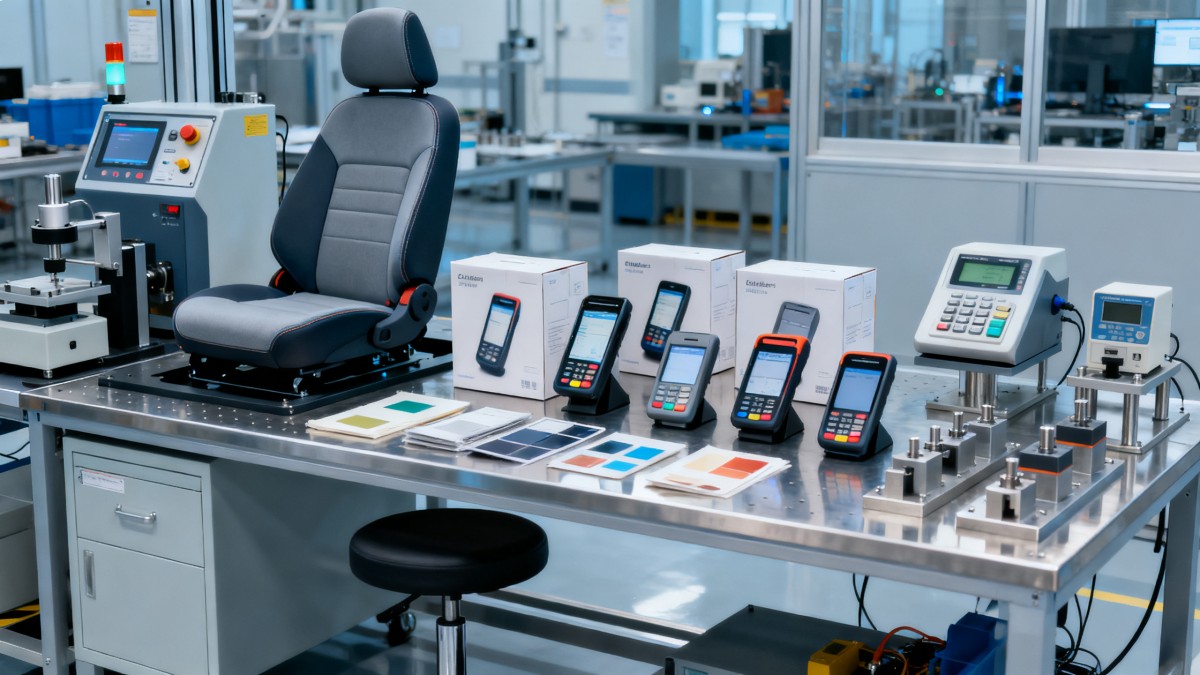
Which products and scenarios benefit most from technical benchmarking standards?
Almost any product can benefit, but the value is highest where performance expectations are high, failure costs are significant, or sourcing complexity is global. Technical assessors usually see the biggest return in five kinds of scenarios.
Commercial furniture and fixtures: Workstations, shelving, seating, display systems, and counters need structural endurance, ergonomic consistency, surface durability, and installation compatibility. Benchmarking prevents visual approval from replacing real engineering validation.
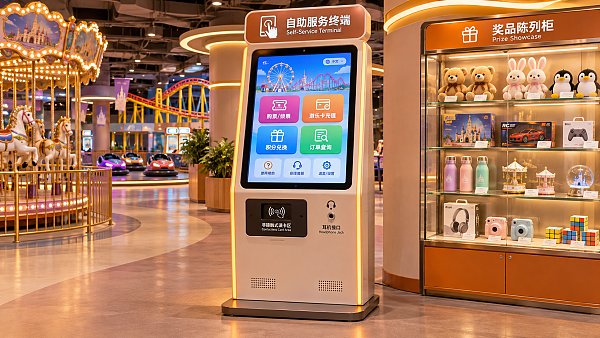
Smart retail technology: POS terminals, kiosks, scanners, displays, and connected sensors require performance testing across hardware, software, thermal stability, interface response, and long-cycle usage. Here, technical benchmarking standards help align IT expectations with retail reality.
Consumer goods supply chains: Products that move across geographies need packaging reliability, transit resistance, material consistency, and regulatory alignment. A benchmark reduces the gap between factory output and market performance.
Commercial lighting and signage: Luminous output, color consistency, power efficiency, ingress protection, thermal behavior, and mounting safety should be benchmarked to avoid both compliance issues and degraded customer experience.
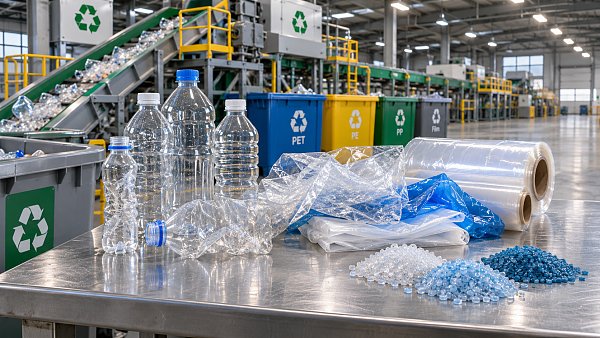
Sustainable packaging: Many companies switch materials for sustainability reasons but underestimate performance tradeoffs. Benchmarking ensures recycled, bio-based, or lightweight materials still protect product quality and brand presentation.
In short, the more a product must balance technical performance, safety, aesthetics, and operational continuity, the more essential technical benchmarking standards become.
What should technical assessors look at when choosing benchmarking criteria?
Choosing the right benchmark is not about using the most famous standard. It is about selecting criteria that fit the product, market, use case, and risk profile. Technical assessors should usually review the following questions before finalizing a testing framework.
The best technical benchmarking standards balance external authority and internal business reality. A recognized certification may cover legal or safety requirements, while a company-specific benchmark may address assembly time, visual acceptance, packaging efficiency, or digital integration needs that public standards do not fully cover.
What is the difference between compliance testing and technical benchmarking standards?
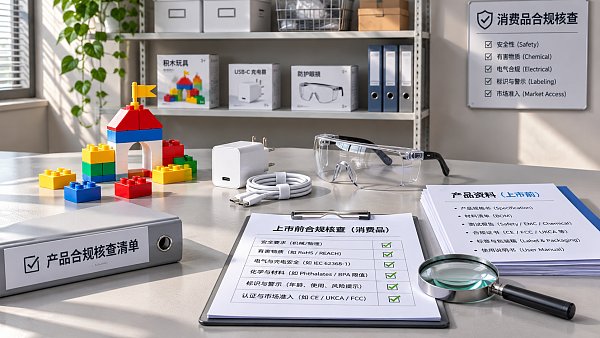
This is one of the most common misunderstandings. Compliance testing asks whether a product meets minimum legal, regulatory, or industry requirements. Technical benchmarking standards ask a broader question: how well does this product perform compared with expected operational, commercial, and experiential targets?
A product can be compliant and still be a poor fit. For example, a retail light fixture may pass electrical safety requirements but still deliver inconsistent color temperature across a chain rollout. A packaging solution may meet material declarations yet perform poorly in stacking tests. A chair may satisfy baseline safety criteria but still fail long-term comfort or finish durability expectations in a premium office environment.
For technical assessors, compliance is the floor, not the ceiling. Technical benchmarking standards extend evaluation into comparative quality, operational suitability, user experience, life-cycle cost, and brand alignment. In sourcing decisions, this distinction matters because the lowest-risk product is not always the one with the most certificates; it is usually the one that proves stable performance under the most relevant benchmark conditions.
What common mistakes make benchmarking less effective?
Even strong teams can weaken product testing if the benchmark is poorly designed or poorly applied. Several mistakes appear frequently across integrated commercial and consumer supply chains.
Using generic standards without adapting them to the application: A standard may be technically valid yet insufficient for a high-touch retail environment, frequent transport condition, or premium finish requirement.
Testing ideal samples only: Engineering samples often perform better than production batches. Reliable technical benchmarking standards should include production-representative samples and, when possible, repeated batch checks.
Ignoring user interaction: Products are not used by laboratories; they are used by store staff, customers, installers, and logistics teams. Benchmarks should reflect contact frequency, misuse risk, maintenance patterns, and installation variability.
Focusing only on pass-fail outcomes: Technical assessors gain more value when they track performance ranges, degradation patterns, and comparative gaps between suppliers, not just whether a sample passed once.
Separating testing from sourcing decisions: When benchmark data stays isolated within quality teams, organizations miss strategic insight. Product testing should inform supplier qualification, specification updates, maintenance planning, and total-cost decisions.
Avoiding these errors makes technical benchmarking standards far more useful as decision tools rather than administrative requirements.
How can companies build a more practical benchmarking framework across global supply chains?
A practical framework starts by mapping product risk, operational importance, and market requirements. Technical assessors should identify which product attributes are critical to safety, business continuity, user experience, and brand perception. Those priorities then guide which technical benchmarking standards should be mandatory, enhanced, or optional.
Next, organizations should combine three layers of evaluation. The first is mandatory compliance, including applicable international and local standards. The second is comparative performance benchmarking across suppliers, materials, or configurations. The third is scenario-based validation, where products are tested under conditions that mirror installation, transport, repetitive use, or environmental exposure.
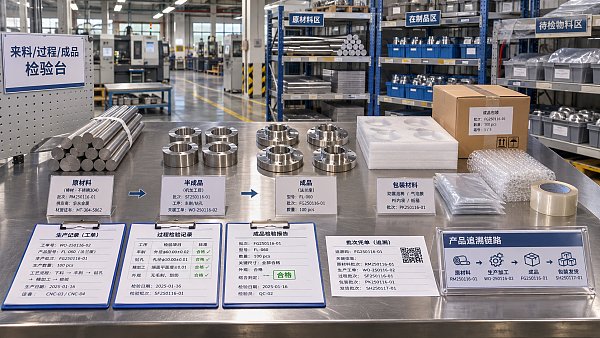
Documentation quality is equally important. A benchmark should record test method, equipment, acceptance criteria, revision history, sample identity, and deviation notes. This allows future sourcing teams to compare results over time rather than restarting the evaluation logic for every project.
For cross-border procurement, technical assessors should also confirm unit conventions, tolerance interpretations, labeling rules, and certification recognition. Small specification gaps can create major misunderstandings when products move from Asian manufacturing systems to European or North American commercial environments.
Platforms like G-BCE add value by turning isolated test data into a broader intelligence resource. When benchmark results are connected across furniture, retail technology, lighting, packaging, and consumer goods systems, organizations can detect recurring supplier strengths, material risks, and design tradeoffs much earlier.
Before selecting a supplier or test plan, what questions should technical assessors ask first?
Before moving into detailed testing, it helps to confirm a short list of decision-driving questions:
- Which technical benchmarking standards are mandatory for the target market, and which are performance-driven internal requirements?
- What are the most critical failure modes in actual use: structural fatigue, electrical instability, surface wear, environmental exposure, or packaging breakdown?
- Are the tested samples production-representative, and is there evidence of consistent manufacturing control?
- Does the test plan reflect field conditions such as transport, assembly, repeated customer contact, and maintenance cycles?
- How will benchmark results be used in supplier approval, specification refinement, and life-cycle cost analysis?
These questions help technical assessors avoid narrow evaluations and create testing programs that truly support sourcing quality, operational resilience, and product experience.
Final takeaway: why do technical benchmarking standards deserve strategic attention?
Technical benchmarking standards are not just testing tools; they are strategic controls for product quality, supplier transparency, and commercial reliability. They reduce ambiguity, improve comparison across vendors, and turn scattered test activity into evidence-based decision-making. In sectors where safety, functionality, aesthetics, and sustainability intersect, reliable benchmarks help teams choose products that work not only in the lab, but across stores, workplaces, logistics networks, and consumer touchpoints.
If you need to confirm a more specific evaluation plan, sourcing direction, benchmark scope, project timeline, or cooperation model, the best next step is to clarify the intended market, product category, expected use conditions, required certifications, and the performance risks you cannot afford to miss. Those answers will shape the most effective technical benchmarking standards for your testing program.
- commercial furniture
- smart retail
- POS terminals
- supply chain
- consumer goods
- commercial lighting
- signage
- sustainable packaging
- retail technology
- commercial spaces
- commercial environments
- technical benchmarking
- consumer supply
- consumer goods supply chain
- smart retail technology
- technical benchmarking standards
News Recommendations
 Which consumer goods need CE marking in Europe?
![51a6ab95581761cc26f4318be6520c15]()
Aris Katos
Future of Carbide Coatings
 Uniguest and Extreme Networks Partner to Simplify Digital Signage Deployment
![51a6ab95581761cc26f4318be6520c15]()
Aris Katos
Future of Carbide Coatings
 How to assess electronics compliance whitepapers for regulatory accuracy
![51a6ab95581761cc26f4318be6520c15]()
Aris Katos
Future of Carbide Coatings
 Packaging Data Hub Launches With Plastic Recycling Findings for 50 Countries
![51a6ab95581761cc26f4318be6520c15]()
Aris Katos
Future of Carbide Coatings
 How to verify an ergonomic office chair supplier's warranty terms
![51a6ab95581761cc26f4318be6520c15]()
Aris Katos
Future of Carbide Coatings
 Curion Survey: 64% Value Sustainable Beauty Packaging, but Quality Comes First
![51a6ab95581761cc26f4318be6520c15]()
Aris Katos
Future of Carbide Coatings
 Can minimalist fit out solutions make a small office feel larger?
![51a6ab95581761cc26f4318be6520c15]()
Aris Katos
Future of Carbide Coatings
 Kiosk Industry Releases IAAPA 2026 Self-Service Guide
![51a6ab95581761cc26f4318be6520c15]()
Aris Katos
Future of Carbide Coatings
 How to improve global supply chain visibility beyond tier-one suppliers
![51a6ab95581761cc26f4318be6520c15]()
Aris Katos
Future of Carbide Coatings
 Austria’s MM Group to Sell 70% of Packaging Business to KPS for $2.7 Billion
![51a6ab95581761cc26f4318be6520c15]()
Aris Katos
Future of Carbide Coatings
 How to assess delivery reliability of airport terminal seating suppliers in Europe
![51a6ab95581761cc26f4318be6520c15]()
Aris Katos
Future of Carbide Coatings
 USTR Extends China-Linked Vessel Fee Pause and 178 Product Exemptions to January 2027
![51a6ab95581761cc26f4318be6520c15]()
Aris Katos
Future of Carbide Coatings
 How to choose smart sensors for automated lighting
![51a6ab95581761cc26f4318be6520c15]()
Aris Katos
Future of Carbide Coatings
 Shanghai Retail Buyers Sign Deals at Ninth China International Import Expo
![51a6ab95581761cc26f4318be6520c15]()
Aris Katos
Future of Carbide Coatings
 Which toys are subject to EN 71 toy safety requirements?
![51a6ab95581761cc26f4318be6520c15]()
Aris Katos
Future of Carbide Coatings
 Report: Global Kraft Paper Market Forecast to Reach $20.5 Billion by 2033
![51a6ab95581761cc26f4318be6520c15]()
Aris Katos
Future of Carbide Coatings
 How to verify Zigbee compatibility when sourcing lighting sensors
![51a6ab95581761cc26f4318be6520c15]()
Aris Katos
Future of Carbide Coatings
 How do packaging customization options affect minimum order quantities in Europe?
![51a6ab95581761cc26f4318be6520c15]()
Aris Katos
Future of Carbide Coatings
 Transom to Acquire Cree LED in Commercial Lighting Ownership Change
![51a6ab95581761cc26f4318be6520c15]()
Aris Katos
Future of Carbide Coatings
 How to plan customer flow in commercial design planning
![51a6ab95581761cc26f4318be6520c15]()
Aris Katos
Future of Carbide Coatings
 USTR Urged to Permanently Suspend Fees on China-Linked Ships
![51a6ab95581761cc26f4318be6520c15]()
Aris Katos
Future of Carbide Coatings
 How to choose comparable stores for retail benchmarking
![51a6ab95581761cc26f4318be6520c15]()
Aris Katos
Future of Carbide Coatings
 How does anchoring affect modular building wind load resistance?
![51a6ab95581761cc26f4318be6520c15]()
Aris Katos
Future of Carbide Coatings
 Amazon Raises European FBA Surcharge to 2% in Ten Markets From November 2
![51a6ab95581761cc26f4318be6520c15]()
Aris Katos
Future of Carbide Coatings
 How to verify a BPA-free test report for baby products
![51a6ab95581761cc26f4318be6520c15]()
Aris Katos
Future of Carbide Coatings
 China's Mandatory Classroom Lighting Standard GB 7793-2025 Takes Effect November 1
![51a6ab95581761cc26f4318be6520c15]()
Aris Katos
Future of Carbide Coatings
 How order volume affects the price of wholesale poly mailers
![51a6ab95581761cc26f4318be6520c15]()
Aris Katos
Future of Carbide Coatings
 US Imposes 50% Tariff on Certain Canadian PET Resin Imports
![51a6ab95581761cc26f4318be6520c15]()
Aris Katos
Future of Carbide Coatings
 How to read the maximum ratings in a semiconductor datasheet
![51a6ab95581761cc26f4318be6520c15]()
Aris Katos
Future of Carbide Coatings
 University of Maryland Develops Bio-Based Packaging to Extend Avocado and Cucumber Shelf Life
![51a6ab95581761cc26f4318be6520c15]()
Aris Katos
Future of Carbide Coatings
 How to verify a cookware manufacturer's induction compatibility claims
![51a6ab95581761cc26f4318be6520c15]()
Aris Katos
Future of Carbide Coatings
 Omdia Forecasts 11.6% Annual Growth in LED Display Revenue Through 2030
![51a6ab95581761cc26f4318be6520c15]()
Aris Katos
Future of Carbide Coatings
 How to verify a pulp molding packaging factory's production capacity
![51a6ab95581761cc26f4318be6520c15]()
Aris Katos
Future of Carbide Coatings
 Curion Survey: Half of Consumers Frustrated by Sustainable Packaging
![51a6ab95581761cc26f4318be6520c15]()
Aris Katos
Future of Carbide Coatings
 How to assess the credibility of market insight content
![51a6ab95581761cc26f4318be6520c15]()
Aris Katos
Future of Carbide Coatings
 US Removes 50% Additional Tariff on Selected Canadian Packaging Products
![51a6ab95581761cc26f4318be6520c15]()
Aris Katos
Future of Carbide Coatings
 Will a waterproof dimmable LED driver work with your existing dimmer?
![51a6ab95581761cc26f4318be6520c15]()
Aris Katos
Future of Carbide Coatings
 Charter Next Generation Raises Film PCR Use 30%, Advances Food-Grade Applications
![51a6ab95581761cc26f4318be6520c15]()
Aris Katos
Future of Carbide Coatings
 How to choose a dog harness and leash for a dog that pulls hard
![51a6ab95581761cc26f4318be6520c15]()
Aris Katos
Future of Carbide Coatings