How to Vet a Custom Gift Box Factory for Low-MOQ Orders
Time
Click Count
Finding the right custom gift box factory for low-MOQ orders can be challenging for procurement teams balancing cost, quality, and delivery reliability. This guide helps buyers evaluate suppliers with a sharper focus on production capability, material standards, communication efficiency, and flexibility—so you can reduce sourcing risk and secure packaging partners that support both brand presentation and scalable growth.
Why low-MOQ sourcing requires a different way to vet a custom gift box factory
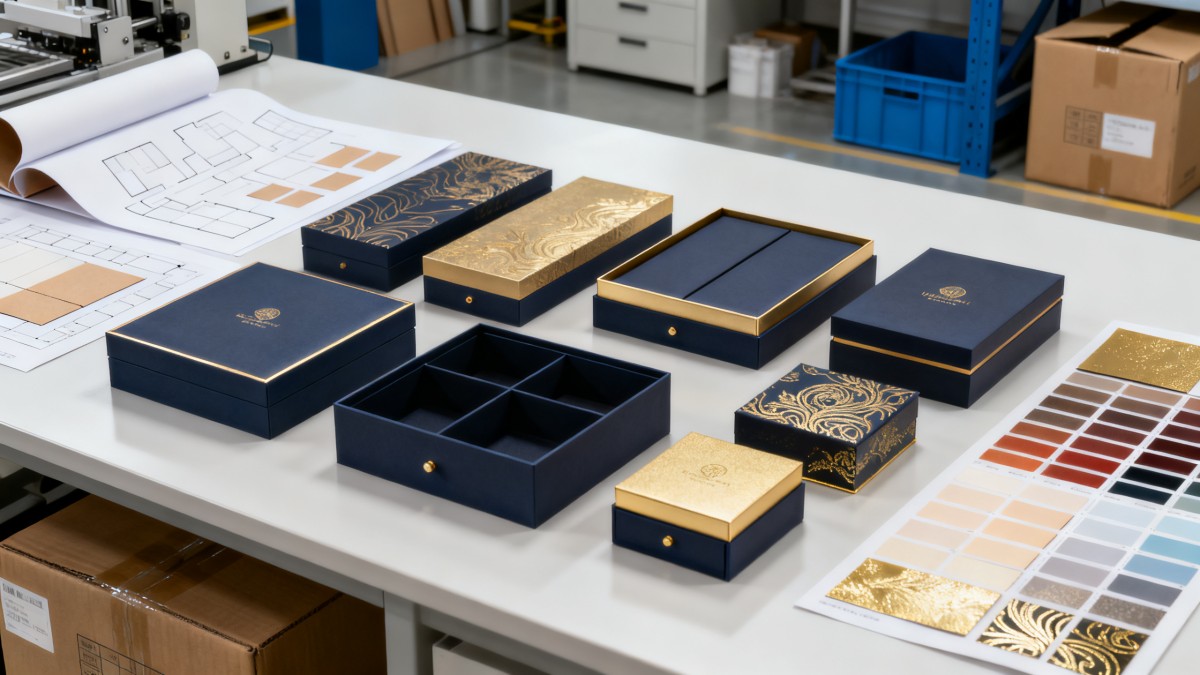
A low minimum order quantity sounds buyer-friendly, but in practice it changes the supplier risk profile. Many procurement teams assume a custom gift box factory that accepts small runs will also manage color consistency, structural precision, and delivery discipline. That is not always true. A factory may welcome low-volume projects simply to keep machines loaded, while its process control remains better suited to larger, less customized jobs.
For sourcing managers in retail, premium consumer goods, seasonal promotions, and pilot product launches, low-MOQ packaging often supports testing before scale. That means the real buying question is not only price per unit. It is whether the supplier can move from prototype to repeatable production without introducing delays, material substitutions, or avoidable rework.
This is where a structured evaluation model matters. G-BCE focuses on cross-sector transparency in commercial supply chains and sustainable packaging, helping buyers compare Asian manufacturing execution against the aesthetic and operational standards expected in global markets. For procurement teams, that perspective is useful because custom box sourcing affects more than packaging cost. It influences shelf presentation, consumer perception, logistics efficiency, and replenishment reliability.
- Low-MOQ projects usually carry higher unit costs, so waste, remake rates, and freight mistakes have a larger impact on total landed cost.
- Custom structures often involve more manual work, making factory discipline and communication speed more important than headline capacity alone.
- Brand-sensitive packaging requires visual consistency across small batches, especially for luxury, gifting, beauty, and corporate campaign applications.
What procurement teams should check first when screening a custom gift box factory
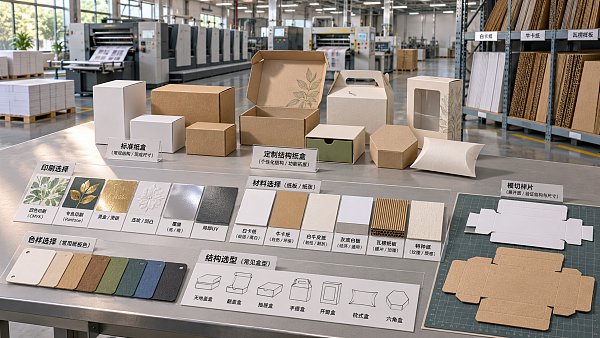
Before discussing price, buyers should confirm whether the supplier actually matches the intended order pattern. Some factories are optimized for folding cartons, some for rigid boxes, and others for display packaging or e-commerce mailers. A custom gift box factory that performs well on a jewelry box may not be efficient for magnetic closure sets, drawer boxes, or insert-heavy promotional kits.
The table below gives procurement teams a practical first-pass screening model for low-MOQ supplier evaluation. It is designed for buyers who need to compare factories quickly without skipping critical technical and service factors.
A supplier that scores well across these basics is more likely to support repeat business. A supplier that only offers a low quote may still create hidden cost through slow approvals, inconsistent inserts, or damaged shipments.
Ask for evidence, not only promises
Procurement teams should request recent sample photos, dieline review capability, finish recommendations, and packaging method details for export. If a custom gift box factory cannot explain how it protects corners, prevents scuffing, or controls glue marks, the risk is already visible before a purchase order is issued.
- Request a white sample before color approval if the structure is new or has multiple inserts.
- Confirm whether tooling, molds, or print plates are charged separately for small-volume orders.
- Ask how the factory handles specification changes after sample sign-off.
How to compare factory capability, flexibility, and total cost
Low-MOQ buying decisions often fail because teams compare only unit price. In custom packaging, setup, manual labor intensity, finishing complexity, and freight density all affect total cost. A custom gift box factory with a slightly higher quote may still be the better option if it minimizes defects, shortens development cycles, and provides stronger packing protection.
The comparison below helps buyers evaluate suppliers beyond the first quotation and identify where higher risk often hides.
The most reliable custom gift box factory is rarely the one that says yes to everything. It is usually the one that explains trade-offs clearly, flags risk early, and proposes workable alternatives for material, finish, or assembly.
Look at total landed value, not just ex-works price
Premium gift boxes can be freight-inefficient, especially rigid designs with low flat-pack potential. Buyers should compare pallet density, carton dimensions, and protective packing methods. In some cases, a collapsible magnetic box or a refined folding carton can reduce logistics cost enough to outweigh a modest difference in production price.
Material standards, sustainability, and compliance questions buyers should not skip
In global packaging programs, materials and compliance have become procurement priorities rather than afterthoughts. Retailers, commercial developers, and premium brands increasingly need packaging that aligns with sustainability targets, product safety expectations, and regional labeling rules. A capable custom gift box factory should be able to discuss substrate options, coating implications, and supply chain traceability in practical terms.
G-BCE’s emphasis on technical benchmarking is relevant here. Packaging decisions are not isolated from the wider commercial environment. Material selection affects store presentation, consumer handling, shipping durability, and disposal expectations. Buyers should therefore evaluate not just aesthetics, but also recoverability, recyclability, and fit-for-purpose construction.
- Ask whether the paperboard and wrapping paper specifications can be documented consistently across repeat orders.
- Confirm whether recycled-content options are available and whether they affect print quality, edge finish, or rigidity.
- Check if inks, adhesives, and laminations are selected with the destination market’s compliance expectations in mind.
- Verify whether the factory can support packaging designs that reduce void space and unnecessary mixed-material complexity.
Common standards and practical relevance
Not every gift box project requires the same documentation, but procurement teams should still ask targeted questions. For example, if packaging will be used in regulated retail environments or for premium exports, it is reasonable to ask about material declarations, transit packaging practices, and consistency with broader international expectations. Where projects intersect with furniture, electronics, or commercial fit-out programs, buyers often operate within ecosystems that already reference standards such as UL, CE, or BIFMA for adjacent components. While those standards do not directly certify gift boxes, they reflect a procurement culture that values traceability, specification discipline, and documented performance.
Which custom gift box factory is right for different procurement scenarios?
The best supplier profile depends on your use case. A pilot launch for a beauty line needs fast revisions and finish quality. A corporate gifting program may need insert flexibility and multi-SKU coordination. A chain retail campaign may care more about replenishment reliability and scalable repeat production. The table below maps common buying scenarios to suitable factory characteristics.
This scenario-based view helps procurement teams avoid a common mistake: selecting a supplier with excellent presentation samples but weak operational fit for the actual program.
A practical shortlisting process
- Define the box structure, finish requirements, target MOQ, and delivery window before requesting quotes.
- Shortlist suppliers by actual specialization, not by the broadest product catalog.
- Review sample responsiveness and how clearly the factory identifies technical risks.
- Compare landed cost, packing method, and remake exposure instead of price only.
- Run a first order small enough to test service quality but large enough to reveal process stability.
Common mistakes when vetting a custom gift box factory for small orders
Even experienced buyers can misread supplier signals when timelines are tight. Small packaging orders often move under marketing pressure, and procurement teams may accept vague answers just to keep a launch on schedule. That creates problems later in proofing, assembly, or shipment inspection.
- Assuming a low MOQ means the factory is naturally agile. Some suppliers accept small orders but place them behind larger jobs in production.
- Approving color and finish from digital images alone. For premium packaging, physical sample review remains important.
- Ignoring insert fit testing. A beautiful box loses value if products shift, scratch, or sit unevenly inside.
- Skipping outer carton review. Damage in export transit can erase savings gained at the factory quote stage.
- Failing to document revision history. Small changes in magnet position, ribbon length, or board thickness can affect final assembly quality.
FAQ: procurement questions about choosing a custom gift box factory
How low is a realistic MOQ for a custom gift box factory?
It depends on structure, print process, and finishing complexity. Simple folding cartons may support lower entry volumes than rigid boxes with foil stamping, magnets, or custom inserts. Buyers should not chase the smallest possible MOQ without asking how setup cost, sampling charges, and packing efficiency will change the final economics.
What is more important for small orders: price or responsiveness?
Responsiveness often has a bigger impact than a minor unit price difference. In low-volume projects, delays from artwork confusion, sample rework, or poor export packing can quickly outweigh a cheaper quote. A custom gift box factory that communicates clearly usually reduces hidden cost.
How can procurement teams verify quality without visiting the factory?
Remote vetting should include white samples, final pre-production samples, detailed packing photos, and specification sheets covering materials, dimensions, finishes, and outer carton details. Buyers can also ask for process checkpoints during production, especially for color approval, insert fit, and final packing.
Are sustainable options practical for low-MOQ custom gift box orders?
Yes, but trade-offs should be discussed early. Recycled-content boards, reduced plastic components, and simplified material combinations can be practical even at small volumes. The key is to confirm whether sustainability choices affect color output, structural strength, finishing quality, or lead time.
Why work with G-BCE when evaluating a custom gift box factory
G-BCE supports procurement teams that need more than a supplier list. Our value lies in connecting packaging sourcing decisions to wider commercial performance: brand presentation, material strategy, technical benchmarking, and cross-border supply chain resilience. That is especially useful when buyers need to assess a custom gift box factory within a larger retail, consumer goods, or commercial rollout program.
Because our platform bridges Asian manufacturing precision with global commercial expectations, we help sourcing professionals ask sharper questions and compare suppliers on factors that directly affect outcomes. That includes structural suitability, material options, quality risk, packaging efficiency, and alignment with sustainability and specification goals.
- We can help you refine supplier evaluation criteria for low-MOQ gift box sourcing.
- We can support discussions around material options, packaging structure, and cost-performance trade-offs.
- We can help clarify lead time expectations, sample planning, and repeat-order consistency checkpoints.
- We can align packaging decisions with broader commercial fit-out, retail presentation, and supply chain objectives.
If you are currently vetting a custom gift box factory, contact us to discuss specification review, supplier shortlisting logic, sample strategy, packaging alternatives, delivery timing, sustainability considerations, and quotation comparison. A better sourcing outcome usually starts with better questions, and that is where structured technical guidance makes the biggest difference.
News Recommendations
 How to verify Zigbee compatibility when sourcing lighting sensors
![51a6ab95581761cc26f4318be6520c15]()
Aris Katos
Future of Carbide Coatings
 How do packaging customization options affect minimum order quantities in Europe?
![51a6ab95581761cc26f4318be6520c15]()
Aris Katos
Future of Carbide Coatings
 Transom to Acquire Cree LED in Commercial Lighting Ownership Change
![51a6ab95581761cc26f4318be6520c15]()
Aris Katos
Future of Carbide Coatings
 How to plan customer flow in commercial design planning
![51a6ab95581761cc26f4318be6520c15]()
Aris Katos
Future of Carbide Coatings
 USTR Urged to Permanently Suspend Fees on China-Linked Ships
![51a6ab95581761cc26f4318be6520c15]()
Aris Katos
Future of Carbide Coatings
 How to choose comparable stores for retail benchmarking
![51a6ab95581761cc26f4318be6520c15]()
Aris Katos
Future of Carbide Coatings
 How does anchoring affect modular building wind load resistance?
![51a6ab95581761cc26f4318be6520c15]()
Aris Katos
Future of Carbide Coatings
 Amazon Raises European FBA Surcharge to 2% in Ten Markets From November 2
![51a6ab95581761cc26f4318be6520c15]()
Aris Katos
Future of Carbide Coatings
 How to verify a BPA-free test report for baby products
![51a6ab95581761cc26f4318be6520c15]()
Aris Katos
Future of Carbide Coatings
 China's Mandatory Classroom Lighting Standard GB 7793-2025 Takes Effect November 1
![51a6ab95581761cc26f4318be6520c15]()
Aris Katos
Future of Carbide Coatings
 How order volume affects the price of wholesale poly mailers
![51a6ab95581761cc26f4318be6520c15]()
Aris Katos
Future of Carbide Coatings
 US Imposes 50% Tariff on Certain Canadian PET Resin Imports
![51a6ab95581761cc26f4318be6520c15]()
Aris Katos
Future of Carbide Coatings
 How to read the maximum ratings in a semiconductor datasheet
![51a6ab95581761cc26f4318be6520c15]()
Aris Katos
Future of Carbide Coatings
 University of Maryland Develops Bio-Based Packaging to Extend Avocado and Cucumber Shelf Life
![51a6ab95581761cc26f4318be6520c15]()
Aris Katos
Future of Carbide Coatings
 How to verify a cookware manufacturer's induction compatibility claims
![51a6ab95581761cc26f4318be6520c15]()
Aris Katos
Future of Carbide Coatings
 Omdia Forecasts 11.6% Annual Growth in LED Display Revenue Through 2030
![51a6ab95581761cc26f4318be6520c15]()
Aris Katos
Future of Carbide Coatings
 How to verify a pulp molding packaging factory's production capacity
![51a6ab95581761cc26f4318be6520c15]()
Aris Katos
Future of Carbide Coatings
 Curion Survey: Half of Consumers Frustrated by Sustainable Packaging
![51a6ab95581761cc26f4318be6520c15]()
Aris Katos
Future of Carbide Coatings
 How to assess the credibility of market insight content
![51a6ab95581761cc26f4318be6520c15]()
Aris Katos
Future of Carbide Coatings
 US Removes 50% Additional Tariff on Selected Canadian Packaging Products
![51a6ab95581761cc26f4318be6520c15]()
Aris Katos
Future of Carbide Coatings
 Will a waterproof dimmable LED driver work with your existing dimmer?
![51a6ab95581761cc26f4318be6520c15]()
Aris Katos
Future of Carbide Coatings
 Charter Next Generation Raises Film PCR Use 30%, Advances Food-Grade Applications
![51a6ab95581761cc26f4318be6520c15]()
Aris Katos
Future of Carbide Coatings
 How to choose a dog harness and leash for a dog that pulls hard
![51a6ab95581761cc26f4318be6520c15]()
Aris Katos
Future of Carbide Coatings
 How to respect local customs when negotiating with overseas suppliers
![51a6ab95581761cc26f4318be6520c15]()
Aris Katos
Future of Carbide Coatings
 RFID Recycling Challenges Bring Paper-Based and Chipless Tags Into Focus
![51a6ab95581761cc26f4318be6520c15]()
Aris Katos
Future of Carbide Coatings
 How to choose commercial lighting for offices that reduces glare
![51a6ab95581761cc26f4318be6520c15]()
Aris Katos
Future of Carbide Coatings
 Queue Launches Fully Automated Robotic Pharmacy Kiosk for 30-Second Dispensing
![51a6ab95581761cc26f4318be6520c15]()
Aris Katos
Future of Carbide Coatings
 Can your supermarket store fixtures supplier meet your opening date?
![51a6ab95581761cc26f4318be6520c15]()
Aris Katos
Future of Carbide Coatings
 Shopify POS UI Extensions 2026-10 Adds Virtual Lists and Custom Row Templates
![51a6ab95581761cc26f4318be6520c15]()
Aris Katos
Future of Carbide Coatings
 How to assess smart office furniture suppliers’ North American support
![51a6ab95581761cc26f4318be6520c15]()
Aris Katos
Future of Carbide Coatings
 Aqara Launches Smart Lighting Range to Advance AI Spatial Intelligence
![51a6ab95581761cc26f4318be6520c15]()
Aris Katos
Future of Carbide Coatings
 How to assess demand forecasts in a lighting intelligence report
![51a6ab95581761cc26f4318be6520c15]()
Aris Katos
Future of Carbide Coatings
 Billerud推出PharmaKraft纤维基医药包装材料
![51a6ab95581761cc26f4318be6520c15]()
Aris Katos
Future of Carbide Coatings
 How to assess supplier reliability in global supply chain sourcing
![51a6ab95581761cc26f4318be6520c15]()
Aris Katos
Future of Carbide Coatings
 Omdia Forecasts 11.6% CAGR for Global LED Video Display Market in 2026–2030
![51a6ab95581761cc26f4318be6520c15]()
Aris Katos
Future of Carbide Coatings
 How to verify an LFGB testing laboratory's accreditation scope
![51a6ab95581761cc26f4318be6520c15]()
Aris Katos
Future of Carbide Coatings
 How to assess a workplace interior supplier's installation scope
![51a6ab95581761cc26f4318be6520c15]()
Aris Katos
Future of Carbide Coatings
 What records are needed for an ISO 9001 furniture factory audit?
![51a6ab95581761cc26f4318be6520c15]()
Aris Katos
Future of Carbide Coatings
 How to choose AI marketing tools that work with your existing CRM
![51a6ab95581761cc26f4318be6520c15]()
Aris Katos
Future of Carbide Coatings