
Fixture Based Store Design: Cost, Flow, and Flexibility
Time
Click Count
Fixture Based Store Design: Cost, Flow, and Flexibility
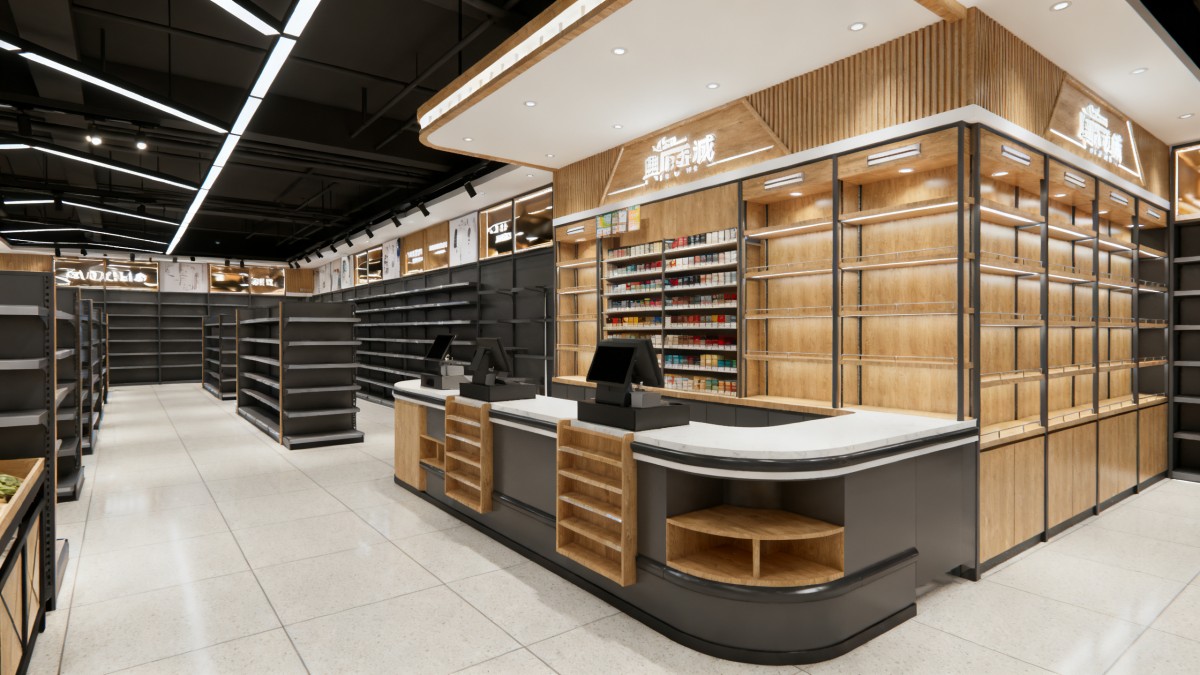
Fixture based store design shapes more than appearance. It directly affects budget control, traffic flow, installation speed, and future change management.
In real projects, fixture decisions often lock in cost long before final merchandising starts. That is why early planning matters more than many teams expect.
A strong fixture based store design also supports operational consistency across multiple sites. It helps stores open faster and stay easier to maintain.
For teams working across regions, the challenge is rarely just visual alignment. The real task is balancing construction standards, product density, shopper movement, and lifecycle flexibility.
This is where data-led planning becomes practical. G-BCE tracks fixture performance, material benchmarks, and retail hardware standards that shape reliable commercial environments.
From recent market shifts, one signal is clear. Retail spaces now need fixture systems that can serve both present operations and future format changes.
Why Fixture Based Store Design Drives Project Outcomes
A fixture based store design determines how shelves, display walls, counters, and service points work together. That framework influences labor, materials, routing, and store uptime.
When fixture logic is weak, downstream problems appear fast. Teams face field adjustments, MEP conflicts, delivery delays, and inconsistent installation quality.
A well-structured fixture based store design reduces those risks by standardizing dimensions, connection points, and material expectations before procurement starts.
It also creates a common language between design, sourcing, and construction teams. That improves approvals and shortens the decision cycle.
- Lower redesign costs during fit-out
- Clearer control of display density and circulation
- Faster rollout for chain expansion programs
- Better alignment with UL, CE, and BIFMA expectations
That combination is especially valuable when stores must integrate lighting, signage, digital hardware, and stock access within a limited footprint.
Cost Control Starts with the Fixture System
Many budgets drift because fixture planning begins too late. By then, layout changes trigger material waste, custom fabrication, and rushed coordination.
A practical fixture based store design controls cost by defining repeatable modules. Standard bays, shared hardware, and unified finishes reduce complexity across the package.
This does not mean every store must look identical. It means the system should repeat where repetition creates savings.
The biggest savings usually come from four areas:
- Material rationalization across fixture families
- Simplified manufacturing and packing methods
- Reduced site installation time
- Lower maintenance and replacement cost
In actual delivery, modularity also improves freight efficiency. Knock-down structures, protected finish strategies, and repeatable fasteners help prevent expensive site damage.
G-BCE benchmarking shows that commercial fixture value should never be judged by unit price alone. Total installed cost is the more useful metric.
Flow Planning Makes the Store Perform Better
Cost matters, but circulation quality determines how the store actually works. Fixture based store design sets the rhythm of customer movement and staff access.
Poor fixture placement often creates blind spots, choke points, and visual noise. Those issues weaken both product discovery and operational efficiency.
A stronger approach starts with traffic logic. Entry compression, focal displays, category sequencing, and checkout visibility should all connect to fixture dimensions.
This is especially important in mixed-format stores. One area may need premium storytelling, while another must support high-volume replenishment.
Useful planning questions include:
- Can shoppers scan key categories within seconds of entry?
- Do service staff have clean access for restocking?
- Are aisle widths matched to real traffic volume?
- Do fixtures support sightlines to signage and digital touchpoints?
In practice, good flow is less about adding more displays. It is about using fixture based store design to guide movement without creating friction.
Flexibility Is Now a Core Requirement
Retail formats change faster than they used to. Seasonal campaigns, new categories, and omnichannel services all put pressure on fixed layouts.
That means fixture based store design must support adaptation, not just first-day appearance. Flexibility now belongs in the base specification.
Adjustable shelves, replaceable graphics, integrated cable routes, and movable merchandising accessories extend the useful life of the store.
The same thinking applies to sustainable material strategy. Durable surfaces and recyclable components reduce long-term waste while protecting brand standards.
A flexible fixture based store design usually includes three layers:
- Stable structural modules
- Interchangeable display components
- Technology-ready integration points
This layered method helps teams update the selling environment without reopening the entire construction package each time business needs shift.
How to Evaluate a Fixture Strategy Before Rollout
Before approving production, it helps to test fixture based store design against a practical review checklist. That keeps decisions tied to performance, not only appearance.
Start with dimensional discipline. Module widths, heights, load capacity, and interface points should be frozen early and reviewed across all departments.
Next, check compliance alignment. Materials, finishes, electrical integration, and ergonomic use should reflect the target market and relevant commercial standards.
Then move to installation logic. If the fixture system cannot be packed, carried, assembled, and serviced efficiently, rollout cost will rise quickly.
- Review prototype stability and finish durability
- Validate cable paths for POS and display devices
- Confirm part numbering and spare component planning
- Test fixture changes under real merchandising loads
- Measure installation time with actual field crews
This review stage is where many hidden risks become visible. It also creates cleaner procurement conversations with manufacturers and commercial fit-out partners.
A Practical Path Forward
The strongest fixture based store design is rarely the most complex one. It is the system that supports cost discipline, efficient flow, and controlled future change.
For commercial teams, that means linking fixture strategy to rollout speed, supply chain resilience, and daily operating performance from the start.
G-BCE supports this process by connecting fixture benchmarks, material intelligence, and international compliance perspectives across the commercial environment.
When the next store program begins, treat fixture based store design as a project system, not a decorative layer. That shift usually leads to better decisions early, when they matter most.
A clear fixture framework gives every later step more stability. It keeps the build practical, the store easier to operate, and the format ready for what comes next.
News Recommendations
 How do packaging customization options affect minimum order quantities in Europe?
![51a6ab95581761cc26f4318be6520c15]()
Aris Katos
Future of Carbide Coatings
 Transom to Acquire Cree LED in Commercial Lighting Ownership Change
![51a6ab95581761cc26f4318be6520c15]()
Aris Katos
Future of Carbide Coatings
 How to plan customer flow in commercial design planning
![51a6ab95581761cc26f4318be6520c15]()
Aris Katos
Future of Carbide Coatings
 USTR Urged to Permanently Suspend Fees on China-Linked Ships
![51a6ab95581761cc26f4318be6520c15]()
Aris Katos
Future of Carbide Coatings
 How to choose comparable stores for retail benchmarking
![51a6ab95581761cc26f4318be6520c15]()
Aris Katos
Future of Carbide Coatings
 How does anchoring affect modular building wind load resistance?
![51a6ab95581761cc26f4318be6520c15]()
Aris Katos
Future of Carbide Coatings
 Amazon Raises European FBA Surcharge to 2% in Ten Markets From November 2
![51a6ab95581761cc26f4318be6520c15]()
Aris Katos
Future of Carbide Coatings
 How to verify a BPA-free test report for baby products
![51a6ab95581761cc26f4318be6520c15]()
Aris Katos
Future of Carbide Coatings
 China's Mandatory Classroom Lighting Standard GB 7793-2025 Takes Effect November 1
![51a6ab95581761cc26f4318be6520c15]()
Aris Katos
Future of Carbide Coatings
 How order volume affects the price of wholesale poly mailers
![51a6ab95581761cc26f4318be6520c15]()
Aris Katos
Future of Carbide Coatings
 US Imposes 50% Tariff on Certain Canadian PET Resin Imports
![51a6ab95581761cc26f4318be6520c15]()
Aris Katos
Future of Carbide Coatings
 How to read the maximum ratings in a semiconductor datasheet
![51a6ab95581761cc26f4318be6520c15]()
Aris Katos
Future of Carbide Coatings
 University of Maryland Develops Bio-Based Packaging to Extend Avocado and Cucumber Shelf Life
![51a6ab95581761cc26f4318be6520c15]()
Aris Katos
Future of Carbide Coatings
 How to verify a cookware manufacturer's induction compatibility claims
![51a6ab95581761cc26f4318be6520c15]()
Aris Katos
Future of Carbide Coatings
 Omdia Forecasts 11.6% Annual Growth in LED Display Revenue Through 2030
![51a6ab95581761cc26f4318be6520c15]()
Aris Katos
Future of Carbide Coatings
 How to verify a pulp molding packaging factory's production capacity
![51a6ab95581761cc26f4318be6520c15]()
Aris Katos
Future of Carbide Coatings
 Curion Survey: Half of Consumers Frustrated by Sustainable Packaging
![51a6ab95581761cc26f4318be6520c15]()
Aris Katos
Future of Carbide Coatings
 How to assess the credibility of market insight content
![51a6ab95581761cc26f4318be6520c15]()
Aris Katos
Future of Carbide Coatings
 US Removes 50% Additional Tariff on Selected Canadian Packaging Products
![51a6ab95581761cc26f4318be6520c15]()
Aris Katos
Future of Carbide Coatings
 Will a waterproof dimmable LED driver work with your existing dimmer?
![51a6ab95581761cc26f4318be6520c15]()
Aris Katos
Future of Carbide Coatings
 Charter Next Generation Raises Film PCR Use 30%, Advances Food-Grade Applications
![51a6ab95581761cc26f4318be6520c15]()
Aris Katos
Future of Carbide Coatings
 How to choose a dog harness and leash for a dog that pulls hard
![51a6ab95581761cc26f4318be6520c15]()
Aris Katos
Future of Carbide Coatings
 How to respect local customs when negotiating with overseas suppliers
![51a6ab95581761cc26f4318be6520c15]()
Aris Katos
Future of Carbide Coatings
 RFID Recycling Challenges Bring Paper-Based and Chipless Tags Into Focus
![51a6ab95581761cc26f4318be6520c15]()
Aris Katos
Future of Carbide Coatings
 How to choose commercial lighting for offices that reduces glare
![51a6ab95581761cc26f4318be6520c15]()
Aris Katos
Future of Carbide Coatings
 Queue Launches Fully Automated Robotic Pharmacy Kiosk for 30-Second Dispensing
![51a6ab95581761cc26f4318be6520c15]()
Aris Katos
Future of Carbide Coatings
 Can your supermarket store fixtures supplier meet your opening date?
![51a6ab95581761cc26f4318be6520c15]()
Aris Katos
Future of Carbide Coatings
 Shopify POS UI Extensions 2026-10 Adds Virtual Lists and Custom Row Templates
![51a6ab95581761cc26f4318be6520c15]()
Aris Katos
Future of Carbide Coatings
 How to assess smart office furniture suppliers’ North American support
![51a6ab95581761cc26f4318be6520c15]()
Aris Katos
Future of Carbide Coatings
 Aqara Launches Smart Lighting Range to Advance AI Spatial Intelligence
![51a6ab95581761cc26f4318be6520c15]()
Aris Katos
Future of Carbide Coatings
 How to assess demand forecasts in a lighting intelligence report
![51a6ab95581761cc26f4318be6520c15]()
Aris Katos
Future of Carbide Coatings
 Billerud推出PharmaKraft纤维基医药包装材料
![51a6ab95581761cc26f4318be6520c15]()
Aris Katos
Future of Carbide Coatings
 How to assess supplier reliability in global supply chain sourcing
![51a6ab95581761cc26f4318be6520c15]()
Aris Katos
Future of Carbide Coatings
 Omdia Forecasts 11.6% CAGR for Global LED Video Display Market in 2026–2030
![51a6ab95581761cc26f4318be6520c15]()
Aris Katos
Future of Carbide Coatings
 How to verify an LFGB testing laboratory's accreditation scope
![51a6ab95581761cc26f4318be6520c15]()
Aris Katos
Future of Carbide Coatings
 How to assess a workplace interior supplier's installation scope
![51a6ab95581761cc26f4318be6520c15]()
Aris Katos
Future of Carbide Coatings
 What records are needed for an ISO 9001 furniture factory audit?
![51a6ab95581761cc26f4318be6520c15]()
Aris Katos
Future of Carbide Coatings
 How to choose AI marketing tools that work with your existing CRM
![51a6ab95581761cc26f4318be6520c15]()
Aris Katos
Future of Carbide Coatings
 Do freight costs erase savings when buying retail fixtures wholesale?
![51a6ab95581761cc26f4318be6520c15]()
Aris Katos
Future of Carbide Coatings







































