2026 Retail Integration Strategies: What Cuts Store Rollout Delays?
Time
Click Count
As 2026 retail expansion accelerates, delayed store rollouts remain a costly barrier for project managers and delivery leads. Effective retail integration strategies can reduce timeline risks by aligning fixtures, smart systems, signage, lighting, and supply chain decisions from the start. This article explores what actually shortens deployment cycles while helping teams balance compliance, brand consistency, and operational readiness across complex commercial environments.
For chain operators opening 20, 50, or 200 locations across multiple regions, delays rarely come from one dramatic failure. They usually come from fragmented decisions: fixture drawings approved before power loads are confirmed, signage specified before local code review, POS hardware selected without network testing, or packaging and backroom storage planned too late. For project managers, the question is not whether integration matters, but which retail integration strategies remove schedule friction earliest.
In modern commercial fit-outs, integration is no longer limited to store design coordination. It spans commercial furniture and fixtures, smart retail technology, consumer goods supply chain readiness, lighting and signage compatibility, and sustainable material selection. Platforms such as G-BCE support this process by benchmarking components and suppliers against global expectations, helping delivery teams reduce rework, avoid mismatched specifications, and build rollout plans that are practical across markets.
Why Store Rollouts Slip in 2026
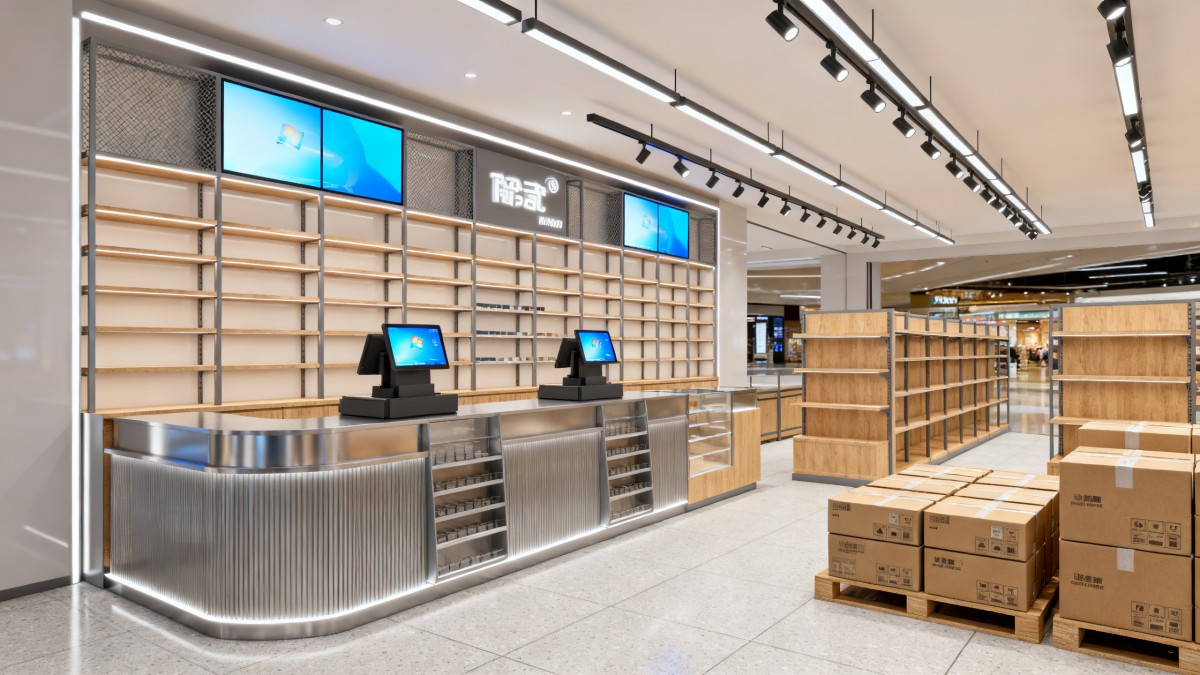
Most rollout delays appear during the handoff between design intent and field execution. A chain may approve a store concept in 3 weeks, yet lose 6 to 10 weeks resolving coordination gaps between millwork, lighting, digital screens, low-voltage cabling, and imported fixture lead times. The larger the footprint, the more likely these dependencies create hidden critical-path risks.
Retail integration strategies work because they treat the store as one system rather than five separate procurement packages. When fixture engineering, POS deployment, signage compliance, and packaging logistics are reviewed together in the first 15 to 30 days, teams can identify interface risks before fabrication starts. That is where time is saved.
The Five Delay Sources Project Teams See Most Often
- Late design freeze, often extending beyond 20% of the procurement window
- Supplier split across regions without a shared tolerance or packaging standard
- Technology decisions made after fixture production begins
- Local code revisions for signage, emergency lighting, or electrical loads
- Inbound logistics congestion, especially on programs with 8 to 12 week import cycles
These are not isolated technical issues. They are integration failures. If one vendor assumes a tolerance of plus or minus 3 mm, another plans for plus or minus 8 mm, and site conditions vary by 10 mm, installation crews may lose 2 to 4 days per store just adjusting interfaces. Across 100 stores, that compounds quickly.
Where Rollout Schedules Break First
The earliest breaks usually happen in three areas: engineering coordination, approval sequencing, and logistics packaging. Engineering coordination fails when fixture shop drawings do not include data, power, mounting, or maintenance access. Approval sequencing fails when teams approve aesthetics before confirming code, operations, or replenishment flow. Logistics packaging fails when components arrive in store-ready shipments on paper but require 6 to 8 labor hours of resorting onsite.
The table below outlines common rollout delay points and the integration response that typically shortens recovery time.
The key pattern is simple: schedules slip when teams discover interface problems after procurement. Strong retail integration strategies move these checks upstream, where change is faster and less expensive. For project leaders, that means requiring cross-discipline reviews before release to fabrication, not after containers are booked.
Retail Integration Strategies That Actually Cut Delays
The fastest rollout programs do not rely on one hero supplier or one aggressive PM schedule. They rely on a repeatable integration model. In practice, that means standardizing decision gates, technical documentation, supplier accountability, and installation readiness across every store format, whether the footprint is 80 square meters or 1,500.
1. Freeze the Store Kit by Interface, Not by Category
Many teams still buy by category: millwork, lighting, IT, graphics, and packaging. That is useful for budgeting, but weak for rollout speed. A better method is to freeze by interface: checkout zone, promotional wall, fitting room, backroom, click-and-collect point, and storefront. Each interface should include physical dimensions, electrical loads, mounting rules, cable paths, and maintenance access.
This reduces late clashes because each zone is validated as one operating unit. For example, a checkout counter should not move into production until scanner placement, POS terminal reach, undercounter cable routing, printer ventilation, and ADA or regional accessibility clearances are all confirmed. That one discipline can remove 1 to 2 rounds of re-engineering.
Practical Checklist for Interface Freeze
- Approve dimensional drawings with tolerance ranges, ideally within plus or minus 2 to 5 mm depending on material
- Confirm power and data requirements for each device and service point
- Validate cleaning, access, and replacement clearances for daily operations
- Match signage, lighting, and fixture finishes to the brand kit and local code
- Review packaging dimensions against backroom storage and delivery routes
2. Use a Three-Gate Delivery Model
A three-gate model is one of the most effective retail integration strategies for chains scaling across regions. Gate 1 is concept validation, typically completed in 2 to 3 weeks. Gate 2 is technical sign-off, often requiring 3 to 5 weeks depending on fixture complexity and code review. Gate 3 is deployment release, when procurement, packaging, and site sequencing are locked.
This structure prevents a common mistake: allowing visual approval to trigger manufacturing before technical dependencies are complete. Teams that skip Gate 2 often discover power conflicts, signage revisions, or cable access issues after samples are approved. That can consume an entire shipping cycle.
3. Standardize Supplier Data Packs
If suppliers deliver quotations in different formats, comparison takes longer and risk remains hidden. Project managers should require a standard data pack covering materials, dimensions, tolerances, finish schedules, compliance references, carton count, palletization method, and estimated replenishment lead time. Even a 10-field template can cut review time significantly.
For global programs, this matters even more. A lighting vendor may specify lumen output and driver type, while a fixture vendor may omit heat dissipation assumptions near enclosed shelves. Without a shared data pack, cross-functional review becomes dependent on email interpretation instead of technical evidence.
The following table shows the documentation elements that help delivery teams evaluate suppliers faster and reduce rollout uncertainty.
These fields are not administrative extras. They are rollout controls. In large store networks, a missing packaging sequence or compliance note can delay dozens of downstream decisions. Structured supplier data is one of the lowest-cost improvements available to PM teams.
How to Align Fixtures, Smart Systems, Signage, and Supply Chain
The strongest retail integration strategies connect procurement with site reality. A store may be beautifully designed, but if lead times for checkouts are 8 weeks, digital displays are 10 weeks, and custom illuminated signage is 12 weeks, the rollout plan must be built around the longest validated path, not the shortest estimate. Integration means sequencing around real constraints.
Commercial Fixtures and Furniture
Fixtures should be evaluated for structural fit, installation speed, and lifecycle serviceability. Modular systems usually save time because they reduce site cutting and support repeatability across formats. For many chains, the difference between knock-down and pre-assembled elements can shift delivery strategy by 15% to 25% in labor and freight terms, depending on store density and access conditions.
Project leads should also confirm whether fixture materials and finishes are stable across different climates and traffic conditions. Surface damage, warped panels, or inconsistent mounting hardware often cause punch-list extensions that delay store readiness by several days.
Smart Retail Technology
Smart systems only accelerate operations when they are integrated physically and digitally. AI-enabled POS, digital shelf labels, queue management screens, and traffic sensors require power, network resilience, and accessible maintenance points. If a screen needs disassembly of finished millwork to replace a component, every service call becomes a disruption.
A good rule is to validate all critical devices in one pilot store and one mock installation before mass deployment. That adds 1 to 2 weeks upfront but can save months later, especially when software updates, thermal loads, and user ergonomics are tested together rather than separately.
Lighting and Signage Coordination
Lighting and signage are often procured late because they are seen as brand finish elements. That is a mistake. Their mounting methods, driver locations, lux targets, and local code implications should be reviewed with core fixtures early. Even small changes in sign depth, access panel design, or emergency route visibility can affect permit review and storefront fabrication.
Teams should establish 3 acceptance criteria before release: visual consistency, electrical safety, and maintenance accessibility. If any one of those is unresolved, rollout risk remains high.
Supply Chain and Sustainable Packaging
Packaging is part of integration, not an afterthought. Sustainable materials must still protect corners, finishes, lighting lenses, and electronics through long-distance transit. Overpackaging increases handling and waste costs; underpackaging creates damage claims and replacement delays. The right balance is usually achieved through transport testing, carton labeling discipline, and kit grouping by installation zone.
For cross-border programs, project managers should also align customs documentation, pallet labeling, and store receiving capacity. If a site can only hold 12 pallets overnight, but the delivery plan assumes 24, installation sequencing will collapse before work begins.
A Practical Rollout Framework for Project Managers
To make retail integration strategies operational, project teams need a framework that can be repeated across stores and markets. The most effective model combines one pilot, one standards library, one supplier scorecard, and one site-readiness checklist. This keeps control centralized while allowing regional adaptation where necessary.
Recommended 6-Step Execution Sequence
- Define rollout formats and critical interfaces across 3 to 5 store types
- Build a coordinated technical package for fixtures, signage, lighting, and smart systems
- Run one pilot store plus one installation mock-up
- Issue standardized supplier data packs and packaging requirements
- Lock deployment gates and regional compliance review dates
- Track post-install issues for the first 30 to 60 days and feed changes back into standards
This sequence is effective because it separates concept ambition from rollout discipline. It also creates a feedback loop. If the first 5 stores reveal recurring issues with cable routing, carton labeling, or hardware consistency, those corrections should be folded into the next release, not managed store by store.
Common Mistakes to Avoid
- Treating mock-ups as optional when multiple hardware systems must coexist
- Choosing vendors by unit price without comparing packaging, documentation, and replenishment support
- Assuming one regional compliance approval applies to all markets
- Locking visual standards before confirming service access and maintenance cycles
Project managers who avoid these errors typically gain more predictable rollout pacing, cleaner installations, and lower field escalation rates. In high-volume programs, even a reduction of 1 to 2 unresolved issues per store can materially improve opening readiness across the portfolio.
What Decision-Makers Should Ask Before Scaling
Before approving the next regional rollout, delivery leads should ask a short set of operational questions. Are technical interfaces frozen? Are supplier data packs complete? Are signage and lighting reviewed for code and maintenance access? Is packaging matched to store receiving conditions? Is the pilot feedback incorporated into the standard kit? These are the questions that convert design consistency into deployment speed.
For organizations sourcing globally, this is where intelligence platforms such as G-BCE add value. Cross-sector benchmarking across commercial fixtures, smart systems, lighting, signage, supply chain controls, and sustainable packaging helps project teams compare options on more than appearance or quoted cost. It creates a clearer view of which components are likely to install cleanly, comply locally, and scale reliably.
In 2026, the retail brands that open faster will not simply buy faster. They will integrate earlier. If you are planning a new store program, refit cycle, or multinational rollout, now is the right time to review your specifications, supplier coordination model, and deployment controls. Contact us to discuss your project requirements, request a tailored benchmarking approach, or explore more solutions for resilient commercial rollout execution.
News Recommendations
 How to plan customer flow in commercial design planning
![51a6ab95581761cc26f4318be6520c15]()
Aris Katos
Future of Carbide Coatings
 USTR Urged to Permanently Suspend Fees on China-Linked Ships
![51a6ab95581761cc26f4318be6520c15]()
Aris Katos
Future of Carbide Coatings
 How to choose comparable stores for retail benchmarking
![51a6ab95581761cc26f4318be6520c15]()
Aris Katos
Future of Carbide Coatings
 How does anchoring affect modular building wind load resistance?
![51a6ab95581761cc26f4318be6520c15]()
Aris Katos
Future of Carbide Coatings
 Amazon Raises European FBA Surcharge to 2% in Ten Markets From November 2
![51a6ab95581761cc26f4318be6520c15]()
Aris Katos
Future of Carbide Coatings
 How to verify a BPA-free test report for baby products
![51a6ab95581761cc26f4318be6520c15]()
Aris Katos
Future of Carbide Coatings
 China's Mandatory Classroom Lighting Standard GB 7793-2025 Takes Effect November 1
![51a6ab95581761cc26f4318be6520c15]()
Aris Katos
Future of Carbide Coatings
 How order volume affects the price of wholesale poly mailers
![51a6ab95581761cc26f4318be6520c15]()
Aris Katos
Future of Carbide Coatings
 US Imposes 50% Tariff on Certain Canadian PET Resin Imports
![51a6ab95581761cc26f4318be6520c15]()
Aris Katos
Future of Carbide Coatings
 How to read the maximum ratings in a semiconductor datasheet
![51a6ab95581761cc26f4318be6520c15]()
Aris Katos
Future of Carbide Coatings
 University of Maryland Develops Bio-Based Packaging to Extend Avocado and Cucumber Shelf Life
![51a6ab95581761cc26f4318be6520c15]()
Aris Katos
Future of Carbide Coatings
 How to verify a cookware manufacturer's induction compatibility claims
![51a6ab95581761cc26f4318be6520c15]()
Aris Katos
Future of Carbide Coatings
 Omdia Forecasts 11.6% Annual Growth in LED Display Revenue Through 2030
![51a6ab95581761cc26f4318be6520c15]()
Aris Katos
Future of Carbide Coatings
 How to verify a pulp molding packaging factory's production capacity
![51a6ab95581761cc26f4318be6520c15]()
Aris Katos
Future of Carbide Coatings
 Curion Survey: Half of Consumers Frustrated by Sustainable Packaging
![51a6ab95581761cc26f4318be6520c15]()
Aris Katos
Future of Carbide Coatings
 How to assess the credibility of market insight content
![51a6ab95581761cc26f4318be6520c15]()
Aris Katos
Future of Carbide Coatings
 US Removes 50% Additional Tariff on Selected Canadian Packaging Products
![51a6ab95581761cc26f4318be6520c15]()
Aris Katos
Future of Carbide Coatings
 Will a waterproof dimmable LED driver work with your existing dimmer?
![51a6ab95581761cc26f4318be6520c15]()
Aris Katos
Future of Carbide Coatings
 Charter Next Generation Raises Film PCR Use 30%, Advances Food-Grade Applications
![51a6ab95581761cc26f4318be6520c15]()
Aris Katos
Future of Carbide Coatings
 How to choose a dog harness and leash for a dog that pulls hard
![51a6ab95581761cc26f4318be6520c15]()
Aris Katos
Future of Carbide Coatings
 How to respect local customs when negotiating with overseas suppliers
![51a6ab95581761cc26f4318be6520c15]()
Aris Katos
Future of Carbide Coatings
 RFID Recycling Challenges Bring Paper-Based and Chipless Tags Into Focus
![51a6ab95581761cc26f4318be6520c15]()
Aris Katos
Future of Carbide Coatings
 How to choose commercial lighting for offices that reduces glare
![51a6ab95581761cc26f4318be6520c15]()
Aris Katos
Future of Carbide Coatings
 Queue Launches Fully Automated Robotic Pharmacy Kiosk for 30-Second Dispensing
![51a6ab95581761cc26f4318be6520c15]()
Aris Katos
Future of Carbide Coatings
 Can your supermarket store fixtures supplier meet your opening date?
![51a6ab95581761cc26f4318be6520c15]()
Aris Katos
Future of Carbide Coatings
 Shopify POS UI Extensions 2026-10 Adds Virtual Lists and Custom Row Templates
![51a6ab95581761cc26f4318be6520c15]()
Aris Katos
Future of Carbide Coatings
 How to assess smart office furniture suppliers’ North American support
![51a6ab95581761cc26f4318be6520c15]()
Aris Katos
Future of Carbide Coatings
 Aqara Launches Smart Lighting Range to Advance AI Spatial Intelligence
![51a6ab95581761cc26f4318be6520c15]()
Aris Katos
Future of Carbide Coatings
 How to assess demand forecasts in a lighting intelligence report
![51a6ab95581761cc26f4318be6520c15]()
Aris Katos
Future of Carbide Coatings
 Billerud推出PharmaKraft纤维基医药包装材料
![51a6ab95581761cc26f4318be6520c15]()
Aris Katos
Future of Carbide Coatings
 How to assess supplier reliability in global supply chain sourcing
![51a6ab95581761cc26f4318be6520c15]()
Aris Katos
Future of Carbide Coatings
 Omdia Forecasts 11.6% CAGR for Global LED Video Display Market in 2026–2030
![51a6ab95581761cc26f4318be6520c15]()
Aris Katos
Future of Carbide Coatings
 How to verify an LFGB testing laboratory's accreditation scope
![51a6ab95581761cc26f4318be6520c15]()
Aris Katos
Future of Carbide Coatings
 How to assess a workplace interior supplier's installation scope
![51a6ab95581761cc26f4318be6520c15]()
Aris Katos
Future of Carbide Coatings
 What records are needed for an ISO 9001 furniture factory audit?
![51a6ab95581761cc26f4318be6520c15]()
Aris Katos
Future of Carbide Coatings
 How to choose AI marketing tools that work with your existing CRM
![51a6ab95581761cc26f4318be6520c15]()
Aris Katos
Future of Carbide Coatings
 Do freight costs erase savings when buying retail fixtures wholesale?
![51a6ab95581761cc26f4318be6520c15]()
Aris Katos
Future of Carbide Coatings
 How to verify EMC reports from an OEM retail shelf LCD screen factory
![51a6ab95581761cc26f4318be6520c15]()
Aris Katos
Future of Carbide Coatings
 Who handles firmware updates for an OEM retail shelf screen?
![51a6ab95581761cc26f4318be6520c15]()
Aris Katos
Future of Carbide Coatings