Lobby furniture OEM projects often fail on fabric choices first
Time
Click Count
In lobby furniture OEM, failures often begin with fabric choices long before production or installation. For buyers comparing a lobby furniture OEM, commercial lounge furniture factory, or hotel furniture manufacturer, fabric performance affects aesthetics, durability, VOC emission levels in furniture, and fire retardant foam standards (NFPA 260). This article explains how smarter upholstery selection reduces risk, protects brand image, and improves long-term sourcing decisions.
In commercial interiors, fabric is often treated as a finishing layer, but in reality it is a core engineering decision. A lobby chair, modular sofa, or reception banquette may pass visual review in 10 minutes yet fail operationally within 6 to 18 months if the upholstery is mismatched to traffic, cleaning protocols, humidity, or code requirements. For sourcing teams, that failure can trigger replacement costs, warranty disputes, and reputational damage across multiple sites.
This matters even more in global procurement, where a fabric approved in a showroom sample may behave differently once scaled to 500 or 5,000 units across hotels, mixed-use developments, retail chains, or branded service spaces. G-BCE tracks these decision points because fabric selection sits at the intersection of design intent, manufacturing control, sustainability goals, and lifecycle cost. When buyers understand the right performance thresholds early, OEM execution becomes more predictable.
Why Fabric Is the First Real Risk Point in Lobby Furniture OEM
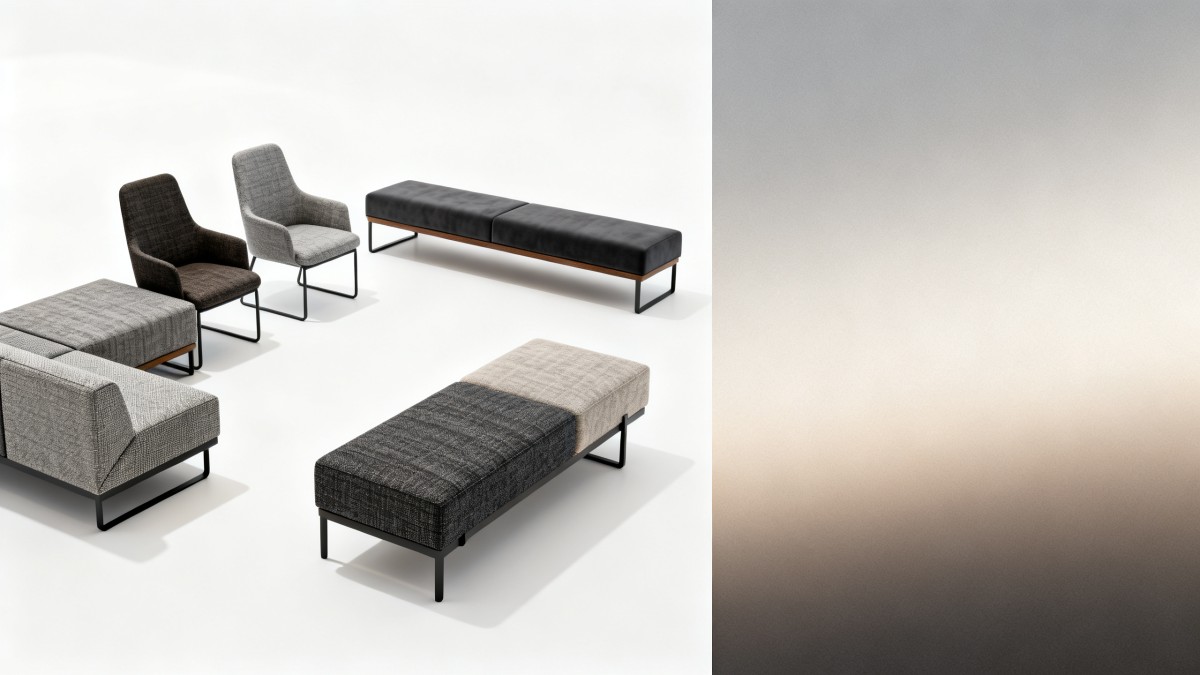
Most lobby furniture projects begin with mood boards, finish palettes, and seating layouts, but the first major technical mismatch usually appears at fabric specification. Unlike frame construction, which follows drawings and tolerances, upholstery performance depends on friction, abrasion, seam stress, cleaning chemicals, UV exposure, and occupancy patterns. A beautiful textile chosen only for color may underperform in high-traffic entrances within 3 to 9 months.
In OEM production, fabric also affects cut planning, sewing yield, lead time, and quality consistency. Pattern repeats, directional nap, stretch rate, and backing stability can change material consumption by 8% to 15%. On large programs, that variance has a direct effect on landed cost and replenishment planning. Buyers who focus only on unit price often miss this hidden exposure until the commercial lounge furniture factory begins bulk cutting.
Another common failure point is the gap between design samples and compliance requirements. Hospitality, corporate, and retail projects may require specific fire behavior, indoor air quality thresholds, or flammability alignment between upholstery fabric and foam. If the selected fabric is not compatible with the specified cushioning system, even a reputable hotel furniture manufacturer may need to restart testing, causing 2 to 6 weeks of delay.
Operational impact beyond appearance
For operators and facility teams, fabric performance is visible every day. Pilling, seam slippage, stain retention, and color shift are not minor cosmetic issues in a lobby. They shape first impressions, influence cleaning labor, and affect how premium or neglected a space feels. In upscale public environments, visible wear on reception seating can undermine brand positioning faster than many buyers expect.
The table below outlines how fabric-related failures typically emerge before more obvious structural defects. It is a practical view for procurement specialists, specifiers, and operational managers evaluating long-term sourcing risk.
The key takeaway is that upholstery failure rarely starts with a dramatic defect. It usually begins with a wrong threshold, a vague cleaning expectation, or a missing test alignment. That is why fabric should be reviewed at concept stage, not only during sample approval.
The Performance Metrics Buyers Should Review Before Approval
A reliable fabric specification for lobby furniture OEM should go beyond color cards and hand feel. Buyers should request a performance profile covering abrasion, seam slippage, tensile behavior, cleanability, light fastness, VOC implications, and compliance interaction with cushioning materials. In many projects, 5 to 7 technical indicators are enough to eliminate the highest-risk options before sampling begins.
Abrasion resistance remains one of the most practical screening tools. While exact thresholds vary by project, moderate-traffic commercial lobby seating may often target 30,000 double rubs or more, while premium public spaces with luggage contact and all-day occupancy may prefer 50,000 or higher. This number alone is not a guarantee of durability, but fabrics below the expected traffic range should be questioned early.
Light fastness matters more than many sourcing teams assume, especially for glazing-heavy lobbies, airport lounges, and mixed-use atriums. Even indirect daylight can create uneven fading over 12 to 24 months. Fabrics selected for dark saturation, textured weaves, or signature brand colors should be reviewed for how they age, not just how they look in a swatch book under indoor lighting.
Core metrics to review with the factory
The following list helps turn aesthetic preferences into measurable sourcing decisions:
- Traffic fit: define whether the item serves low, medium, or high occupancy zones across 8, 12, or 24 operating hours.
- Cleaning method: verify resistance to water-based cleaners, alcohol-based wipes, and stain spot treatment used by facility teams.
- Compliance fit: check upholstery compatibility with fire retardant foam standards such as NFPA 260 and related project requirements.
- Indoor air quality: review whether adhesives, backings, or coatings may increase VOC emission levels in furniture assemblies.
- Replacement strategy: confirm whether the same lot or a close color match can be reordered after 12 to 36 months.
Practical specification ranges
The table below does not replace project testing, but it provides a practical framework when comparing a lobby furniture OEM, a commercial lounge furniture factory, or a hotel furniture manufacturer during technical review.
Buyers should read these metrics together, not in isolation. A high double-rub figure does little if the fabric stains easily, pills under frequent cleaning, or cannot be matched to the required foam system. Good sourcing decisions come from balanced specification, not a single headline number.
Matching Fabric to Lobby Use Cases, Brand Positioning, and Maintenance Reality
Not every lobby operates the same way. A luxury hotel entrance, a medical reception zone, a premium retail waiting area, and a residential tower amenity lounge may all use upholstered seating, but the contact pattern, cleaning cycle, and emotional expectation are different. A high-end woven textile may support boutique branding, while a coated or performance-driven fabric may better fit 18-hour daily occupancy and frequent sanitization.
This is where many OEM projects become overdesigned and under-tested. Design teams often prioritize softness, visual depth, or trend alignment, while operators need resistance to luggage abrasion, food spill marks, and repetitive wipe-downs. If the final upholstery does not fit the maintenance reality, the furniture may look exceptional at handover and compromised by the first quarter of use.
A useful rule is to define at least 3 functional zones before confirming fabric: statement seating, everyday traffic seating, and high-risk contact seating. Once these zones are mapped, buyers can allow one premium aesthetic fabric for low-contact pieces and specify tougher upholstery for perimeter benches, reception wait seats, or family-heavy areas. This mixed-spec strategy can improve lifecycle value without flattening the design language.
Use-case alignment questions
Before approving a standard fabric across the whole project, ask these four questions:
- Will users sit briefly for 5 to 15 minutes, or occupy the seat for 1 to 3 hours?
- Will the furniture face rolling luggage, children, pets, or food and beverage contact?
- Is the cleaning team using mild soap, disinfectant spray, or alcohol-based wipes several times per day?
- Does the site need a calm residential look, a luxury hospitality feel, or a more resilient corporate standard?
These answers directly affect whether the project should use woven polyester blends, solution-dyed options, coated surfaces, or softer decorative textiles reserved for lower-contact elements. In other words, fabric selection should start from operating conditions, not just style boards.
Common scenario comparison
The comparison below helps sourcing teams map upholstery choices to real-world commercial conditions.
The main lesson is that the best fabric is rarely universal. The right choice is the one that fits the brand image and survives the daily behavior of the space. Smart buyers treat upholstery as a use-case decision with aesthetic consequences, not an aesthetic decision with operational excuses.
How to Build a Lower-Risk Fabric Approval Process with an OEM Supplier
A disciplined approval process can remove much of the uncertainty from lobby furniture OEM. The most effective programs create checkpoints before full sampling, before compliance testing, and before bulk production. In many projects, a 4-step approval path prevents the two most expensive outcomes: late-stage rework and field failure after installation.
First, align the design brief and operational profile. This means defining application type, occupancy intensity, cleaning routine, indoor environment, and required standards. Without this step, factories receive only a visual preference and must guess the use case. That guess often drives unsuitable fabric recommendations, especially when lead times are tight and sample availability is limited.
Second, run a technical screen on shortlisted fabrics before making showroom mockups. This should include basic review of abrasion range, seam behavior, backing stability, and whether the material can work with the proposed foam and construction method. Screening 6 options down to 2 or 3 saves time compared with sampling every decorative favorite.
A practical 4-step approval workflow
- Step 1: Define project conditions, code expectations, and maintenance realities for each seating category.
- Step 2: Review technical datasheets and confirm likely compliance compatibility before sample cutting.
- Step 3: Approve strike-offs, mockups, or pilot pieces under actual light and cleaning conditions within 7 to 14 days.
- Step 4: Lock fabric lot, cutting yield assumptions, and replenishment plan before mass production starts.
Where buyers often lose control
Problems often appear when sourcing teams approve appearance without documenting acceptance criteria. A buyer may sign off on color and texture but leave open questions around seam slippage, backing delamination, cleaning restrictions, or foam interaction. When an issue later emerges, neither the commercial lounge furniture factory nor the project manager has a clear benchmark for resolution.
To prevent that gap, approval records should include at least 6 items: approved fabric code, color reference, cleaning limitations, intended application zone, test or compliance notes, and reorder expectations. These details help multi-site operators maintain consistency when future top-up orders are needed 12 or 24 months later.
For global supply chains, it is also wise to confirm whether the same fabric source can support regional replenishment. Some buyers approve a textile available for the initial run but not for subsequent expansion phases. If the program is expected to scale across 20, 50, or 100 locations, continuity matters almost as much as first-order fit.
Frequently Asked Questions for Procurement and Evaluation Teams
The final stage of fabric sourcing usually brings the same operational questions from research teams, end users, purchasing managers, and commercial reviewers. The answers below are designed to support practical decision-making rather than generic product marketing.
How should buyers compare a lobby furniture OEM and a hotel furniture manufacturer on fabric decisions?
Compare them on process depth, not just sample presentation. Ask whether they can explain fabric yield, seam engineering, likely wear points, cleaning compatibility, and interaction with foam standards such as NFPA 260. A capable supplier should be able to discuss at least 4 to 6 technical considerations before quoting the final upholstery package.
What is a reasonable lead time impact when fabric must be changed?
For standard programs, a fabric substitution can add 7 to 21 days if only sampling and internal approval are needed. If additional testing, imported material, or revised compliance review is required, delays can extend to 3 to 6 weeks. This is why early material screening is usually less expensive than correcting the choice after mockup approval.
Are low-VOC concerns relevant for lobby upholstery?
Yes. VOC emission levels in furniture are not determined by fabric alone, but upholstery systems can contribute through adhesives, coatings, backings, and foam interaction. In enclosed lobbies, wellness-oriented hospitality projects, and premium office reception zones, buyers increasingly ask for lower-emission material assemblies rather than evaluating the textile as an isolated component.
What is the most common sourcing mistake?
The most common mistake is approving one decorative fabric for every seating application. That approach may simplify the purchase order, but it ignores very different wear profiles. In many projects, a dual- or triple-spec strategy delivers better lifecycle performance without disrupting the visual concept of the lobby.
Lobby furniture OEM success is shaped long before frames are assembled and cushions are installed. Fabric choices influence durability, maintenance burden, compliance alignment, indoor air quality considerations, and brand perception across every guest touchpoint. For global buyers and evaluators, the most resilient sourcing strategy is to match upholstery to real traffic conditions, verify technical thresholds early, and document approvals with operational clarity.
G-BCE supports this kind of decision-making by connecting commercial design intent with manufacturing discipline and benchmark-oriented sourcing logic. If you are reviewing a lobby furniture OEM, assessing a commercial lounge furniture factory, or comparing a hotel furniture manufacturer for a multi-site program, a better fabric strategy can reduce failure risk from the start.
To discuss material benchmarking, sourcing evaluation, or a customized commercial furniture specification approach, contact us today to get a tailored solution, review product details, or explore more resilient options for your next project.
News Recommendations
 How to verify Zigbee compatibility when sourcing lighting sensors
![51a6ab95581761cc26f4318be6520c15]()
Aris Katos
Future of Carbide Coatings
 How do packaging customization options affect minimum order quantities in Europe?
![51a6ab95581761cc26f4318be6520c15]()
Aris Katos
Future of Carbide Coatings
 Transom to Acquire Cree LED in Commercial Lighting Ownership Change
![51a6ab95581761cc26f4318be6520c15]()
Aris Katos
Future of Carbide Coatings
 How to plan customer flow in commercial design planning
![51a6ab95581761cc26f4318be6520c15]()
Aris Katos
Future of Carbide Coatings
 USTR Urged to Permanently Suspend Fees on China-Linked Ships
![51a6ab95581761cc26f4318be6520c15]()
Aris Katos
Future of Carbide Coatings
 How to choose comparable stores for retail benchmarking
![51a6ab95581761cc26f4318be6520c15]()
Aris Katos
Future of Carbide Coatings
 How does anchoring affect modular building wind load resistance?
![51a6ab95581761cc26f4318be6520c15]()
Aris Katos
Future of Carbide Coatings
 Amazon Raises European FBA Surcharge to 2% in Ten Markets From November 2
![51a6ab95581761cc26f4318be6520c15]()
Aris Katos
Future of Carbide Coatings
 How to verify a BPA-free test report for baby products
![51a6ab95581761cc26f4318be6520c15]()
Aris Katos
Future of Carbide Coatings
 China's Mandatory Classroom Lighting Standard GB 7793-2025 Takes Effect November 1
![51a6ab95581761cc26f4318be6520c15]()
Aris Katos
Future of Carbide Coatings
 How order volume affects the price of wholesale poly mailers
![51a6ab95581761cc26f4318be6520c15]()
Aris Katos
Future of Carbide Coatings
 US Imposes 50% Tariff on Certain Canadian PET Resin Imports
![51a6ab95581761cc26f4318be6520c15]()
Aris Katos
Future of Carbide Coatings
 How to read the maximum ratings in a semiconductor datasheet
![51a6ab95581761cc26f4318be6520c15]()
Aris Katos
Future of Carbide Coatings
 University of Maryland Develops Bio-Based Packaging to Extend Avocado and Cucumber Shelf Life
![51a6ab95581761cc26f4318be6520c15]()
Aris Katos
Future of Carbide Coatings
 How to verify a cookware manufacturer's induction compatibility claims
![51a6ab95581761cc26f4318be6520c15]()
Aris Katos
Future of Carbide Coatings
 Omdia Forecasts 11.6% Annual Growth in LED Display Revenue Through 2030
![51a6ab95581761cc26f4318be6520c15]()
Aris Katos
Future of Carbide Coatings
 How to verify a pulp molding packaging factory's production capacity
![51a6ab95581761cc26f4318be6520c15]()
Aris Katos
Future of Carbide Coatings
 Curion Survey: Half of Consumers Frustrated by Sustainable Packaging
![51a6ab95581761cc26f4318be6520c15]()
Aris Katos
Future of Carbide Coatings
 How to assess the credibility of market insight content
![51a6ab95581761cc26f4318be6520c15]()
Aris Katos
Future of Carbide Coatings
 US Removes 50% Additional Tariff on Selected Canadian Packaging Products
![51a6ab95581761cc26f4318be6520c15]()
Aris Katos
Future of Carbide Coatings
 Will a waterproof dimmable LED driver work with your existing dimmer?
![51a6ab95581761cc26f4318be6520c15]()
Aris Katos
Future of Carbide Coatings
 Charter Next Generation Raises Film PCR Use 30%, Advances Food-Grade Applications
![51a6ab95581761cc26f4318be6520c15]()
Aris Katos
Future of Carbide Coatings
 How to choose a dog harness and leash for a dog that pulls hard
![51a6ab95581761cc26f4318be6520c15]()
Aris Katos
Future of Carbide Coatings
 How to respect local customs when negotiating with overseas suppliers
![51a6ab95581761cc26f4318be6520c15]()
Aris Katos
Future of Carbide Coatings
 RFID Recycling Challenges Bring Paper-Based and Chipless Tags Into Focus
![51a6ab95581761cc26f4318be6520c15]()
Aris Katos
Future of Carbide Coatings
 How to choose commercial lighting for offices that reduces glare
![51a6ab95581761cc26f4318be6520c15]()
Aris Katos
Future of Carbide Coatings
 Queue Launches Fully Automated Robotic Pharmacy Kiosk for 30-Second Dispensing
![51a6ab95581761cc26f4318be6520c15]()
Aris Katos
Future of Carbide Coatings
 Can your supermarket store fixtures supplier meet your opening date?
![51a6ab95581761cc26f4318be6520c15]()
Aris Katos
Future of Carbide Coatings
 Shopify POS UI Extensions 2026-10 Adds Virtual Lists and Custom Row Templates
![51a6ab95581761cc26f4318be6520c15]()
Aris Katos
Future of Carbide Coatings
 How to assess smart office furniture suppliers’ North American support
![51a6ab95581761cc26f4318be6520c15]()
Aris Katos
Future of Carbide Coatings
 Aqara Launches Smart Lighting Range to Advance AI Spatial Intelligence
![51a6ab95581761cc26f4318be6520c15]()
Aris Katos
Future of Carbide Coatings
 How to assess demand forecasts in a lighting intelligence report
![51a6ab95581761cc26f4318be6520c15]()
Aris Katos
Future of Carbide Coatings
 Billerud推出PharmaKraft纤维基医药包装材料
![51a6ab95581761cc26f4318be6520c15]()
Aris Katos
Future of Carbide Coatings
 How to assess supplier reliability in global supply chain sourcing
![51a6ab95581761cc26f4318be6520c15]()
Aris Katos
Future of Carbide Coatings
 Omdia Forecasts 11.6% CAGR for Global LED Video Display Market in 2026–2030
![51a6ab95581761cc26f4318be6520c15]()
Aris Katos
Future of Carbide Coatings
 How to verify an LFGB testing laboratory's accreditation scope
![51a6ab95581761cc26f4318be6520c15]()
Aris Katos
Future of Carbide Coatings
 How to assess a workplace interior supplier's installation scope
![51a6ab95581761cc26f4318be6520c15]()
Aris Katos
Future of Carbide Coatings
 What records are needed for an ISO 9001 furniture factory audit?
![51a6ab95581761cc26f4318be6520c15]()
Aris Katos
Future of Carbide Coatings
 How to choose AI marketing tools that work with your existing CRM
![51a6ab95581761cc26f4318be6520c15]()
Aris Katos
Future of Carbide Coatings